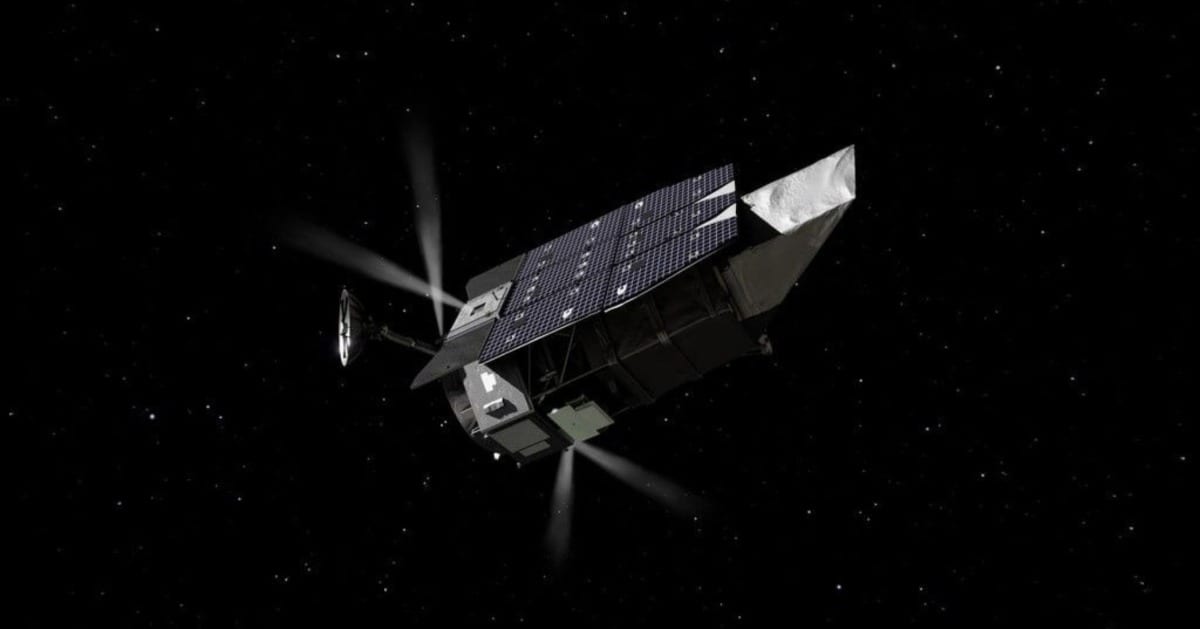
NASA's Anil Menon gives a glimpse of new solar arrays to be installed on ISS during upcoming spacewalks
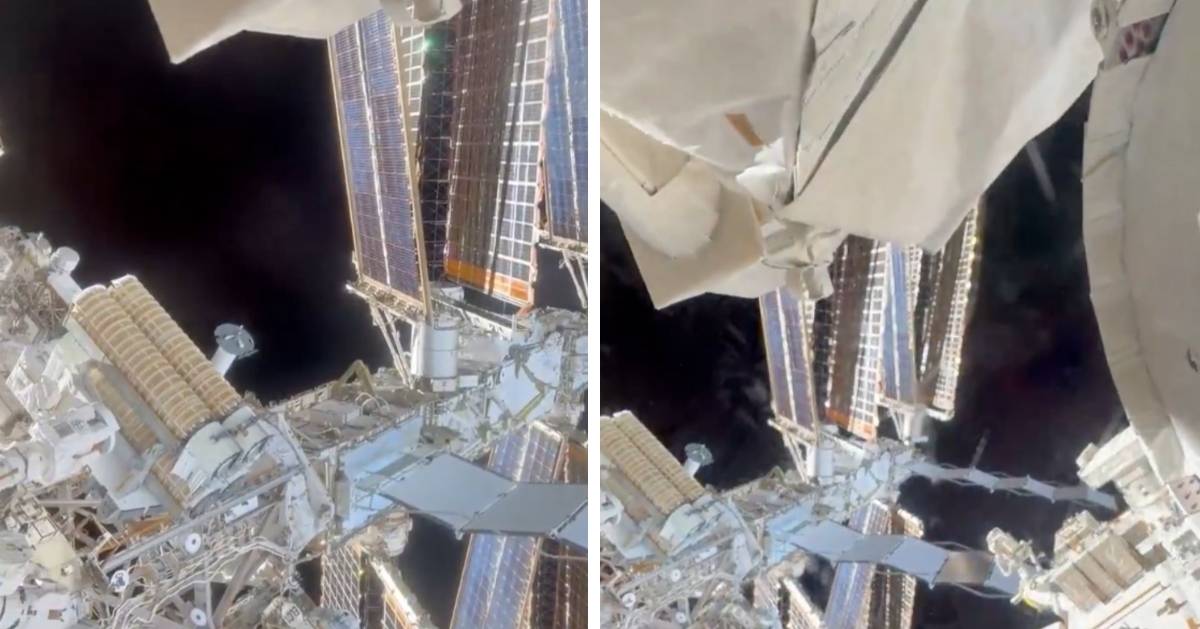
Two astronauts will soon step out of the International Space Station (ISS) for crucial installation work that will boost the power-generation capacity of the orbital lab. NASA’s Anil Menon and the Canadian Space Agency (CSA) astronaut Joshua Kutryk will perform the first spacewalk on October 29 to install a pair of International Space Station Roll-Out Solar Arrays (iROSA) on the station’s truss structure. They will perform a second spacewalk for the same purpose on November 5. As Menon prepares for the daring mission, he shared a video on Sunday featuring the new solar arrays in a folded configuration near the giant unfolded panels. The next two spacewalks will mark the 285th and 286th spacewalks conducted in support of assembly, maintenance, and upgrades on the station.
Roll out solar arrays will be installed during next week's spacewalk. You can see two of them folded and ready to be installed and you can also see how they look when they are installed (look in front of the big ones - the new ones are smaller and slightly tilted). https://t.co/sgc6YmJViB
— Anil Menon (@astro_anil) October 25, 2026
“Roll out solar arrays will be installed during next week's spacewalk,” Menon captioned the video he shot from the Japan Aerospace Exploration Agency (JAXA) module of the ISS. “You can see two of them folded and ready to be installed and you can also see how they look when they are installed (look in front of the big ones - the new ones are smaller and slightly tilted).”
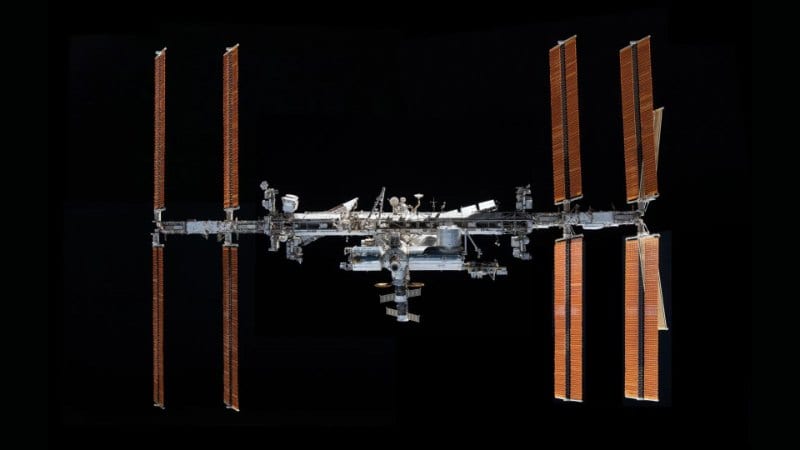
Once the years-long installation work is complete, the station’s power-generation capability will increase by up to 30 percent, says NASA. The first solar arrays were installed on the station in December 2000, and they have served as an invaluable asset. These arrays convert sunlight into electricity, which powers the lab’s life support systems and enables numerous research and science investigations that are conducted every day. NASA says that the old solar arrays have shown signs of degradation, so the new iROSAs will now compensate for the power degradation. Three pairs have already been deployed, and two more, which were launched by SpaceX on the CRS-35 mission on October 13, are now awaiting their installation.
Unlike standard solar panels that are rigid, large, heavy, and complex to operate, iROSAs are compact and roll up like a carpet (as shown in Menon’s video). This makes these arrays easily transportable, but they still cover a large surface area and generate considerable power—more than 30 kilowatts per panel depending on the size. The upcoming spacewalk will be Menon’s fourth overall, after he completed three in August this year. Kutryk, on the other hand, is preparing for the first spacewalk of his career. Both astronauts, however, are on their first spaceflight. Menon flew to the station on the MS-29 mission on July 14, whereas Kutryk launched on October 1 as part of NASA’s Crew-13 mission. The October 29 spacewalk is scheduled to begin at 8 am EDT, and its live coverage will start on NASA+ at 6:30 am EDT. The coverage for the second spacewalk on November 5, which is scheduled to begin at 8:10 am EST, will start at 6:45 am EST.
More on Starlust
Starship vs Blue Moon: NASA's plan for two landers flying on Artemis IV has some major changes
Artemis II Pilot Victor Glover reveals tense moment when crew received 'cabin leak' warning in space