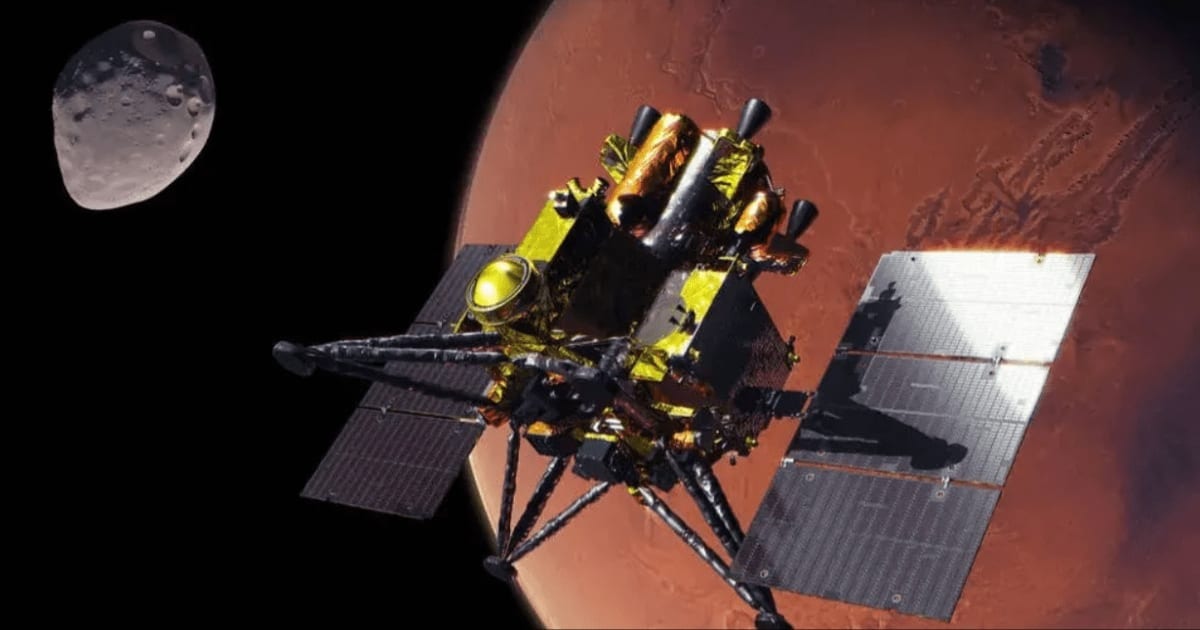
NASA considers potential servicing of Hubble Telescope to extend its lifespan, asks industry for help
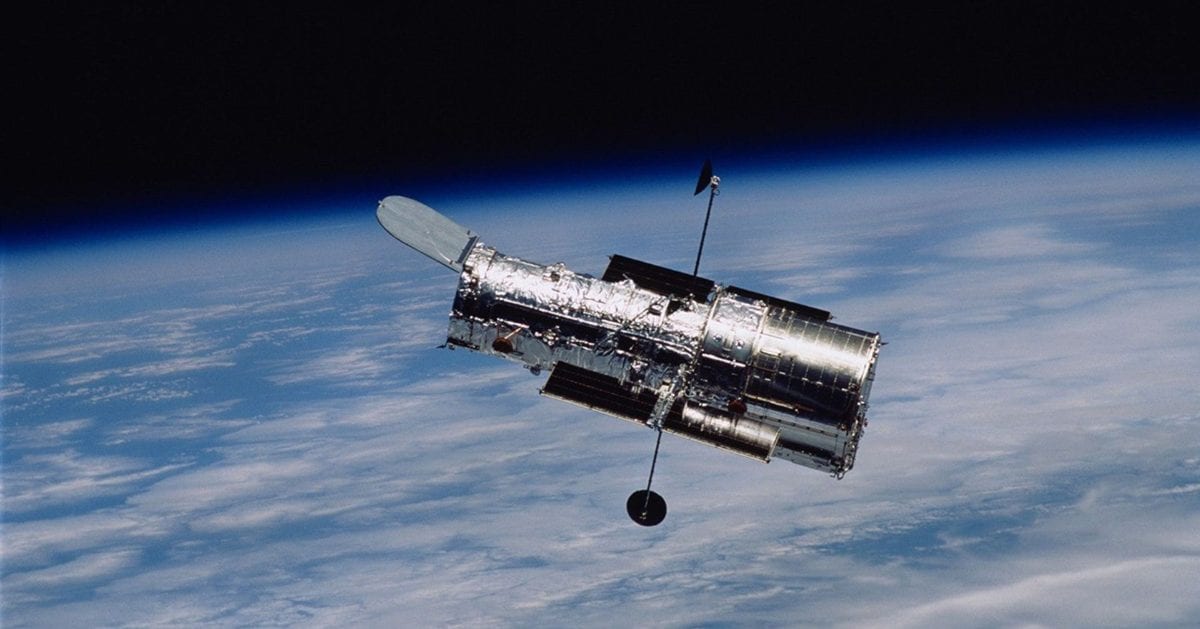
NASA seems to be moving ahead with its intent to save the Hubble Space Telescope (HST), which has contributed to invaluable science over the past 36 years. The agency’s Goddard Space Flight Center issued a Request for Information (RFI) to the industry for ideas to either service or dispose of the observatory in a safe manner. Launched in April 1990, Hubble operates at an altitude of approximately 300 miles (483 km), but its orbit is now decaying at a rate of about 9 miles (14.6 km) per year, according to a reentry tracker.
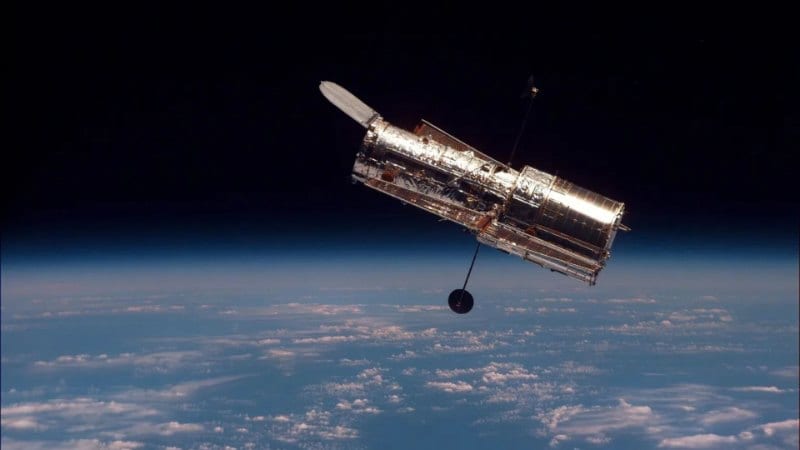
NASA has presented three mission options in the RFI that the industry must consider. The first is suggesting ways to capture Hubble and boost its orbit beyond at least 372 miles (600 km), the second is launching a servicing mission to improve its present capability and extend its operational lifespan, and the third is launching and operating a mission to perform a controlled reentry.
As part of the partnership, Goddard will share technical information about Hubble as well as coordinate operations for rendezvous, capture, boost, servicing, and/or controlled reentry of the observatory. The contractor, on the other hand, will be required to provide the launch vehicle, spacecraft, and crew, if applicable, and perform servicing vehicle operations for the mission. The RFI also outlined that the mission must not harm the telescope, and the launch should occur by 2032. The contractors have also been asked to explain how they would launch the mission, rendezvous and capture the telescope, explain their technology readiness, present a risk assessment and ways to mitigate those risks, and explain how soon the mission can launch. NASA also wants to know how much altitude boost they can provide and the minimum altitude at which the service can be performed to achieve a boost to at least 372 miles.
Why does NASA want to save Hubble?
Hubble has proved to be too valuable to lose due to its unique UV and optical capabilities. According to Goddard, Hubble remains in high demand, with more than seven times as many observing requests as it can accommodate, and it’s still producing more than 1,000 research papers every year. It is unlikely NASA will find Hubble’s replacement until 2040. “Extending the scientific life of HST will extend the availability of its unique capabilities until the potential replacement, Habitable Worlds Observatory (HWO), is operational,” the document said. It also cited a lifetime analysis performed in July 2026, which predicted that there’s a 10 percent chance Hubble will reenter Earth by September 2032—this probability increased to 50 percent by December 2033. Hubble has had four servicing missions until now (the third was split into two), with all of them taking place during the Space Shuttle era, which ended in 2011.
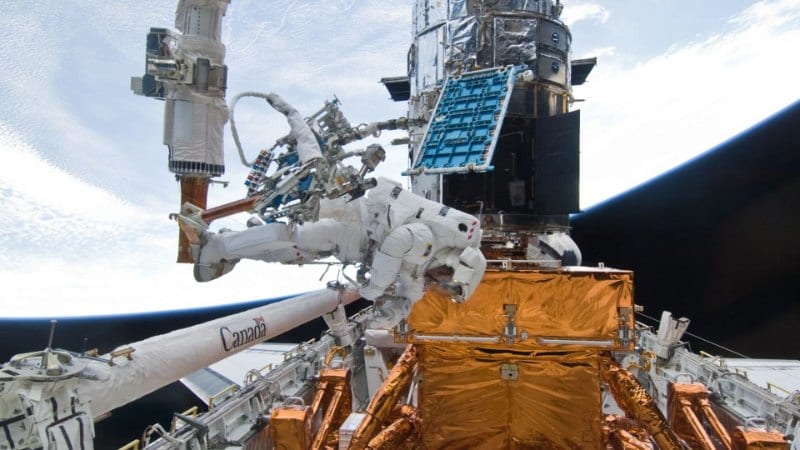
Before his appointment as the NASA Administrator, Jared Isaacman, had proposed to fund a private mission with SpaceX’s help to boost Hubble’s orbit. While the agency conducted a feasibility study for such a mission, it declined to move forward, citing high risks to the telescope. In June 2024, Hubble’s operations were shifted from three gyroscopes to a single gyroscope to continue normal operations. A gyroscope is a spinning wheel that helps Hubble turn to a target and remain steady during an observation. Going forward, NASA said it will issue a Request for Proposals (RFP) based on the information it receives in response to the current request.
More on Starlust
Meet UVEX—NASA’s proposed new space telescope set to launch in January 2031
NASA's Neil Gehrels Swift Observatory ceases operations: Here's the legacy it left behind