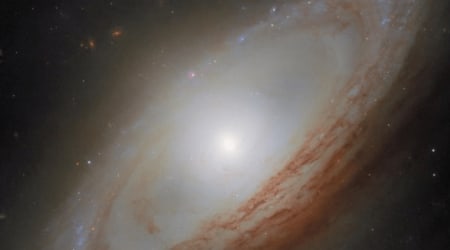
Astronomers saw the first light of a massive star dying in a galaxy located 500 million light-years away
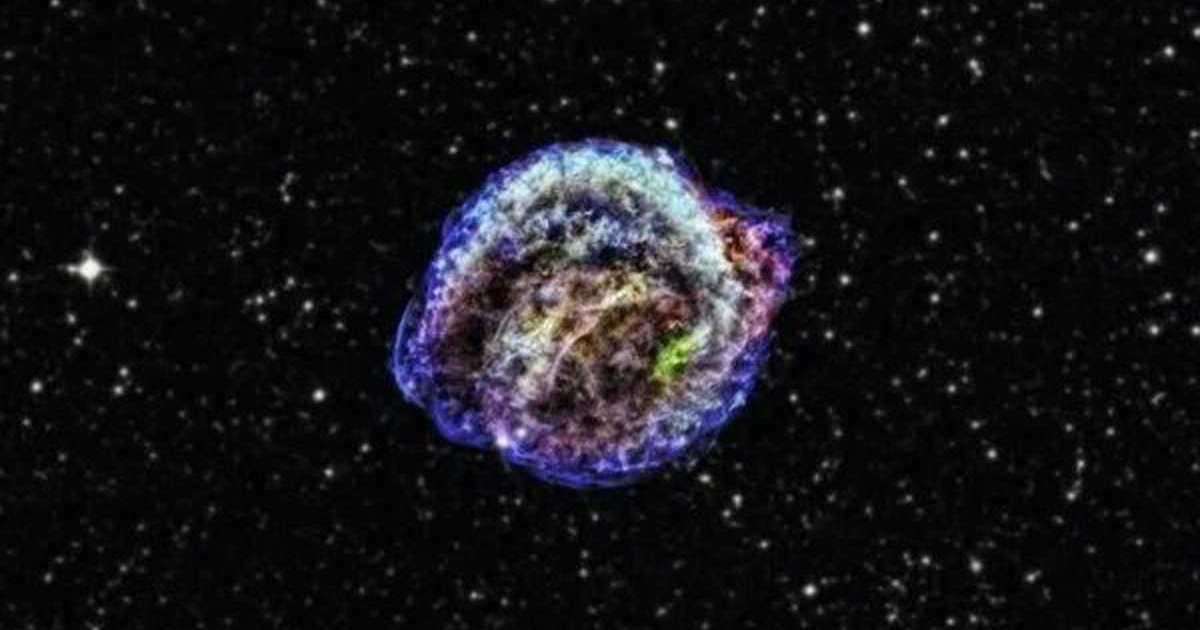
Astronomers have caught a rare glimpse of the first light emanating from a massive star in the throes of death. While dying, the star emitted a brief flash of soft X-rays, which alerted scientists and prompted them to watch the spectacle unfold by peering through ground-based telescopes. Two teams—from Carnegie Mellon University and the University of Maryland—analyzed the event, which occurred in a galaxy located 500 million light-years away. They reported their findings in two separate papers published in The Astrophysical Journal Letters.
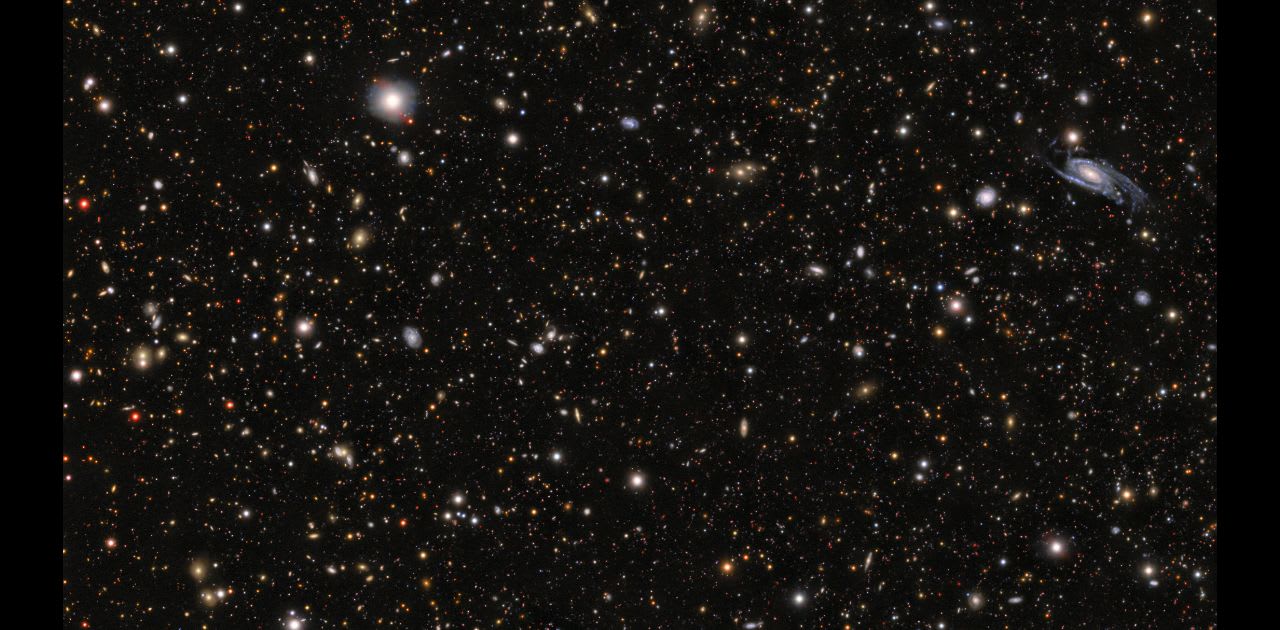
China's Einstein Probe initially captured the spectacular X-ray flash in March 2026. Analysis of the ensuing explosion, named SN 2026gzf, revealed that a powerful shockwave from the star's collapse reached the surface, releasing a burst of radiation—a phenomenon known as a shock breakout—which served as the first light of the supernova. Astronomers then followed up this light and probed its evolving pattern using the National Science Foundation’s NOIRLab facilities. Shock breakouts generated by supernova explosions are notoriously difficult to detect because they last only seconds to hours; indeed, only one other such event has been spotted in the past 20 years.
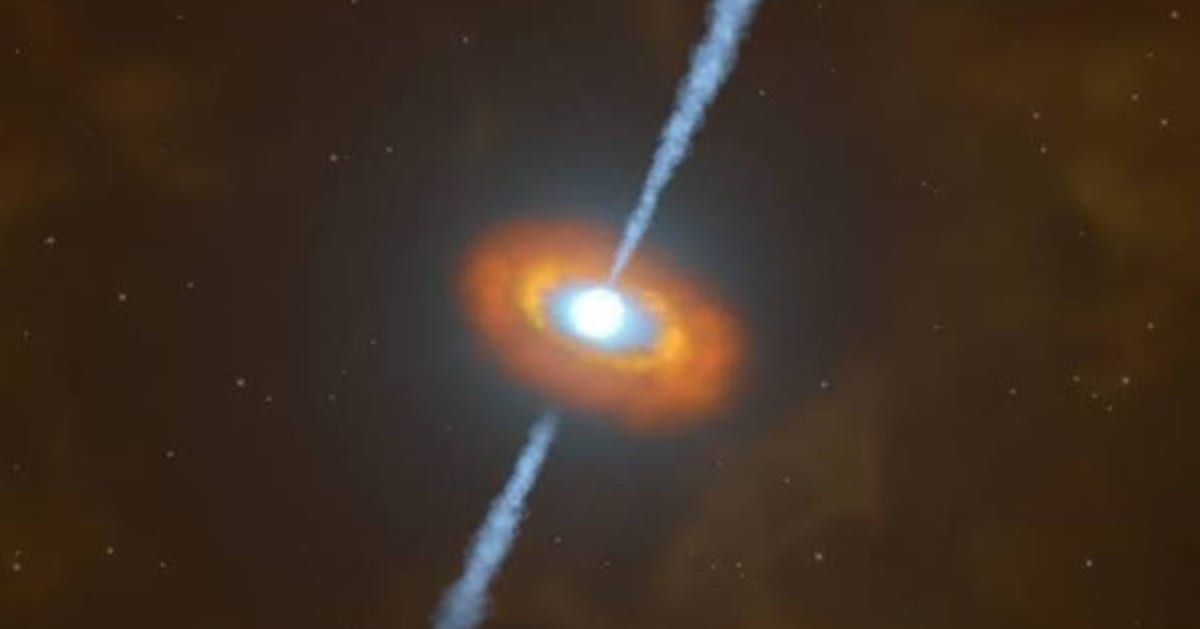
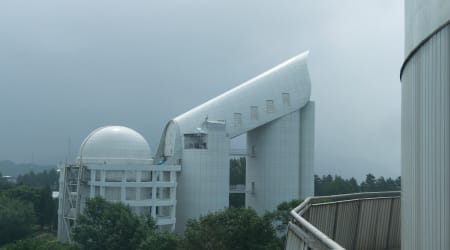
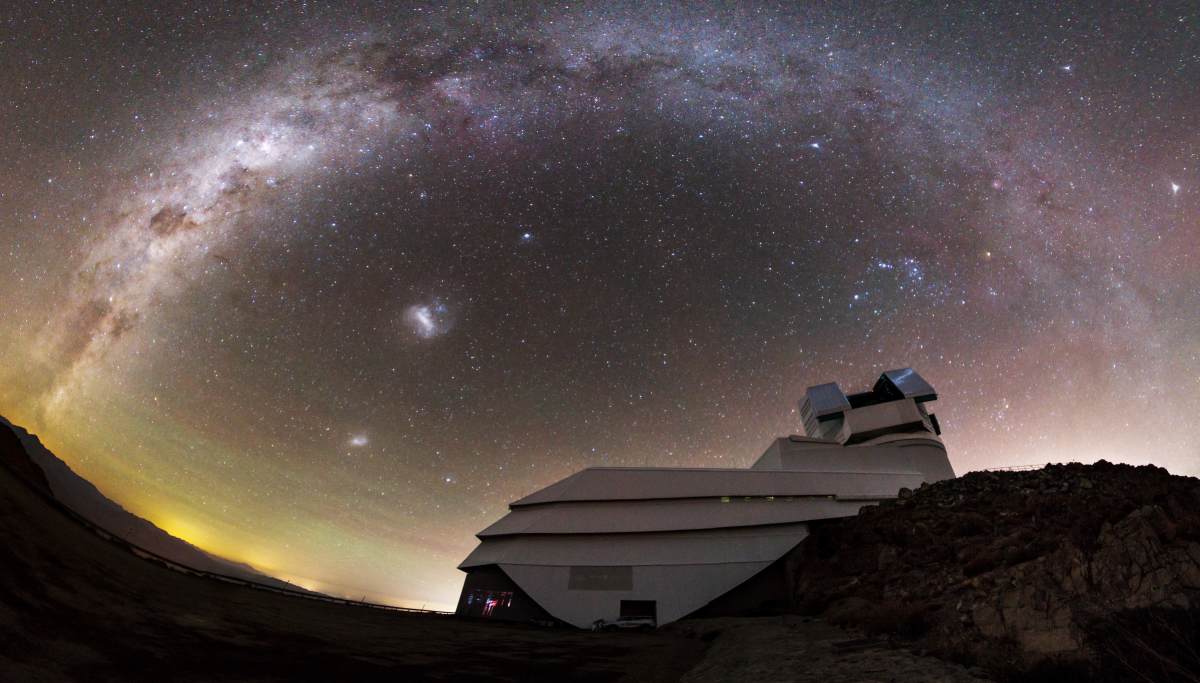
The explosion was classified as a broad-line Type Ic (Ic-BL) supernova. These powerful events are characterized by extremely fast-moving stellar ejecta and are often associated with relativistic jets—highly collimated beams of plasma and energetic particles moving at nearly the speed of light, which can trigger gamma-ray bursts. However, the researchers identified some features that make SN 2026gzf stand out. The early shock breakout was remarkably faint for an Ic-BL supernova. Furthermore, follow-up observations showed no signs of the relativistic jets or gamma-ray bursts typically associated with these types of energetic explosions. So, why were the jets missing? The researchers suggest that the jets were likely ‘choked’—smothered either by the surface of the star itself or by dense circumstellar material surrounding it. To find out what really happened, astronomers probed deeper into the mystery using the Dark Energy Camera (DECam), mounted on the NSF Víctor M. Blanco 4-meter Telescope at Cerro Tololo Inter-American Observatory (CTIO) in Chile.
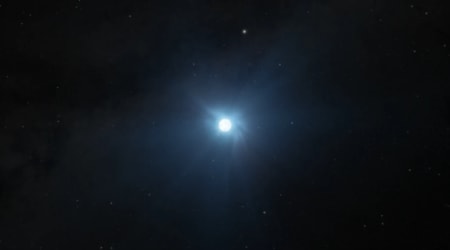
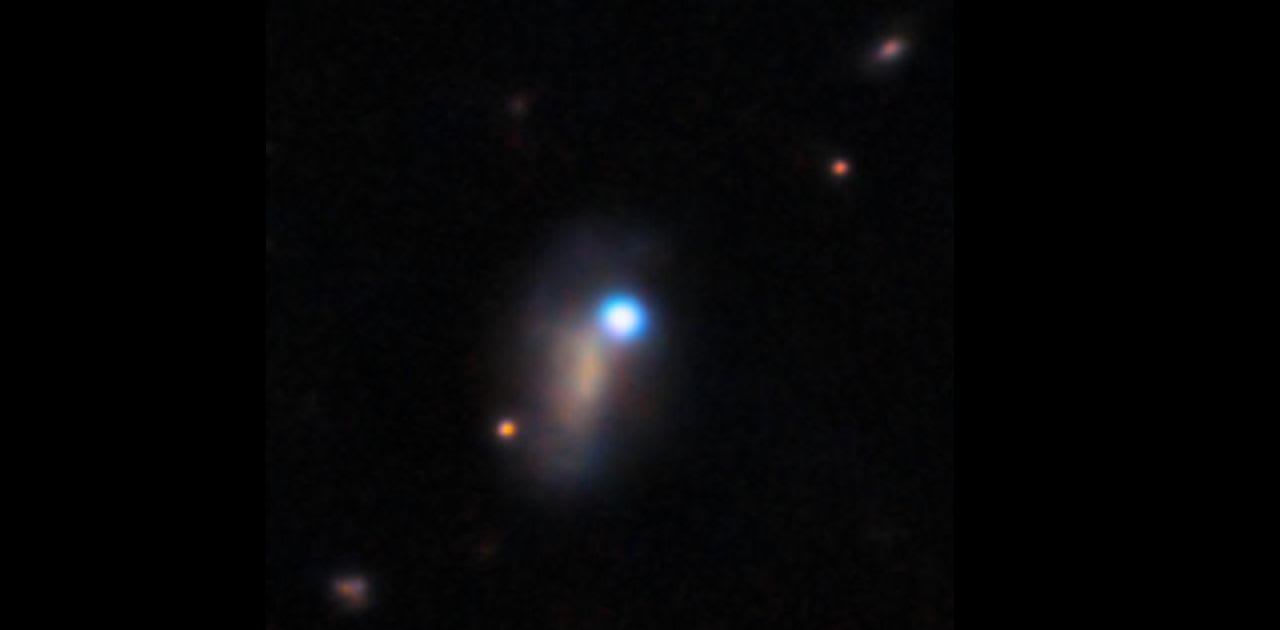
Archival images snapped by DECam ten years ago uncovered a bright blue source at the exact location where the supernova exploded, indicating the presence of a progenitor system. Recent observations by the Vera C. Rubin Observatory confirmed that this progenitor system was still highly active shortly before the explosion. The teams determined that the progenitor was a Wolf-Rayet star—a massive stellar body roughly 20 times heavier than the Sun that exhausted its hydrogen early in life, leaving behind a stripped core of carbon and oxygen. Before its demise, constant, turbulent mass loss created multiple shells of matter around the star. The initial X-ray signal originated from the blast wave hitting a compact shell of low-mass material, whereas a more extended, asymmetrical shell emitted the optical signal of the supernova.

A multi-wavelength follow-up analysis confirmed that SN 2026gzf was indeed an Ic-BL supernova that failed to produce any relativistic jets, preceded by a highly active progenitor system. “Our observations allowed us to study the physics of three pieces of this explosion: the X-ray shock breakout, the accompanying supernova, and the interaction of the supernova with material previously cast out by the dying star,” says Jillian Rastinejad, a NASA Einstein Fellow at the University of Maryland, College Park, in a statement. “With this information, we were able to map out the structure of the material surrounding the star and understand the star’s violent lifestyle before it collapsed.”
More on Starlust:
Astronomers using JWST discover an ancient supernova from the first billion years of the universe