Scientists successfully mapped magnetic fields at Milky Way's heart to unlock how stars form
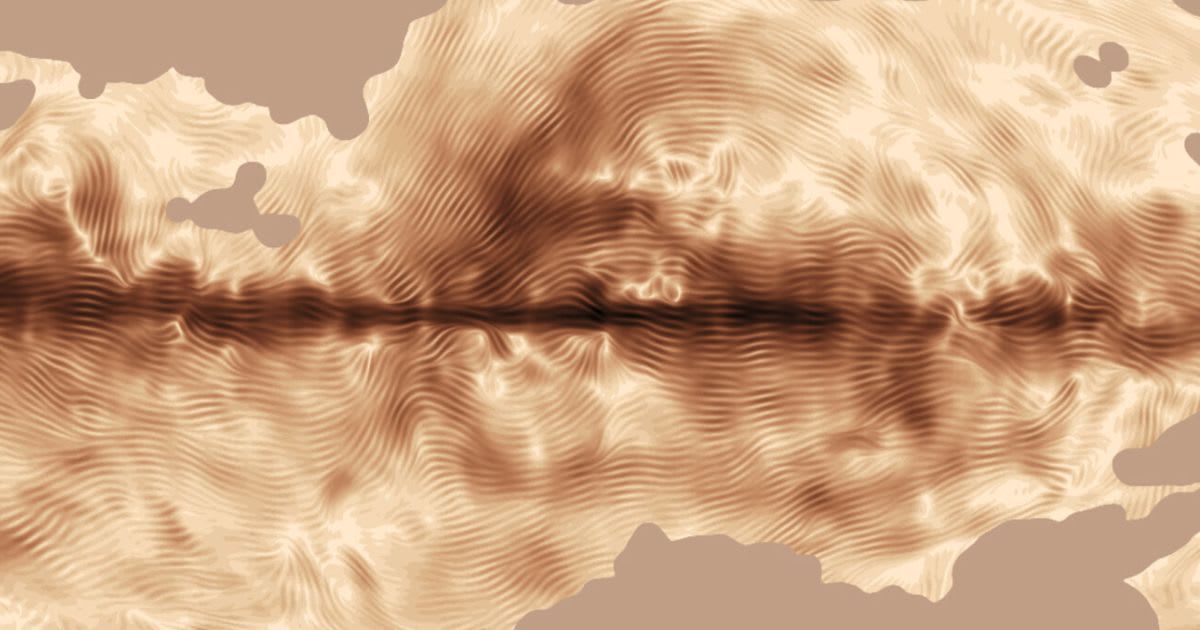
Scientists have successfully created a detailed map of the powerful magnetic fields at the center of the Milky Way, a chaotic and mysterious region where stars are born. This groundbreaking research offers crucial insights into how celestial bodies form and evolve in extreme cosmic environments, according to Universe Today.
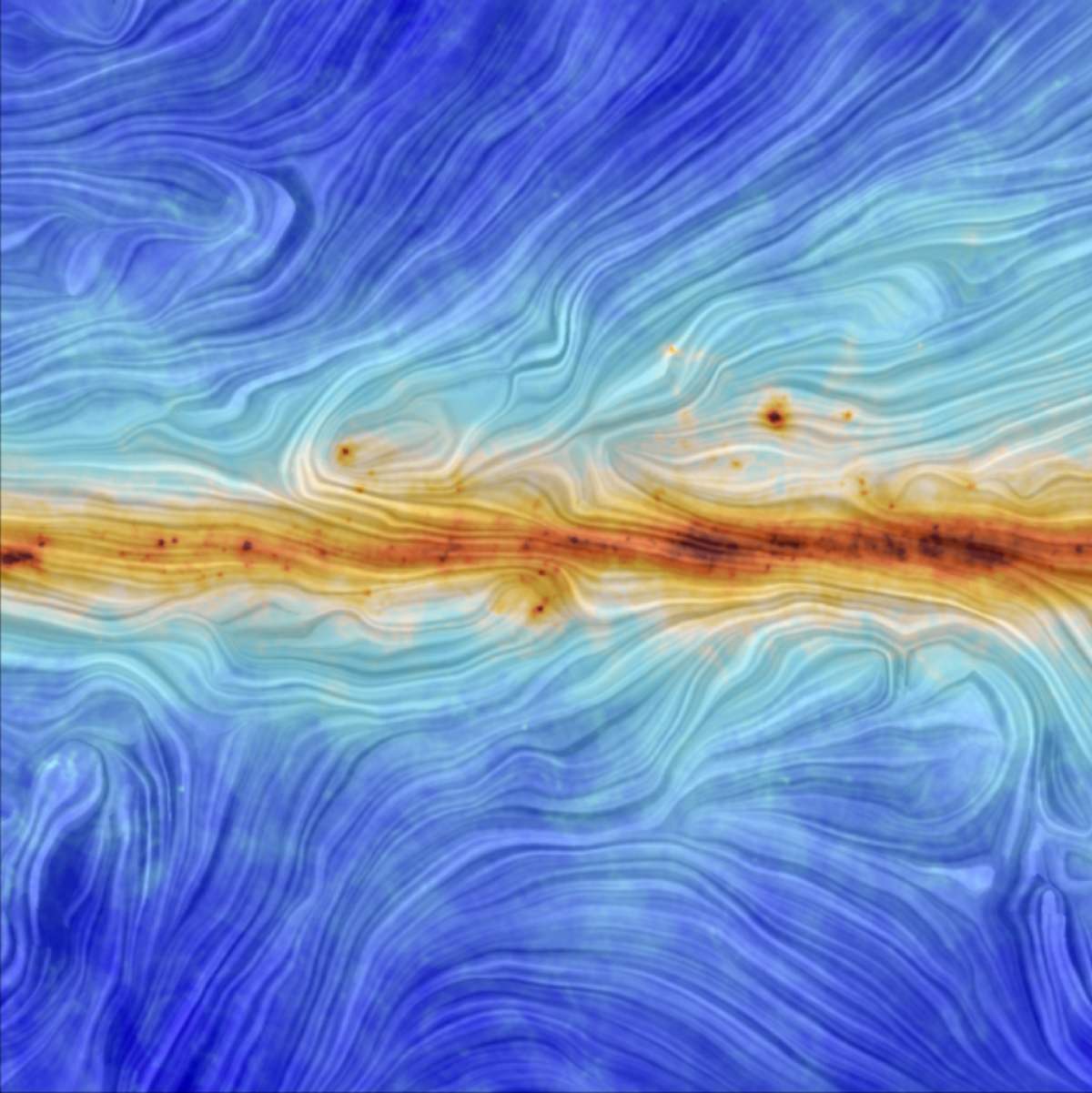
Led by University of Chicago PhD student Roy Zhao, the study focused on a turbulent area called Sagittarius C. Researchers consider this zone an "astrophysical Rosetta Stone" due to its role in helping to understand the complex interplay between dense gas clouds, star formation, and the powerful magnetic fields that shape our galaxy. The team utilized NASA's now-decommissioned SOFIA telescope to study infrared light from tiny dust grains. These particles, which align with magnetic field lines, act as cosmic compasses. By analyzing the polarized light they emit, researchers were able to map the invisible magnetic field for the first time.
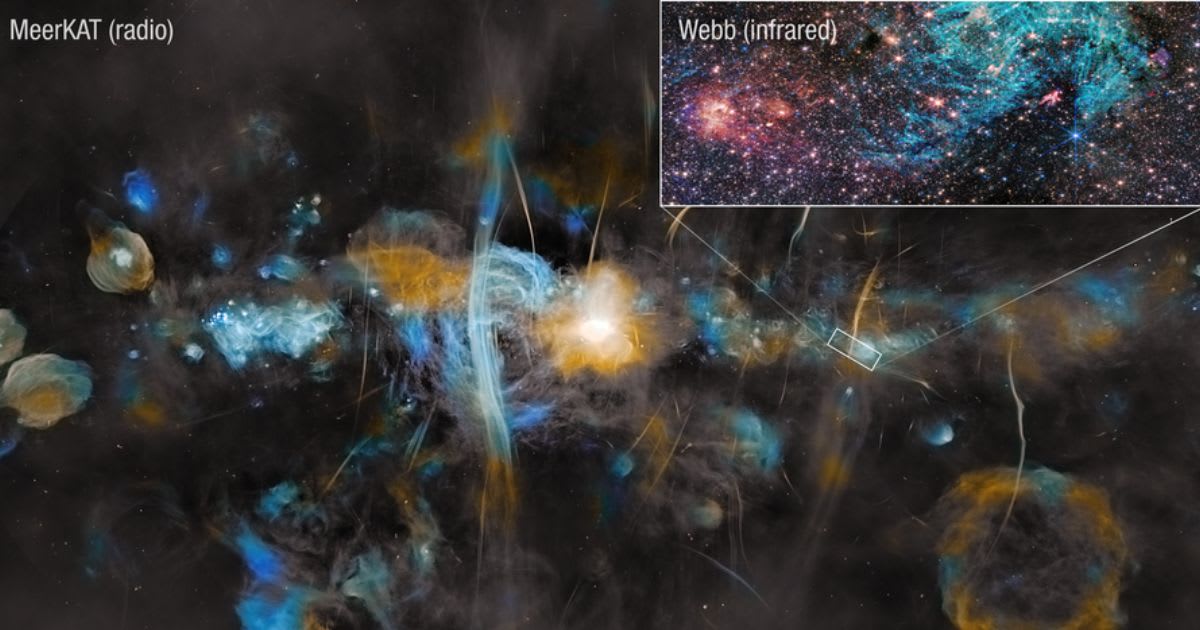
The findings were significant. The magnetic field was found to be wrapping around a bubble of hot, ionized gas, which was created by powerful stellar winds from a cluster of young, massive stars. This bubble's structure helps explain the origin of mysterious high-speed electron streams, known as radio-emitting filaments, that race through space at nearly the speed of light. Discovered in the 1980s by Zhao's advisor, Professor Mark Morris, the source of these filaments had long been a mystery. The new magnetic field data support the theory that these streams are formed when magnetic field lines collide and reconnect, accelerating particles to incredible speeds.
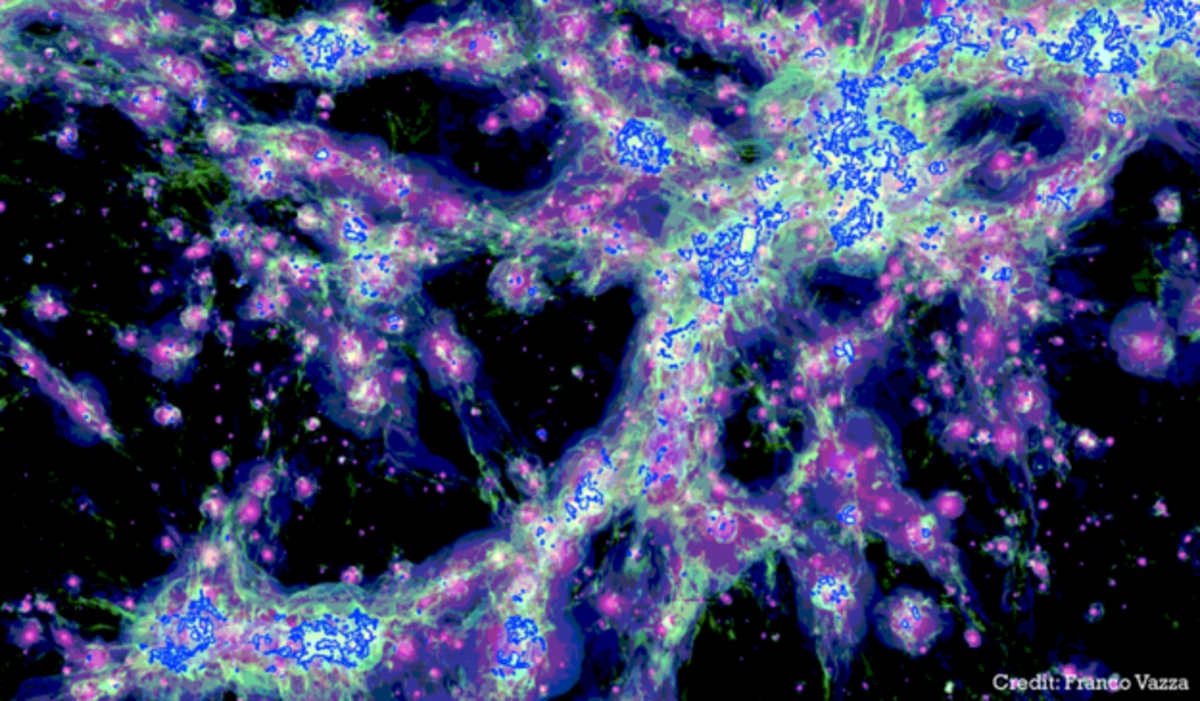
The research also revealed the intricate "cosmic ballet" between different components of our galaxy, cold gas clouds, hot ionized regions, and powerful magnetic fields, all influencing each other to determine the fate of matter at the galactic center. Additionally, this study showed how observations from different astronomical surveys can tell a consistent story. The boundaries of the mapped magnetic field perfectly aligned with previous observations of ionized carbon emissions. The team also pinpointed a specific Wolf-Rayet star at the heart of the expanding gas bubble. This work helps astronomers understand not only our galaxy but also similar processes occurring throughout the universe. By studying this galactic Rosetta Stone, scientists are decoding the fundamental physics that governs galaxy evolution and star formation in extreme environments.
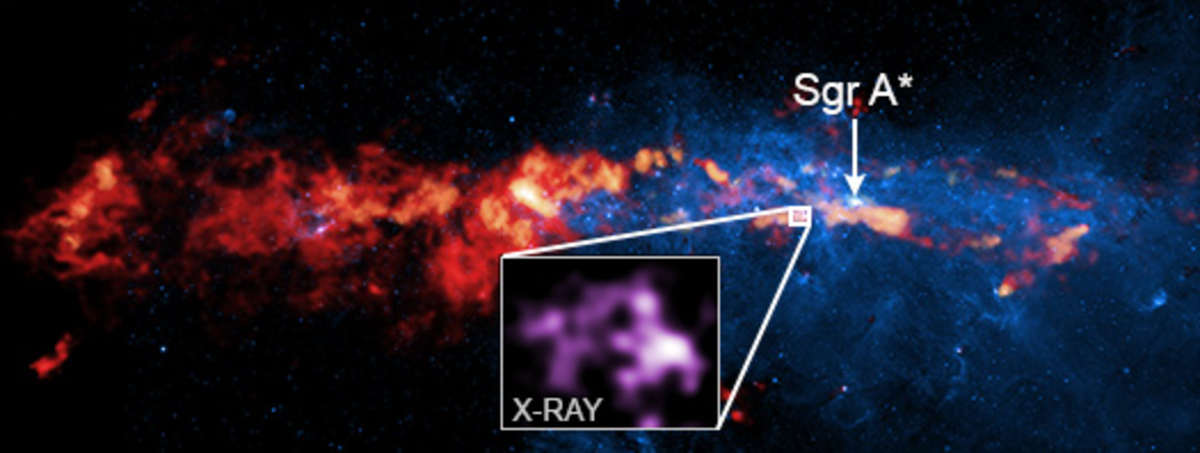
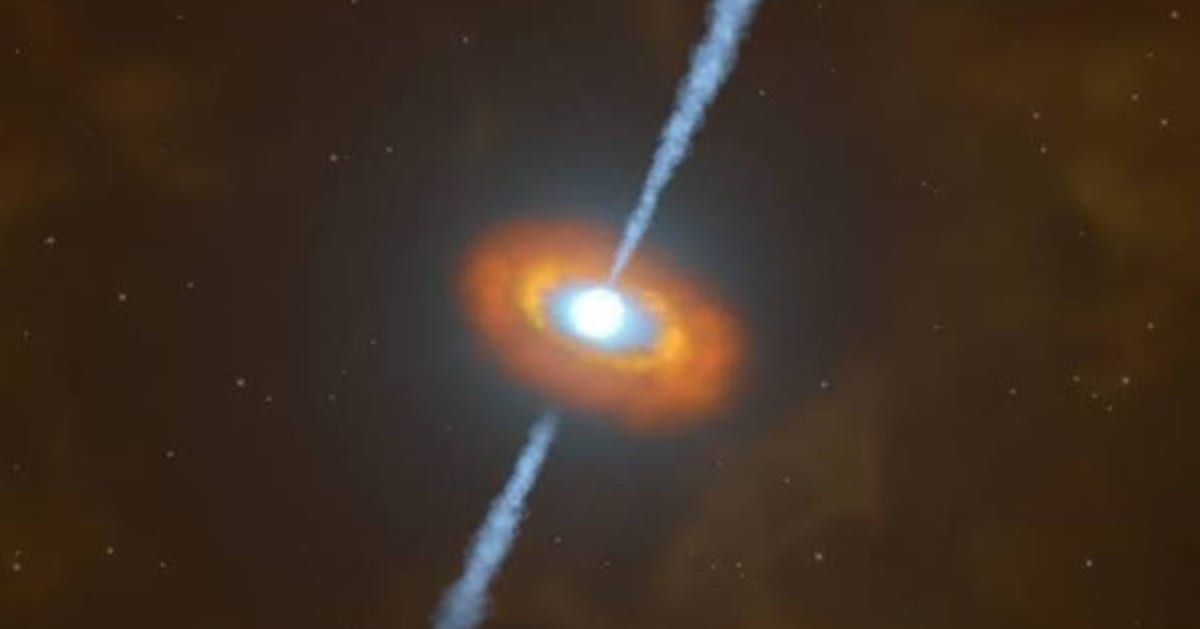
In a related discovery, an international team of astronomers, led by researchers from the Indian Institute of Space Science and Technology (IIST) and the Indian Institute of Science (IISc), has detected a rare radio signal from a massive, forming star. This finding provides fresh clues about the fundamental forces shaping our universe. For the first time, scientists observed circularly polarized radio waves emanating from a massive protostar named IRAS 18162-2048. Previously, this phenomenon had only been recorded near black holes and low-mass protostars, establishing a new connection between vastly different cosmic environments, as per the National Radio Astronomy Observatory.
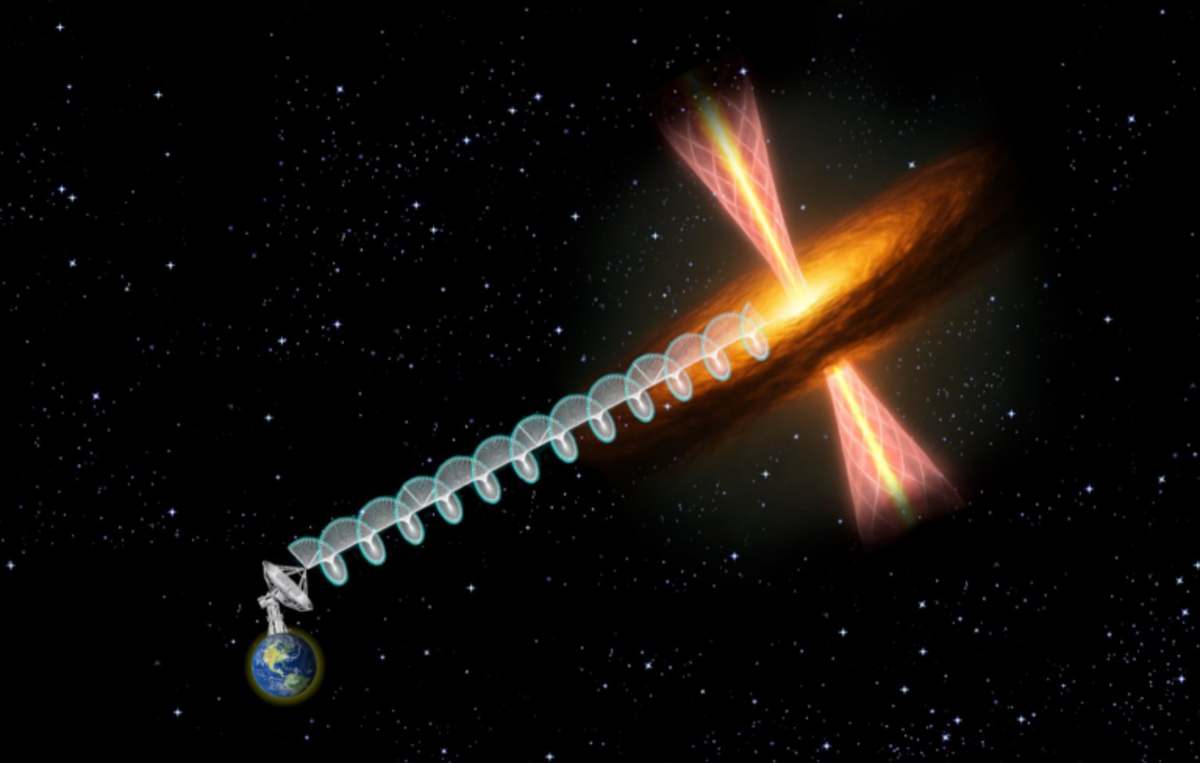
Using the NSF Very Large Array (VLA), astronomers measured the magnetic field strength near the star at an astonishing 20-35 Gauss, which is roughly 100 times stronger than Earth's magnetic field. This is the first direct measurement of magnetic field strength in such an extreme environment. This discovery supports a long-standing theory that the powerful jets of matter launched from various celestial objects, from low-mass stars to supermassive black holes, are all powered by the same underlying mechanisms.