NASA scientist discusses Artemis III's key science objective: 'Dress rehearsal for bringing back Moon samples'
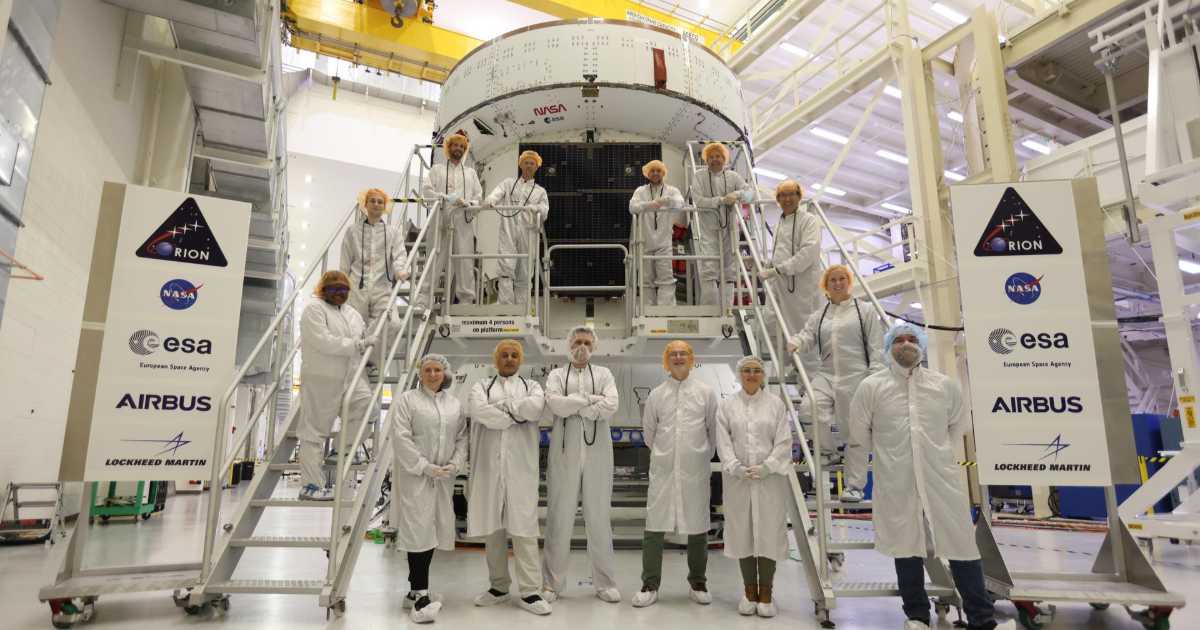
Unlike its predecessors, the Artemis III mission scheduled for next year won't be traveling all the way to the Moon. But that does not mean it won't be contributing to lunar science. In an interview with Wired en Español, Dr. Barbara Cohen, who's a planetary scientist at NASA's Goddard Space Flight Center and the Project Scientist for the Artemis IV Project, explained the science priorities of the mission, providing insight into some of the measures NASA intends to take to set up astronauts for making the most of their time on the Moon on future Artemis missions.

When asked about the science goals of the program, Dr. Cohen stated, "The Artemis missions, just to be clear, are not science missions. They’re exploration for a lot of different reasons. We do that for technology development. We do that for inspiration." Despite that, she added, NASA tries to extract as much science as is realistically possible.

"One of the things on Artemis III we're doing is like a dress rehearsal for bringing samples back from the Moon," said Dr. Cohen. "When we land on the Moon and start to bring samples back, those samples change as soon as you take them out of their natural environment. We try to make sure that they change as little as possible, but they are going to change," she explained. In order to understand the nature and extent of these changes, scientists will use quarter- or nickel-sized pieces of aluminum foil, Teflon, or ceramic as a proxy for samples from the Moon, which will be exposed to the cabin environment during the flight. Dr. Nicky Fox, who's the Associate Administrator of NASA's Science Mission Directorate, mentioned this experiment during the Artemis III crew announcement in June while also explaining how the mission will study the impact of space weather on the Orion capsule to reduce the risk for future Artemis astronauts.
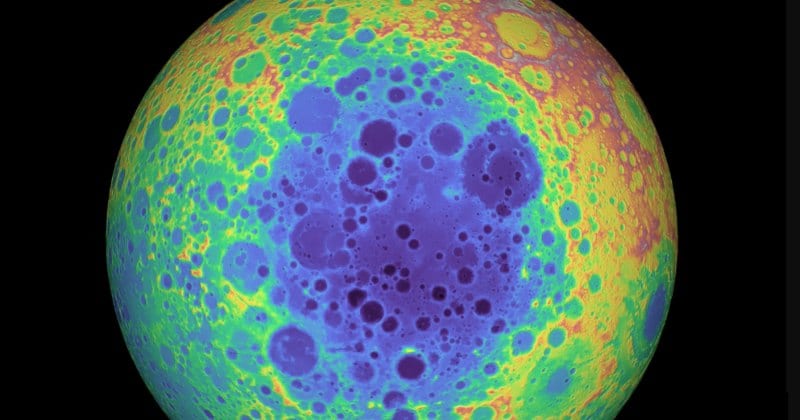
As for when astronauts return to the Moon, Dr. Cohen would like them to bring back samples from the South Pole-Aitken Basin, a crater that is on the lunar far side but intersects the South Pole of the Moon, where NASA plans to land. Learning about this region, alongside other craters on the Moon, is expected to yield insights into the violent history of our solar system, the Earth, and how life started on this planet.
During a live event on October 23, 2026, NASA shared the Artemis IV concept of operations and development milestones for SpaceX’s Starship and Blue Origin’s Blue Moon Mark 2 lander. (Image Credit: NASA) https://t.co/tsnvaxuzio
— Starlust (@starlustorg) October 24, 2026
While Artemis III will help pave the way for the aforementioned science goals, the mission's primary goal is to validate key spacecraft hardware in low-Earth orbit before humans make their long-awaited return to the Moon with Artemis IV. In a way, the mission is analogous to Apollo 9 that preceded the landmark Apollo 11 mission, which saw Neil Armstrong become the first human to set foot on the Moon. The 14-day mission will see the Orion crew capsule launched with a crew of four on top of NASA's Space Launch System (SLS) rocket. Soon after Orion is in orbit, lunar lander test articles from Blue Origin and SpaceX will launch on their respective rockets to rendezvous and dock with the spacecraft. Even though it does not involve a lunar landing, the mission is going to be one of the most ambitious and complex missions NASA has ever undertaken.
More on Starlust
NASA reveals major details on SpaceX and Blue Origin lander plans ahead of Artemis III and IV