NASA safety panel asks agency to re-examine Artemis IV Moon landing plan
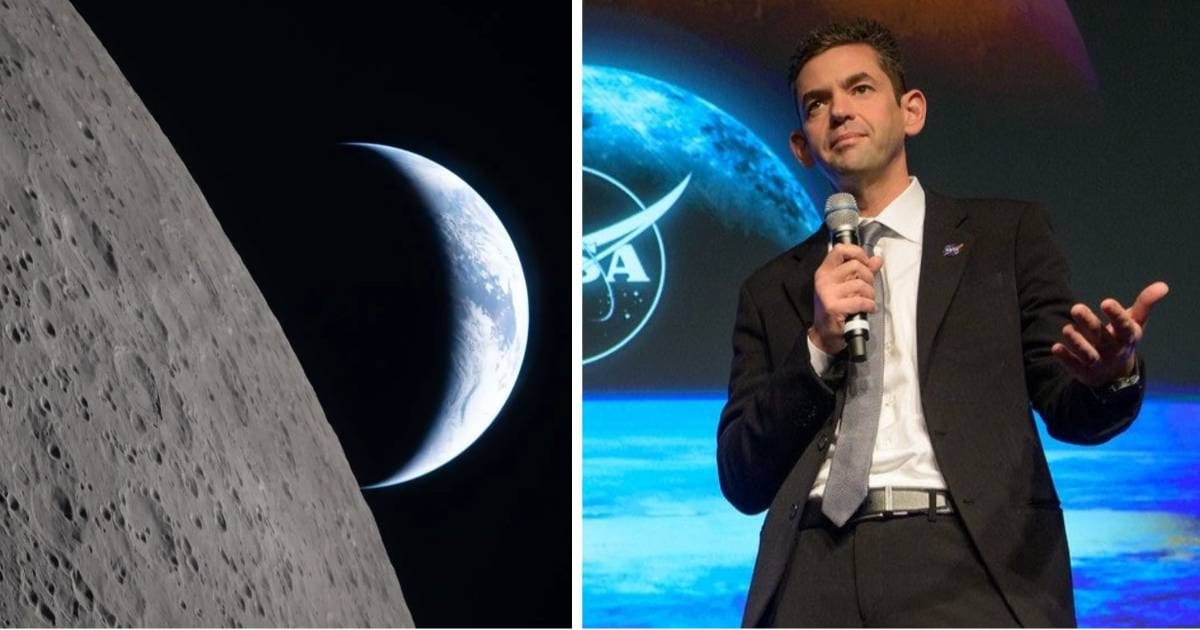
NASA has shared its current plan for Artemis III, which is planned for 2027, along with updates aimed at making the first crewed lunar landing since the Apollo era possible through Artemis IV. According to NASA, Artemis IV remains on track for 2028. However, NASA’s Aerospace Safety Advisory Panel (ASAP) has shared that it will soon open a formal recommendation asking NASA to re-examine its plans for the moon landing mission.
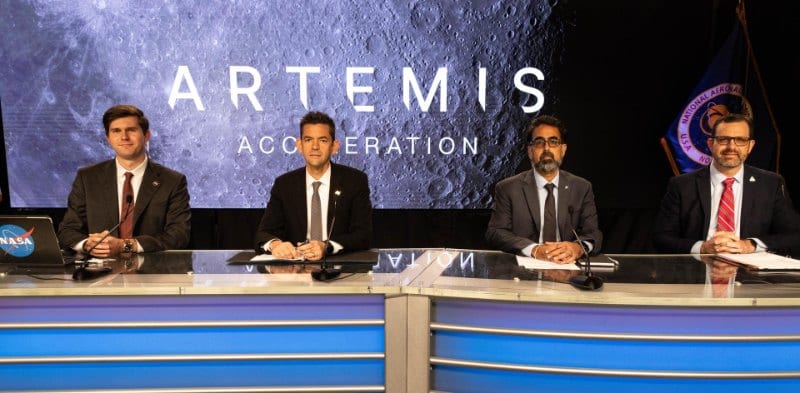
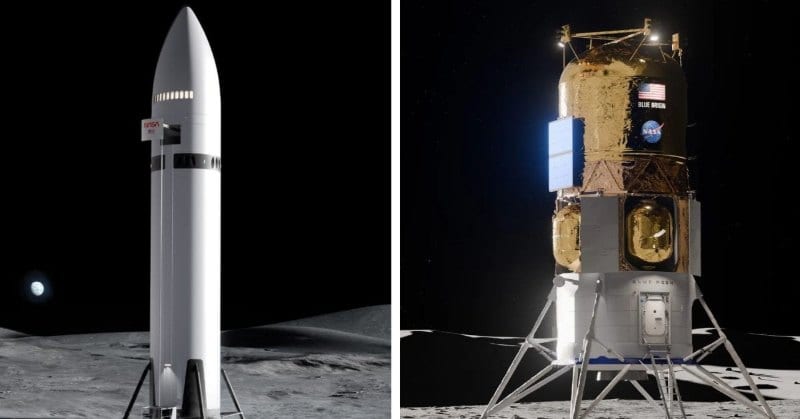
During its fourth-quarter 2026 meeting, the panel praised NASA Administrator Jared Isaacman for several changes at the agency. One such effort included turning Artemis III into an Earth-orbit flight that will practice meeting and docking with test versions of SpaceX’s Starship and Blue Origin’s Blue Moon MK2 landers. Earlier, Artemis III was designed as a crewed lunar landing mission. But Artemis IV is where the concern begins.
During a live event on October 23, 2026, NASA shared the Artemis IV concept of operations and development milestones for SpaceX’s Starship and Blue Origin’s Blue Moon Mark 2 lander. (Image Credit: NASA) https://t.co/tsnvaxuzio
— Starlust (@starlustorg) October 24, 2026
Charlie Precourt, an ASAP panel member and former NASA astronaut, said, “We’re going to recommend that NASA re-examine the mission objectives, potentially the system architecture for Artemis IV and the subsequent missions, to establish a more balanced approach to risk, prioritize the objectives-driven planning, and maintain a consistent cadence of flight missions.”
Blue Origin's amazing preparation for Artemis III and IV! As NASA unveiled a slew of updates on the Artemis III and Artemis IV missions on October 23, it also gave us a sneak peek into Blue Origin’s progress on its Blue Moon lander. Video courtesy: Blue Origin/NASA https://t.co/EQAKjORTu4
— Starlust (@starlustorg) October 23, 2026
The fuel challenge behind NASA’s next Moon landing
Both of the landers are completely new designs, and they need refueling in space to shuttle astronauts between lunar orbit and the surface. That requires a fuel depot where cryogenic propellant can be stored and topped up as it boils off. As of now, no such depot exists. Additionally, transferring cryogenic fuel in space has never been done before.
SpaceX targets early 2027 for Starship fuel transfer demo
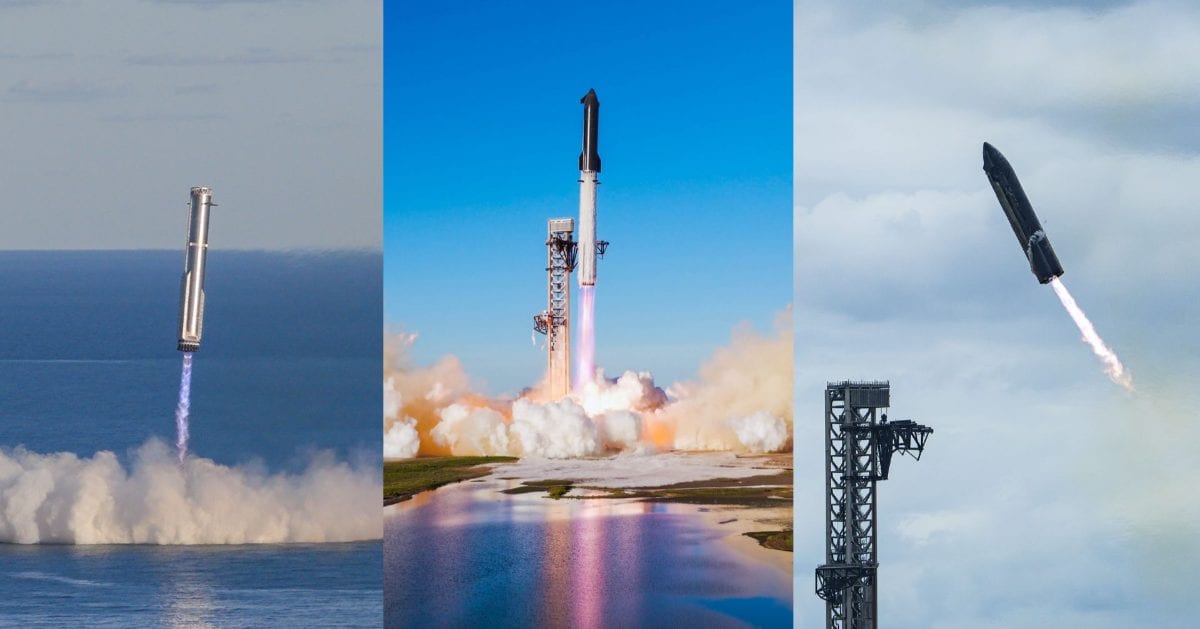
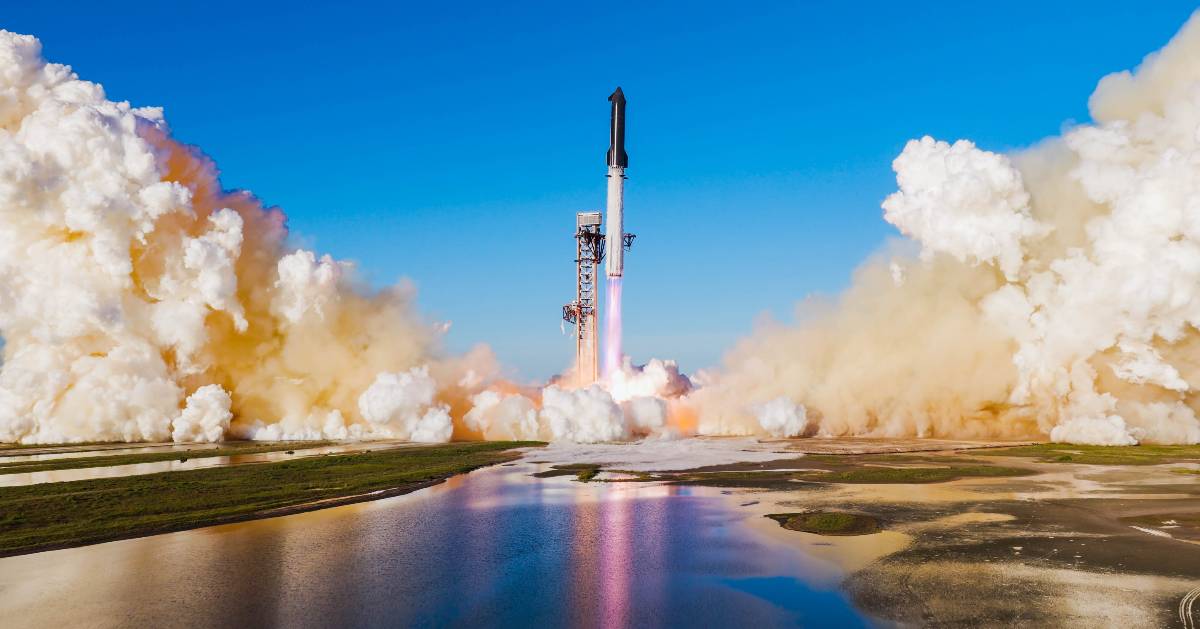
During the National Academies’ Space Studies Board meeting, NASA’s deputy associate administrator for human exploration Kelvin Manning shared that SpaceX is targeting early 2027 for its first cryogenic propellant transfer demonstration. Additionally, NASA has shared that one Starship will be launched from Starbase, Texas, and the other from Kennedy Space Center. This announcement was made during a live event on October 23, 2026. The panel had been told 22 launches would be needed to supply enough propellant. But Elon Musk corrected this on X and said that it would be 6 to 8.
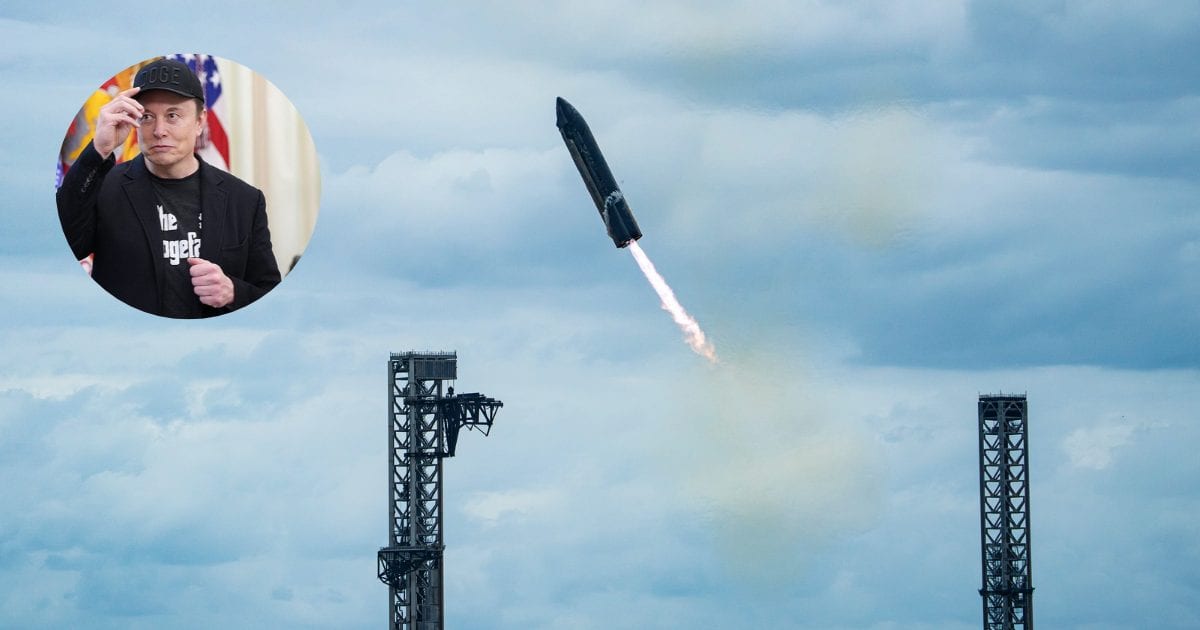
@SciGuySpace That’s way too high. Actual number will be more like 6 to 8.
— Elon Musk (@elonmusk) October 22, 2026
On top of that, NASA's plan includes a single uncrewed landing test, which will be followed by an engine restart. Manning also shared that the uncrewed landing test is expected to take place in late 2027. The test will not require the lander to take off from the lunar surface and return to orbit. The available options for aborting the mission will also be more limited this time.
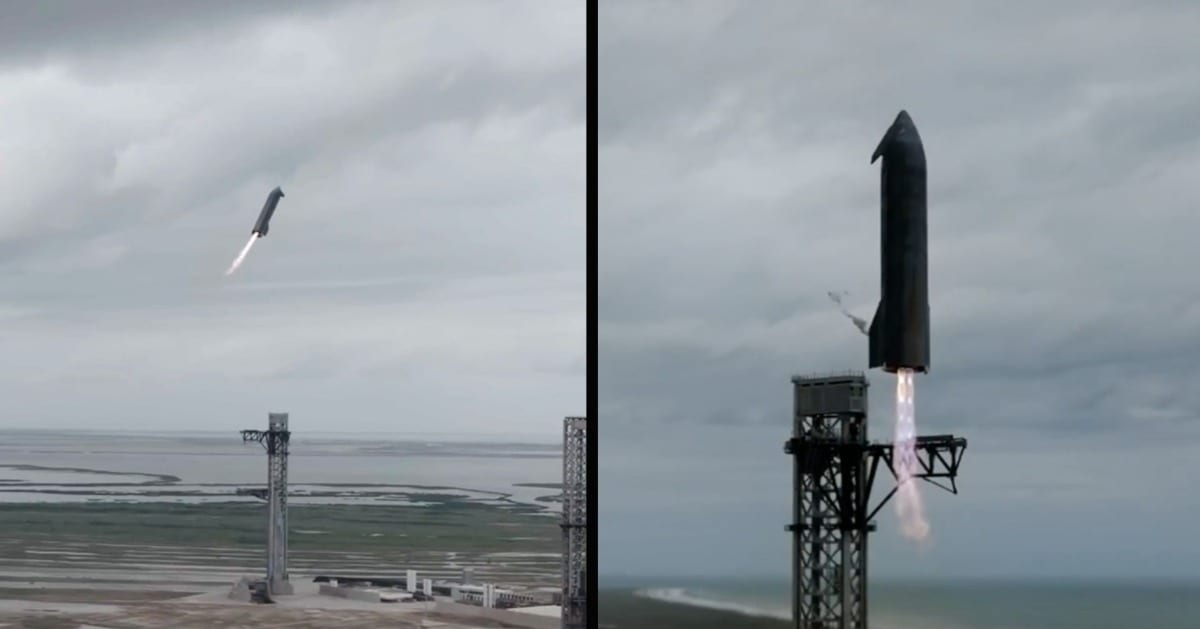
SpaceX targets early 2027 for first Starship orbital fuel transfer demonstration. NASA confirmed the update while outlining progress on Artemis III and IV on Oct. 23. One Starship will launch from Starbase, Texas and the other from Kennedy Space Center. Video credit: SpaceX/NASA https://t.co/FjnTPVIwhg
— Starlust (@starlustorg) October 23, 2026
The race to replace the ISS is getting tighter
ASAP’s second concern is low Earth orbit (LEO). As NASA prepares to deorbit the ISS in 2030, it is turning to private companies to develop the next generation of space stations. The agency plans to use these commercial facilities alongside other customers. But the development of these stations is taking longer than expected. NASA has only released the final Request for Proposals just two weeks ago.
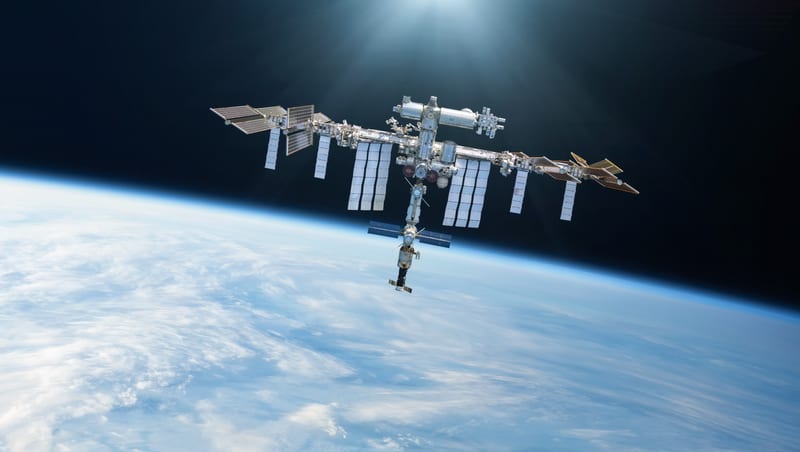
According to Paul Hill, an ASAP member, the first round of development awards won’t go out until fall 2027. Due to this, a commercial station is unlikely to be ready even if ISS’s life is extended to 2032. He said, “The panel encourages NASA and their congressional and executive stakeholders to assess the LEO system development and acquisition strategies and ensure they are also aligned with enhancing NASA’s ability to succeed in their difficult missions.”