Starship vs Blue Moon: NASA's plan for two landers flying on Artemis IV has some major changes
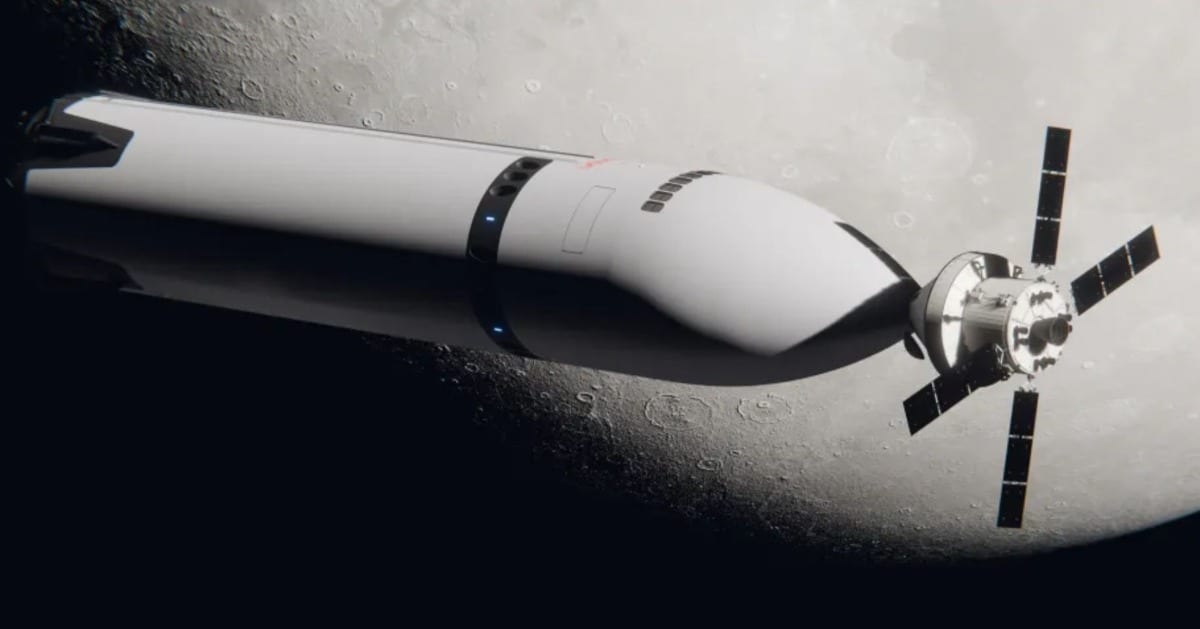
NASA has released an updated plan by SpaceX and Blue Origin to increase their chances of taking humans to the Moon. During an October 23 press conference, top agency officials shared that the two private landers Starship by SpaceX and Blue Origin’s Blue Moon Mark 2 will use different operational methods during the Artemis IV Moon landing mission targeted for 2028.
To prepare for NASA’s Artemis IV mission to land astronauts on the lunar surface, SpaceX and Blue Origin have updated their concepts of operations for its landers. These landers — Starship and Blue Moon — have concepts of operations different from one another. More below ⬇️ https://t.co/Aa2zQxXXjx
— NASA Artemis (@NASAArtemis) October 23, 2026
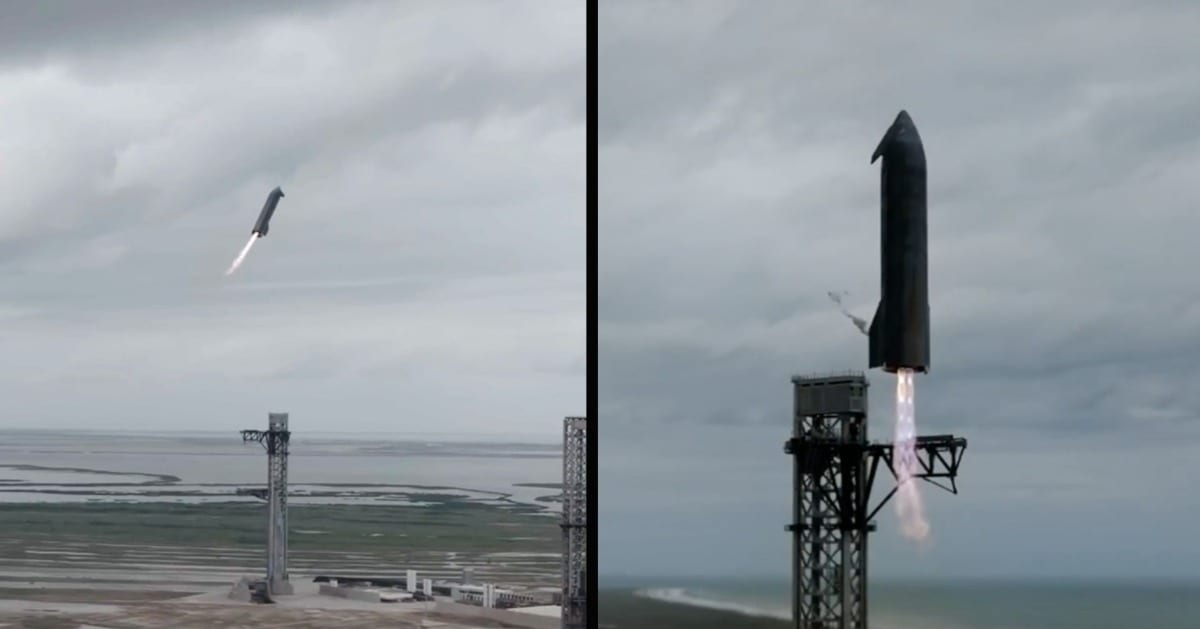
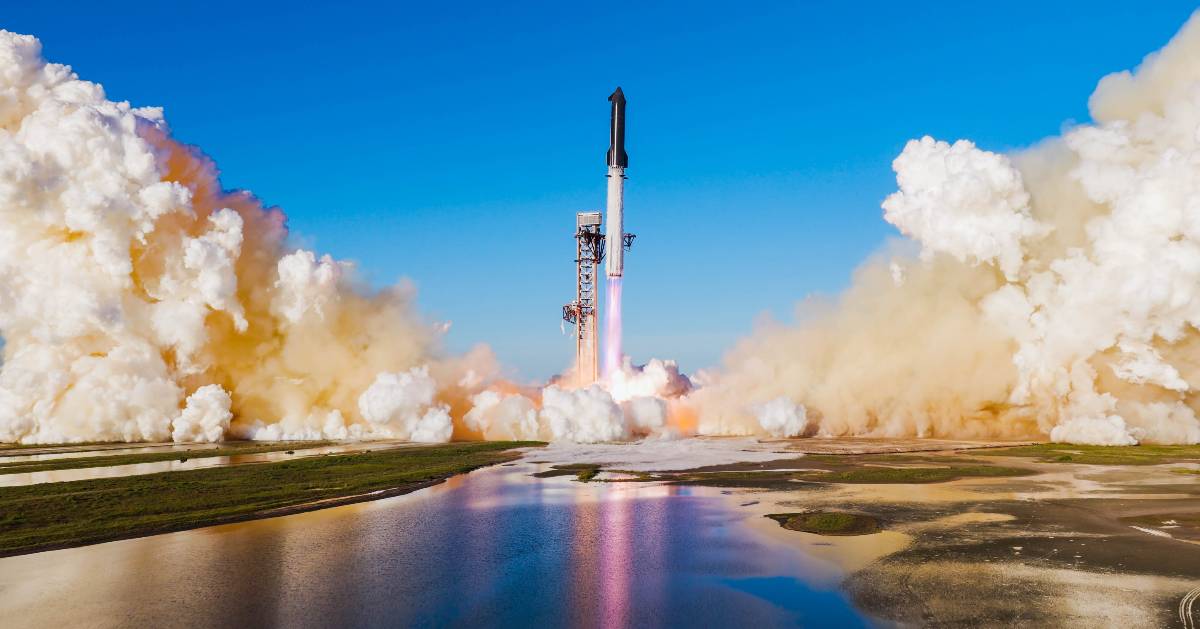
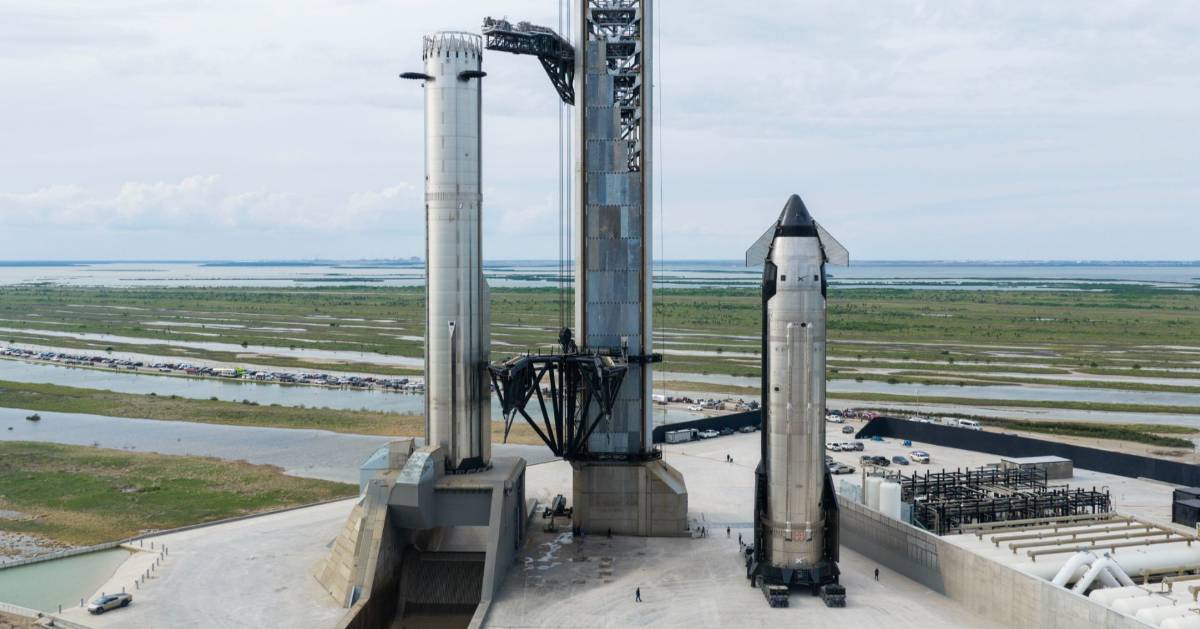
According to the new plan, Starship will dock with the Orion spacecraft carrying four astronauts in low-Earth orbit and then push it to the lunar orbit. Before docking, NASA says, Starship will conduct a series of on-orbit propellant transfer from tankers that will ensure it has enough fuel for a lunar journey. When the transfer is complete, the two will dock and Starship will perform a trans-lunar injection burn to set course for the Moon. The propellant transfer is an important milestone that SpaceX needs to achieve with Starship. This approach will be demonstrated in low-Earth orbit during uncrewed missions in the following months. Once the two spacecraft reach the Moon in an integrated configuration, two of the four astronauts will transfer to Starship that will take them to the lunar surface and back.
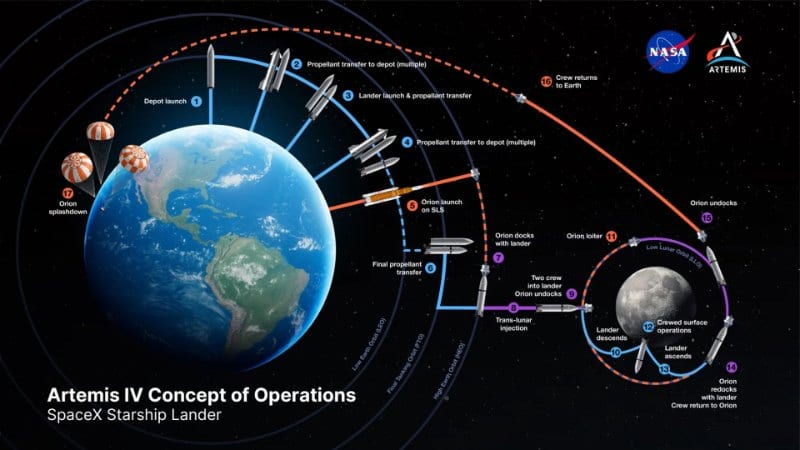
A major change in the mission architecture is tweaking lander operations—they will no longer rendezvous with Orion in a near-rectilinear halo orbit around the Moon and instead use a low lunar orbit. “This new concept of operations using low lunar orbit will significantly lower the amount of propellant Starship needs to aggregate in space while reducing the amount of time it can take for astronauts leaving the Moon’s surface in Starship to link back up with Orion,” NASA said in a statement.
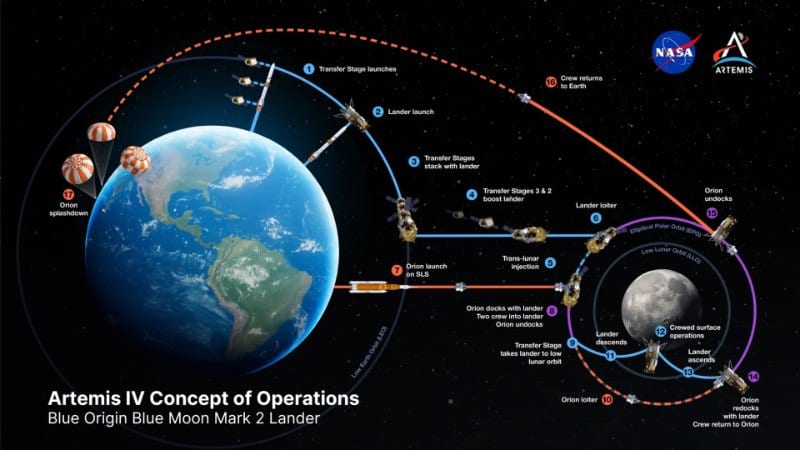
The Blue Moon lander on the other hand has a totally different approach to the Artemis IV mission. First Blue Origin’s New Glenn rocket will launch three transfer stages into low-Earth orbit followed by the Mark 2 lander. These stages act like a multi-stage rocket that will dock with the lander and separate as they deplete their propellant on their lunar journey. They will help the lander reach an elliptical polar orbit around the Moon where it will dock with Orion. After docking, the astronauts will transfer to the lander and perform a touchdown on the Moon.

Both SpaceX and Blue Origin are required to perform an uncrewed demonstration mission with their landers to earn a certification for crewed operations. However, the timely delivery of the landers will decide which one gets to land astronauts on the Moon. NASA says that it has planned a couple of approximately two-hour long lunar surface Moonwalks during initial surface missions. During these Moonwalks, the astronauts will collect lunar regolith and test the spacesuits being developed by Axiom Space. It’s possible that we might see a second Moon landing during Artemis V in 2028, details of which are yet to be revealed.
More on Starlust
Artemis II Pilot Victor Glover reveals tense moment when crew received 'cabin leak' warning in space
Report says NASA’s future Moon missions should target these 4 sites—and they are not in South Pole