SpaceX's Starship Flight 12 delayed yet again—here's when it's supposed to launch now
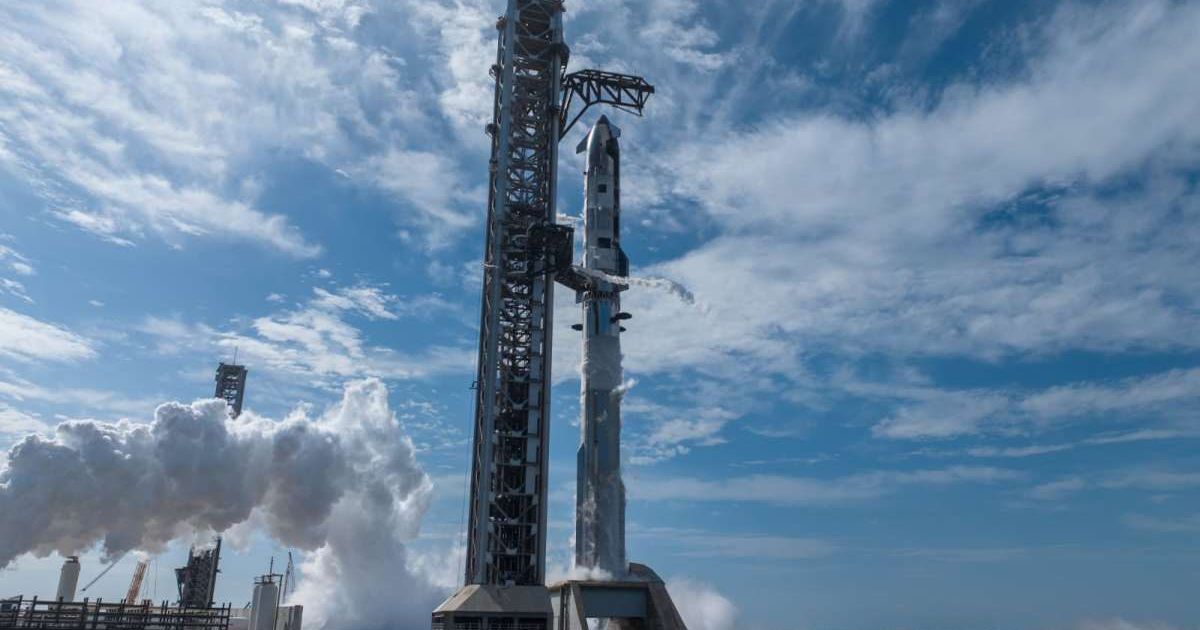
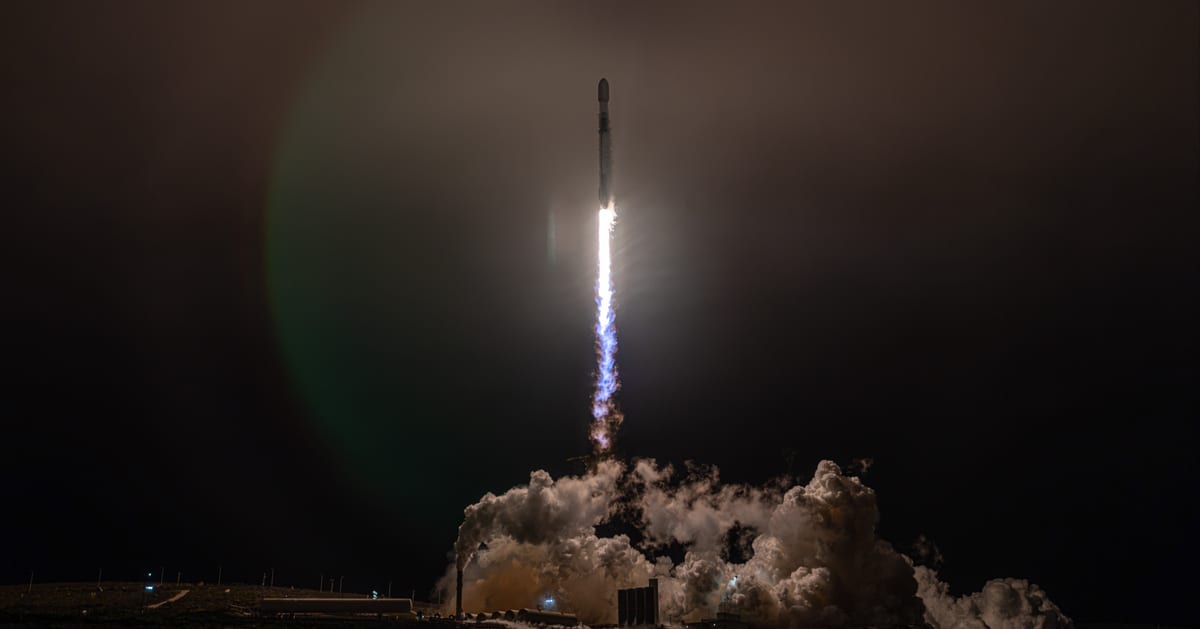
The wait doesn't seem to come to an end. First, the debut of the massive Starship Version 3 (V3) rocket was pushed back from Tuesday, May 19, 2026, to Wednesday, May 20. And now, just hours ago, SpaceX announced that Flight 12 won't be taking place on Wednesday either but instead on Thursday, May 21, with the 90-minute launch window opening at 6:30 p.m. EDT. The last time a fully stacked Starship took to the skies was in October 2025.
Now targeting launch as early as Thursday, May 21 → https://t.co/2gZQUxS6mm
— SpaceX (@SpaceX) May 19, 2026
SpaceX CEO Elon Musk had indicated on social media this past January that Flight 12 would take off by early March. However, when March actually came around, he said that the launch was four weeks away. The update in April, as is evident, was not any different. As for the reasons behind the delays, including the latest ones, neither Musk nor SpaceX has given a public explanation thus far.
First 33-engine static fire for Super Heavy V3 pic.twitter.com/m3swZHF7iQ
— SpaceX (@SpaceX) April 16, 2026
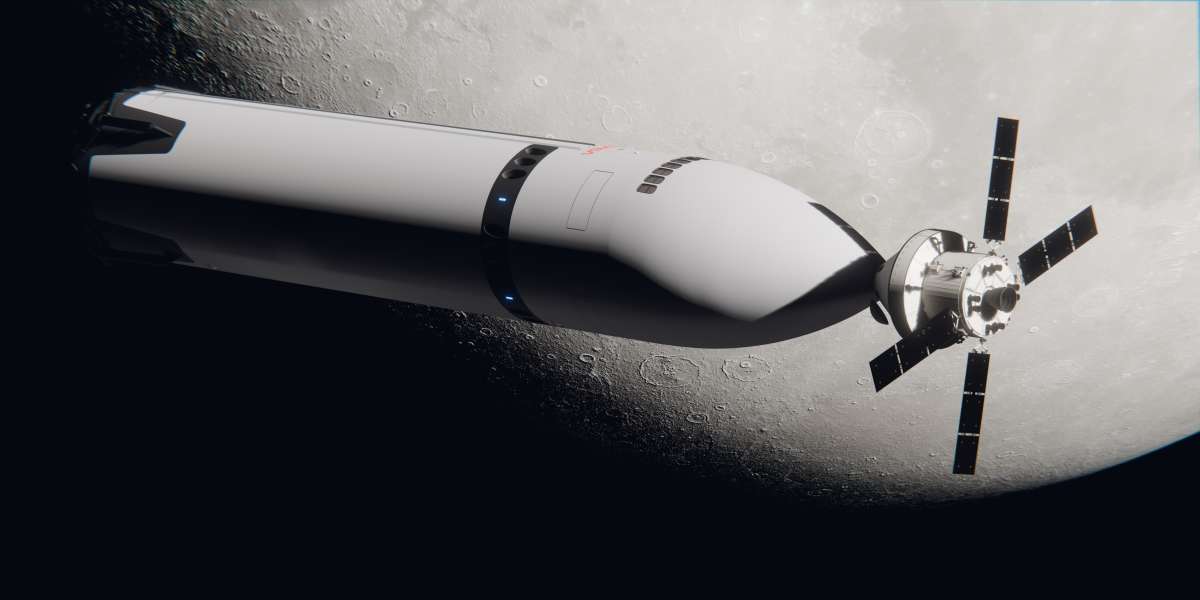
The delays are especially concerning given how SpaceX intends to use Starship's Version 3 as a lunar lander for the Artemis IV mission, currently scheduled for 2028. Moreover, landers from both SpaceX and Blue Origin are expected to test their docking capabilities with the Orion spacecraft in low-Earth orbit next year as part of the redesigned Artemis III mission. Therefore, any delays in Starship V3's operational readiness could directly impact NASA's revised timeline.

As far as SpaceX's goals for Flight 12 are concerned, the company said, "The booster’s primary test objective will be executing a successful launch, ascent, stage separation, boostback burn, and landing burn at an offshore landing point in the Gulf of America." SpaceX will not be attempting to catch the Super Heavy vehicle this time, given that this is the maiden flight of the upgraded V3 architecture.
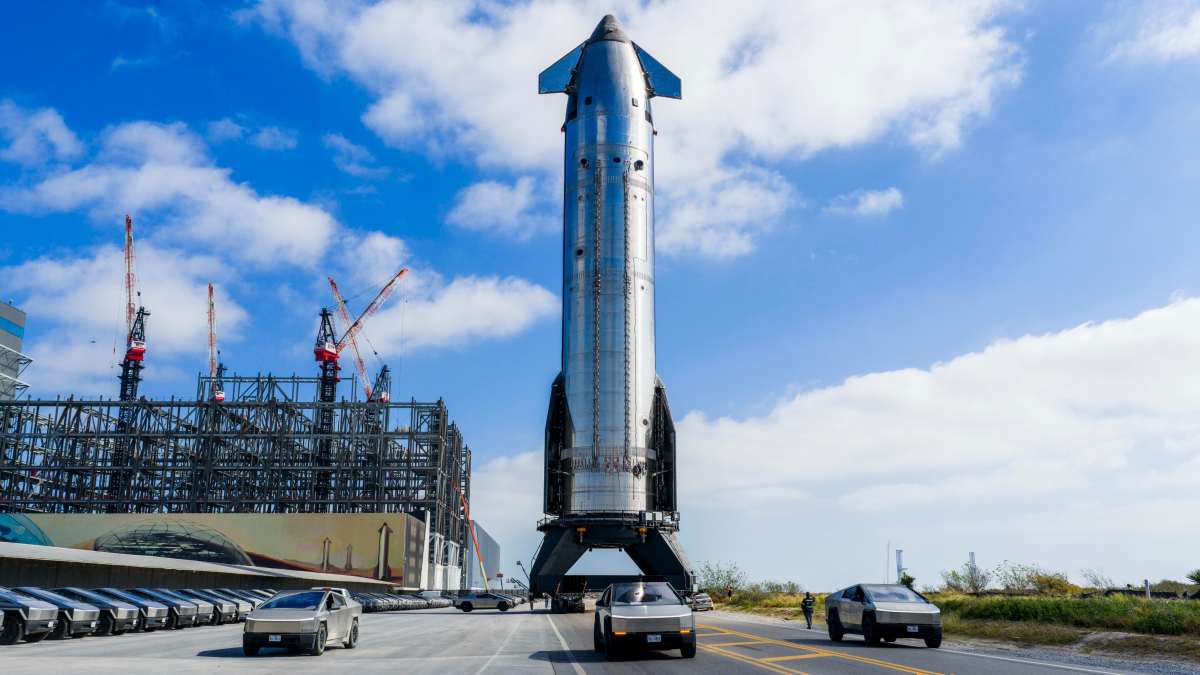
The Starship upper stage, meanwhile, will deploy 20 Starlink simulators and two modified Starlink satellites as part of its in-space objectives. Besides testing hardware planned for Starlink V3, the two modified satellites will try to image Starship’s heat shield and send the visuals down to Earth to allow analyses of its thermal protection system's readiness to survive the extreme temperatures of atmospheric re-entry. The company also noted that several heat shield tiles have been painted white to serve as high-contrast imaging targets and simulate missing tiles, while one tile has been intentionally removed so that the aerodynamic load difference on adjacent tiles can be studied.
Those interested can follow the flight test live on the webcast on SpaceX's X handle that will begin around 45 minutes before launch. However, as is usual with complex spaceflight operations, the launch date is still pretty much subject to change.