Chinese scientists push for resource extraction on the Moon within four years, full-scale mining by 2050
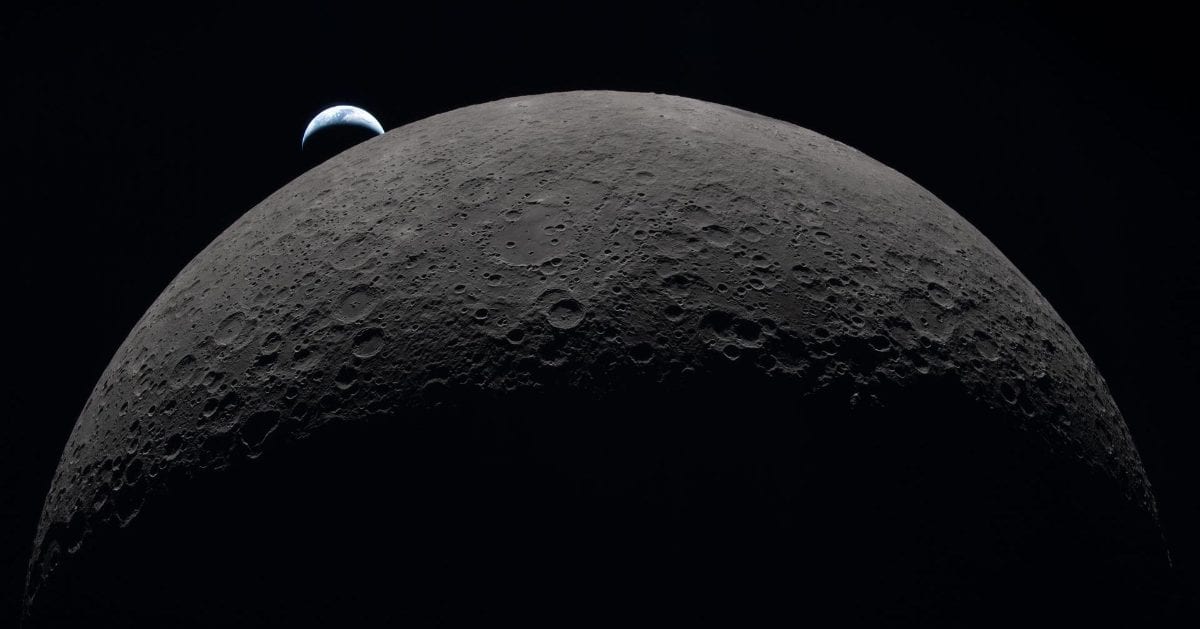
Chinese scientists are reportedly pushing for initiatives to extract lunar resources such as water-ice and oxygen by the end of this decade and eventually develop capabilities to carry out full-scale mining on the Moon. According to the South China Morning Post, a new paper soon to be published in the Journal of Deep Space Exploration has presented a road map for “extraterrestrial resource development and utilization” and calls for China to devise a long-term plan in order to gain an edge in the lunar race.
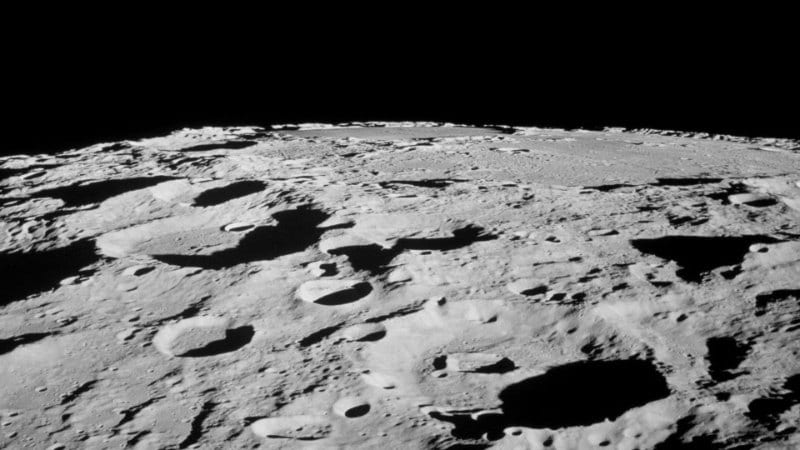
The paper reportedly states that China must prove a technology to extract ice or produce oxygen from the lunar regolith by 2030, build a demonstration plant to produce water, oxygen and building materials by 2040, and then proceed to mining by 2050. Interestingly, they want the process to begin during the robotic Chang’e missions or the crewed landing which China wants to accomplish before 2030. One of those robotic missions—Chang’e-7 was supposed to launch this August but it has been delayed until 2027.
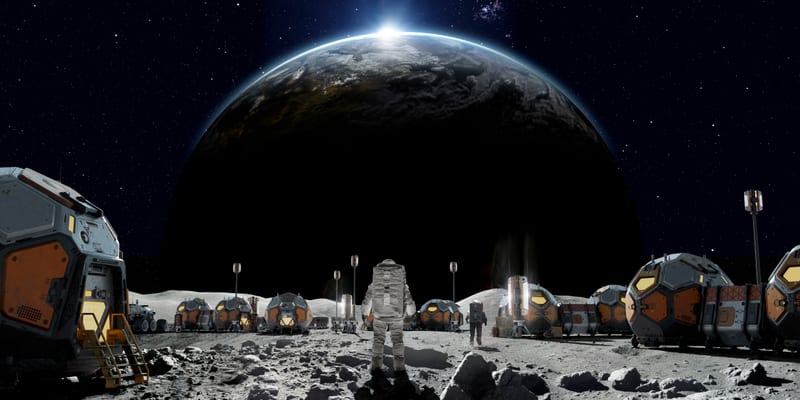
A crucial part of building infrastructure on the Moon is in-situ resource utilization—using local resources instead of bringing them from Earth. The Moon is believed to be rich in water-ice deposits—hidden in the permanently shadowed craters—that could be converted into breathable air, water and even rocket fuel, which can facilitate journeys to and from the lunar surface. Not only China, but the U.S. and Europe are also developing technologies to tap into the lunar reserves to run their future bases. Scientists are even exploring how to build bricks out of regolith and use them to construct houses on the lunar surface.

“It is foreseeable that the next 20 years will be a critical period for extraterrestrial resources to move from scientific exploration to development and use, and from technological breakthroughs to industrial application,” the authors wrote in the paper per South China Morning Post. China’s plan to build lunar bases on the Moon are already in motion and the Chang’e missions are being launched to turn them into reality. The International Lunar Research Station (ILRS) is a joint project being developed by China and Russia and it’s based on each of their existing lunar exploration plan. Its construction will begin in the lunar South Pole around 2030 when the reconnaissance phase is over and the first base is expected to be ready by 2035.
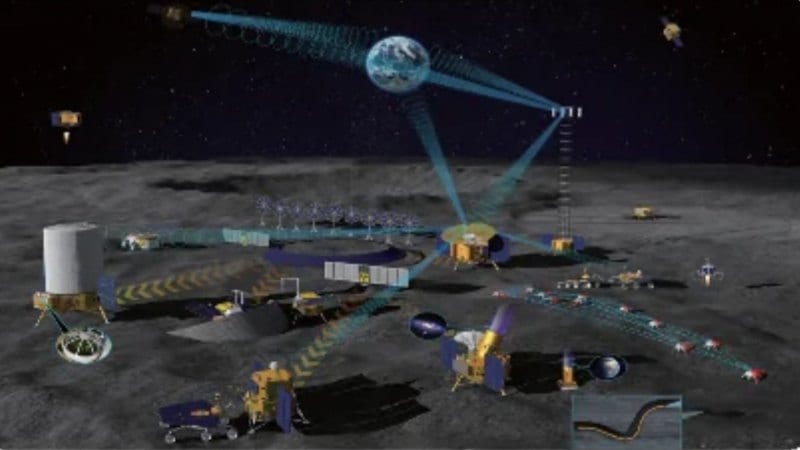
NASA, on the other hand, is planning to build its own bases in the Moon’s South Pole with its allies under the Artemis Program. Several private companies have been contracted to deliver payloads to the Moon under a three-phase approach that will cost around $30 billion. In each phase, dozens of launches and Moon landings will take place, with the first phase set to begin in 2028. NASA is also targeting landing of astronauts on the Moon during the Artemis IV mission in 2028.
More on Starlust
$2 billion boost to speed up Artemis: White House seeks additional funding for NASA from Congress
Moon dust and paper waste could solve a major hurdle for NASA’s Moon base