SpaceX completes full duration 33-engine static fire test of Starship booster for Flight 15; watch video
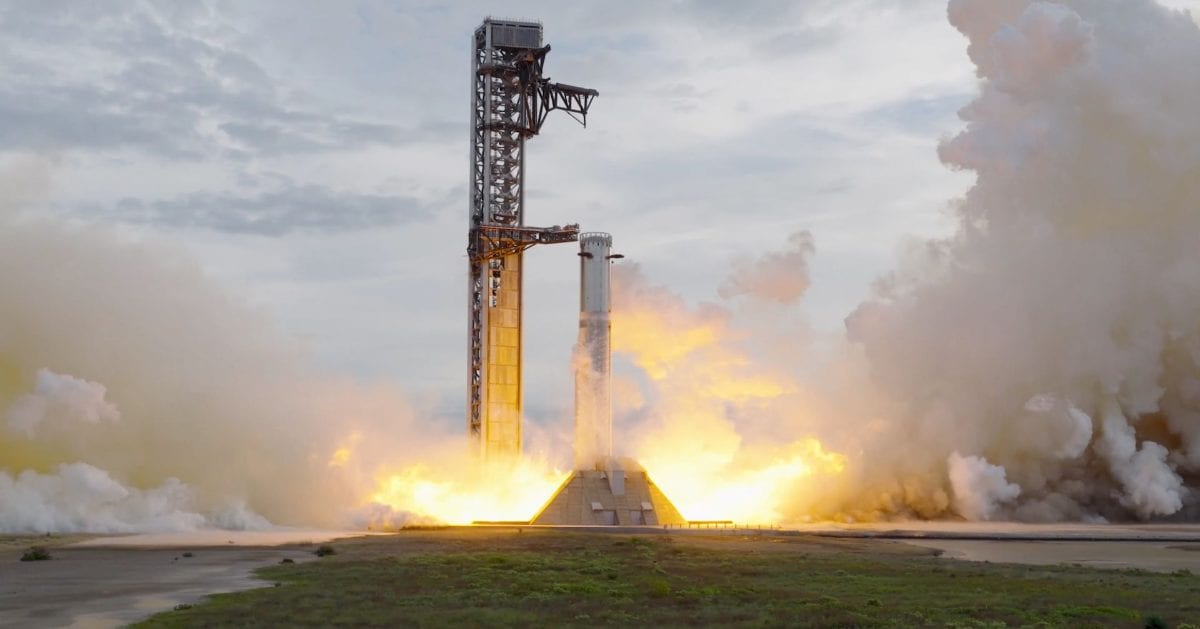
SpaceX, on Sunday, announced that it had completed a static fire test of Starship’s Super Heavy booster, reportedly Booster 22, for the next mission. In a post on X, it shared a video of the booster firing all 33 of its Raptor engines while it was anchored to the ground at Starbase, Texas. “Full duration 33-engine static fire for the Super Heavy booster preparing for Flight 15,” SpaceX captioned the post. The upcoming launch will be the 15th integrated test flight for Starship overall, and the fourth flight of Starship in 2026. Reports say the launch is scheduled to take place no later than mid-November, and it will also be a multi-orbit mission similar to Flight 14. The previous mission saw Starship enter a stable low Earth orbit for the first time and deploy the first batch of Starlink V3 satellites.
Full duration 33-engine static fire for the Super Heavy booster preparing for Flight 15 https://t.co/7eqbC4h0Fh
— SpaceX (@SpaceX) October 25, 2026
SpaceX has planned to raise the stakes with Flight 15, as it will attempt to recover not just the booster but also the upper stage of the rocket using the launch tower. CEO Elon Musk said last week that “this will be the first time an orbital launch vehicle has been fully recovered,” if all goes according to plan. SpaceX President and COO Gwynne Shotwell also revealed that talks are underway to secure a license from the Federal Aviation Administration (FAA) and that the second stage will be reflown by early next year. Musk has also stated that Starship will begin flying weekly starting in the first half of 2027 and twice a week or more by 2028.
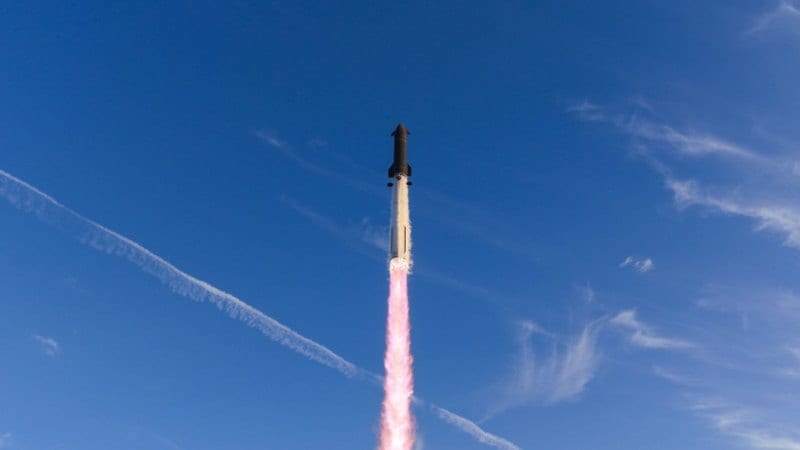
By 2028, SpaceX is also planning to launch the first Starship from Starbase Louisiana, its $100 billion spaceport that will eventually fly up to 30 Starships per day. However, to reach that milestone, Starship needs to overcome multiple hurdles and complete a series of missions without any issues. While Starship’s 14th flight was historic, the rocket encountered problems with its engines on both stages. On the booster, one Raptor engine shut down during ascent and only 31 of the planned 33 Raptor engines relit for the boostback burn. For the landing burn as well, only 11 of the planned 13 engines were reignited.
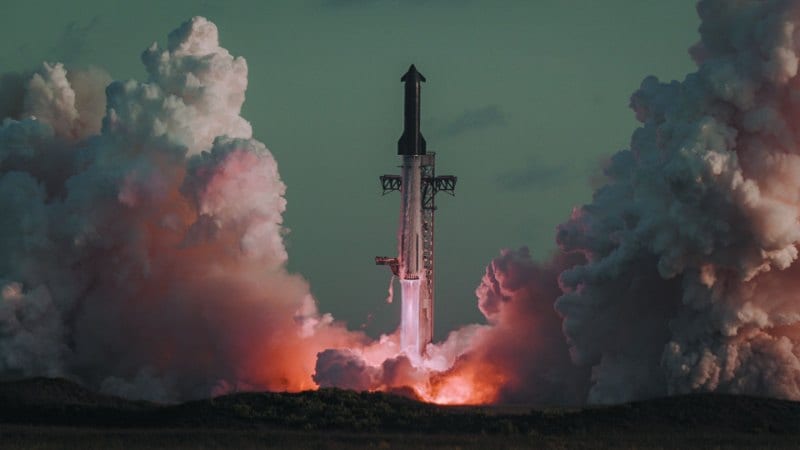
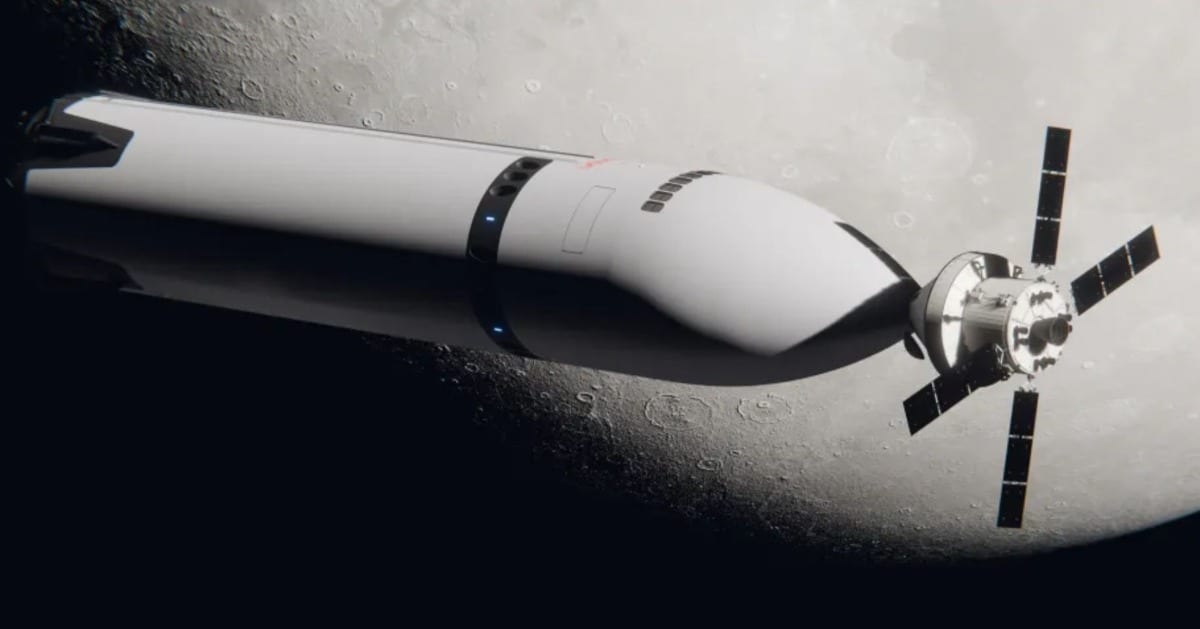
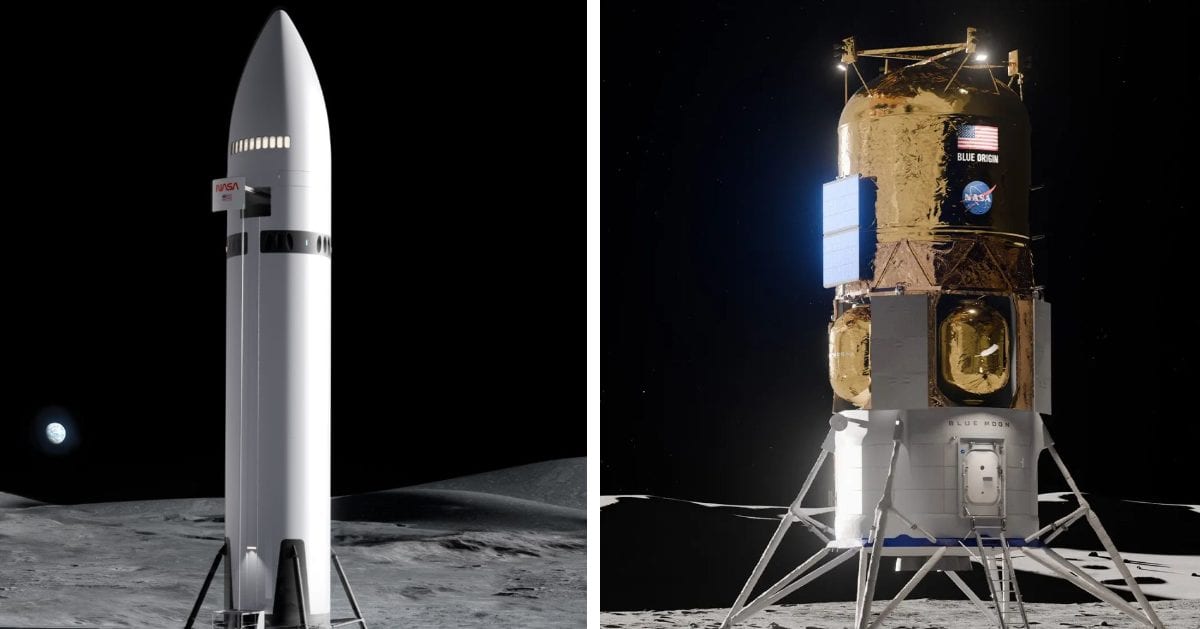
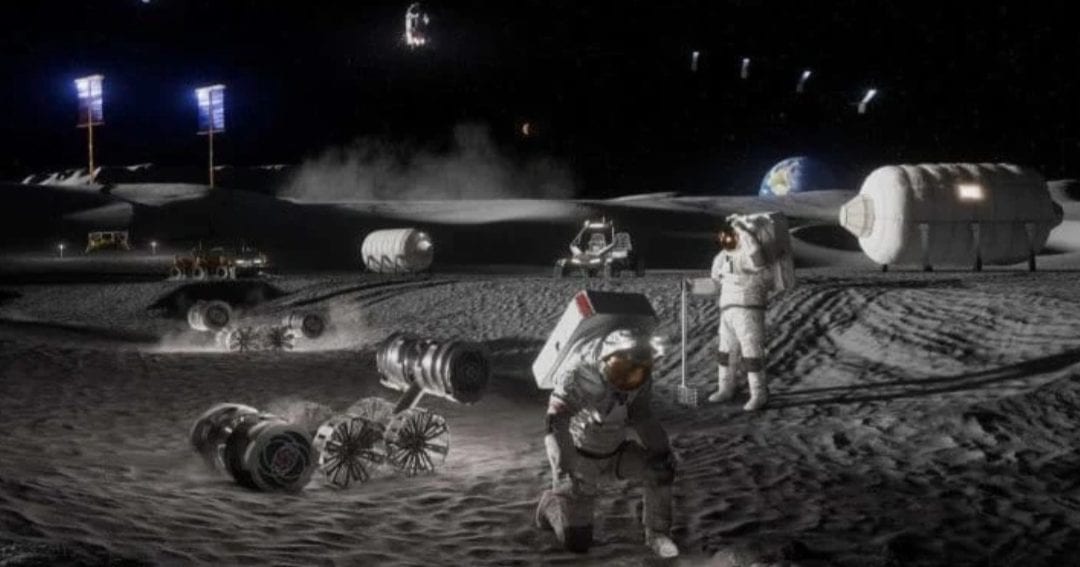
On the other hand, one of the upper stage’s three vacuum Raptor engines shut down early. Starship still managed to reach orbit by compensating for the loss with the remaining engines, but this led to an early deorbit of the upper stage and it splashed down in the northern Pacific Ocean. Starship also needs to prove its flight readiness for the crewed flights that NASA has bought for its Artemis missions. Prior to Artemis IV, which will return astronauts to the Moon’s surface for the first time in over five decades, SpaceX will demonstrate an uncrewed lunar landing alongside Blue Origin—the second NASA contractor. Starship’s Human Landing System (HLS) will also be tested during the Artemis III mission, which is targeted for launch in 2027.
More on Starlust
SpaceX seeks FAA approval for over 450 Starship launches per year from Starbase in Texas
Watch: SpaceX’s first Starship to survive an ocean splashdown is finally back at Starbase