SpaceX conducts a six-engine static fire test of Ship 42 ahead of Starship Flight 15; watch video
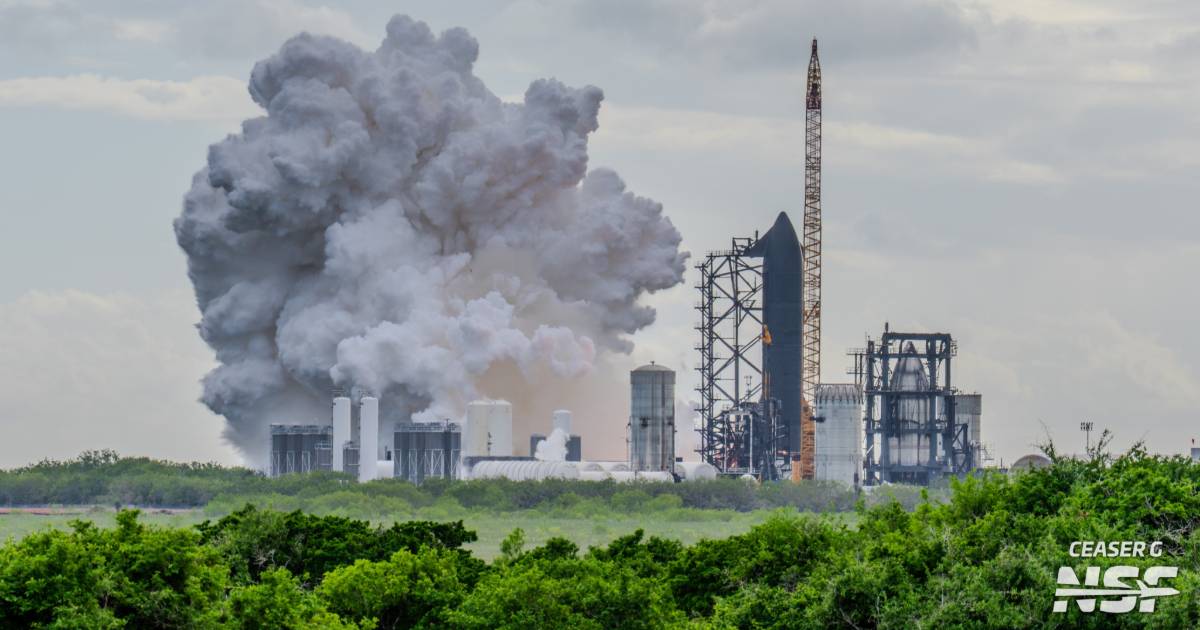
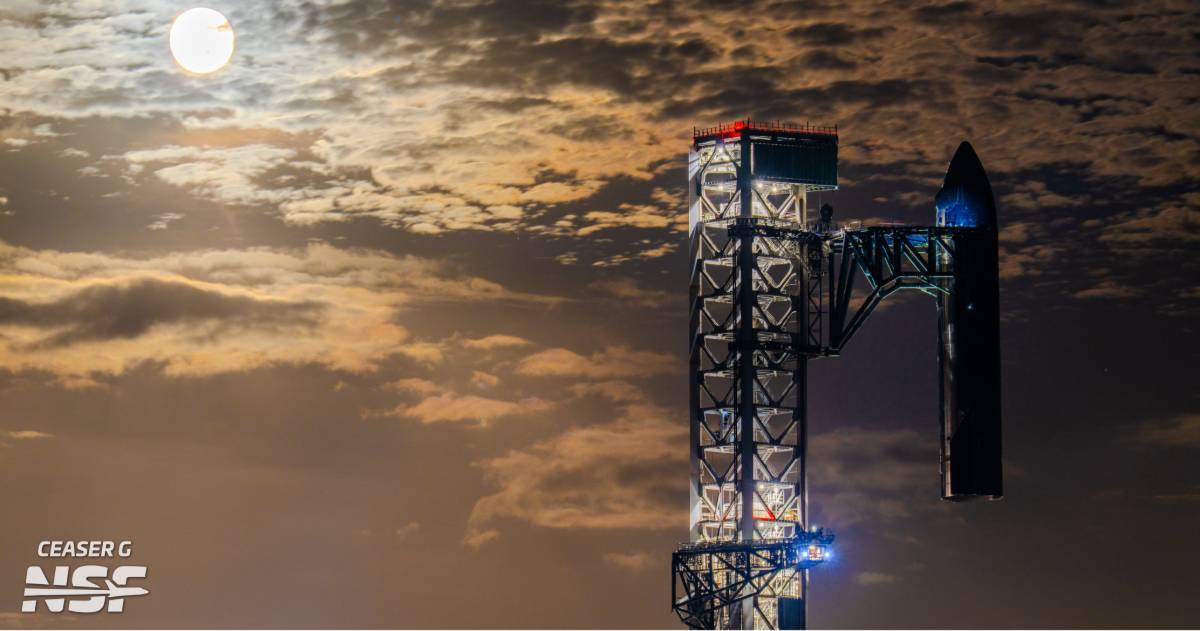
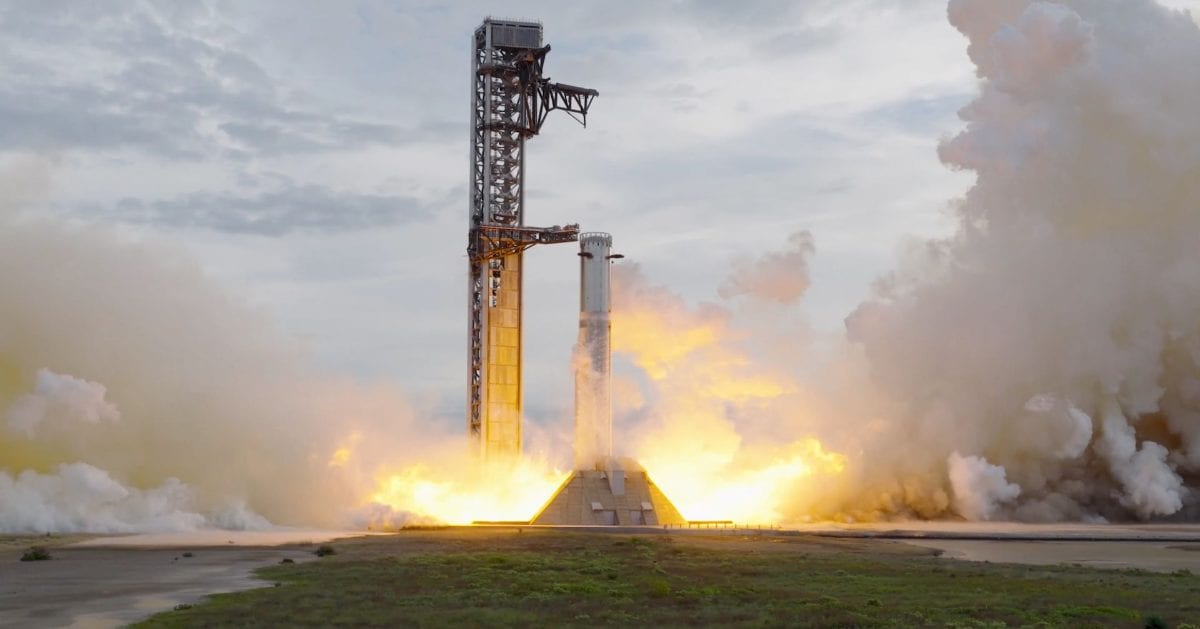
Footage emerging from SpaceX's Starbase has revealed what appears to be a full static fire test of the Starship upper stage to be used for Flight 15. Called Ship 42, the 171-foot structure has now undergone both a single-engine and a full six-engine static fire test at the Boca Chica, Texas, spaceport as of October 27, 2026. The Elon Musk-owned company recently also recently carried out a successful 33-engine firing of the first stage that will accompany Ship 42 to space for Flight 15.
Starship Flight 15: Ship 42 conducts a six-engine static fire test. ➡️https://t.co/Ug0QFxQ7JC https://t.co/94NO3pZ4Lu
— NSF - NASASpaceflight.com (@NASASpaceflight) October 27, 2026
After one of Starship's Raptor V3 engines lit up for a hot firing a day earlier, all six were tested at 4:45 pm CDT on Tuesday at Massey's Outpost inside Starbase. This phased approach to testing the vacuum engines of the upper stage is understood to recreate the procedures for when a specific number of engines are needed to perform mid-flight maneuvers, such as a de-orbit burn. Preparations for all three flights of Starship V3 so far have followed the same framework for testing the six Raptor V3 engines of the upper stage.
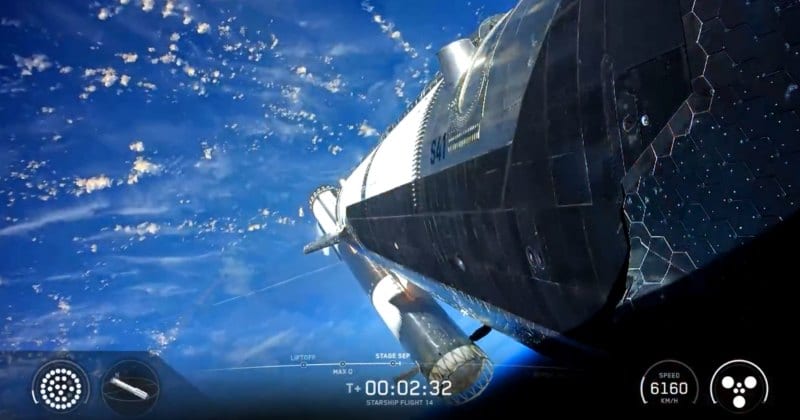
The static firing also enabled teams to practice some of the other procedures that are followed on launch day, such as the loading of super-cooled liquid methane and liquid oxygen propellants that Starship uses. It was not clear whether the terminal countdown, where all of the rocket's subsystems are checked, was initiated as well. During this countdown, any issues are resolved by stopping the clock through holds. That said, Ship 42's wing flaps, which are a key feature that add to the spacecraft's aerodynamic maneuverability during the final few minutes of the flight, were also seen moving about 15 minutes prior to the engine firing. The Raptor engines were lit for over 60 seconds during the static firing.
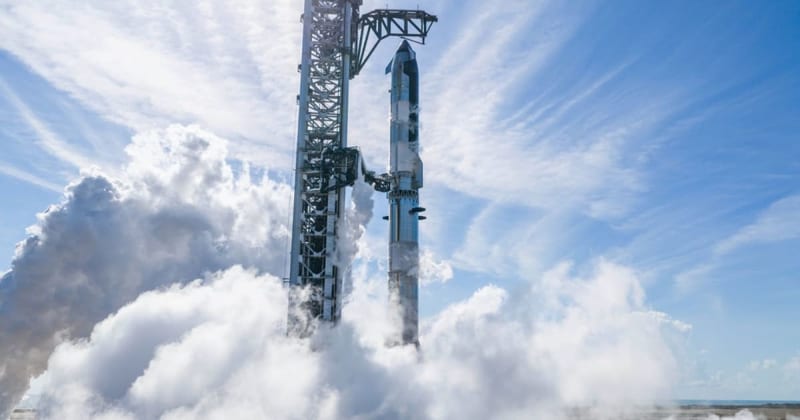
Next up, Ship 42 will be moved back to Megabay 2 for its final outfitting and the loading of its payload of Starlink V3 satellites ahead of final regulatory approval from the Federal Aviation Administration (FAA). SpaceX has not yet confirmed a date for Flight 15, although reports have suggested a November launch from Pad 2 at Starbase. One of the most anticipated parts of this flight will be the landing of both Starship and the Super Heavy booster. Musk has confirmed that both will be captured at the end of their respective flights using the launch tower Mechazilla's 'chopstick arms'. Perfecting this landing maneuver is key for SpaceX to fully reuse the rocket, decreasing the costs of sending payloads to space and beyond by a factor of over a hundred, according to the company. SpaceX was first seen practicing upper-stage catch maneuvers in September, when Musk had given the success of grabbing the heavy-lift rocket a "50 or 60 percent" chance.
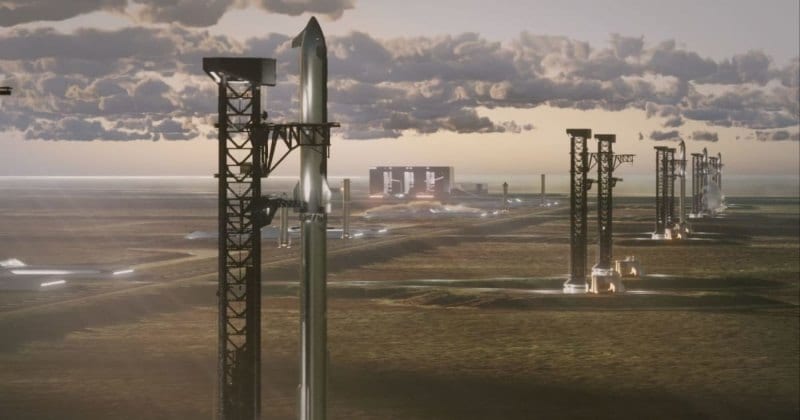
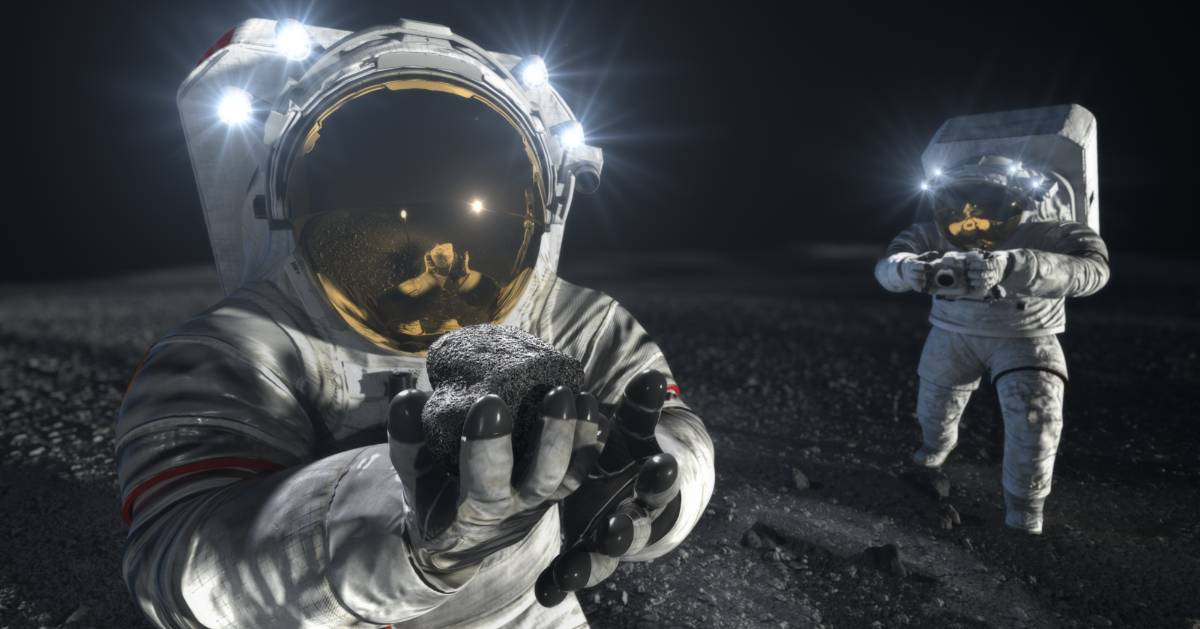
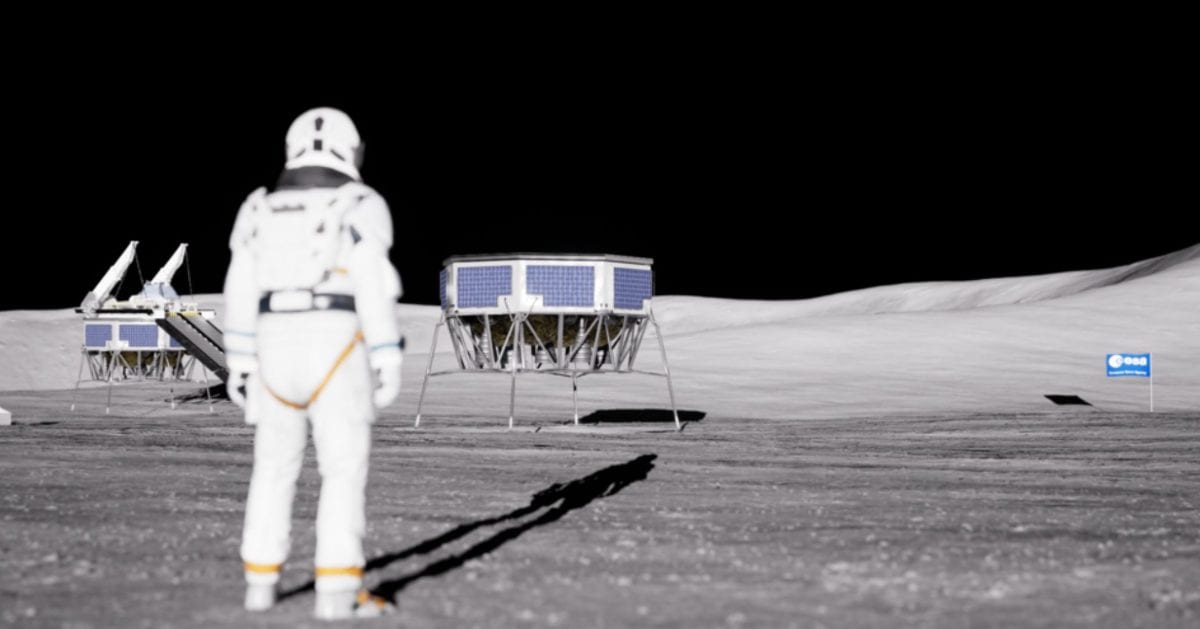
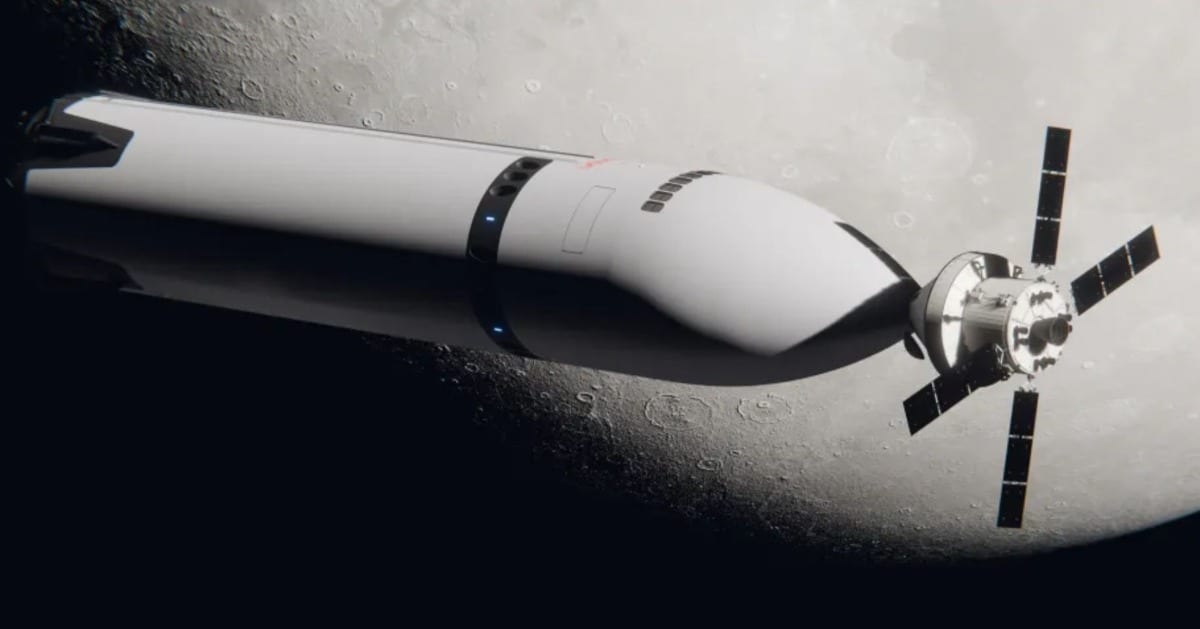
In the next couple of years, SpaceX plans to make Starship fully operational and launch frequently from multiple launchpads spread across Starbase, the Kennedy Space Center, and the Cape Canaveral Space Force Station in Florida. Thereafter, Starship's launch cadence is set to increase manifold with the construction of Starbase Louisiana—a sprawling new facility set to begin operations before the end of the decade. A glimpse into this future can already be had at Starbase, where multiple Starships are being made flight-ready, with the booster for Flight 16 also making an appearance late on Tuesday. Starship is also critical to plans by NASA for crewed exploration of the Moon, serving as one of the options for the Human Landing System for Artemis III and IV, which are slated for 2027 and 2028, respectively.
More on Starlust
NASA shares moon lander timelines for SpaceX and Blue Origin ahead of Artemis III and IV
Starship vs Blue Moon: NASA's plan for two landers flying on Artemis IV has some major changes