Watch: SpaceX’s first Starship to survive an ocean splashdown is finally back at Starbase
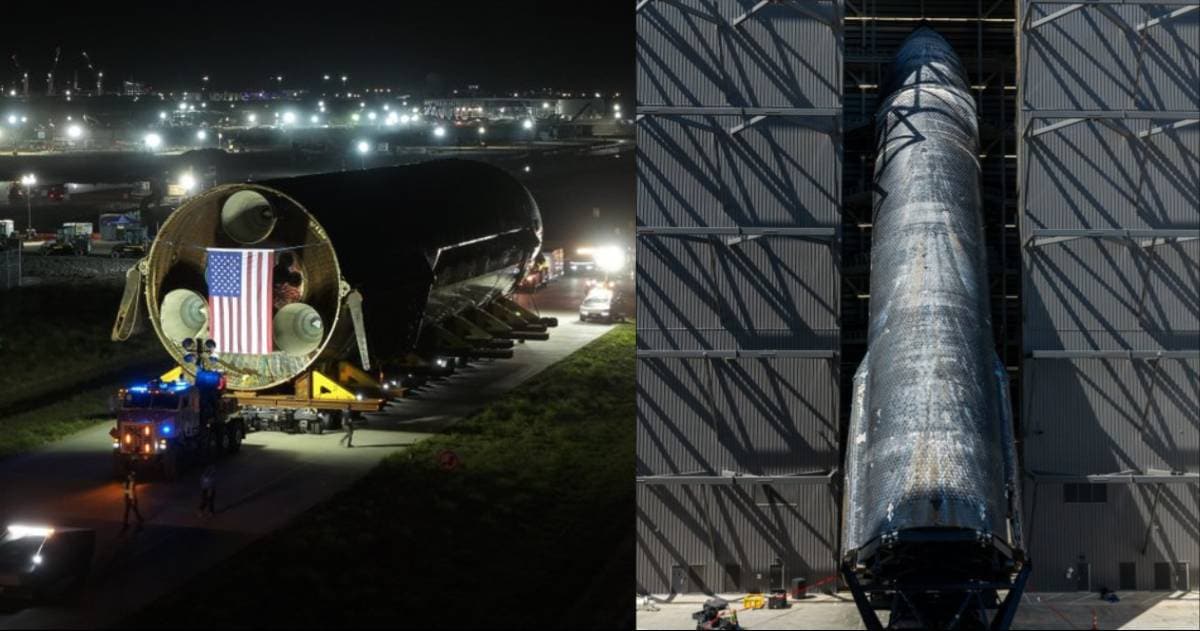
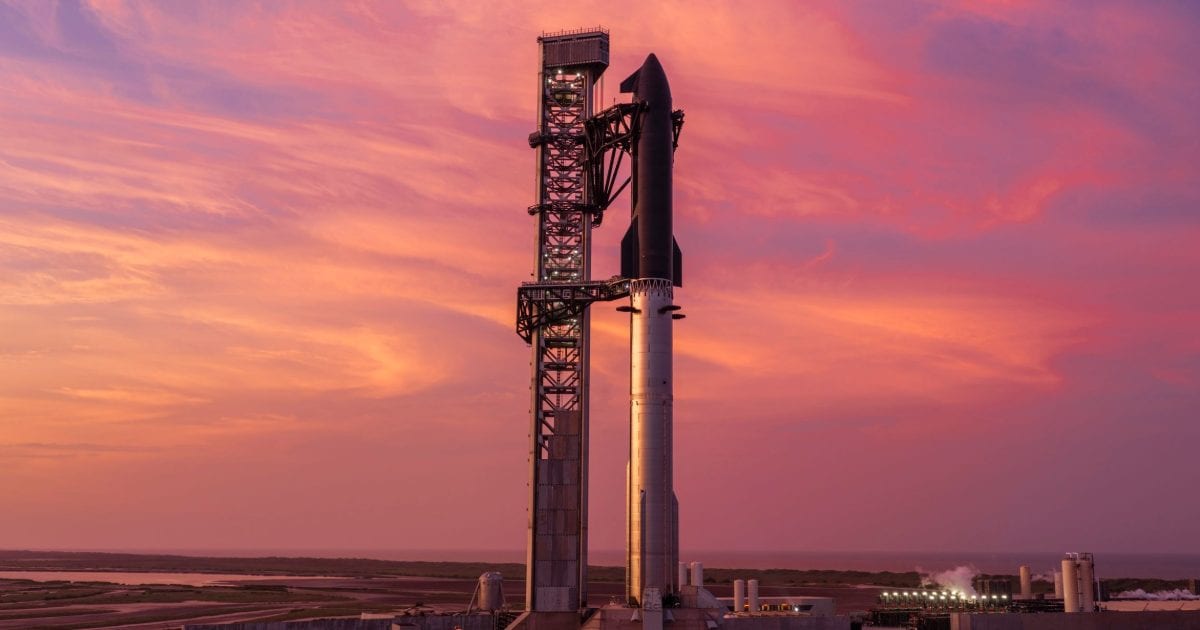
SpaceX’s Ship 40, the first Starship spacecraft to survive an ocean splashdown, is now finally back at Starbase. Earlier, the ship was launched on July 24, 2026, atop Super Heavy Booster 20 during Starship’s 13th test flight. After its return from space, the spacecraft landed in the Indian Ocean and stayed mostly intact while floating on the surface. Now, SpaceX has shared new images and video that show how the ship was finally moved back to Starbase.
The first Starship to return to its launch site, Ship 40's journey took it across air, space, and sea. Now that it is vertical alongside three other Starships in a Megabay at Starbase, it will provide first-of-its-kind data on a flown Starship heatshield, Raptor engines, avionics, and more.
— SpaceX (@SpaceX) October 13, 2026
As per SpaceX, Ship 40 is the first Starship upper stage to return to its launch site after flying in space. Currently, it stands upright inside Starbase’s Megabay hangar, next to three newer ships that are still being assembled. Commenting on this, SpaceX wrote on X, "The first Starship to return to its launch site, Ship 40's journey took it across air, space, and sea. Now that it is vertical alongside three other Starships in a Megabay at Starbase.”
How did Ship 40 make it back to Starbase?
After the splashdown, SpaceX launched a recovery effort and towed the 171-foot (52-meter) ship through rough seas for a total of 24 days. At the time, CEO Elon Musk expressed doubts that the recovery would succeed. Even so, the ship reached the waters off Australia’s Christmas Island in August 2026. There, engineers inspected the vehicle and collected a number of heat shield samples from its belly.
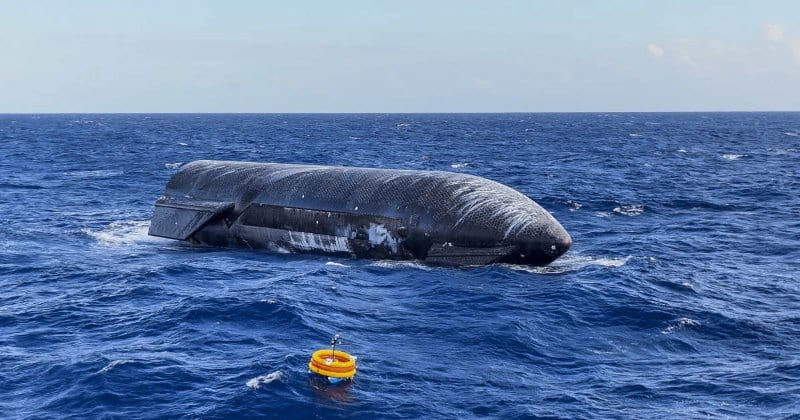
The ship was then loaded onto Forte, a massive semi-submersible transport vessel, for the long journey back to Texas. Forte arrived at the Port of Brownsville on October 7, 2026. The ship was moved over land to Starbase, positioned outside the Megabay for reorientation, and lifted to a vertical position before being moved inside.
What will SpaceX learn from the returned ship?
Ship 40 flew in space and survived reentry, and this will give the engineers a rare chance to examine hardware that went through those conditions. In a post, SpaceX wrote, “It will provide first-of-its-kind data on a flown Starship heatshield, Raptor engines, avionics, and more.”
After approx. 24 days at sea, the SpaceX Recovery team successfully guided Starship to a location just off the coast of Christmas Island. A team of SpaceX engineers is on their way to conduct additional analysis on the vehicle in calmer waters before attempting to return it to Starbase
— SpaceX (@SpaceX) August 18, 2026
SpaceX has recovered three Super Heavy boosters using the mechanical arms on its Starbase launch tower, but it has yet to return an upper stage to its launch site. Now, by studying Ship 40 from top to bottom, SpaceX engineers will be able to fine-tune the systems needed for that.
Flight 15 is now four to six weeks away
It is expected that with Flight 15, the company may attempt to catch a returning Ship on its launch tower with the same arms used to recover boosters. This is anticipated to be done as long as the spacecraft meets the requirements for a safe return. “We’re going to try to catch the ship, which is a super big deal,” Musk said in an interview. “If we do so, that’ll be the first time that there’s been full recovery of an orbital class rocket.”
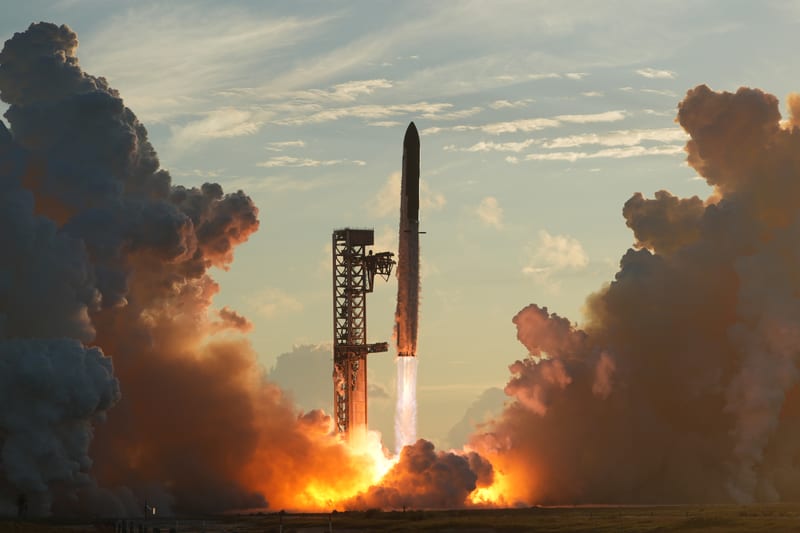
Commenting on what’s next, Musk added, “The next big milestone would be to refly both the booster and the ship,” with a Flight 16 where “all parts of an orbital rocket are reflown.” He also hinted that Flight 15 is only about four to six weeks away, and that it “probably launches a little bit before Thanksgiving, is my guess.” He added that the launch is late as SpaceX is "making a bunch of improvements to the rocket between every flight.”