Watch: SpaceX launches and lands Falcon 9 rocket for classified U.S. Space Force mission
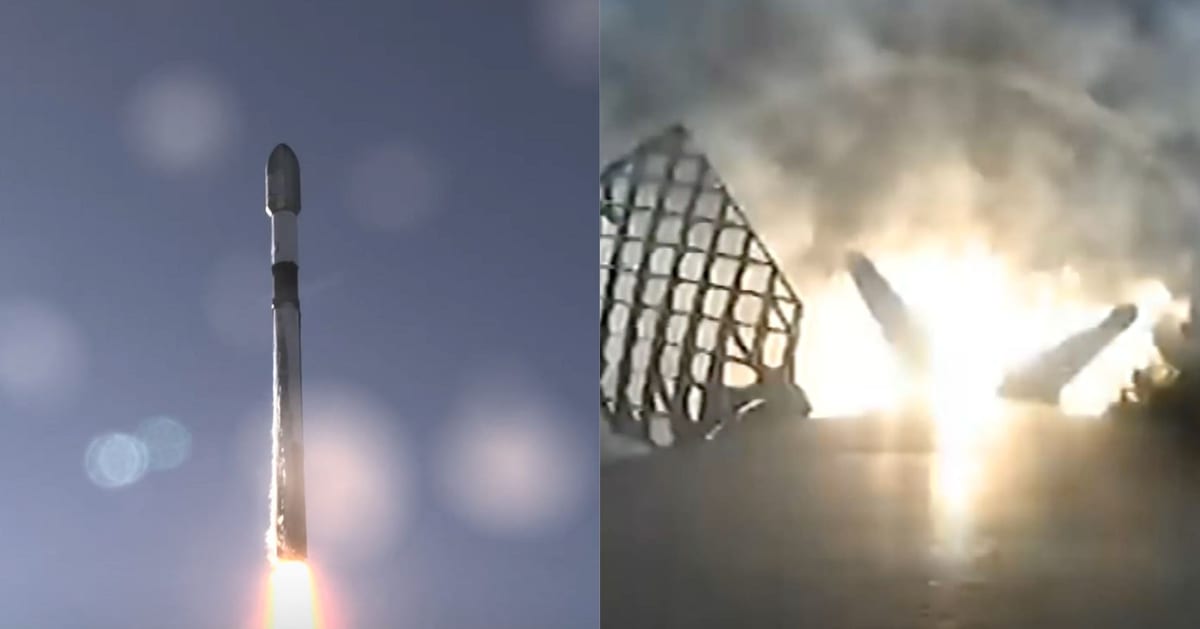
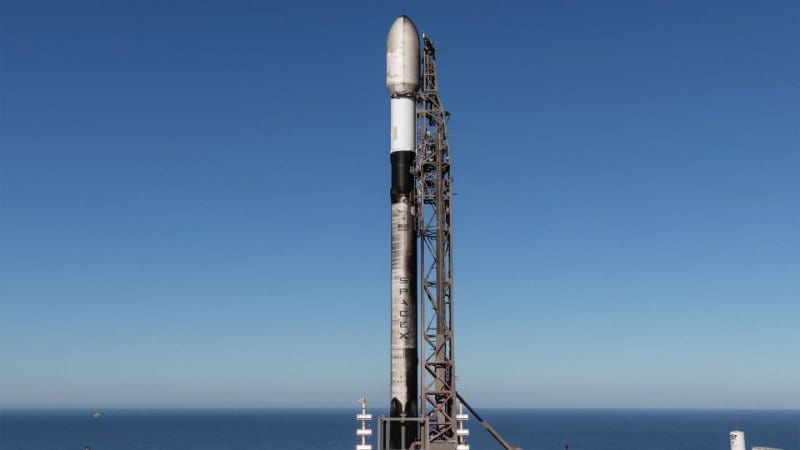
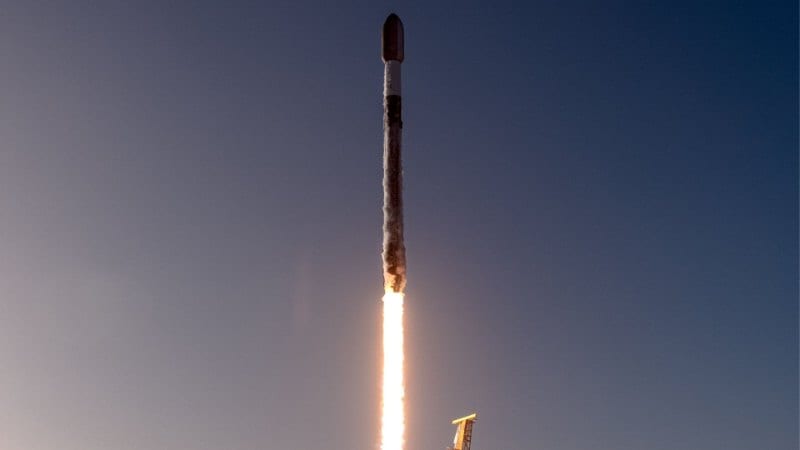
SpaceX successfully completed another classified mission for the U.S. Space Force on Thursday. The Falcon 9 rocket lifted off at 8:01 pm EDT from Space Launch Complex 4E at Vandenberg Space Force Base in California for the USSF-481 mission, marking the 114th Falcon 9 flight of the year. According to SpaceX, the first stage booster supporting this mission completed its 28th flight after flying Crew-7, CRS-29, PACE, Transporter-10, EarthCARE, NROL-186, Transporter-13, TRACERS, NROL-48, COSMO-SkyMED Second Generation FM3, USSF-153, and 16 Starlink missions.
Liftoff! https://t.co/yjEQXS2RKu
— SpaceX (@SpaceX) October 16, 2026
After separating from the second stage, the booster made its landing on the ‘Of Course I Still Love You’ droneship stationed in the Pacific Ocean about eight minutes later. Details about the payloads and their target orbits were not disclosed due to the mission’s confidential nature. The launch livestream also ended right after the booster landed on the droneship. With 114 Falcon 9 missions completed so far this year, SpaceX is maintaining an aggressive launch cadence, though it remains slightly behind the blistering pace of its record 165 orbital launches set in 2025. Alongside Falcon 9’s heavy workload, the company has also completed three Falcon Heavy missions in 2026 and three with its next-generation heavy-lift system, Starship.
Falcon 9’s first stage lands on the Of Course I Still Love You droneship https://t.co/uBK14MgJZ0
— SpaceX (@SpaceX) October 16, 2026
While most Falcon missions are dedicated to Starlink, the satellite internet provider owned by SpaceX, the company has been launching military satellites more frequently now. Just last week, a Falcon 9 launched 21 satellites built by Northrop Grumman for the Space Force’s Space Development Agency (SDA). These spacecraft will provide low-latency communications and data transport in low Earth orbit, bridging tactical units on the ground directly with missile-tracking satellites. These satellites form the backbone of the Proliferated Warfighter Space Architecture (PWSA)—an orbital network designed to provide tactical communications alongside advanced missile warning and interception tracking.
These missions are being launched under multi-billion-dollar contracts awarded to SpaceX by the U.S. government. The company bagged $4.16 billion in May to build the Space-Based Airborne Moving Target Indicator (SB-AMTI) program that will track and target airborne threats globally, and another contract worth $2.29 billion to build a secure, high-speed communication network connecting military sensors and weapons platforms across the world. In July, it received another $1.6 billion for 18 Falcon missions through late 2027. Far from retiring its workhorse rocket, SpaceX continues to rely on Falcon 9 and Falcon Heavy as the primary launch vehicle for defense payloads, keeping a proven option on the table while Starship moves through orbital testing and regulatory certification.
Meanwhile, there are three more Falcon 9 missions lined up next week. The first is the Bandwagon-5 rideshare mission that will launch on October 19 at 6:30 am ET from Space Launch Complex 40 (SLC-40) at Cape Canaveral Space Force Station in Florida. The booster launching this mission will fly for the 19th time, having previously supported Crew-9, RRT-1, Firefly Blue Ghost Mission 1, Fram2, SXM-10, MTG-S1, EchoStar XXV, SXM-11, and 10 Starlink missions. The other flight is a Starlink batch scheduled to lift off on October 20 from Space Launch Complex 4 East (SLC-4E) at Vandenberg Space Force Base, with a four-hour window opening at 3:14 pm PDT. The Falcon booster for this mission will fly on its 36th mission—26 of them dedicated to Starlink. The third, scheduled for October 23 with no launch time yet, is also a Starlink batch launch that will put 27 V2 Mini satellites into orbit. Slated to lift off from SLC-4E at Vandenberg Space Force Base in California, the Falcon 9 booster for this mission is slated to land on the SpaceX droneship ‘Of Course I Still Love You’ in the Pacific Ocean.
More on Starlink
SpaceX says preparations are going ‘super well’ for first Starship launch from Florida