Ultrasound in space: NASA’s Anil Menon shows how astronauts undergo health checkup aboard the ISS
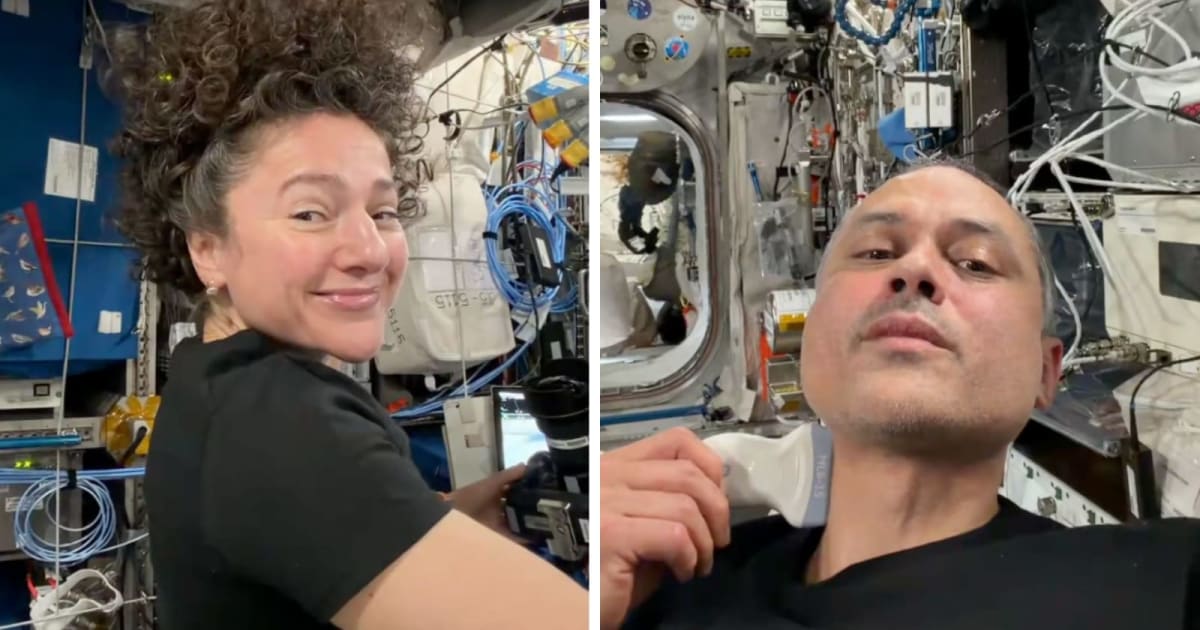
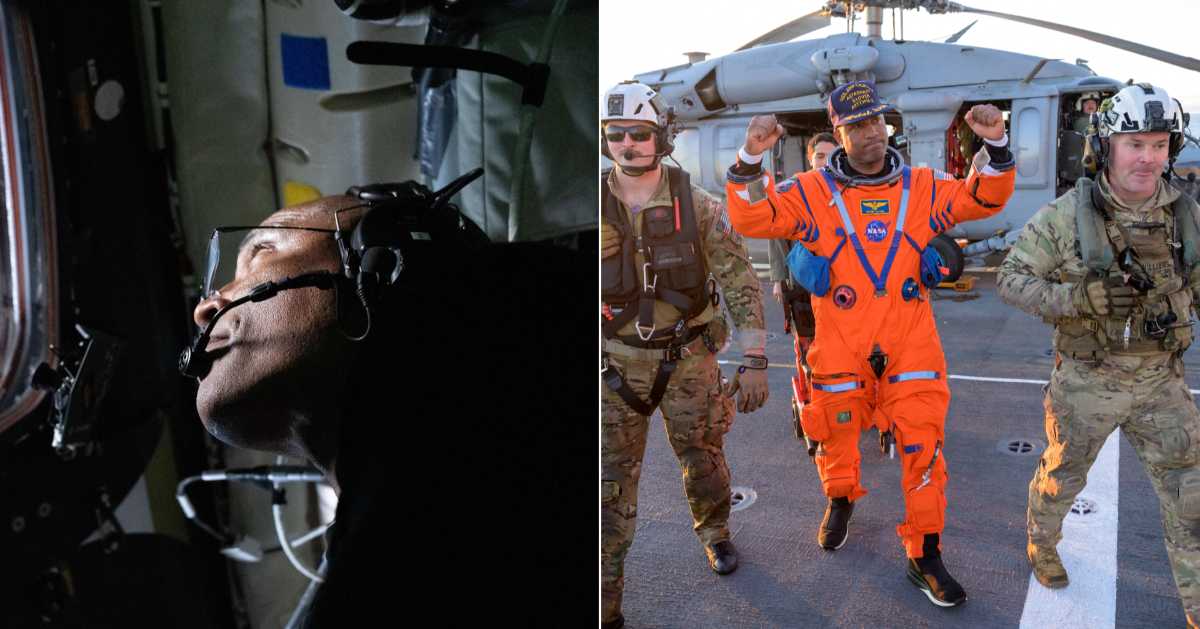
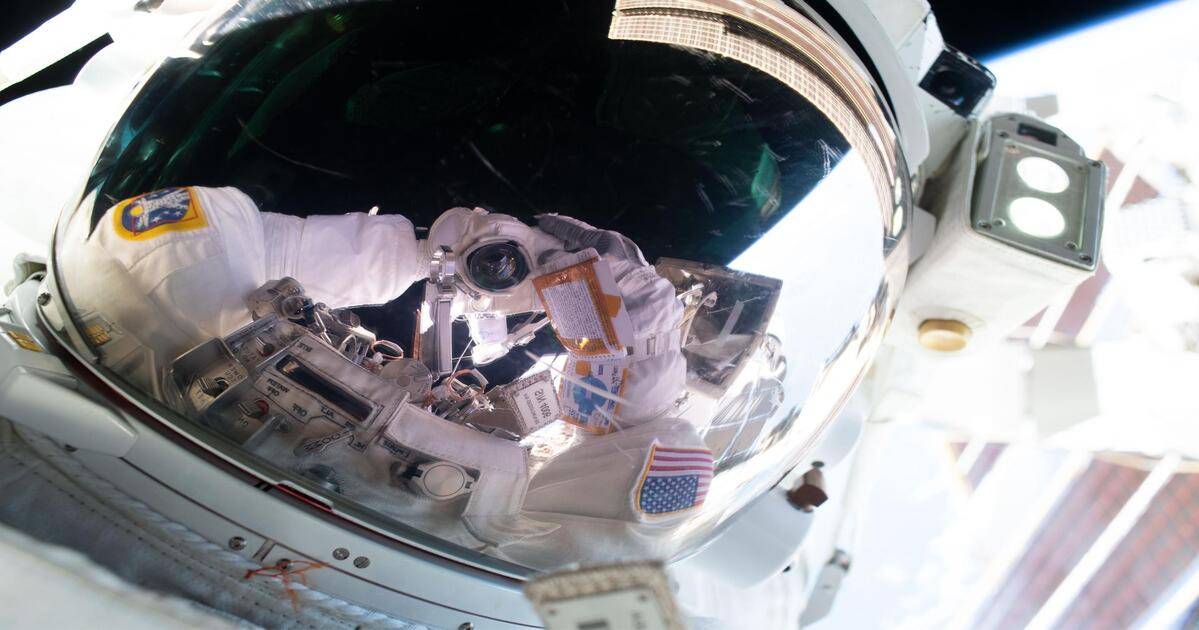
NASA astronaut Anil Menon has shared a glimpse of his work aboard the International Space Station (ISS) that could be a boon for assistance-free healthcare in space. In his latest video shared on X, Menon, accompanied by fellow NASA astronaut and station commander Jessica Meir, showed how ultrasound is performed in space using assistance from an expert on Earth. “In this demonstration, we have one person operating the ultrasound and the other person operating the controls. A remote guider and a team of doctors make sure that we’re getting the right images and also analyzing the images immediately in case we need to follow up,” Menon wrote.
Ultrasound in space
Ultrasound is an extremely important imaging tool accessible to astronauts in space as it provides quick and accurate diagnosis to an injury or illness with help from doctors on the ground.
This is how we do science on the @Space_Station. In this demonstration, we have one person operating the ultrasound and the other person operating the controls.
— Anil Menon (@astro_anil) September 9, 2026
A remote guider and a team of doctors make sure that we’re getting the right images and also analyzing the images… pic.twitter.com/iKZZ8b4DTF
Currently on his debut space mission, Menon has a key objective to perform ultrasound using augmented reality and artificial intelligence methods. Microgravity changes the normal flow of blood and could predispose astronauts to blood clots and using ultrasound could help researchers understand how blood flow is affected in microgravity to find life-saving solutions. NASA says using methods involving AI could eliminate the need for medical assistance from Earth on long duration space missions in the future. Communication delays on the Moon and Mars are longer which makes it essential for astronauts to probe and interpret the images independently in order to begin swift treatment. During his stay, Menon will also test bioprinting vascular constructs in microgravity to improve understanding of the aging process in microgravity.
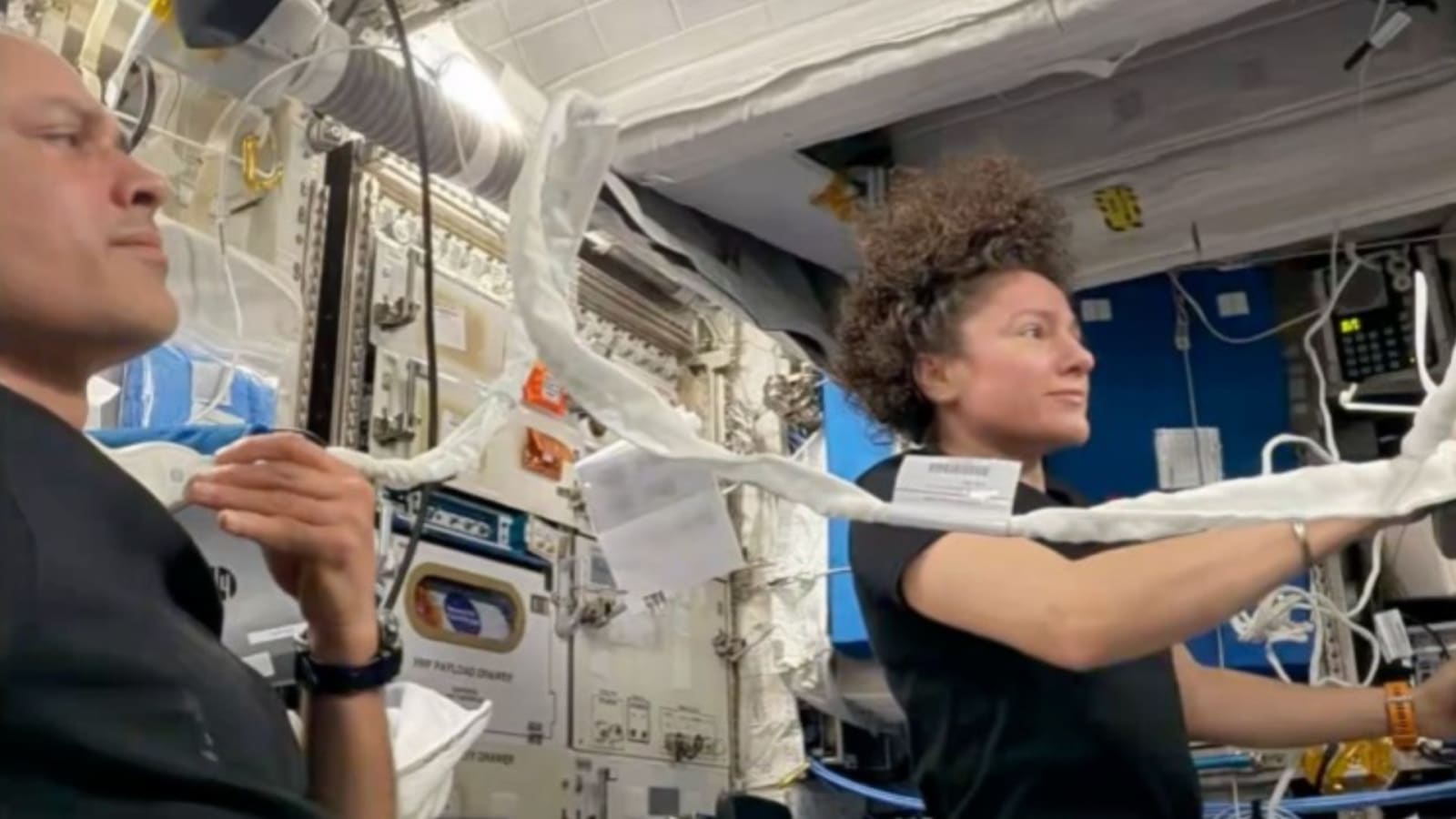
The use of ultrasound aboard the ISS was greatly expanded through the Advanced Diagnostic Ultrasound in Microgravity (ADUM) study which trained many astronauts to examine their fellow crew members in the event of a health concern. It is well known that advancement in space can be of enormous help on Earth, something which has been proven with ultrasound. The techniques used to train astronauts under the ADUM study have been adopted for use in remote areas on Earth and it has trained more than 45,000 physicians and physician extenders in over 60 countries.
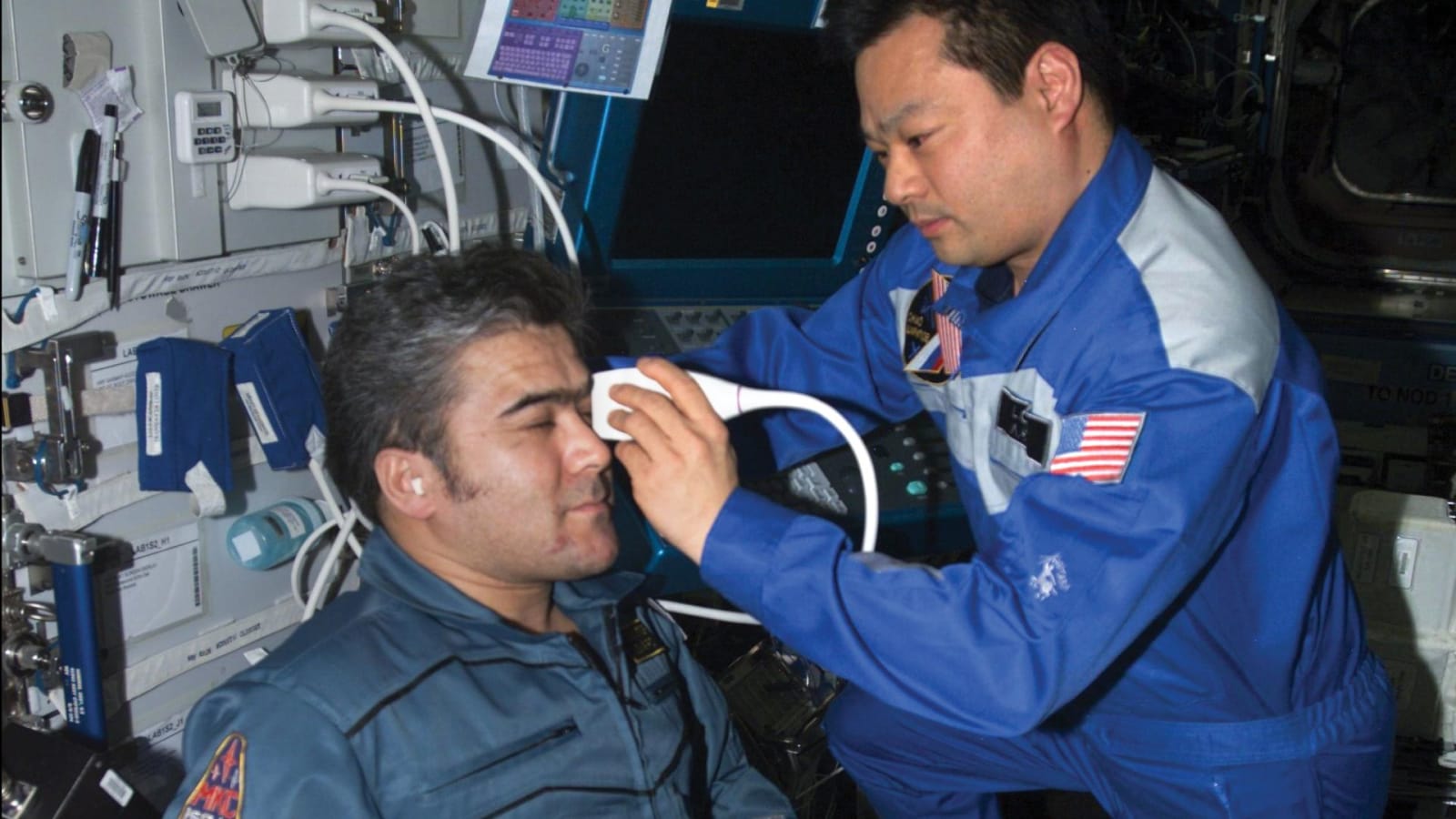
According to NASA, the American College of Surgeons, which requires ultrasound training for all surgical interns and residents, is using the ADUM program. Moreover, the ADUM-based ultrasound has also proved its effectiveness in diagnosing conditions previously considered beyond its technical capabilities, such as a collapsed lung. With the imaging technology already so advanced and effective, coupling the existing procedures with augmented reality and artificial intelligence would make ultrasound even more powerful and autonomous in space.
More on Starlust
What happens to astronauts' bodies on the ISS? A look at how space affects bone, blood and eyes