Northrop Grumman’s Cygnus to burn up in the atmosphere after ISS departure on October 9
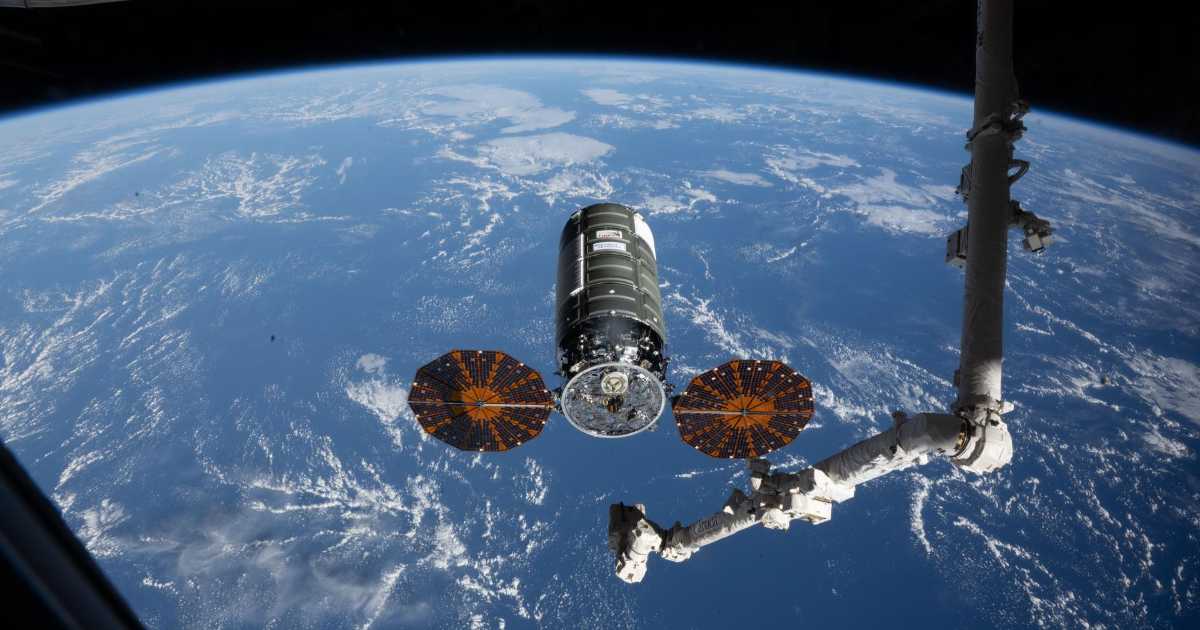
Another spacecraft is set to depart from the International Space Station (ISS) this week. On Friday, October 9, Northrop Grumman’s Cygnus XL spacecraft will leave the giant laboratory with thousands of pounds of discarded materials and burn up in Earth's atmosphere during a controlled reentry. According to NASA, it will undock from the station’s Unity module port at 12:45 pm EDT, marking the end of its six-month stay after launch on April 11.
After delivering science and supplies to the @Space_Station earlier this year, Northrop Grumman's Cygnus XL cargo spacecraft is scheduled to depart on Friday, Oct. 9. Here's how to watch: https://t.co/6T4Qx8BuvD https://t.co/HsbMJosJgc
— NASA (@NASA) October 6, 2026
“Flight controllers on the ground will send commands for the space station’s Canadarm2 robotic arm to detach the Cygnus XL spacecraft from the Unity module’s Earth-facing port and maneuver it into position for release at 12:45 pm. NASA astronaut Luke Delaney will monitor the operation from aboard the orbital complex,” NASA said in a statement. Following its release, the spacecraft will deorbit on Sunday, October 11.
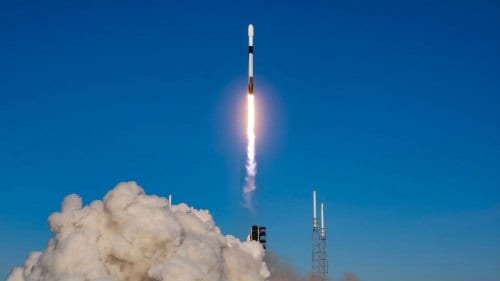
The Cygnus spacecraft launched with more than 11,000 pounds of supplies, science experiments, and other cargo as part of the Commercial Resupply Services-24 mission (CRS-24). This vehicle was named after NASA astronaut Steven R. Nagel, a veteran of four spaceflights, for his many contributions, including commanding a mission that installed the Gamma Ray Observatory.
At the end of every mission, a Cygnus spacecraft is released from the station with disposable items and other non-essentials to destructively reenter Earth’s atmosphere, where it disintegrates over remote areas. Russia’s Progress spacecraft, which is another option to resupply essential cargo, also meets a similar end at the end of every mission.
Where to watch the live coverage?
NASA will begin live coverage of Cygnus’s undocking at 12:30 pm. You can watch it on several platforms, such as X, Discovery+, Amazon Prime, YouTube, and NASA+. Unfortunately, there will be no coverage of the spacecraft’s reentry.
What else to look forward to?
There will be a considerable amount of two-way traffic until next week. Prior to Cygnus’s departure, SpaceX’s Dragon spacecraft will undock with four astronauts of NASA’s Crew-12 mission on October 7. The undocking is scheduled for 8:05 am EDT, followed by a splashdown at 11:34 am in the Pacific Ocean the next day. Astronauts of Crew-12 launched in February and are set to return after spending 237 days in space. The Progress 95 spacecraft, which hauled 3 tons of cargo to the station in April, is also expected to depart this month for a destructive reentry. The back-to-back undocking will free up two of the six currently occupied ports aboard the station.
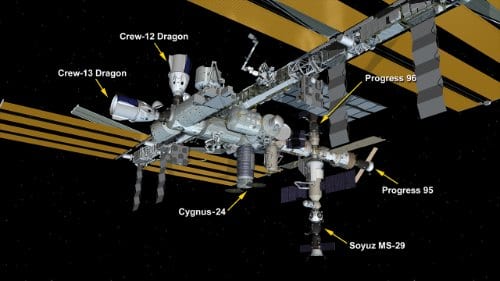
Besides, SpaceX is set to launch the Commercial Resupply Services-35 (CRS-35) mission to the ISS no earlier than October 13 with another batch of cargo weighing thousands of pounds for the station residents. Just days ago on October 1, four new members of the Crew-13 mission joined Expedition 75, and they will stay aboard the orbital lab for approximately six months.
More on Starlust
69th anniversary of the Sputnik 1 launch: How the world’s first satellite ushered in the space age
Inside Sunbird: Pulsar Fusion's nuclear spacecraft that can cut travel time to Mars in half