The end of ISS: How NASA plans to deorbit the gigantic orbital lab using SpaceX’s help
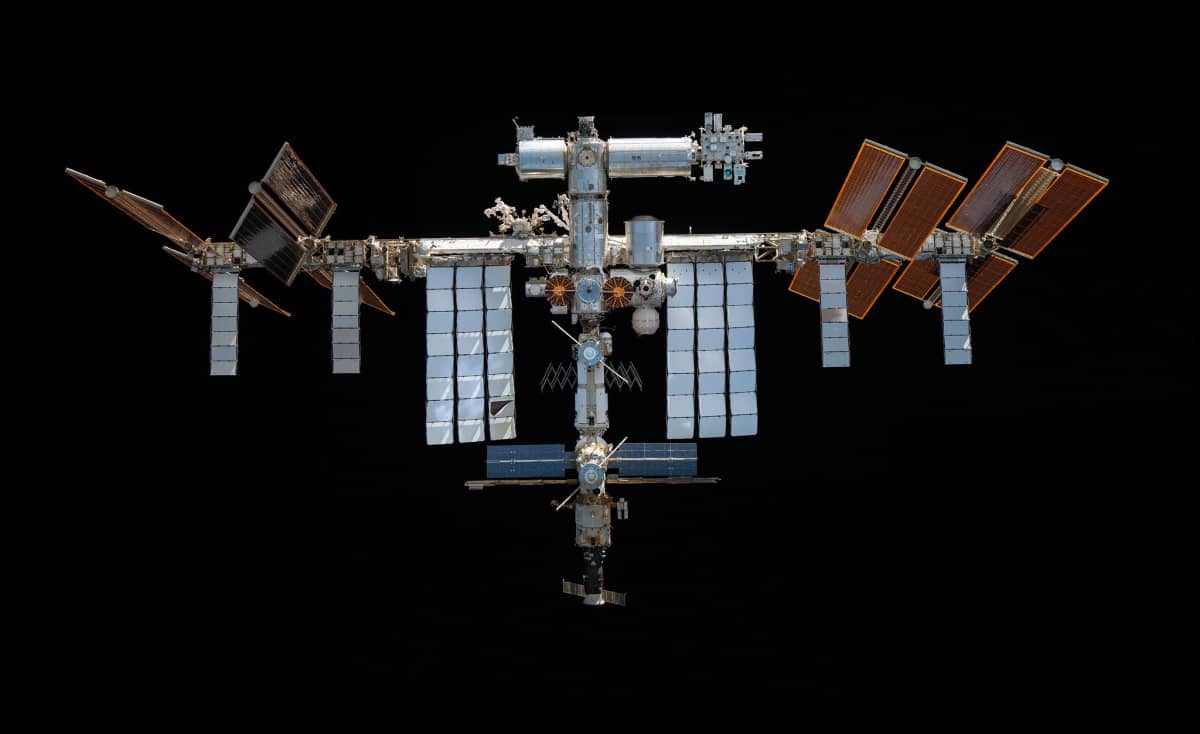
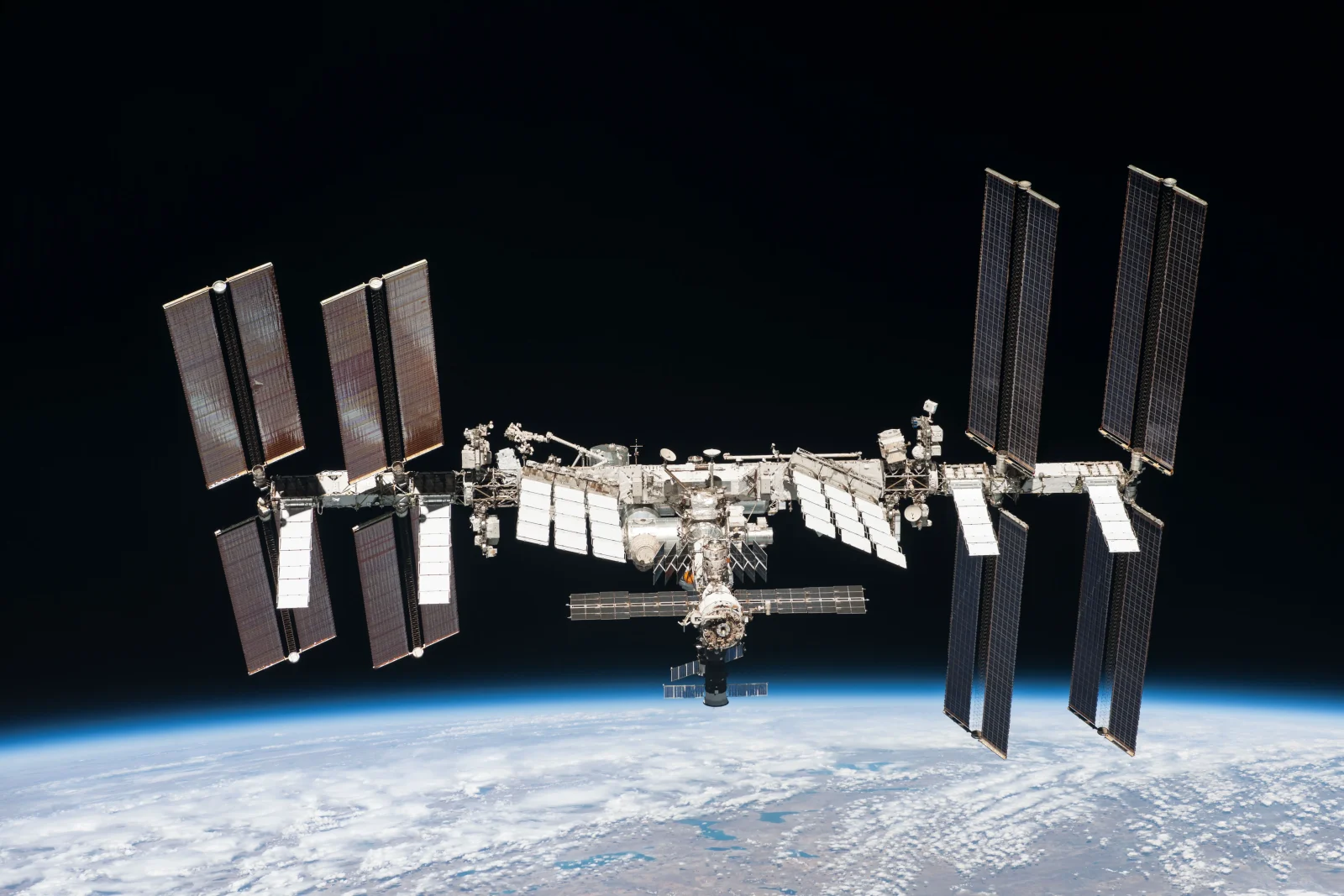
For over 25 years, the International Space Station (ISS) has supported human presence in low Earth orbit, but its final days are inching closer. In 2030, NASA and its international partners will begin the process of deorbiting the station and letting it crash into the Pacific Ocean, making way for private habitats that are currently being developed by several commercial companies. Over the last two decades, the ISS has withstood structural damage from micrometeoroids and air leaks, which calls for a transition to safer habitats that would ensure a sustained presence in microgravity.
But the station cannot be allowed to just freely fall back to Earth. A controlled reentry is necessary to ensure that the station’s components safely burn up in the atmosphere and that large chunks don’t fall in populated regions.
How will the ISS be deorbited?
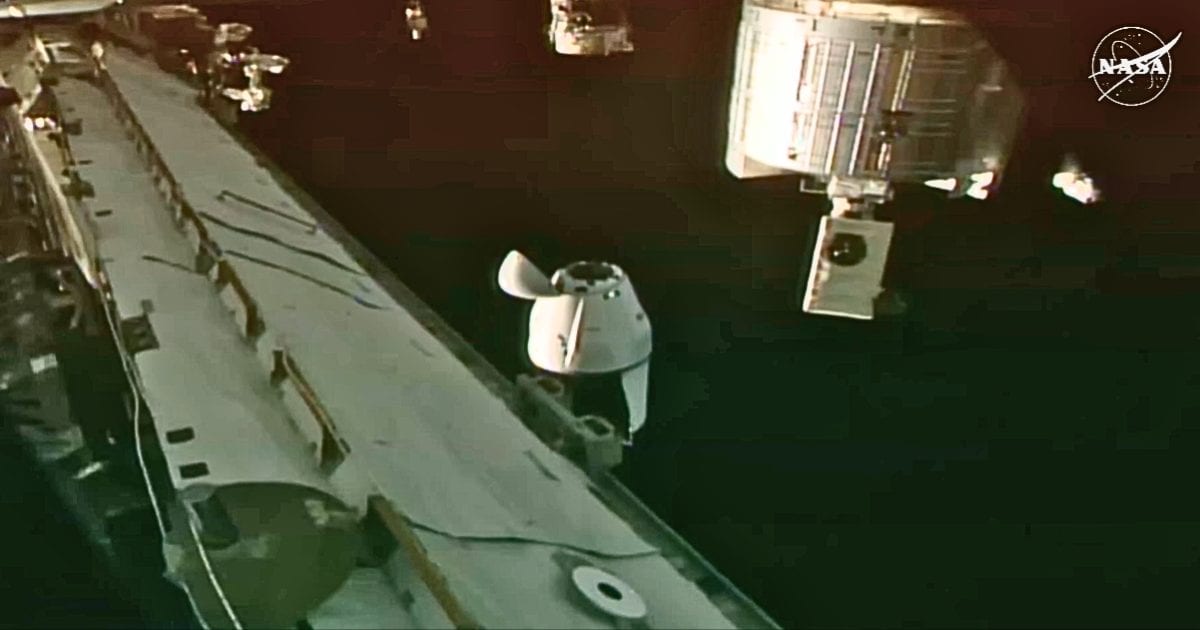
Part of NASA’s strategy is to let the station’s orbit decay naturally before it is pulled further in by a specialized spacecraft. The ISS, while it orbits Earth, is always in free fall and it stays aloft using the spacecraft that are docked at its ports. NASA occasionally uses the spacecraft’s propulsion system to raise the station’s orbit and avoid space debris when necessary. When the station’s retirement is near, it will not require these orbital boosts.
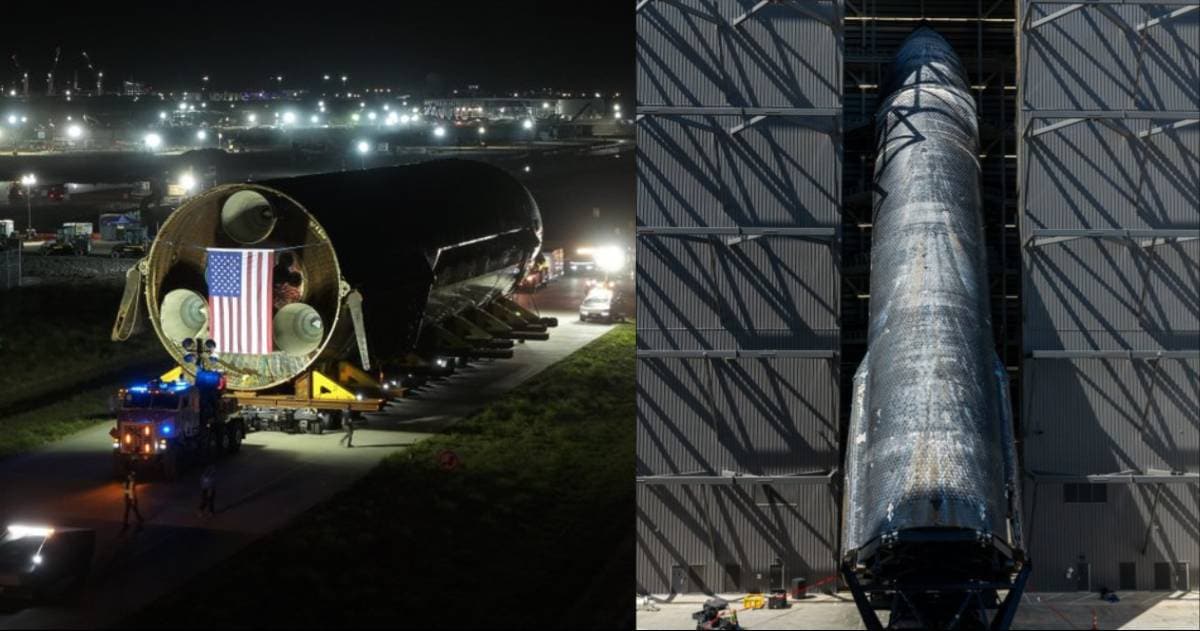
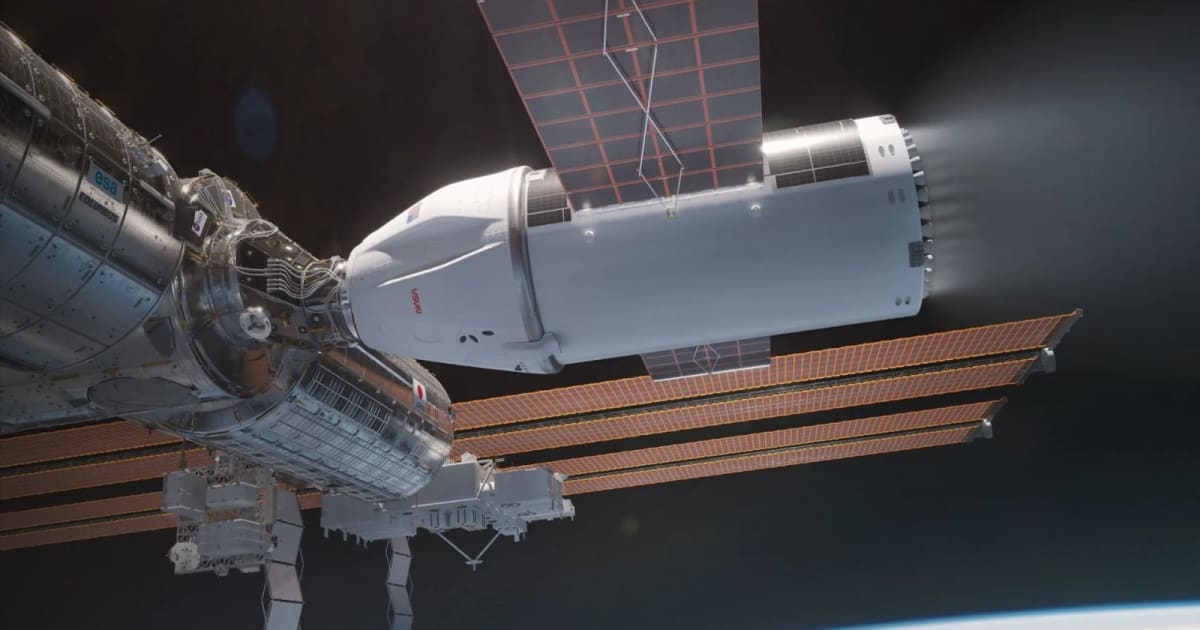
Originally, the ISS partnership considered using three Russian Progress vehicles to perform the deorbit maneuver. However, after years of study, NASA concluded that the Progress fleet lacked the robust capability needed to complete the safe deorbit; that’s where the US Deorbit Vehicle (USDV) comes in. NASA awarded SpaceX a contract worth $843 million in 2024 to build the USDV, which will be a bigger and more powerful version of its Dragon spacecraft. This vehicle will be used for the terminal phase of the reentry process, as it will provide the final deorbit burn.
The space station is the size of a football field and weighs around 450 tons, and NASA predicts that some components of it will be destroyed sooner than others. Based on reentry data of previous structures like Mir and Skylab, engineers expect the breakup of the solar arrays and radiators first, followed by the separation of modules and the truss (the backbone of the ISS), and finally the disintegration of the modules and truss segments. Most of the hardware is expected to burn up in the atmosphere, but dense and heat-resistant chunks of the truss may survive. NASA says the environmental impact from the debris splashing down is expected to be minimal.
Why isn’t the station being preserved?
NASA did think about preserving the station by raising it to a higher orbit, but it would be too costly and a huge logistical challenge. The station could climb from its present altitude of 257 miles (415 km) to 497 miles (800 km), but it would be more vulnerable to threats from space debris. Presently, the current average time between potentially serious impacts from space junk is approximately 51 years, which would fall to just four years if the orbit is doubled. Besides, it would need an enormous amount of fuel to raise its orbit and would require the development of new vehicles with greater propulsion capacity. However, NASA is indeed developing a preservation plan with the Smithsonian National Air and Space Museum and other organizations for some smaller items that will be recovered from the station before its demise.