U.S. Space Force reveals the instruments it launched with SpaceX CRS-34 to bolster national security
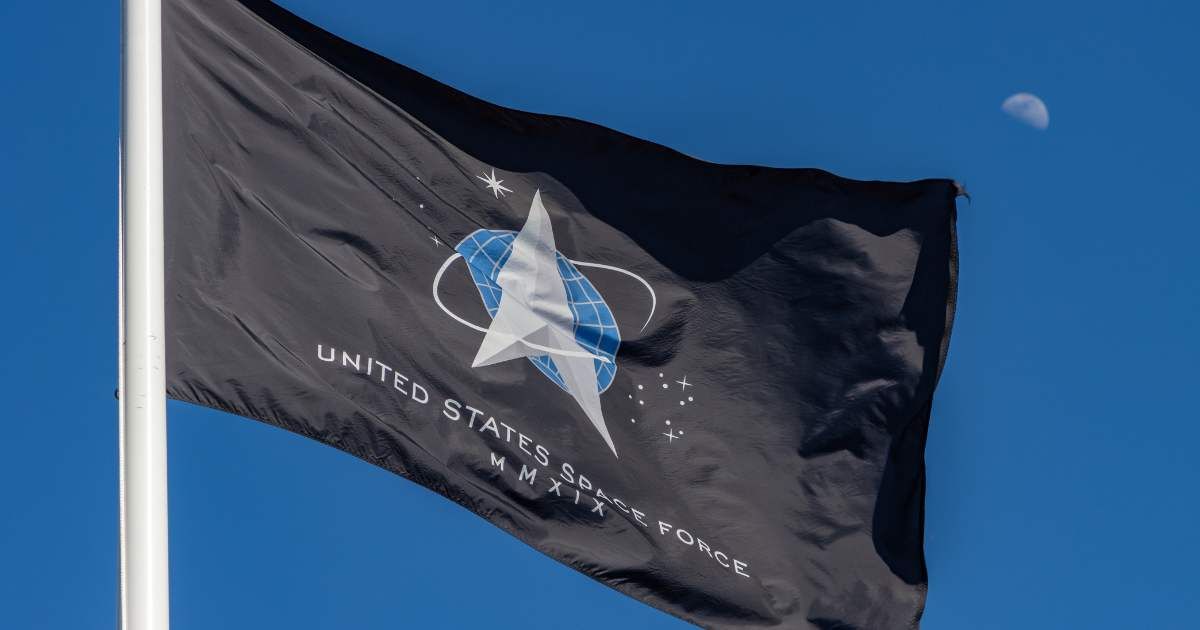
The United States Space Force has released details about the payloads it recently launched to the International Space Station as a part of the Space Test Program by the US Department of War. These were launched aboard the SpaceX CRS-34 resupply mission that departed for the orbital outpost on May 15, 2026. These technological payloads, representing some of the latest advancements in the fields of biotechnology and space technology, are aimed at enhancing national defense capabilities as well as furthering scientific research.
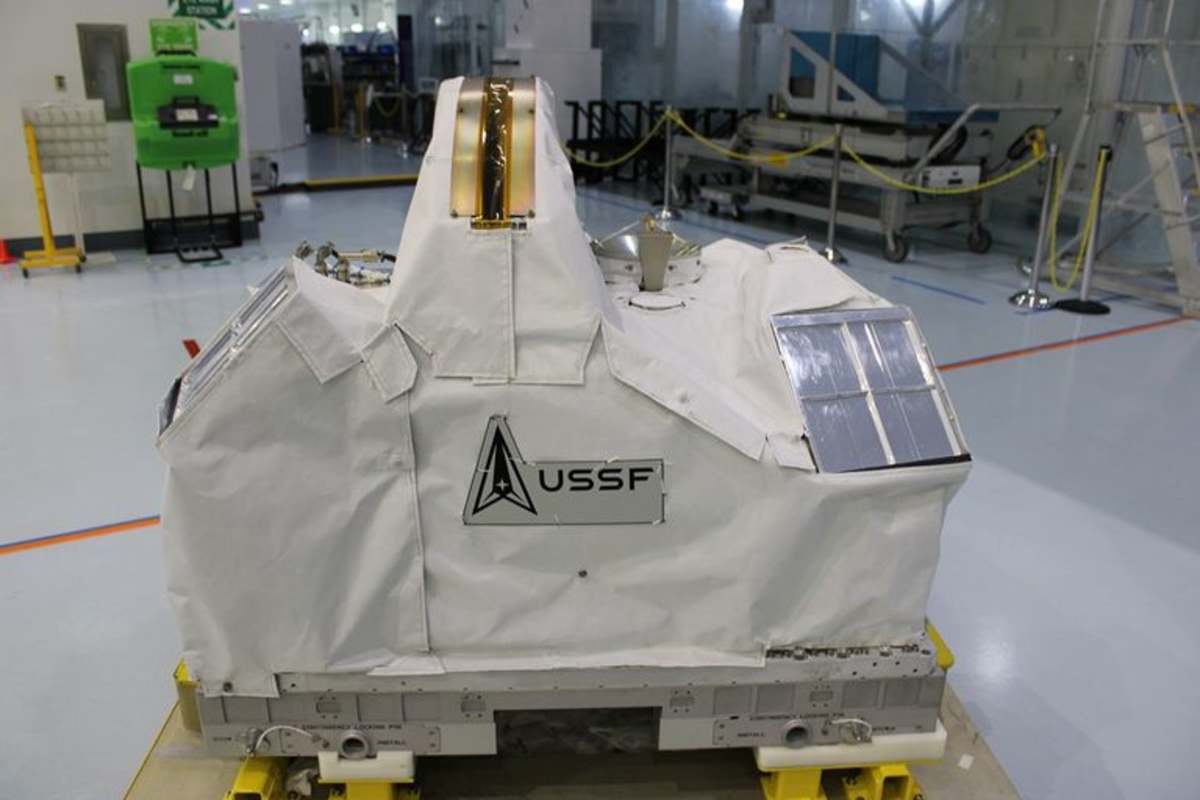
One of the payloads deployed is known as the Space Test Program-Houston 11 (STP-H11), which is a 1000-pound assembly that was packed into what is known as the 'Dragon Trunk' of the cargo capsule—an unpressurized part of the SpaceX Dragon. STP-H11 will be installed onto the exterior of the European Space Agency's Columbus module, where it will remain for at least a year. It contains four experiments prioritized by the DoW Space Experiments Review Board, alongside a scientific investigation called STORIE, which is led by NASA. The STP-H11 mission was supported in part by Space Systems Command's System Delta 89. SSC manages a $15.6 billion annual space acquisition budget for DoW, which the release states is spent on "acquiring, developing, and delivering resilient capabilities to outpace emerging threats and protect our Nation’s strategic advantage in, from, and to space."
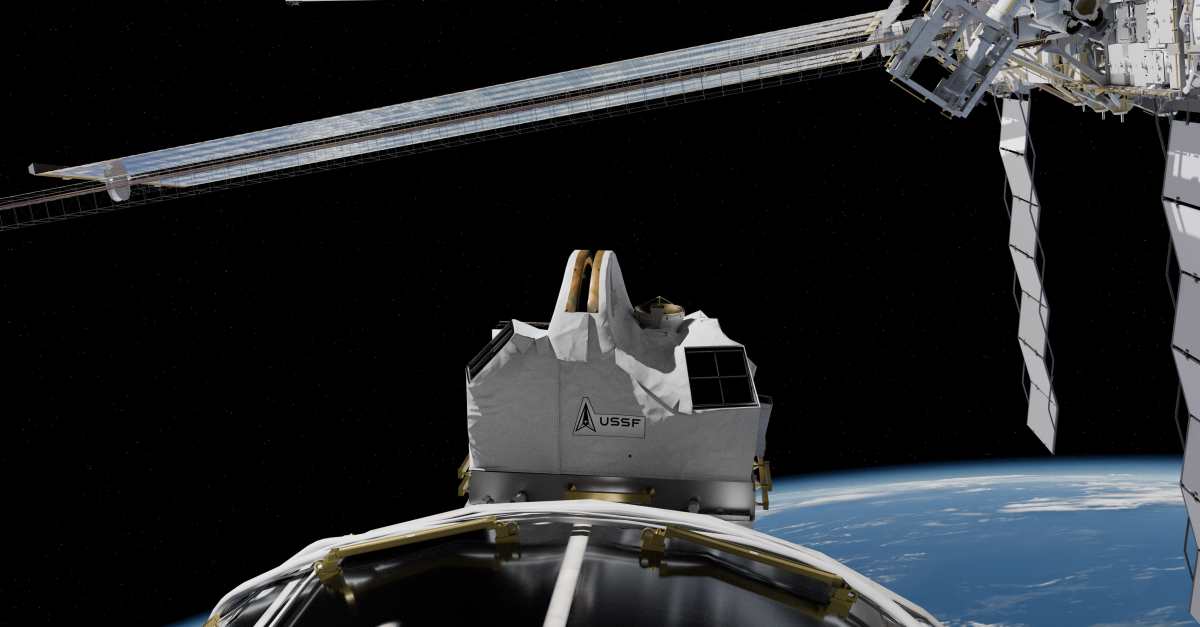
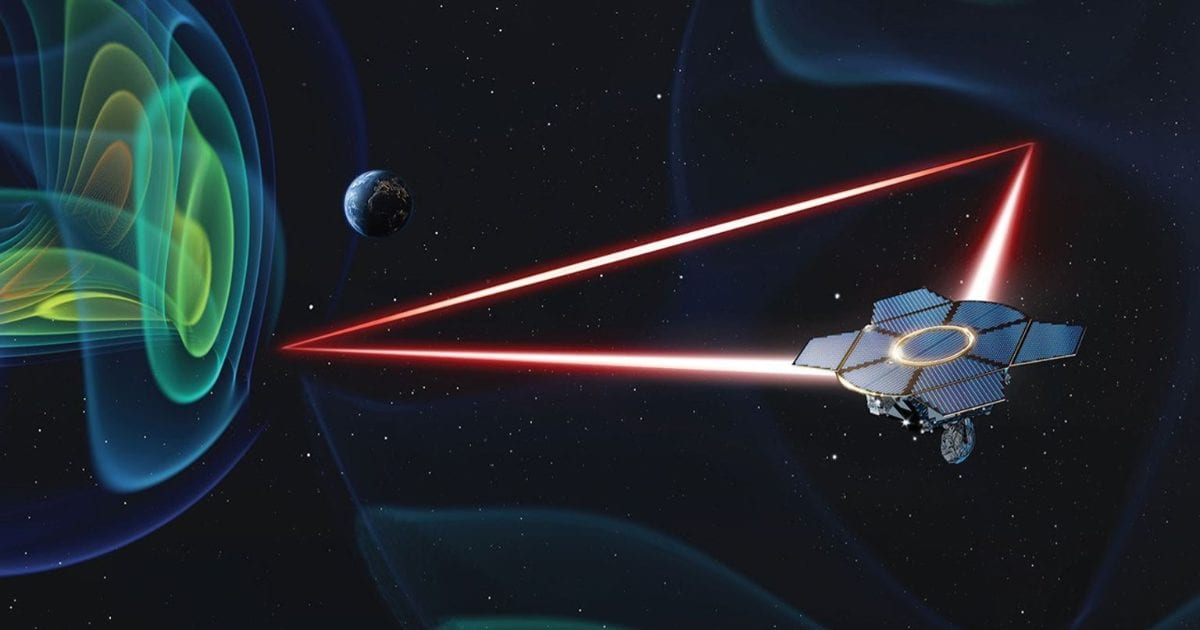
One of the military instruments is the Sensor to Calibrate and Analyze Radio frequency (RF) waves and Interstellar Frequencies, or the SCARIF project. It is a US Army Space and Missile Defense Command project and makes use of artificial intelligence and machine learning (AI/ML) models to calibrate terrestrial antennas directly against reference points in the galaxy. Meanwhile, the Autonomous Ion Mass Spectrometer Sentry (AMISS) instrument—a Los Alamos National Lab and US Air Force Academy project—is meant for the protection of vital infrastructure against electronic malfunction by monitoring natural perturbations and spacecraft charging.
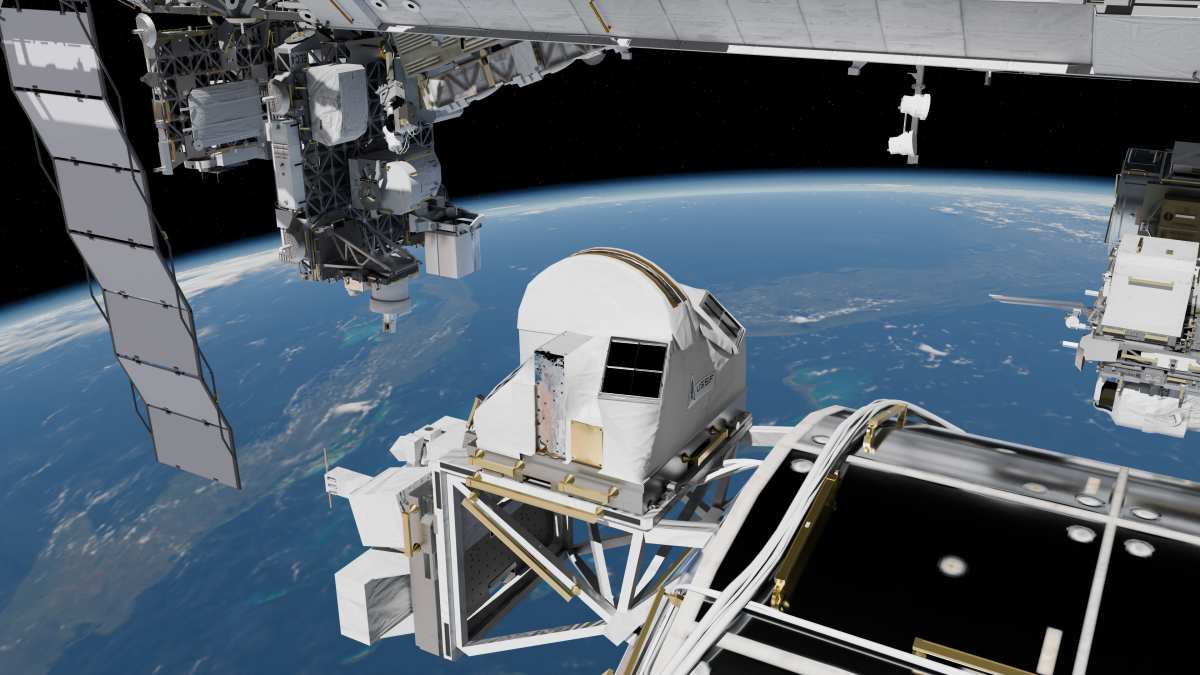
Another instrument that is part of STP-H11 is the DIAmond Drive for Enhanced Mobility, or DIADEM project, by the Air Force Research Laboratory to qualify a Diamond Electron Emitter for functioning in space. Rounding out the external military instruments is the Glowbug-2 demonstrator, which makes use of low-cost gamma-ray telescopes to study cosmic Gamma Ray Bursts and was developed by the Naval Research Laboratory. Besides these instruments, which were part of STP-H11, another mission called POLARIS (Polar Organisms Launched for Astrobiology Research in Ionizing Space) was also launched on top of the Falcon 9 rocket assigned to SpaceX CRS-34, which docked with the space station on May 17.
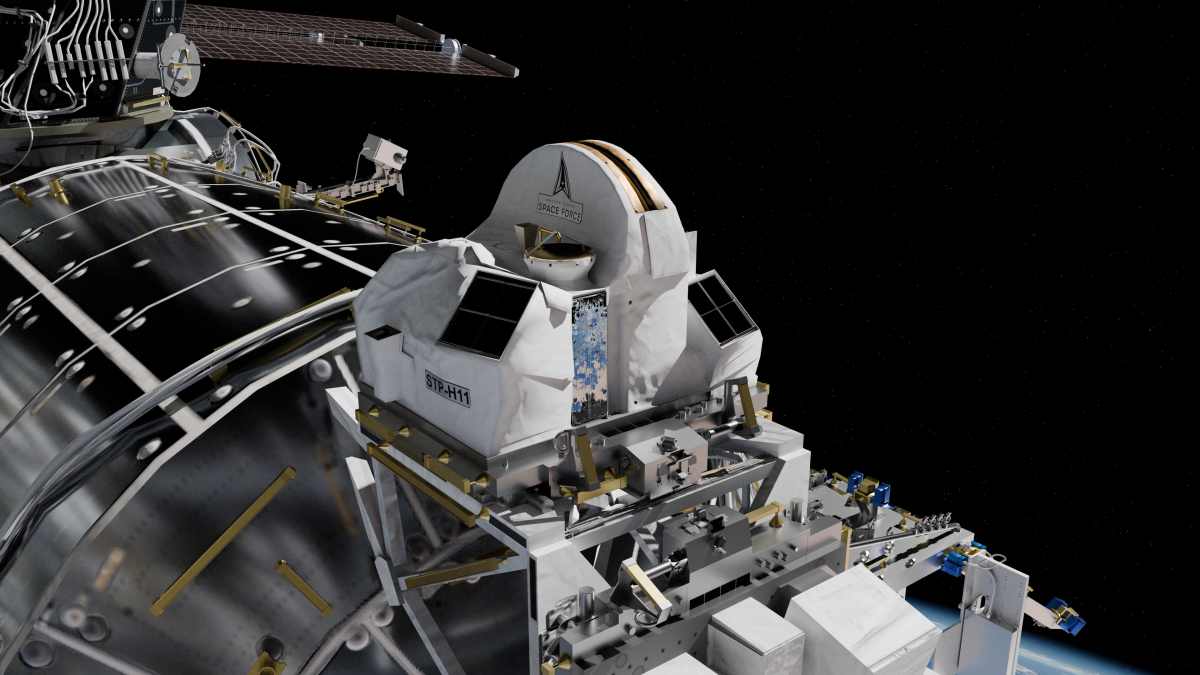
POLARIS will study "extremophile" microbes from Antarctica and Chile. This is a joint effort of the USAF Office of Scientific Research, the US Air Force Academy, and the Biociencia Fundación Científica y Cultural of Chile, as well as DoW STP. This instrument will also be placed robotically, albeit on the Materials International Space Station Experiment (MISSE) Flight Facility on board the orbiting lab. It will remain there for six months, after which it will be sent back to Earth aboard SpaceX-36 for analysis. "The findings from this research have the potential to revolutionize biofuel production and biomanufacturing in the world's most austere environments," the release noted.
More on Starlust
China launches Pakistan satellite into orbit, expands international ties amid Moon race with U.S.