International Space Station to retire in 2030: Here are major private habitats that will replace it
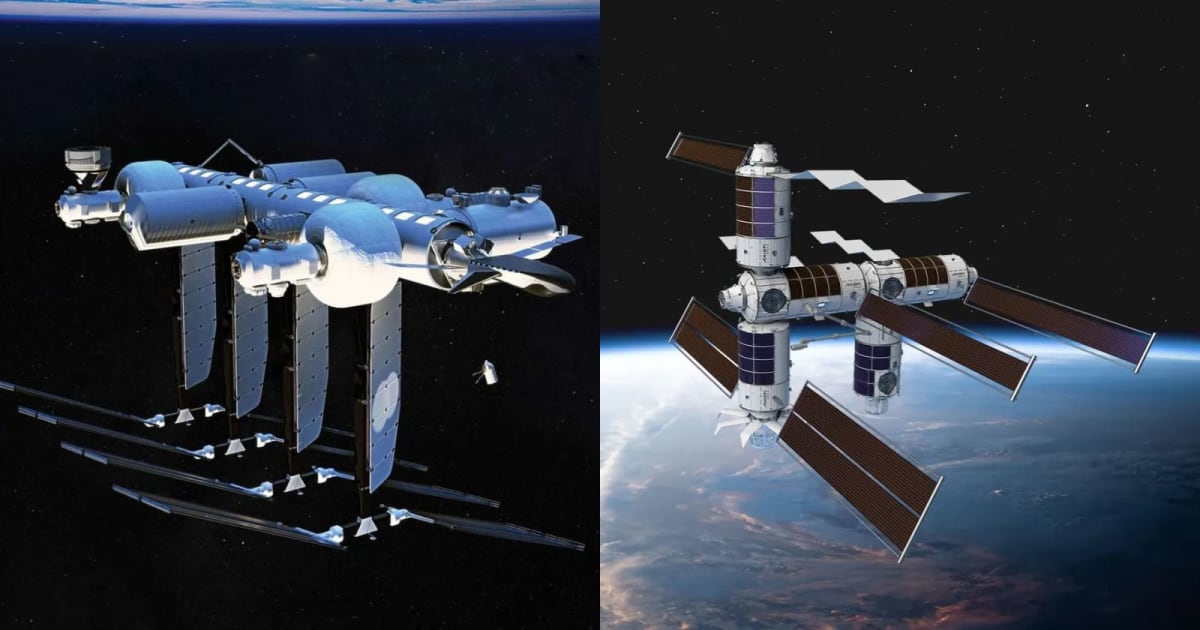
The International Space Station (ISS) is heading towards its retirement, with NASA planning to deorbit it in 2030. This giant orbital lab, which has supported human presence in low-Earth orbit for 25 years, will crash into a remote area in the Pacific Ocean, with some of its hardware burning up in the atmosphere and some settling on the ocean floor. As the station inches closer to its final years, several private companies are busy building habitats, which will ensure humans continue to occupy Earth’s orbit. The following are the major commercial habitats that will serve as replacements for the ISS when it’s gone.
VAST’s Haven-1
Haven-1 by VAST is targeted for launch in 2027, and it will support both private astronauts and government missions. It will be a single-module station capable of hosting a crew of four astronauts on a two-week mission. Haven-1 will measure 10.1 meters in height and 4.4 meters in diameter, with 45 cubic meters of habitable volume. According to VAST, the first mission to Haven-1 will launch with four astronauts aboard a SpaceX Dragon spacecraft and include opportunities to conduct advanced science, research, development, and in-space manufacturing. The station will have a port for the Dragon spacecraft to dock. Haven-1 will stay in orbit for three years and support four separate 14-day-long missions with four astronauts in each mission.
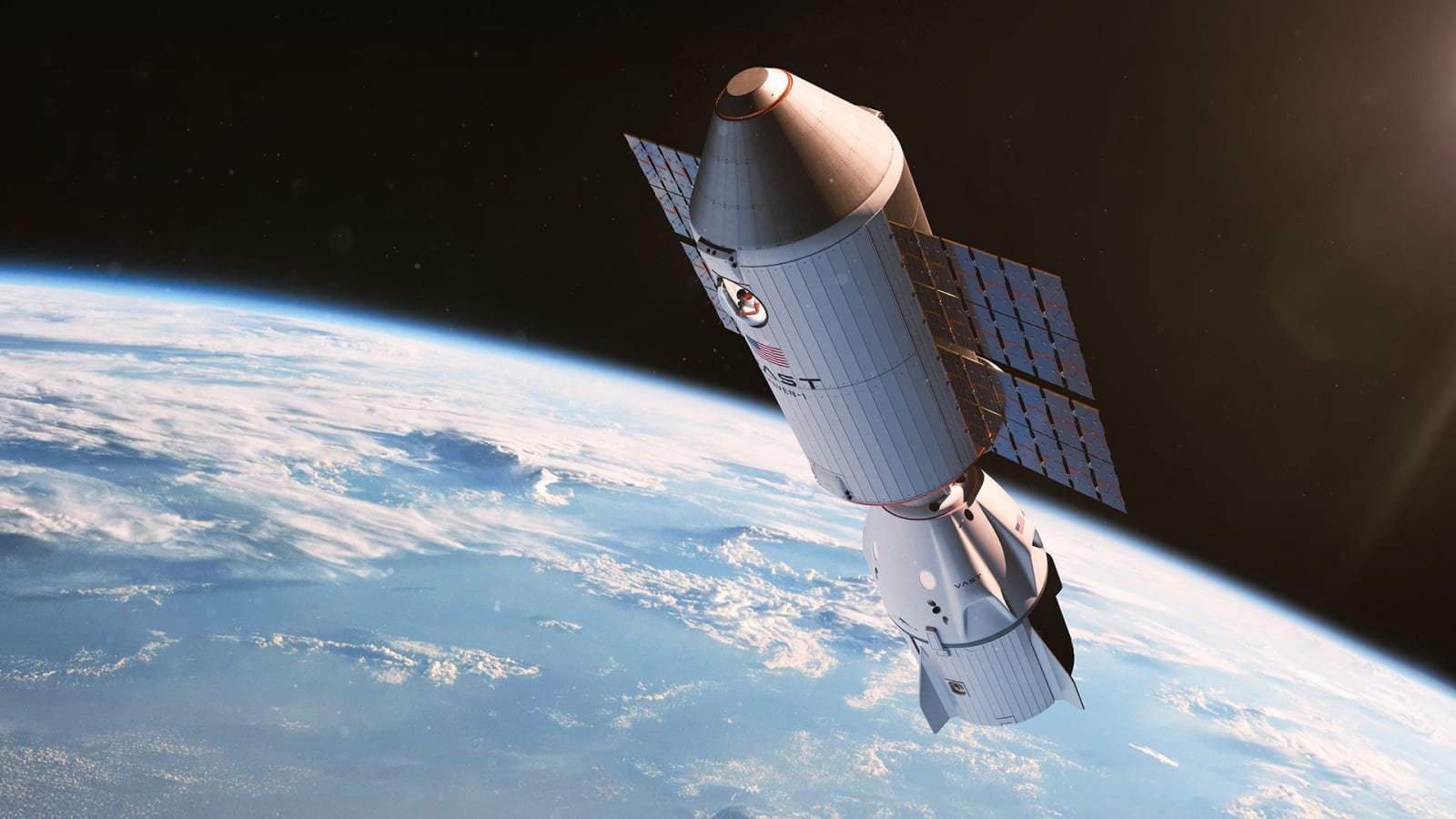
Haven-1 will be followed by Haven-2, with the first of its nine modules expected to be operational in 2028 and the construction to be completed in 2032. It will support a crew of 12 with a habitable volume of 510 cubic meters. Starting 2028, the modules of Haven-2 will launch every six months.
Orbital Reef
Orbital Reef is being jointly developed by Blue Origin and Sierra Space, among other partners, with support from NASA. And it’s being endorsed as a ‘mixed-use business park in space’ for commerce, research, and tourism. It will operate at an altitude of 250 miles and is expected to be operational by 2027, per a 2022 update, but it is likely to get delayed. In a statement, Blue Origin said that Orbital Reef will offer “research, industrial, international, and commercial customers the cost-competitive end-to-end services they need including space transportation and logistics, space habitation, equipment accommodation, and operations including onboard crew.”
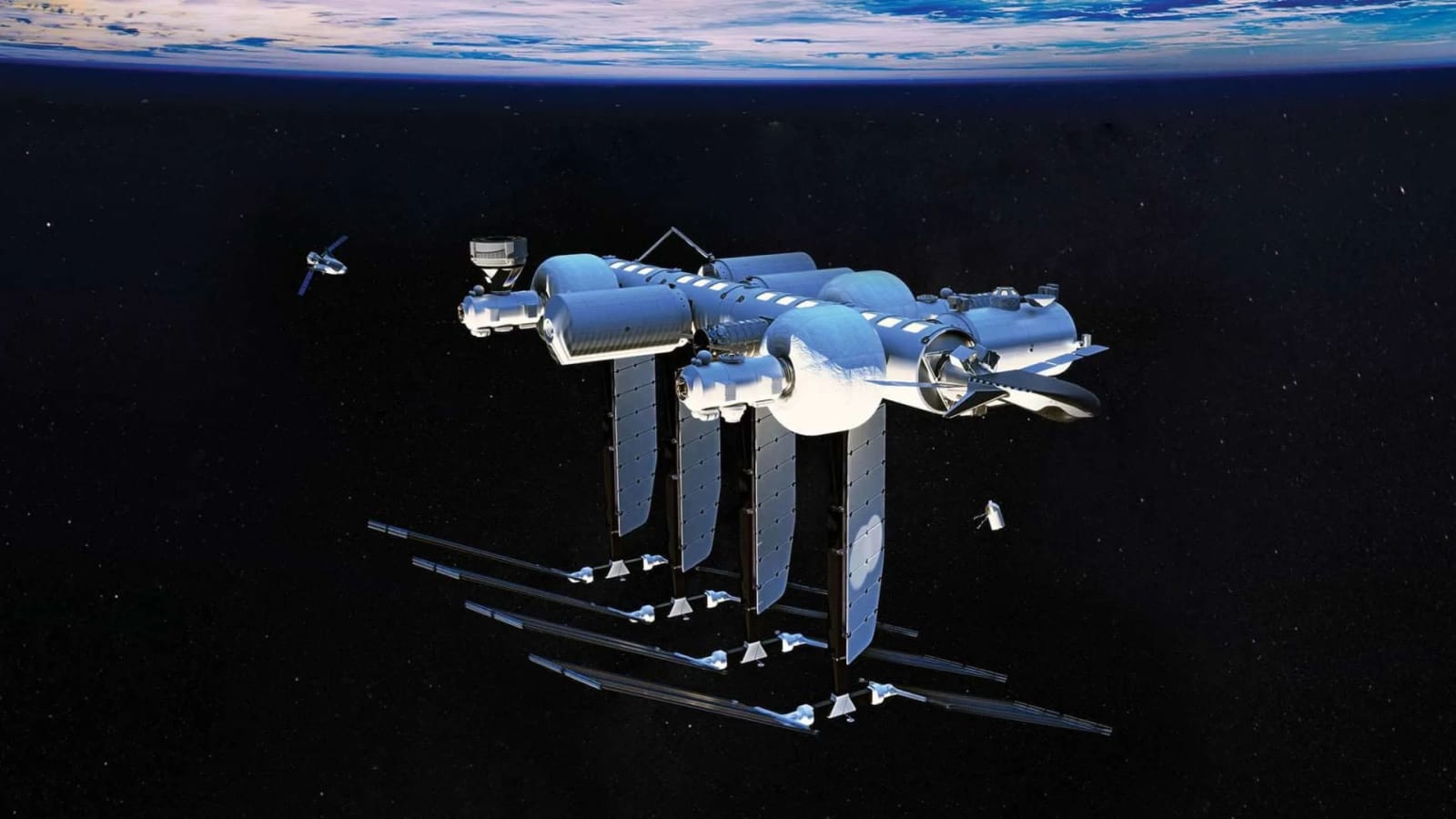
Orbital Reef will have a key component called Large Integrated Flexible Environment (LIFE), which is being developed by Sierra Space. After launch, LIFE will inflate in orbit into a three-story structure that is 27 feet in diameter. It will be able to support four astronauts, with additional room for science experiments, exercise equipment, a medical center, and a system that can grow fresh produce for the residents.
Axiom station
Axiom Space is also building a private habitat which is likely to launch this decade. The first module of the Axiom Station will attach to the ISS, and before it is deorbited, the module will detach and rendezvous with other Axiom modules to become a free-flying commercial station.
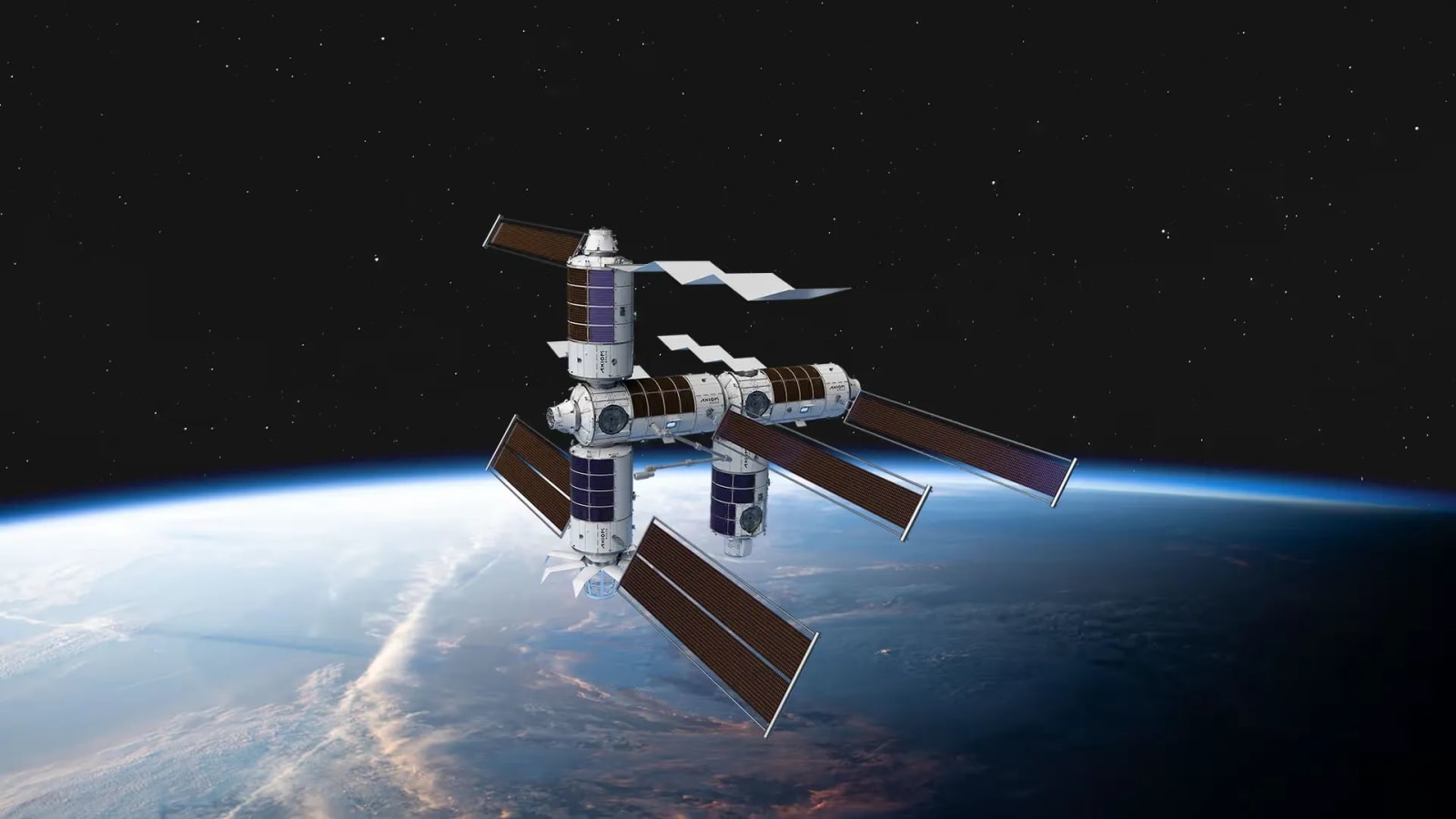
Its construction will start with the launch of the payload module, where research racks will be transferred from the ISS. Once the ISS is gone, the payload module will attach to the crew quarters, capable of supporting a crew of eight, an airlock for spacewalks, and a research and manufacturing module.
Starlab
Voyager Space and Airbus, along with NASA and other partners, are building Starlab, which has a single large module measuring 17 meters tall and 7.7 meters wide. It will operate 500 km, or 300 miles, above Earth and will be able to support a crew of 4, with a capacity for 8 during crew handovers.
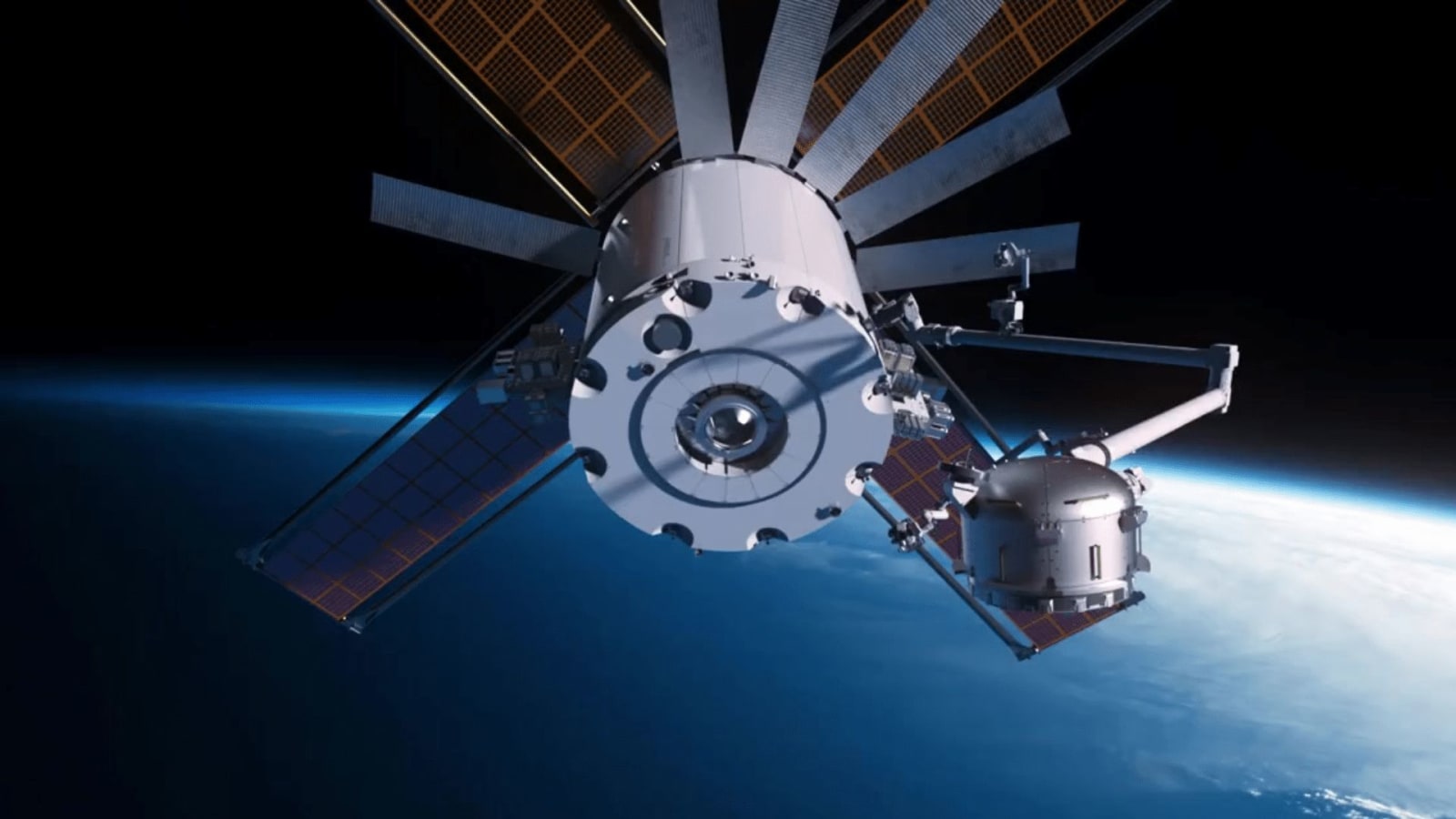
The station will consist of multiple decks, including living quarters, storage space, and a laboratory, and will have three ports to allow docking of multiple spacecraft. It is reportedly scheduled for launch in 2029 atop SpaceX’s Starship.
More on Starlust
AI flying a spacecraft? U.S. firm AstroForge to launch fully autonomous mission in 2027