SpaceX launches 53 new Starlink satellites in less than 19 hours from two U.S. coasts
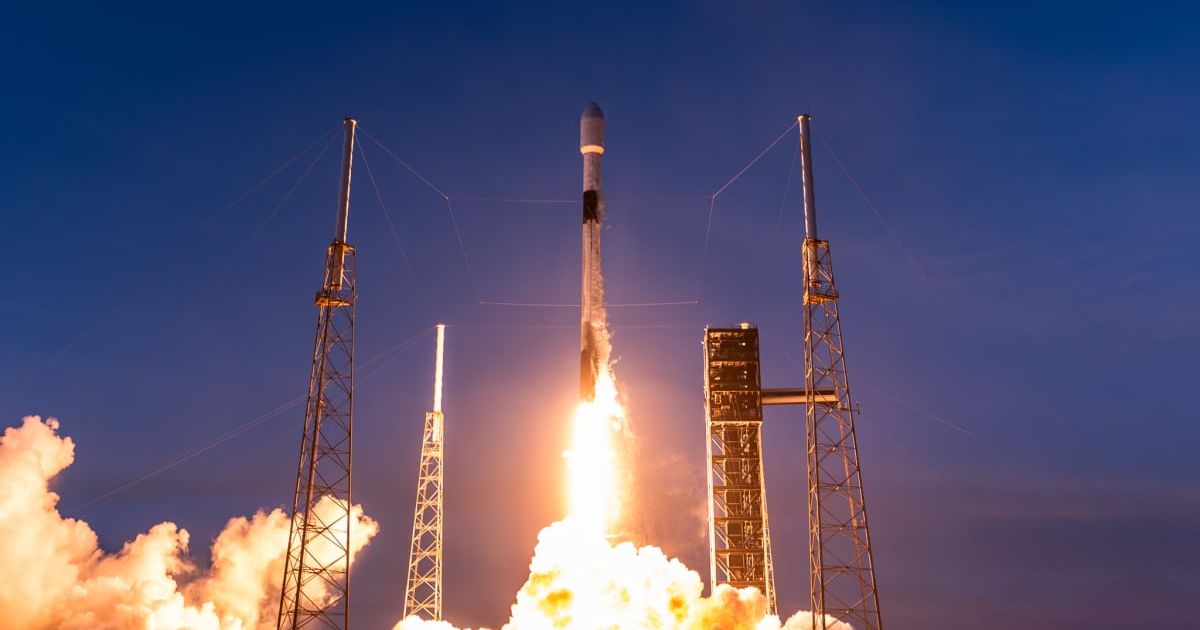
On June 3 and 4, SpaceX launched two Falcon 9 rockets carrying a combined 53 new Starlink satellites into orbit, with just 19 hours separating the two launches. The first rocket lifted off from California's Vandenberg Space Force Base at 11:40 a.m. EDT on Wednesday with 24 satellites on board. Less than a day later, a second rocket shot up from Florida's Cape Canaveral Space Force Station at 6:26 a.m. EDT on Thursday, carrying 29 more. With these satellites deployed, SpaceX now has over 10,500 active Starlink satellites in low-Earth orbit, out of more than 12,162 launched since 2019. As of now, Starlink has over 12 million active customers across more than 160 countries.
Falcon 9 launches 24 @Starlink satellites from California pic.twitter.com/x5xx9Z4z8g
— SpaceX (@SpaceX) June 3, 2026
The California launch used a booster that's already flown 15 times before. It lifted off from Space Launch Complex 4 East carrying Starlink batch 17-47. Meanwhile, the Florida launch featured a booster with 11 previous flights under its belt. It launched from Space Launch Complex 40 carrying Starlink batch 10-43. Both came back down and landed safely on ocean droneships. The California booster touched down on a ship called "Of Course I Still Love You," and the Florida booster landed on "A Shortfall of Gravitas."
Falcon 9 launches and deploys 29 @Starlink satellites from Florida pic.twitter.com/ODzPDs3Esk
— SpaceX (@SpaceX) June 4, 2026
Starlink’s goal is to provide high-speed internet to people across the world, even in places where it has typically been expensive, unreliable, or even unavailable. A Starlink satellite typically has a lifespan of around five years, and SpaceX want to have 42,000 of them in orbit. Each satellite in the constellation acts as a relay, bouncing signals between ground stations and user terminals on the ground. More satellites mean more places covered, more reliable service, and fewer dead zones.

Besides sending Starlink satellites to orbit, SpaceX is also working on crewed missions to the Moon and even Mars. During the live countdown for the debut launch attempt of Starship Version 3 on May 21, SpaceX named cryptocurrency entrepreneur Chun Wang as commander of its first private Mars flyby mission. The launch of Starship Version 3, however, did not happen on the day due to an issue with the launch hardware. The Mars mission will span two years, with the flyby lasting a couple of hours. “It will light the fire. It will ignite the imagination, and it will build momentum. After we come back from Mars, we will have the opportunity to take some real photos, especially of Mars. Mars will no longer become a distant place. It will become a reality," Chun Wang shared during the announcement. The company is yet to announce a target launch date and the names of other crew members.
More on Starlust
Blue Origin's rocket explodes on launch pad in Florida—a look at New Glenn's troubled past