SpaceX Falcon 9 rocket to collide with Moon on 5 August, 2026: Impact time, risks—everything to know
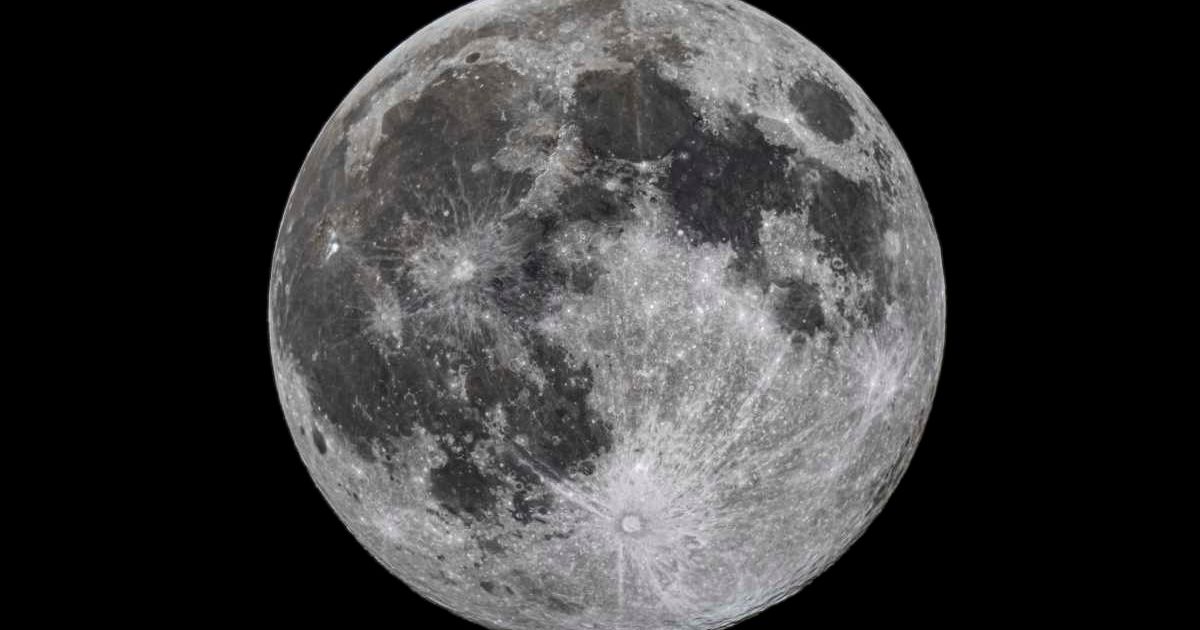
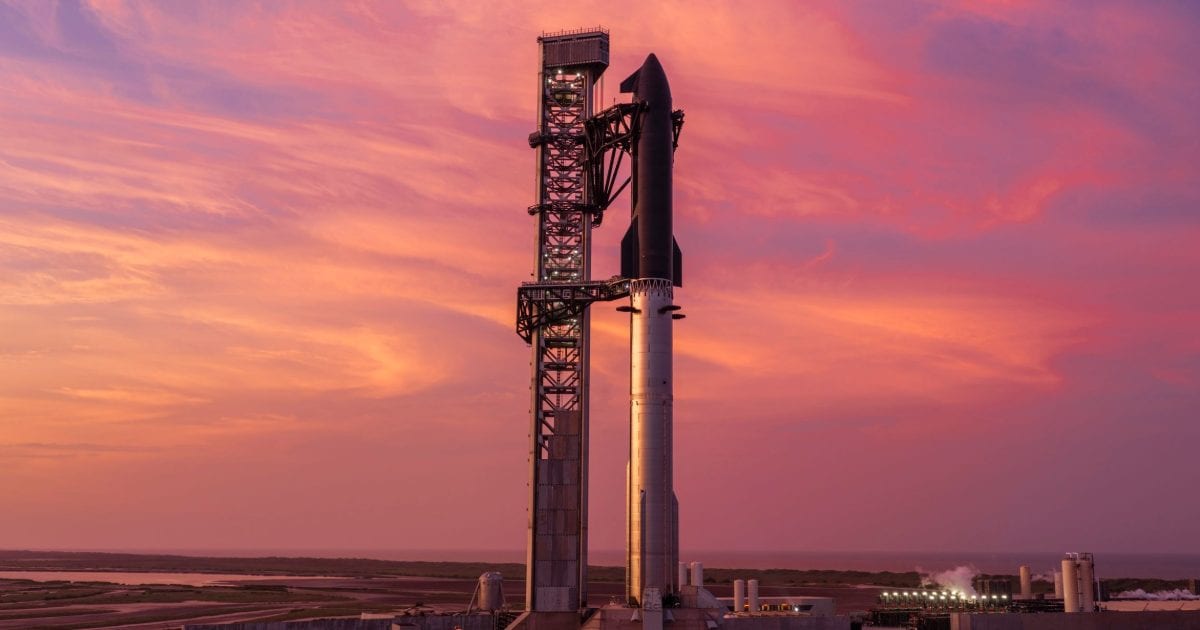
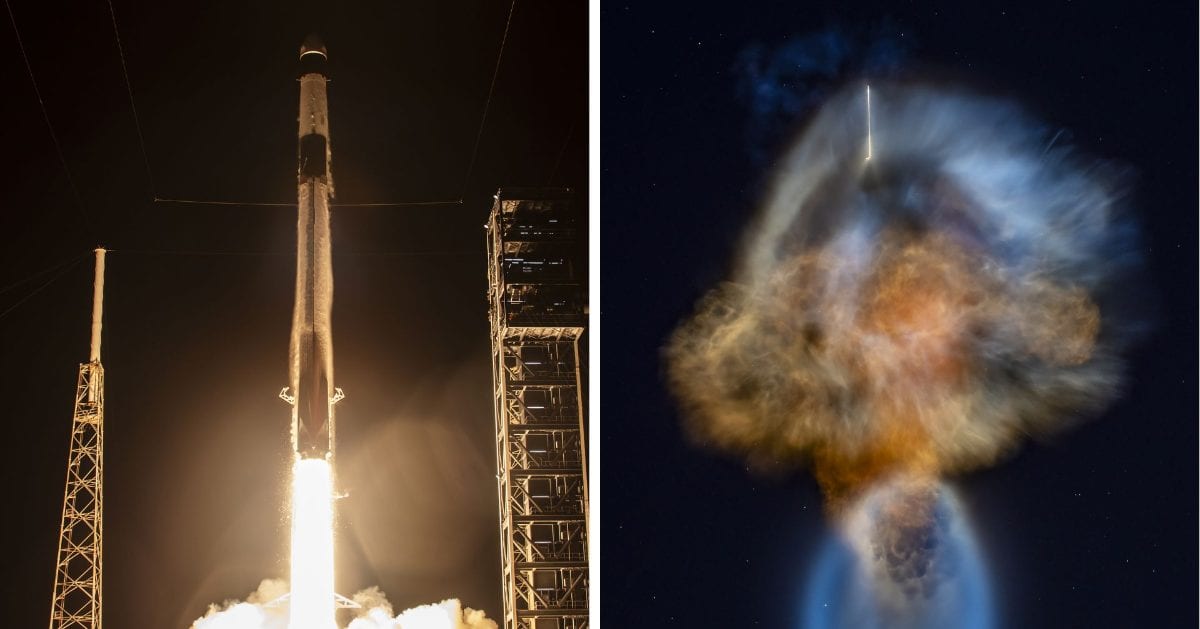
A leftover piece of a Falcon 9 rocket from a SpaceX mission is set to crash into the Moon on 5 August, 2026, more than a year after its launch in early 2025. Launched in early January last year, the SpaceX rocket carried two private lunar landers—Firefly's Blue Ghost Mission 1 and ispace's HAKUTO-R M2 lunar lander—and while the mission was largely considered a success, a piece of the Falcon 9 rocket was left in a highly elliptical orbit between the Earth and the Moon. Although the piece of the Falcon 9 spent over a year in space without incident, astronomers tracking the object have now formally confirmed the date and time of its impending collision with the lunar surface.
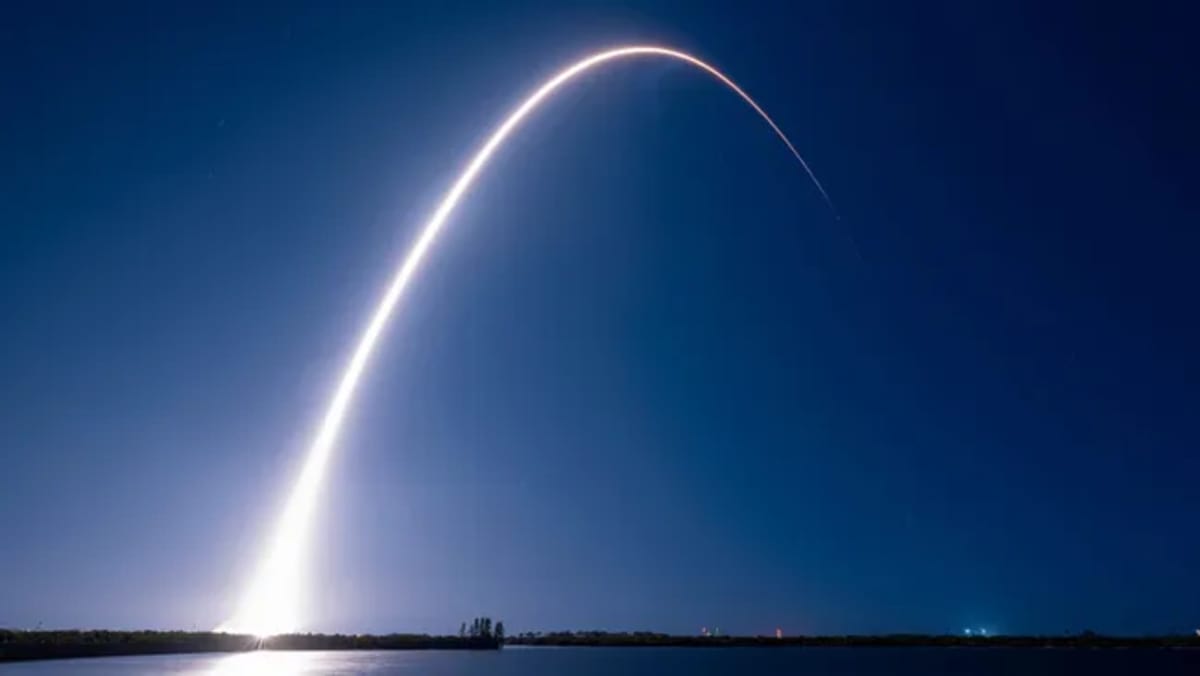
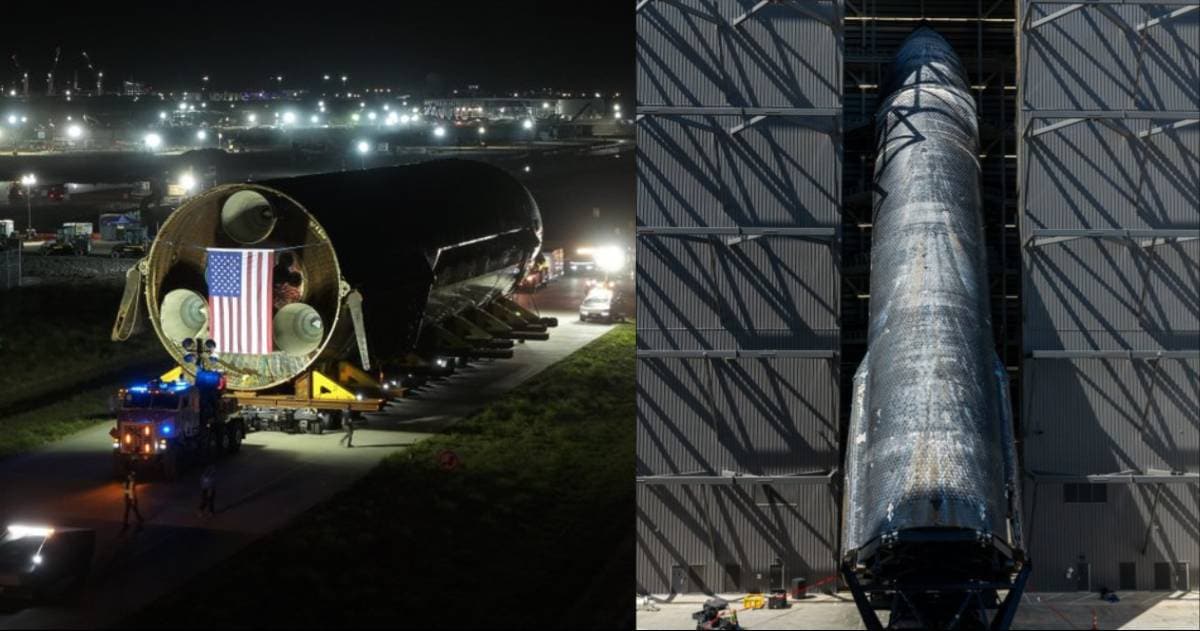
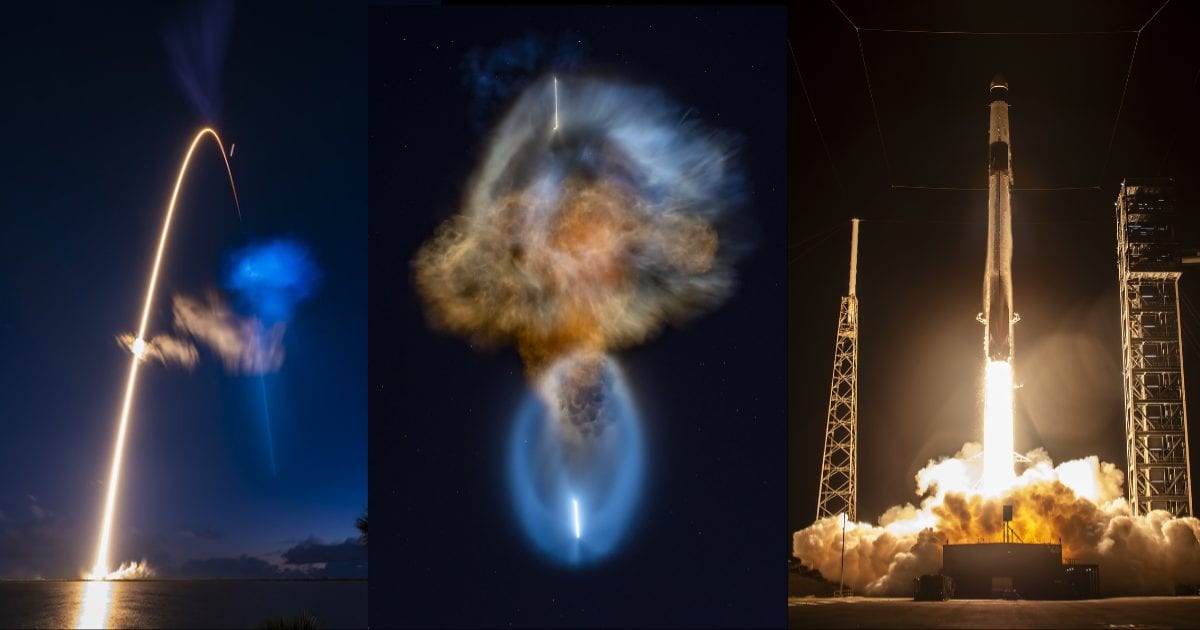
For those catching up, the SpaceX mission carrying the two landers lifted off at 06:11 AM UTC on 15 January, 2025 (11:11 PM PT on 14 January, 2025), and successfully delivered its payloads. While the Blue Ghost Mission 1 lander reached the lunar surface, making it the first private lander to do so, the HAKUTO-R M2 lander was lost 90 seconds before touchdown. The upper stage of the Falcon 9 rocket—standing 13.8 meters (45 feet) tall and with a 3.7-meter (12 feet) diameter, and labelled 2025-010D—meanwhile, failed to re-enter the Earth's atmosphere, and remained in an intersecting orbit with the Moon, avoiding collisions up until now. However, both objects will pass through the same point in their orbit at roughly the same time on 5 August, 2026, making a collision unavoidable.
Collision path confirmed by orbital analysis
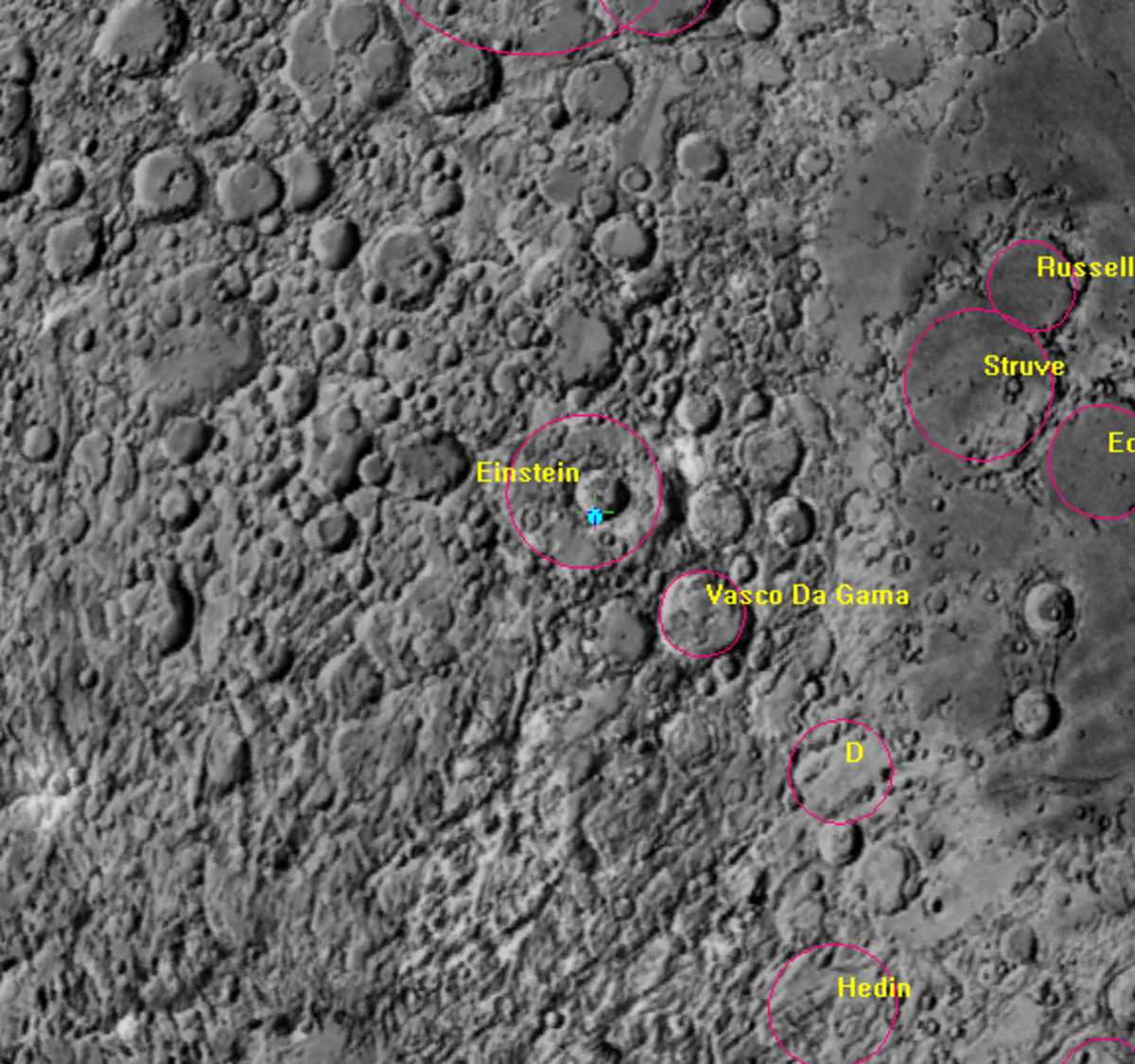
While astronomers had been tracking the upper stage of the Falcon 9 since the mission, the creator of the Project Pluto tracking system, Bill Gray, has confirmed that the leftover piece is expected to collide with the Moon at approximately 06:44 AM UTC on 5 August, 2026 (11:44 PM PT on 4 August, 2026). The object will crash into the lunar surface at approximately 5,400 miles per hour (8,700 km/h), about seven times the speed of sound, close to the Einstein crater on the near side of the Moon, as per Gray's projections, which draws on over 1,000 observations of the orbiting rocket.
Gray, in the latest update to Project Pluto's data page for the Falcon 9 rocket, confirmed that the impact was indeed expected on the aforementioned date and time, but added that there could be minor deviations from his projections. "The problem is that space junk in general, and 2025-010D in particular, is also pushed around by sunlight ('solar radiation pressure'). This is an extremely gentle force, but over months, it can really build up. And it's not entirely predictable. As an object tumbles, it may catch more or less sunlight, and may reflect some of it sideways. So sunlight is mostly pushing the object away from the sun, but there's a slight bit of pushing in other directions as well," explained Gray, adding that there was a slim chance of the object landing on the far side as well. "I don't expect it to shift by that much, but space junk can do some odd things over a few months, and I can't completely rule it out yet," the amateur astronomer wrote.
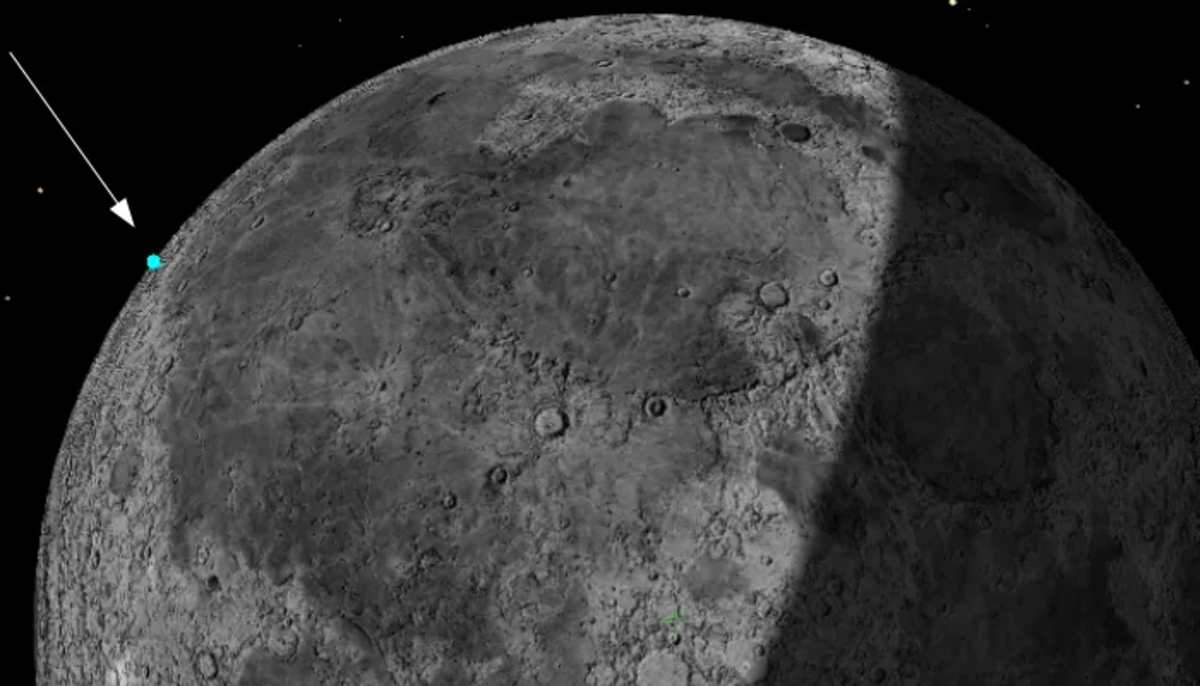
"With enough data, we can actually figure out where the forces are pushing an object. But they do change a little over time in ways that aren't perfectly predictable. So I can be sure it will impact near the time and place I've predicted, but those varying forces mean that the actual impact will be at least a little off from that time and place. That's the largest source of uncertainty in all this, and there's no way to correct for it; we just have to wait and see what actually happens," the Project Pluto founder, who also created the astronomy and telescope-tracking application Guide, added.
A rocket booster will slam into the Moon on August 5. 2025-010D is the upper stage of a Falcon 9 rocket that brought the Blue Ghost Mission 1 to the Moon. pic.twitter.com/DS7EqYuAZb
— Tony Dunn (@tony873004) May 2, 2026
Will the impact be visible from Earth?
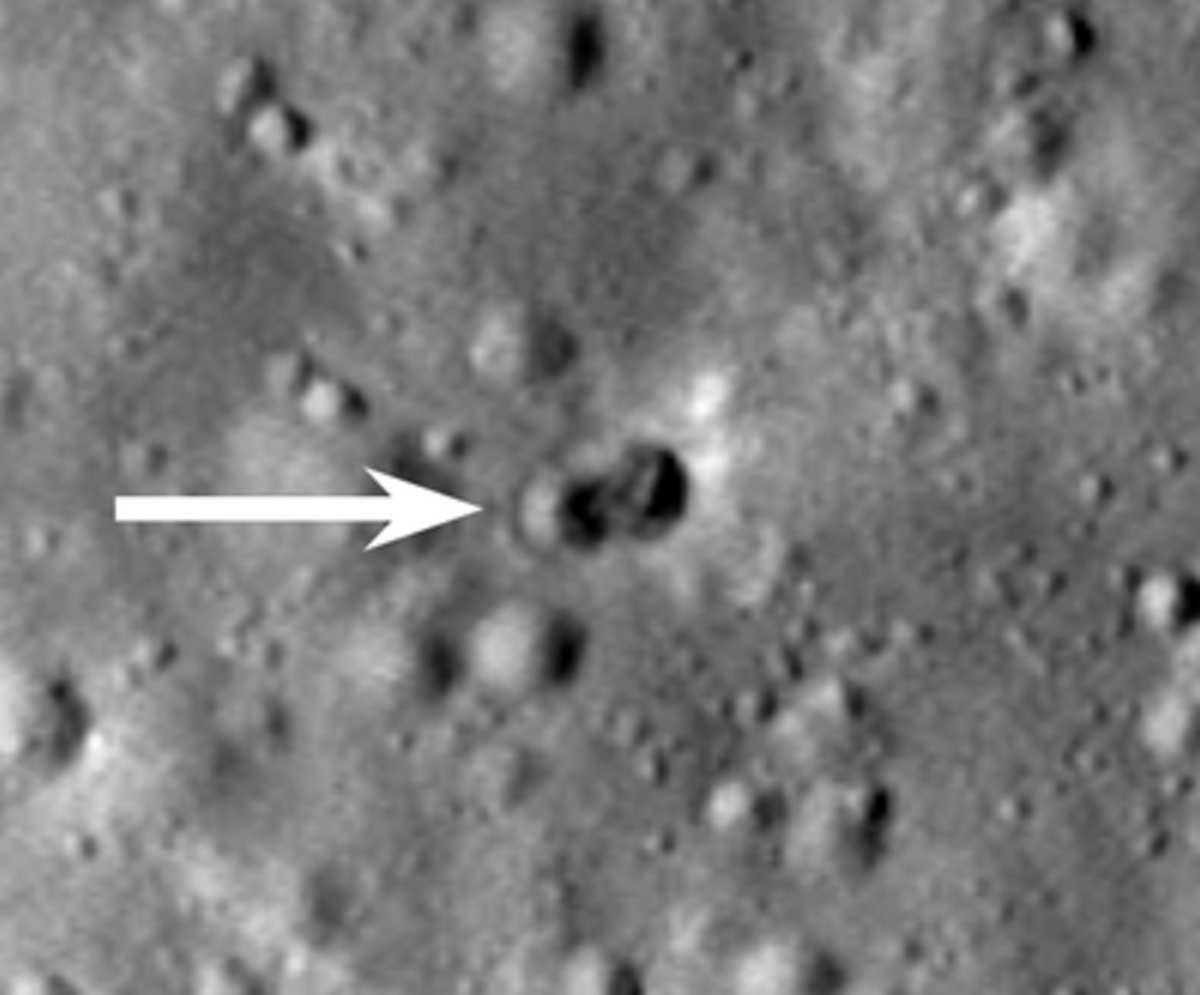
Although impact is expected to take place on the near side of the Moon, which is visible from the Earth, Gray said that the collision was likely to be too faint to be visible from the Earth. However, the impact crater left by the crash landing of the Falcon 9 upper stage is likely to leave a crater large enough to be spotted by the Lunar Reconnaissance Orbiter (LRO), and we could, in the future, get photos of the crash site, in the same way that the LRO photographed the crater left by the crash landing of the upper stage of the Long March 3C rocket used in China's Chang'e-5 T1 mission back in 2022.
Will other missions be impacted?
The impending crash landing of the Falcon 9 upper stage is not expected to impact any missions to the Moon. Gray noted that the impact from the collision would spew lunar debris out into space, some of which could, conceivably, go around and hit one of the Chinese lunar landers. However, he added that neither of the two Chinese landers was within proximity, and the chances of debris hitting them from the 5th August impact had "very long odds against it".
"It doesn't present any danger to anyone, though it does highlight a certain carelessness about how leftover space hardware is disposed of," Gray told Space.com, commenting on the impending collision.
Past instances of lunar impact
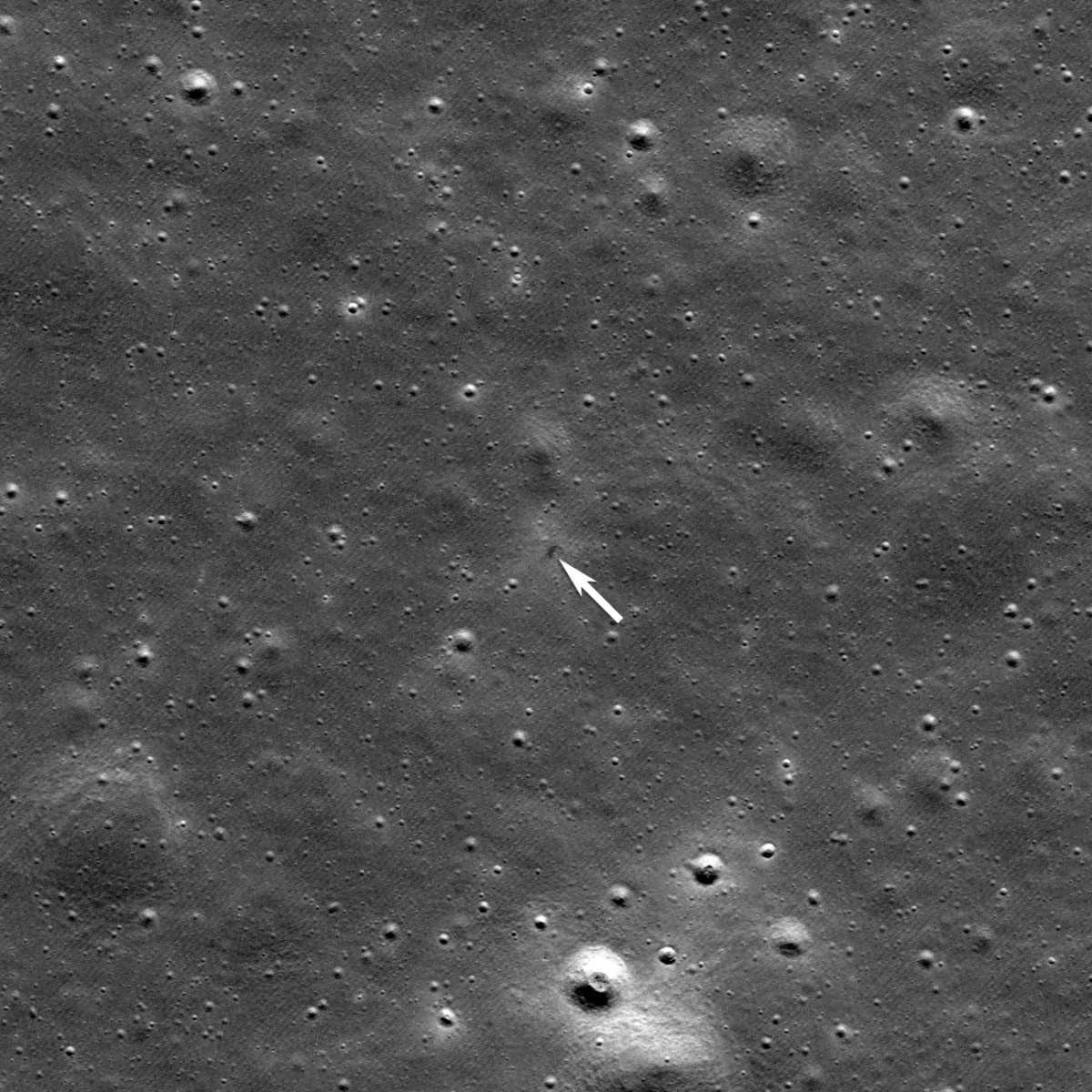
The Falcon 9 upper stage's impending collision with the Moon won't be a first, with several earlier space missions having suffered similar fates. Throughout the 1970s, the upper stages for rockets used in the Apollo 13 to 17 missions all crashed on the lunar surface, as did many of the mission's lunar landers, probes, and other associated hardware. Subsequently, in 2009, NASA's Lunar Crater Observation and Sensing Satellite (LCROSS) mission deliberately crashed into the Moon to see if water ice could be found in the ejected debris. A few years back, in 2022, China's Chang'e-5 T1's second stage also crashed into the Moon, while most recently, the HAKUTO-R-M2 lander malfunctioned and collided with the lunar surface during descent.
Growing concern over space debris in cislunar space
As lunar exploration expands, experts warn that careful planning of spacecraft disposal will become increasingly important to avoid long-term risks and pollution in cislunar space, especially as human-driven exploration picks up. "In a few years, things may be different. That [human-driven exploration] raises the stakes considerably. If I were sending an upper stage to high orbit, I would think about where it was going. You might launch an upper stage today, and then years later see a real problem," Gray told Space.com.
More on Starlust
Scientists aim to curb space junk risks by using AI to locate debris in the Earth–Moon region