Voyager 2 gets a lifeline after 'Big Bang fix': How NASA is extending the probe's life
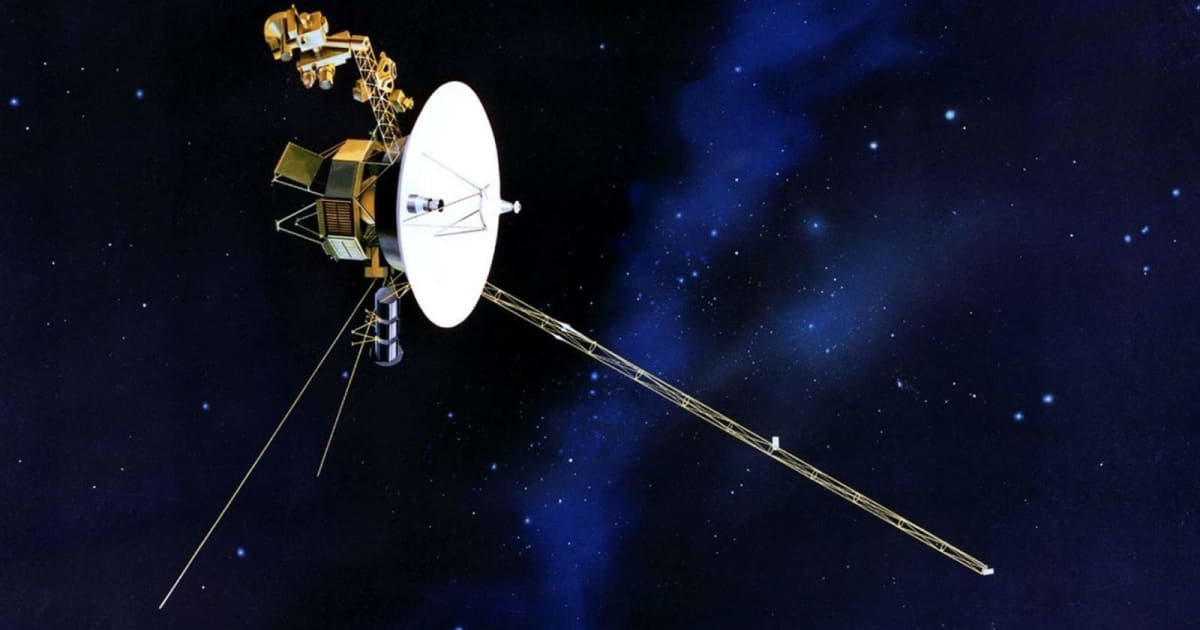
More powered devices on the Voyager 2 spacecraft have been shut down to extend its lifespan, NASA announced on Wednesday. In an update, the agency said that mission controllers at the Jet Propulsion Laboratory (JPL) have switched on lower-power alternatives while ensuring the probe remains warm enough to operate. The Voyager probe relies on a radioisotope thermoelectric generator, which generates electricity by converting heat from the decay of plutonium. Over the last 49 years, the spacecraft has been losing around four watts of power annually, and NASA has continually shut down multiple instruments to prolong its science operations.

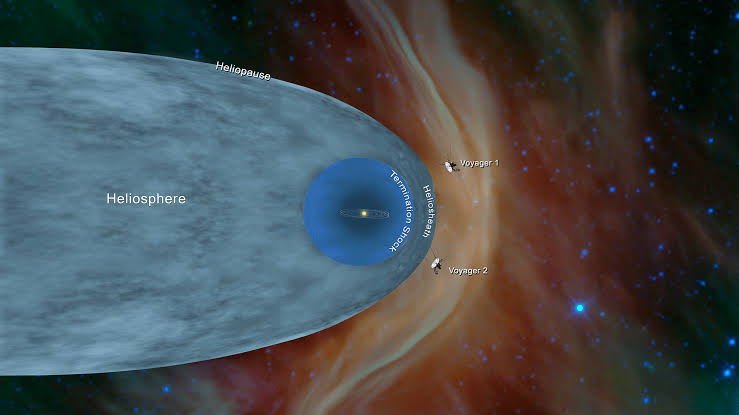
Voyager 2 launched on August 20, 1977, 16 days before Voyager 1, which took off on September 5. Voyager 2 launched first because it was placed on a longer, slower trajectory designed to study the outer solar system planets of Uranus and Neptune. Despite launching second, Voyager 1 arrived at Jupiter and Saturn first and, in August 2012, became the first human-made object to exit the heliosphere (a protective bubble that encloses the solar system) and enter interstellar space. Voyager 2 became the second interstellar spacecraft in November 2018.
Launched with 10 instruments, Voyager 2 currently has just three of them online to conserve power and last for a few more years. In the latest instance, JPL engineers on July 9 carried out what they call ‘the Big Bang’ power-saving procedure, which involved simultaneously turning off certain powered devices and switching to ones that consume less power. “Without the Big Bang activity, the mission would have had to turn off another instrument on Voyager 2 before the end of 2026. The savings should provide power to keep its three instruments operating for at least an extra year,” the NASA statement read. They shut off two dedicated heaters along with a digital tape recorder that was being used solely for the residual heat it supplied, CNN reported.

Since 2024, two other key science instruments have been turned off on each of the Voyagers. The Voyager 1 probe currently has just two operational instruments. In the coming months, the mission team will complete another ‘Big Bang’ activity to implement the same measure on Voyager 1 to ensure the dwindling power doesn’t affect its operation.
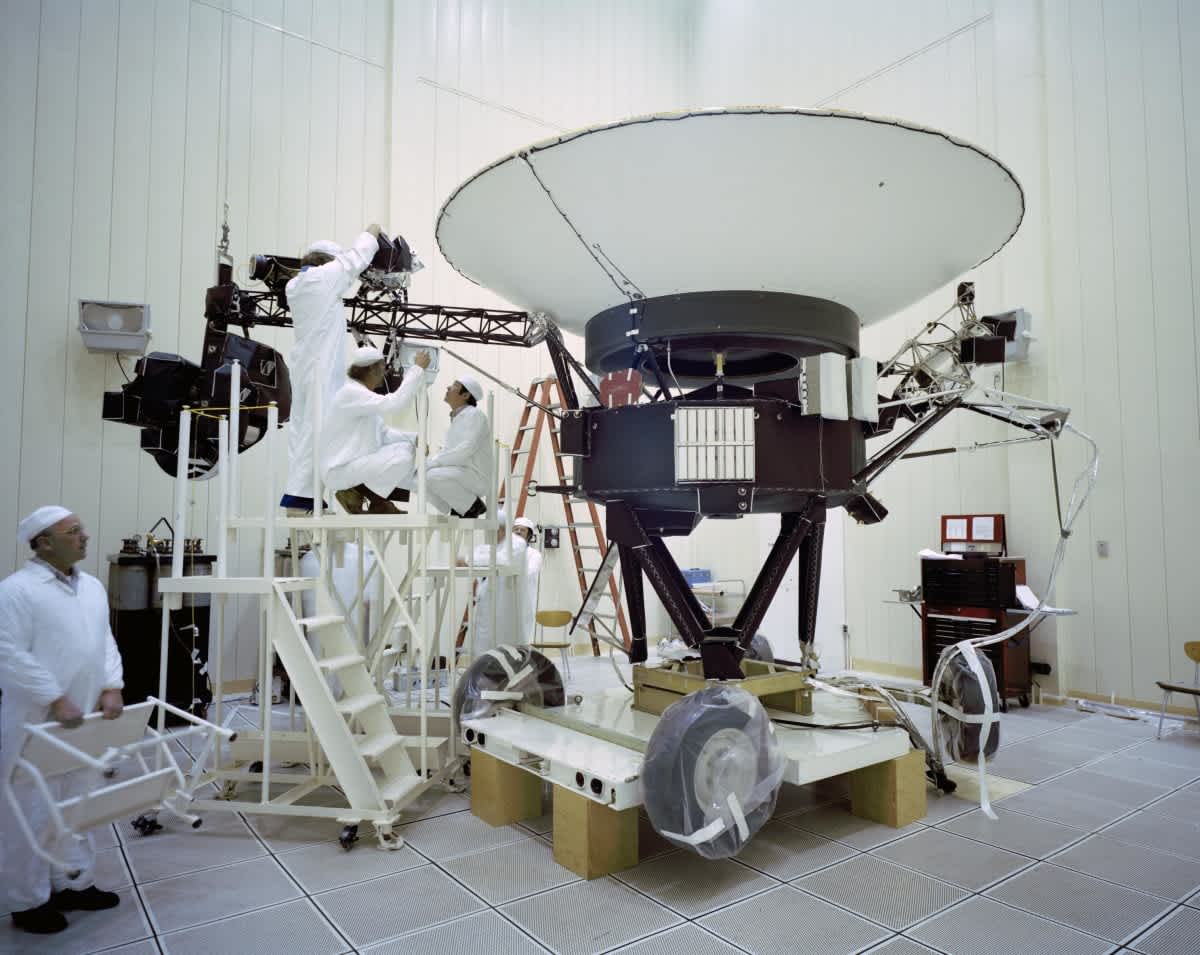
An important condition for the Voyager probes to work is that their antennas must point toward Earth at all times, and that requires maintaining enough heat in the cold temperatures of interstellar space so the propellant lines don't freeze. As of August 2026, Voyager 1 is more than 15.8 billion miles (25.5 billion km) from Earth, whereas Voyager 2 is over 13 billion miles (21.4 billion km) away. You can track their location here. With Voyager 2, command signals take 20 hours to reach the spacecraft and another 20 for the team to receive its response. Interestingly, Voyager 1 will be one light-day away from Earth on November 18, 2026, meaning a one-way radio signal will take 24 hours and two-way communication will take 48 hours.
More on Starlust:
NASA’s Juno spills surprising subsurface secrets of our solar system's most volcanic world, Io
NASA’s Mars-bound ESCAPADE mission snaps family portrait of Earth and the Moon