SpaceX reframes aborted launch of Starship V3 as dress rehearsal after another delay; sets new date
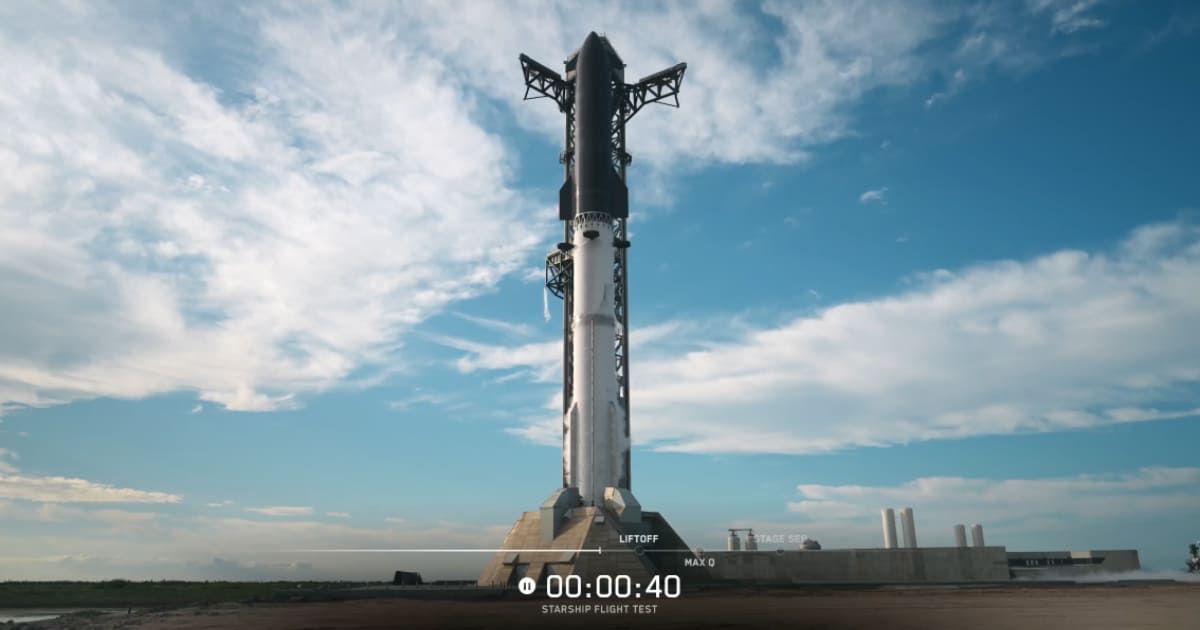
SpaceX has confirmed that the much-awaited 12th flight test of the newest iteration of its Starship, scheduled for the evening of May 21, 2026, has been scrubbed following an issue with the launch hardware. Dan Huot of SpaceX communications, speaking during the live coverage of the event, stated that while the lift-off had been postponed, the countdown ended up serving as a wet dress rehearsal for the massive 2-stage rocket. This will provide the Texas-based company additional data about how the rocket's systems function when its tanks are filled with cryogenic propellants before their next launch attempt, now set for a window that opens no earlier than 6:30 p.m. EDT on May 22, 2026.
This quick turnaround for the rocket to lift off from the newly-built launchpad at the company's Starbase facility in Texas follows a string of recent delays, including an original target date of May 19. The company's CEO, Elon Musk, took to X to explain that Friday's launch attempt remains contingent on whether the hardware issue can be resolved in time. According to Musk, SpaceX's launch teams stood down from the day's flight test because "a hydraulic pin holding the tower arm in place did not retract". Huot described the issue as something that was impossible to safely resolve within the launch window available for the day.
The hydraulic pin holding the tower arm in place did not retract.
— Elon Musk (@elonmusk) May 21, 2026
If that can be fixed tonight, there will be another launch attempt tomorrow at 5:30 CT. https://t.co/DJAdvDYQpH
This launch is going to be the maiden flight of the Starship V3 architecture, featuring all-new Raptor 3 engines and several structural improvements compared to earlier versions of the rocket. Getting this rocket off the ground and performing the tests planned for it in space is currently at the top of SpaceX's agenda. The company is under considerable pressure to demonstrate its flagship rocket's efficacy in delivering super-heavy payloads and human crews to deep space as early as possible. This urgency stems from the fact that a specialized version of this Starship rocket's upper stage, the Starship Human Landing System (HLS), is to be delivered to NASA in time for their Artemis III mission slated for next year.
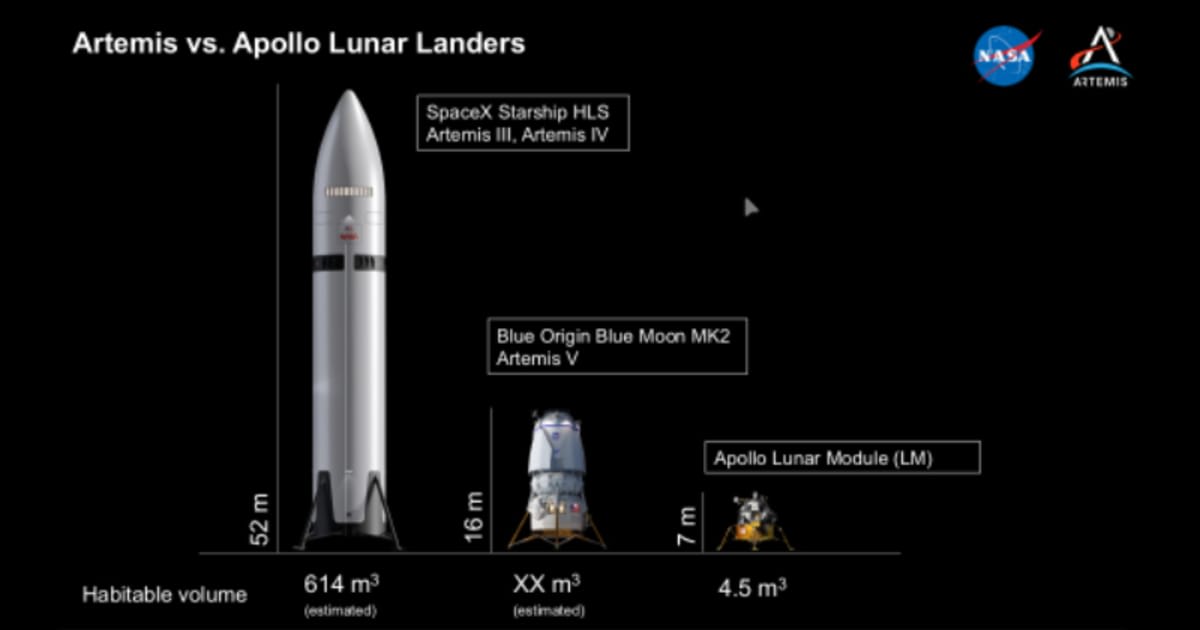
SpaceX is also in stiff competition with Blue Origin in this pursuit. Under NASA's revised architecture, the Artemis III mission in 2027 will not land on the Moon but will instead serve as an Earth-orbit demonstration test to practice rendezvous and docking with the commercial landers. The company that fulfills their contractual commitments first may gain an upper hand in securing the actual first crewed landing of humans on the Moon with 2028's Artemis IV. However, before this landmark mission, each provider would be required to undertake uncrewed landing missions with their spacecraft. Being a part of humanity's return to the lunar surface after more than half a century is a driving force for either company to take swift steps in testing their respective spacecraft and systems. Blue Origin is also said to have made a significant step, with their Blue Moon Mark 1 uncrewed lunar lander having passed a thermal vacuum test at NASA's Johnson Space Center in Houston before reaching for the Moon later this year.
More on Starlust
NASA selects United Launch Alliance to provide upper stage for Artemis IV and V
Blue Origin suffers setback despite first successful landing of reused New Glenn rocket booster