Starship Flight 14: SpaceX will launch the mega rocket to orbit for the first time, deploy V3 satellites
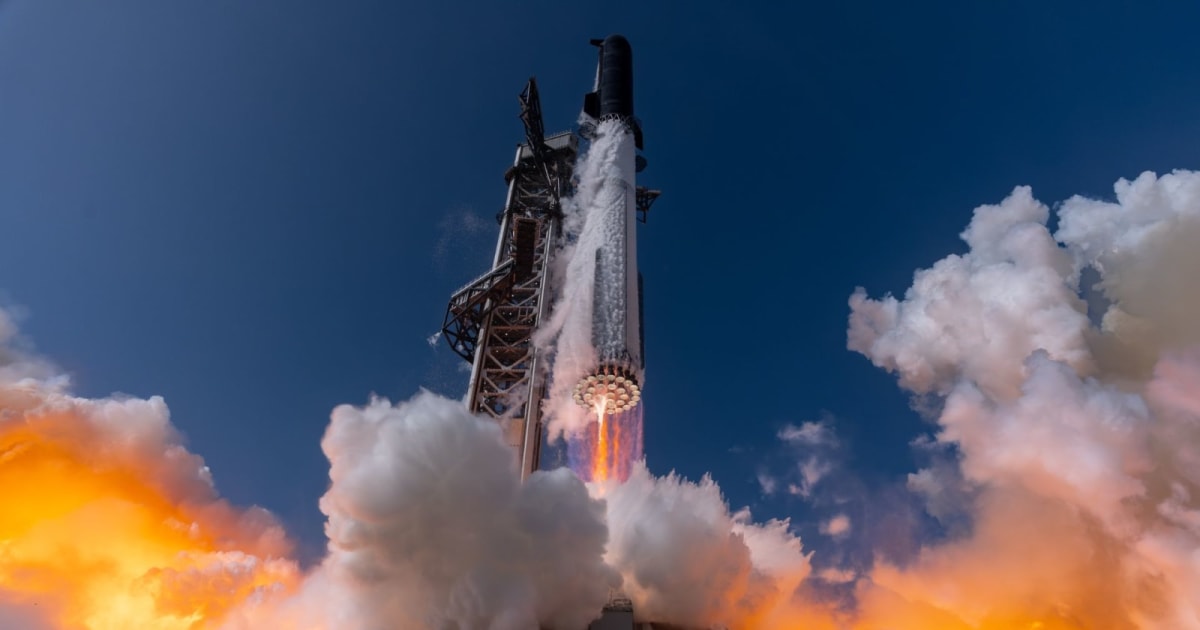
Mega rocket Starship will make its first attempt to reach orbit on its 14th integrated test flight, SpaceX announced Tuesday. Pending regulatory approval, the rocket is scheduled to lift off from Starbase, Texas, within a 75-minute launch window, which opens at 7:15 a.m. CT (8:15 a.m. EDT) on September 22. It will deploy the first batch of 26 Starlink V3 satellites into orbit.
Starship is preparing to go to orbit. Flight 14 is targeting to launch as early as Tuesday, September 22, pending regulatory approval → https://t.co/LwJ4g6dg9v pic.twitter.com/Ds0aGWpT9V
— SpaceX (@SpaceX) September 15, 2026
In a statement, SpaceX said that Starship is expected to fly at an altitude of approximately 170 miles (around 275 km) above Earth and complete approximately six orbits of Earth on Flight 14 that will last about 10 hours. While the first stage Super Heavy booster will splash down in the Gulf of America, the upper stage (Ship 41) will make a controlled descent in the Pacific Ocean.
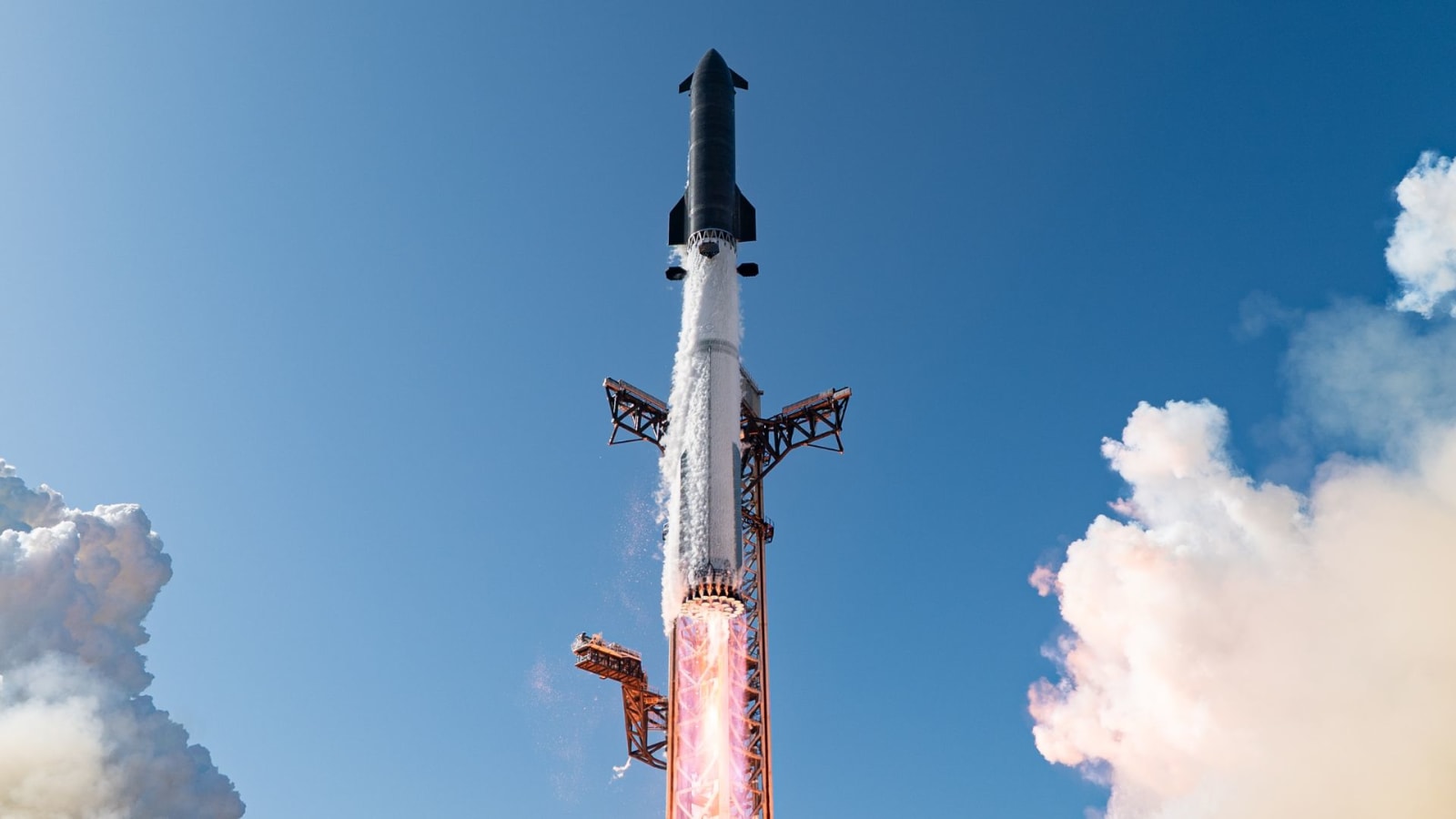
The Super Heavy Booster has undergone critical hardware changes to avoid issues faced on the previous flight when it made a hard landing in the Gulf of Mexico. “In the terminal phase of the (boost back) burn, the three center engines showed signs of ice clogging, which triggered an early end to the maneuver. The booster went on to attempt a landing burn, with 8 of the 13 planned engines reigniting before the booster made a hard splashdown in the Gulf. The Super Heavy on this upcoming flight has hardware modifications to improve filtering to the engines and software changes to enhance relight reliability,” SpaceX said.
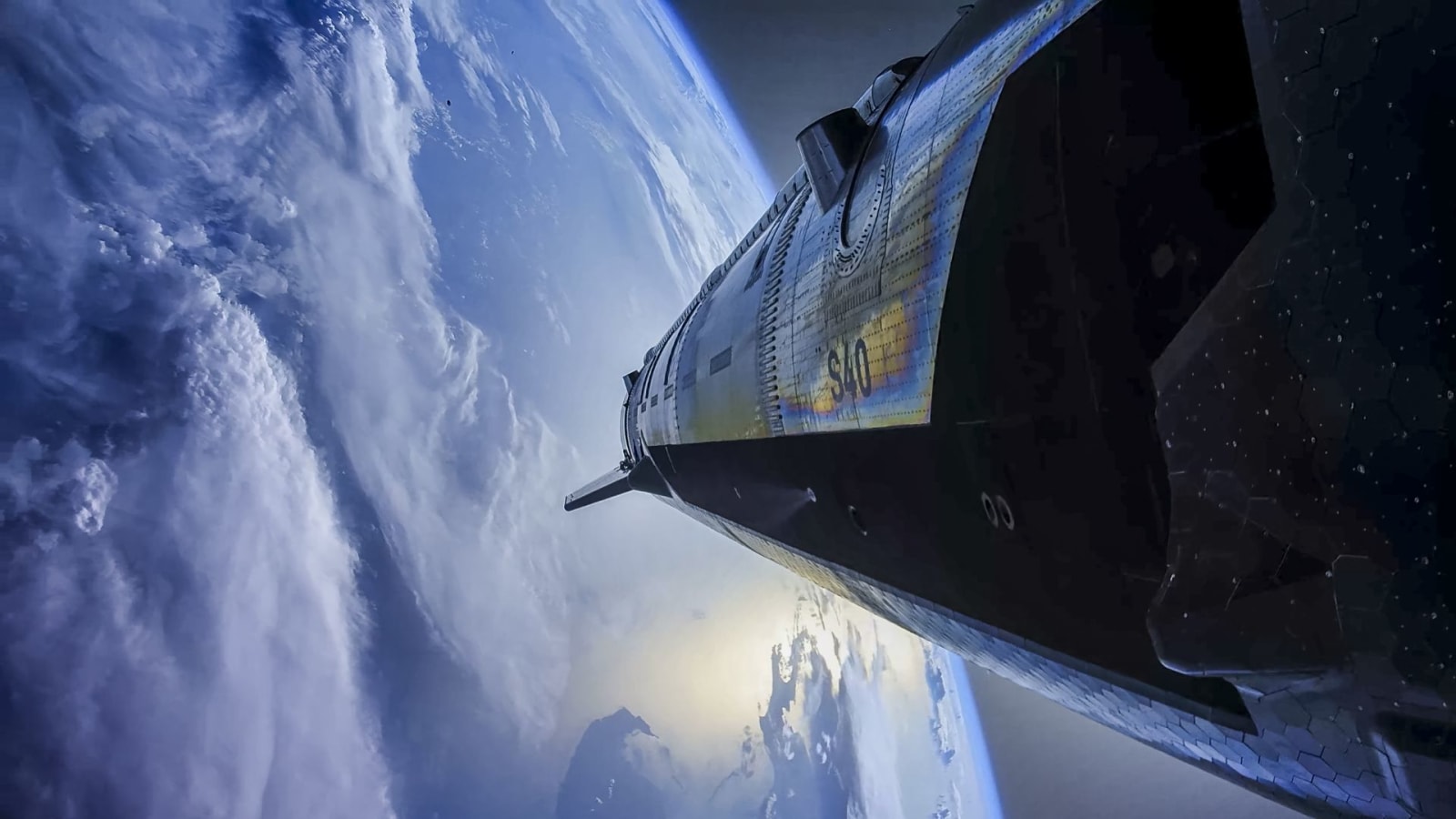
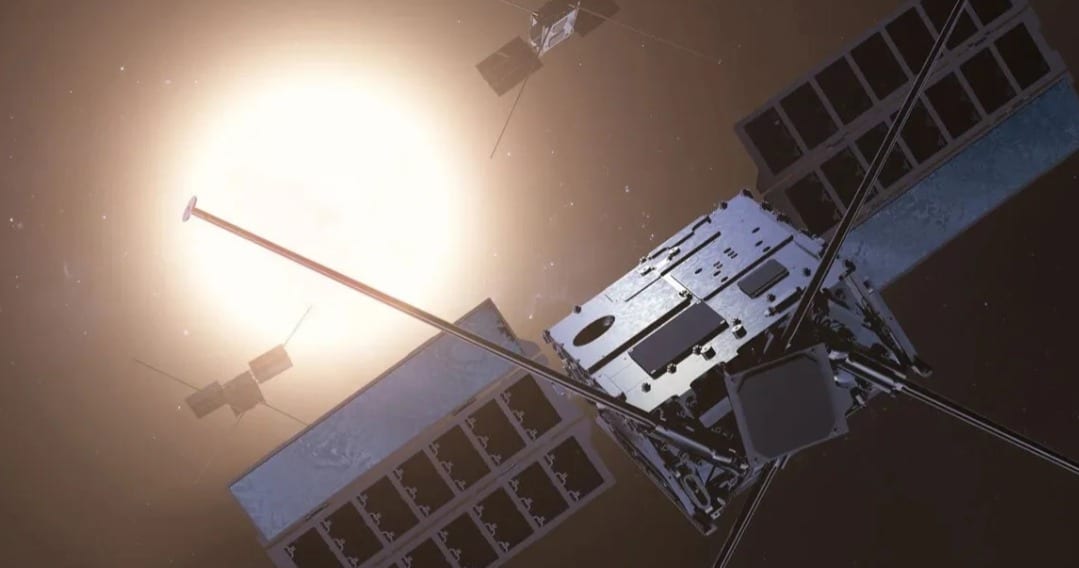
As for the upper stage, its objectives are deployment of 26 Starlink V3 satellites, a deorbit burn using a single Raptor engine in space, and a controlled reentry, descent, and splashdown in the Pacific Ocean. SpaceX CEO Elon Musk said on X that the new V3 batch “will deliver more than 100 times the bandwidth of our current 11,000 satellite constellation.” The V3 satellites that will be deployed during Flight 14 will add a total of 26 Tbps of capacity to the Starlink constellation, which is approximately ten times greater capacity compared to a single launch of V2 mini Starlink satellites on Falcon 9. After deployment, these satellites will use their onboard thrusters to raise their orbit and reach the intended position. Three of the V3 satellites will carry a suite of cameras to scan Starship’s heatshield and transmit imagery during reentry.
Starlink V3 constellation starts being deployed this month. Ultimately, it will deliver more than 100 times the bandwidth of our current 11,000 satellite constellation.
— Elon Musk (@elonmusk) September 15, 2026
SpaceX says it wasn't attempting orbital missions with Starship before to gather real-world flight data while maximizing public safety. “We could have done that long before now tbh, but are optimizing for safety,” Musk posted on X. On flight 14, Starship will initially fly on the ‘passively safe’ suborbital trajectory and gradually raise itself to the planned altitude. “This will enable flight controllers to assess the health of the vehicle during a coast phase and make the determination to either proceed to orbit or let Starship reenter and splash down in the Indian Ocean. Assuming the vehicle is healthy, Starship will execute a circularization burn using a single Raptor sea level engine that will place the vehicle in orbit around Earth,” the mission description said.
@SciGuySpace We could have done that long before now tbh, but are optimizing for safety
— Elon Musk (@elonmusk) September 15, 2026
Ship 41 has been equipped with more than 500 physical sensors to measure temperature, pressure, acceleration, and other parameters throughout the flight. This stage has also been modified using data gathered from Flight 13 to keep the heatshield in place during reentry, block plasma from flowing behind the heatshield tiles, and reduce heating in the gaps between tiles. Ship 41 will also be carrying two tiles recovered from the previous upper stage, making it the first instance of tile reuse for Starship.
More on Starlust
How SpaceX's Starlink will give you a front row seat to NASA's Artemis III mission