SpaceX stacks Starship ahead of its debut orbital flight on September 28—watch video

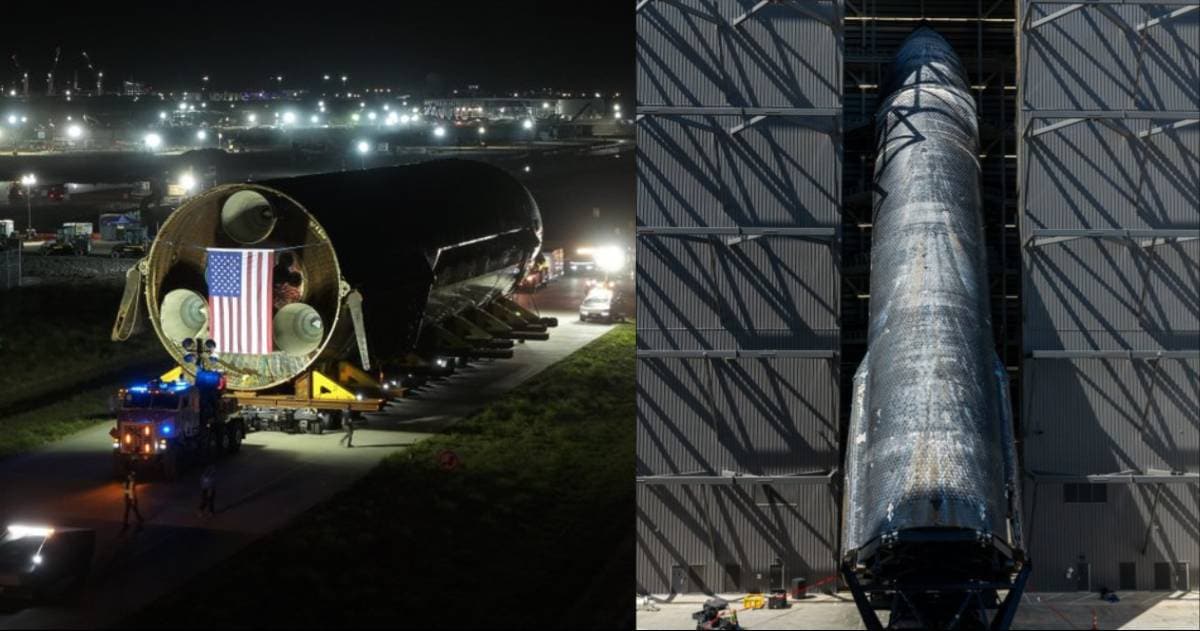
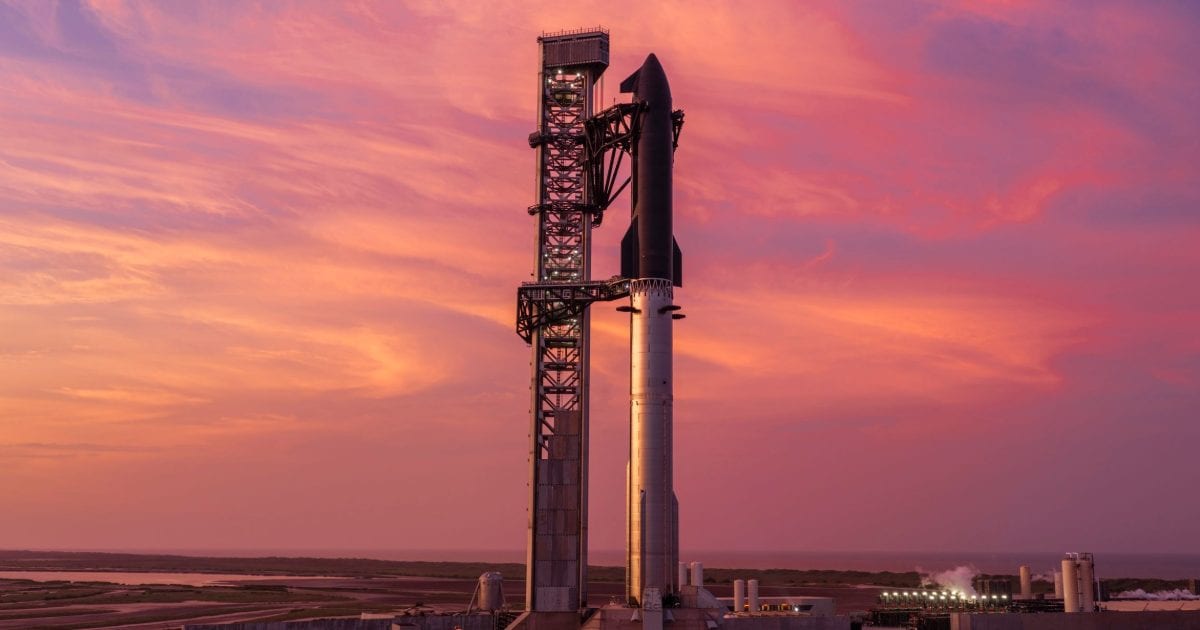
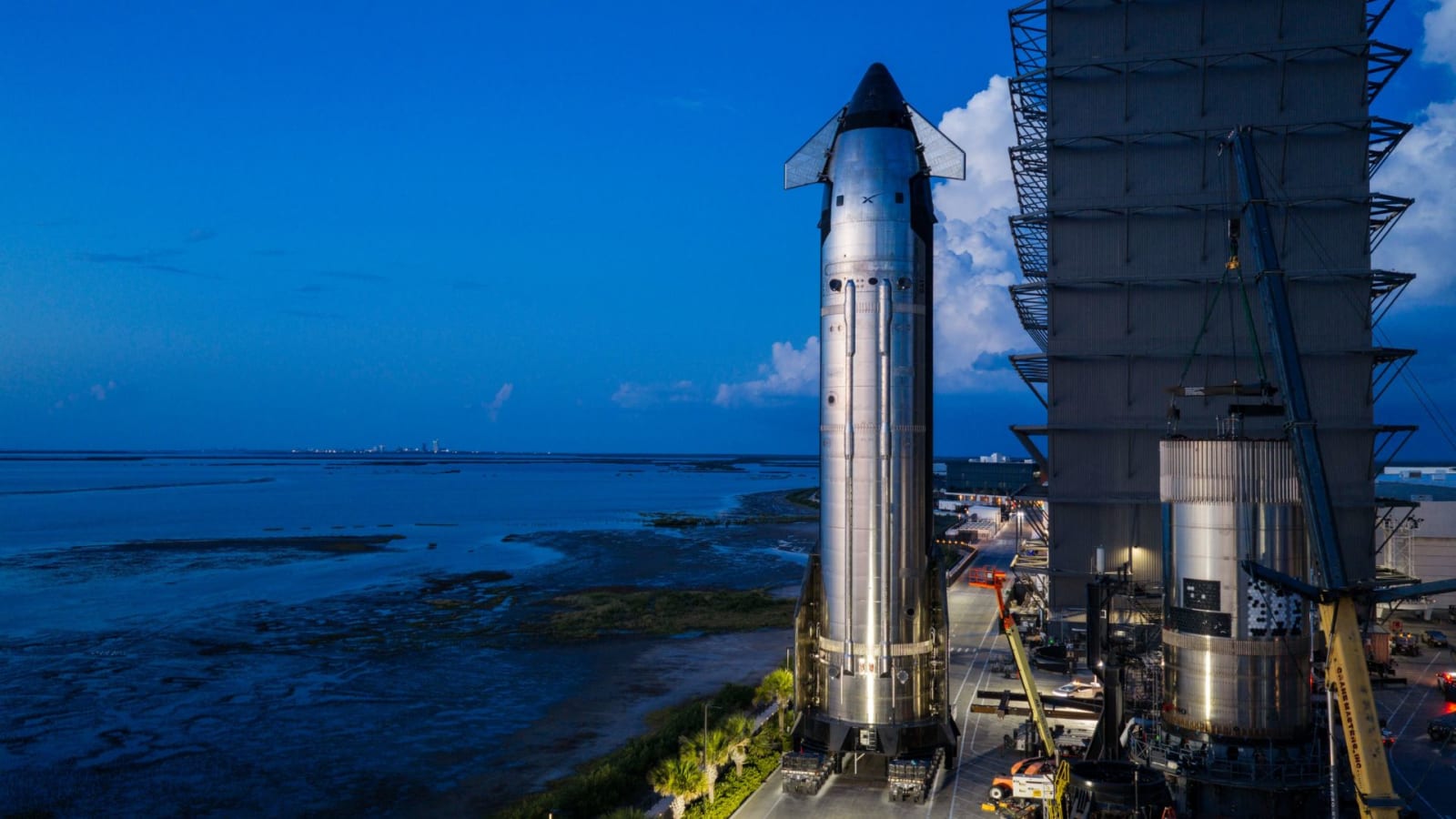
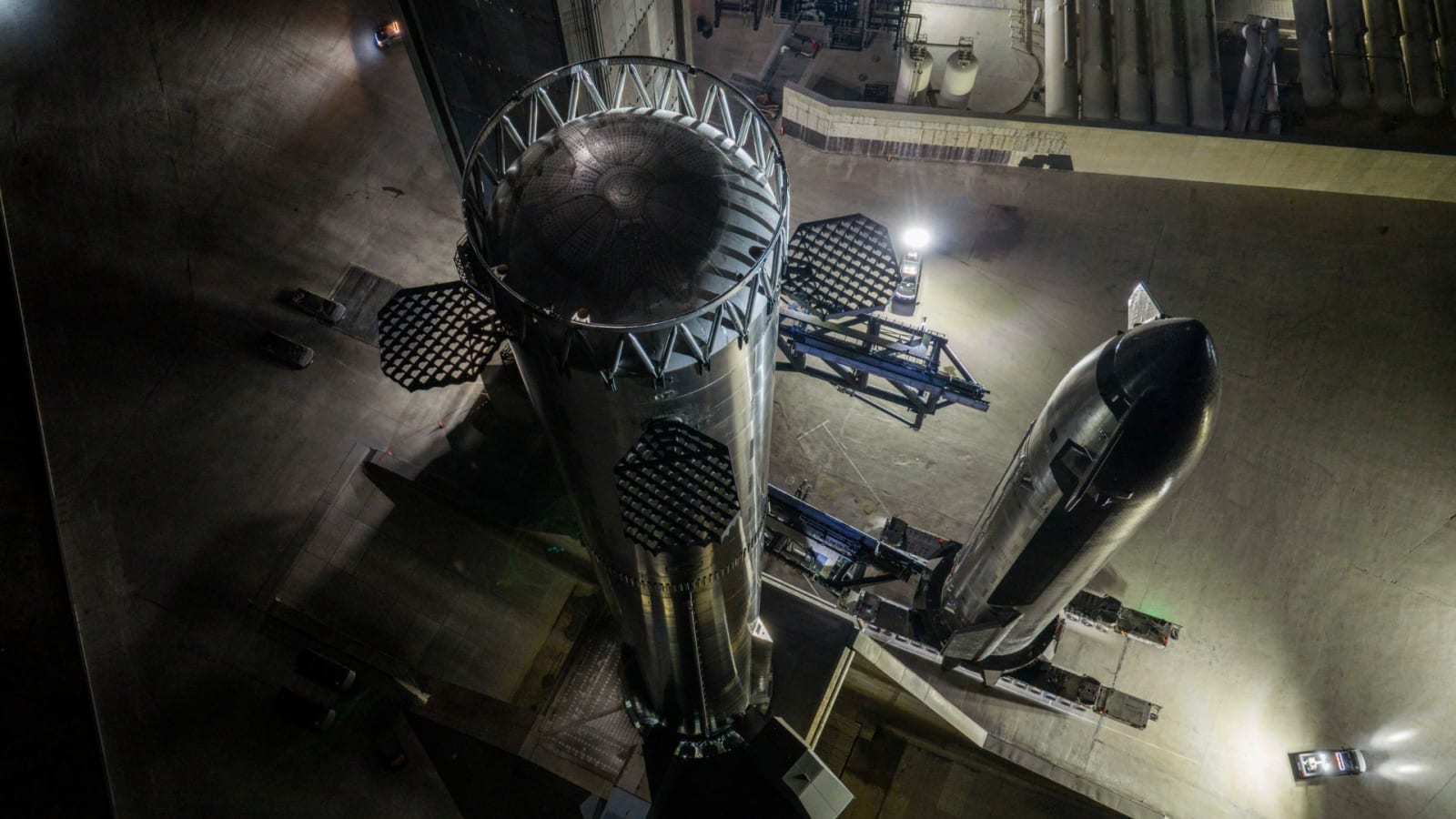
SpaceX on Wednesday got a step closer to the debut low Earth orbit (LEO) launch of Starship next week. The megarocket’s upper stage (Ship 41) was stacked atop the Super Heavy Booster on the launch pad at Starbase, Texas, for upcoming full-stack tests. The liftoff is targeted within a 75-minute launch window starting at 8:15 am EDT (7:15 am CDT) on September 28, pending regulatory approval. Taking to X, SpaceX posted a long-exposure video of the rocket’s stacking with star trails sweeping across the sky.
Stacking Starship ahead of Flight 14 pic.twitter.com/jLsgN2jj6d
— SpaceX (@SpaceX) September 23, 2026
In another post, the company shared pictures of the rocket at sunrise with the caption, “Opportunistic full stack testing is planned ahead of Flight 14's launch, which is on track for Monday, Sept. 28, pending regulatory approval.” A few hours prior, Ship 41 was moved to the launch pad for stacking operations, whereas the booster reached the pad a day earlier.
Sunrise at Starbase. Opportunistic full stack testing is planned ahead of Flight 14's launch, which is on track for Monday, Sept. 28, pending regulatory approval pic.twitter.com/VnwI5v4eXQ
— SpaceX (@SpaceX) September 23, 2026
The next mission will be Starship’s 14th integrated test flight and the third flight of the Version 3 vehicle.
All you need to know about Starship flight 14
It will mark the first time Starship’s upper stage will attempt to enter a true, stable low Earth orbit (at an altitude of approximately 170 miles, or 275 km), and if all goes well, it will splash down in the Pacific Ocean west of Chile after completing six full laps around the planet. The entire mission from start to finish is expected to last 10 hours. Like in previous flights, the Super Heavy Booster’s objectives are executing a successful launch, ascent, stage separation, boostback burn, landing burn, and splashdown in the Gulf of Mexico, whereas the upper stage will fire its engines to insert itself into orbit before eventually initiating a deorbit burn to return to Earth.
While in orbit, it will deploy 26 Starlink V3 satellites for the first time, adding 26 Tbps of capacity to the Starlink network. These satellites will first unfold their antennas, deploy their solar arrays, and establish contact with the ground before raising themselves to the intended altitude. Three of them have been equipped with cameras to photograph the heatshield on Starship’s upper stage during reentry. Another first for this mission is the reuse of two heatshield tiles that were used on Flight 13 on July 24.
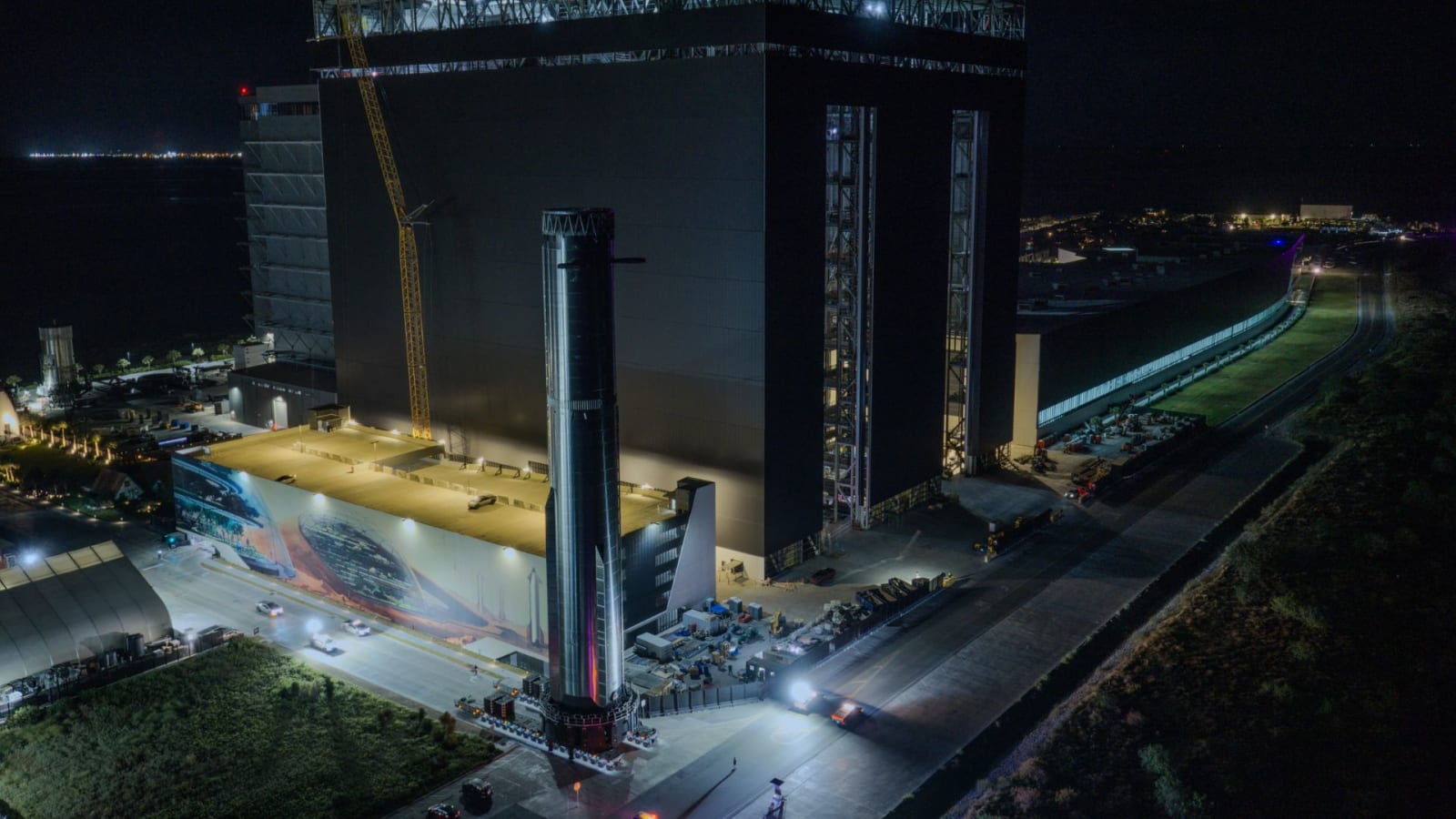
Standing 408 feet tall (124 meters), Starship is designed to be fully reusable, meaning both stages of the rocket will be recovered at some point. A few days ago, SpaceX CEO Elon Musk said that the upper stage will be caught using the launch tower on Flight 15. “Either at the end of this year or more likely early next, we will refly the ship and refly the booster,” Musk said on the All-In Podcast. “Once we can refly the ship, we will have made the first fully reusable orbital rocket. It’s designed for not just full reusability, but also rapid reusability like an aircraft. This is a very important breakthrough.”
SpaceX must have learned a lot from the previous mission, which ended with a fully intact upper stage floating in the Indian Ocean for 24 days. It marked the first time the upper stage was recovered after what was the softest splashdown ever achieved in the Indian Ocean. After battling high winds and strong waves, the recovery team improvised and finally hauled it to Christmas Island on August 18.
More on Starlust
Elon Musk may consider Starship's heat shield problem 'solved', but experts think it's a 'dead end'
The end of ISS: How NASA plans to deorbit the gigantic orbital lab using SpaceX’s help