'The Holy Grail of Rocketry': How SpaceX recovered stranded Starship upper stage from sea
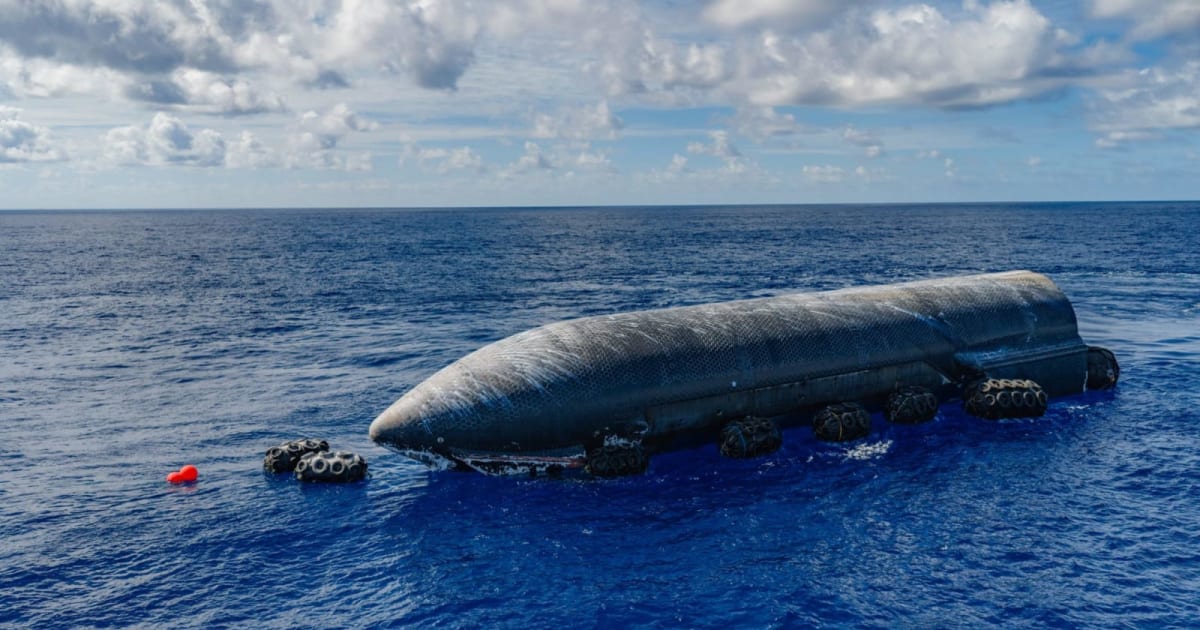
We are just days away from SpaceX attempting the first-ever orbital launch of its mega rocket, Starship, which the company has been promoting as humanity’s best bet to becoming a multi-planetary species. Ahead of the highly anticipated mission that would be Starship’s 14th integrated test launch, SpaceX has released "The Holy Grail of Rocketry," the latest episode in the ongoing Starship documentary series, which explores how engineers recovered Starship’s upper stage following its splashdown after Flight 13.
A fully and rapidly reusable rocket will fundamentally change how humanity accesses outer space. “The Holy Grail of Rocketry” continues the ongoing Starship series with a look back at the scrappy days of SpaceX engineers proving reuse was possible and takes you onboard a… pic.twitter.com/zQ3tfleixs
— SpaceX (@SpaceX) September 16, 2026
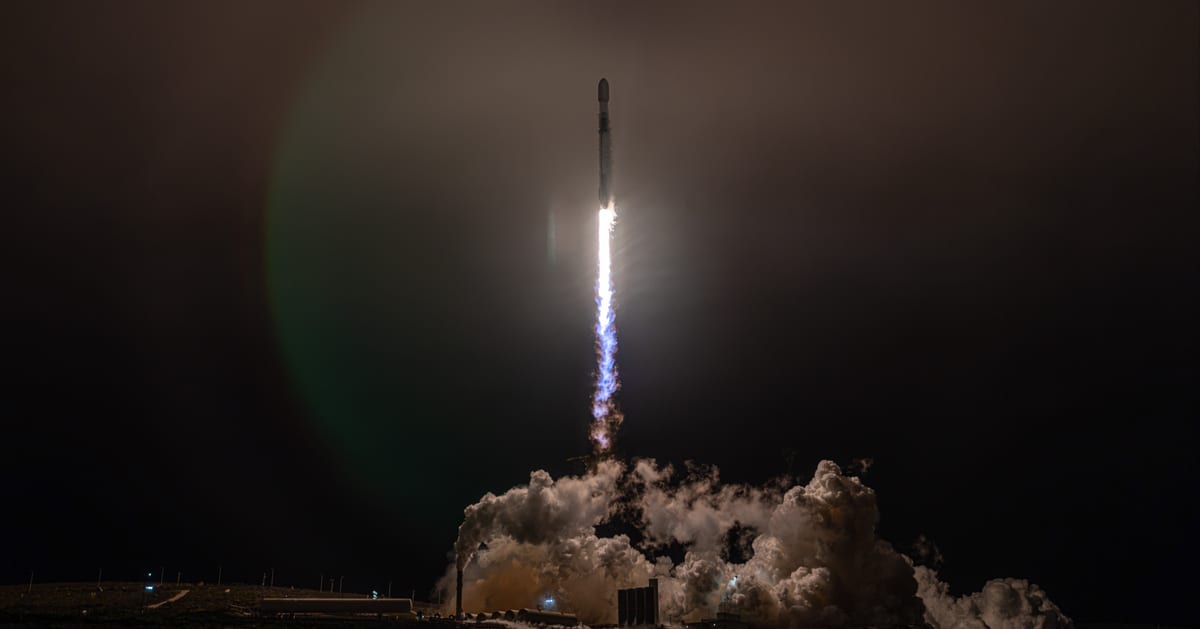
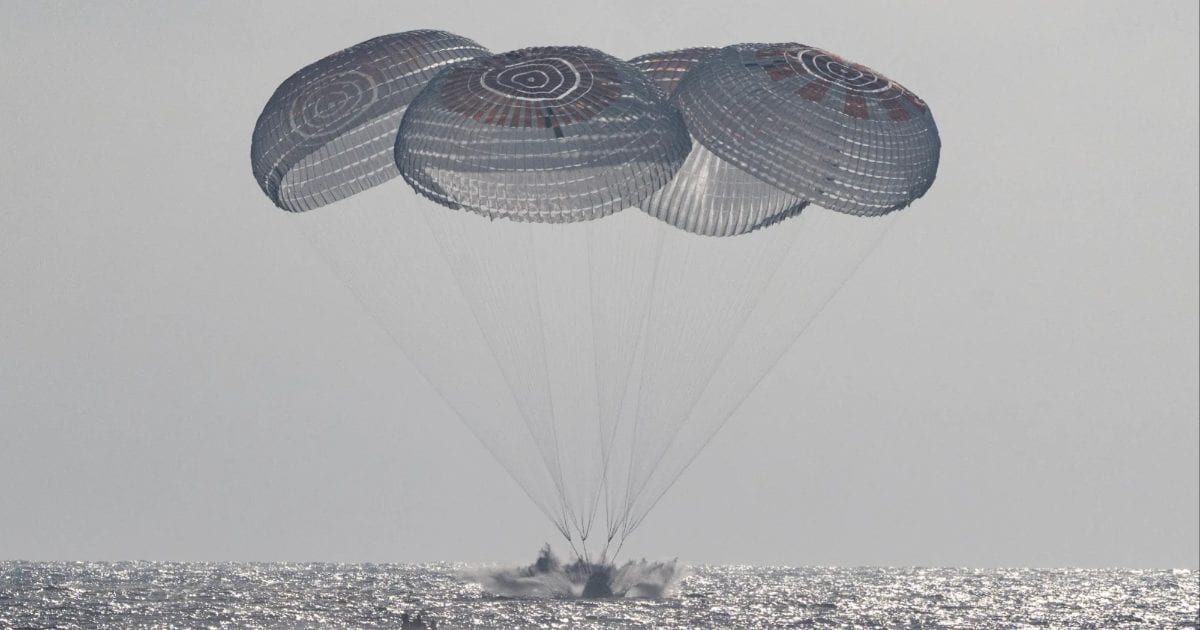
Flight 13 lifted off on July 24 from Starbase, Texas, and the rocket’s upper stage (Ship 40) achieved its softest splashdown ever in the Indian Ocean. The mission wasn’t all smooth, however, as the first stage Super Heavy booster failed to ignite all 13 of its 33 Raptor engines during the landing burn. But SpaceX was happy that Ship 40 was intact in the ocean and had gathered invaluable data as it reentered the atmosphere.
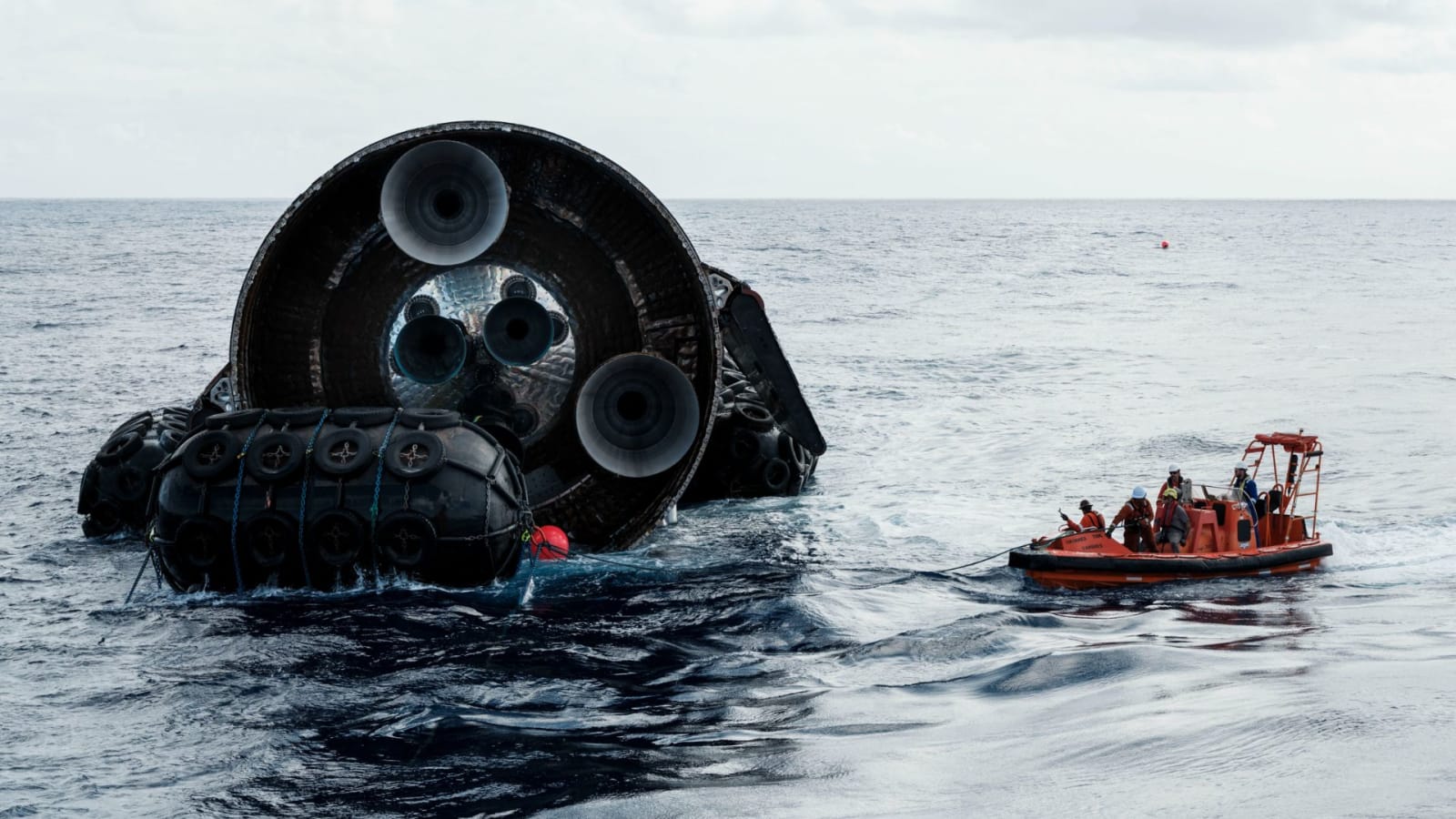
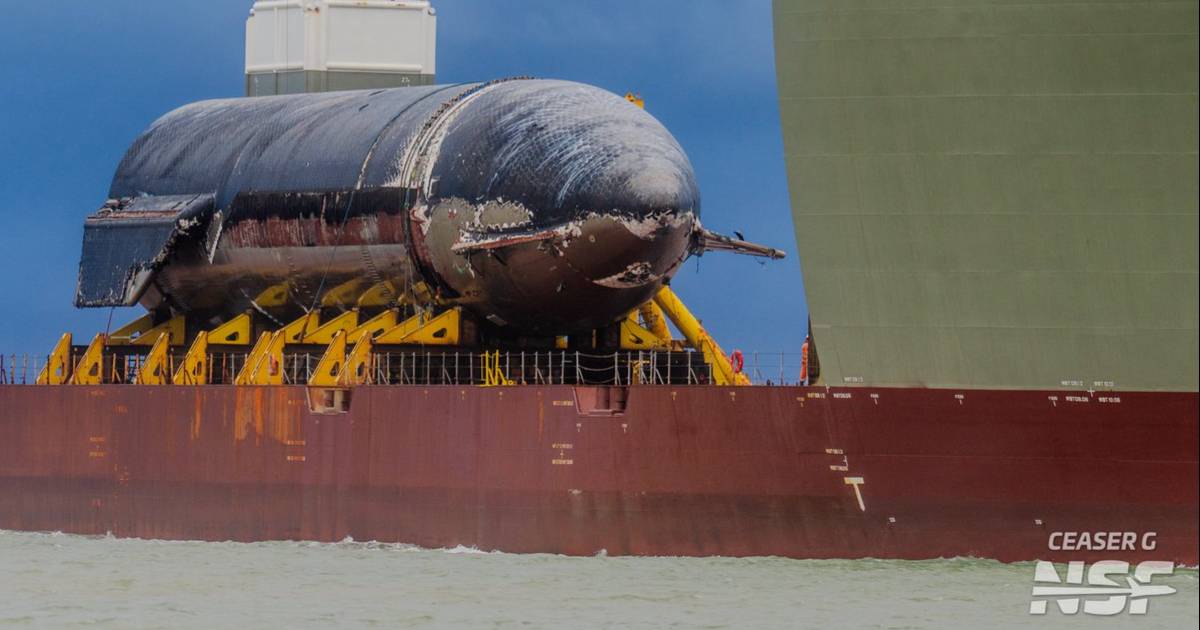
The recovery team, however, had to face challenging conditions at sea such as strong waves and high-speed winds as they tried to tow the 52-meter spacecraft to the nearest port. In an August 7 post on X, SpaceX CEO Elon Musk had said that the recovery process was “not looking good," although the mission team was “able to obtain close-up photos of critical regions of the heat shield and engines for future upgrades.” The documentary dives deep into the recovery process, which saw the spacecraft finally reach a secure location off the coast of Christmas Island, an Australian territory in the Indian Ocean, 24 days after splashing down.
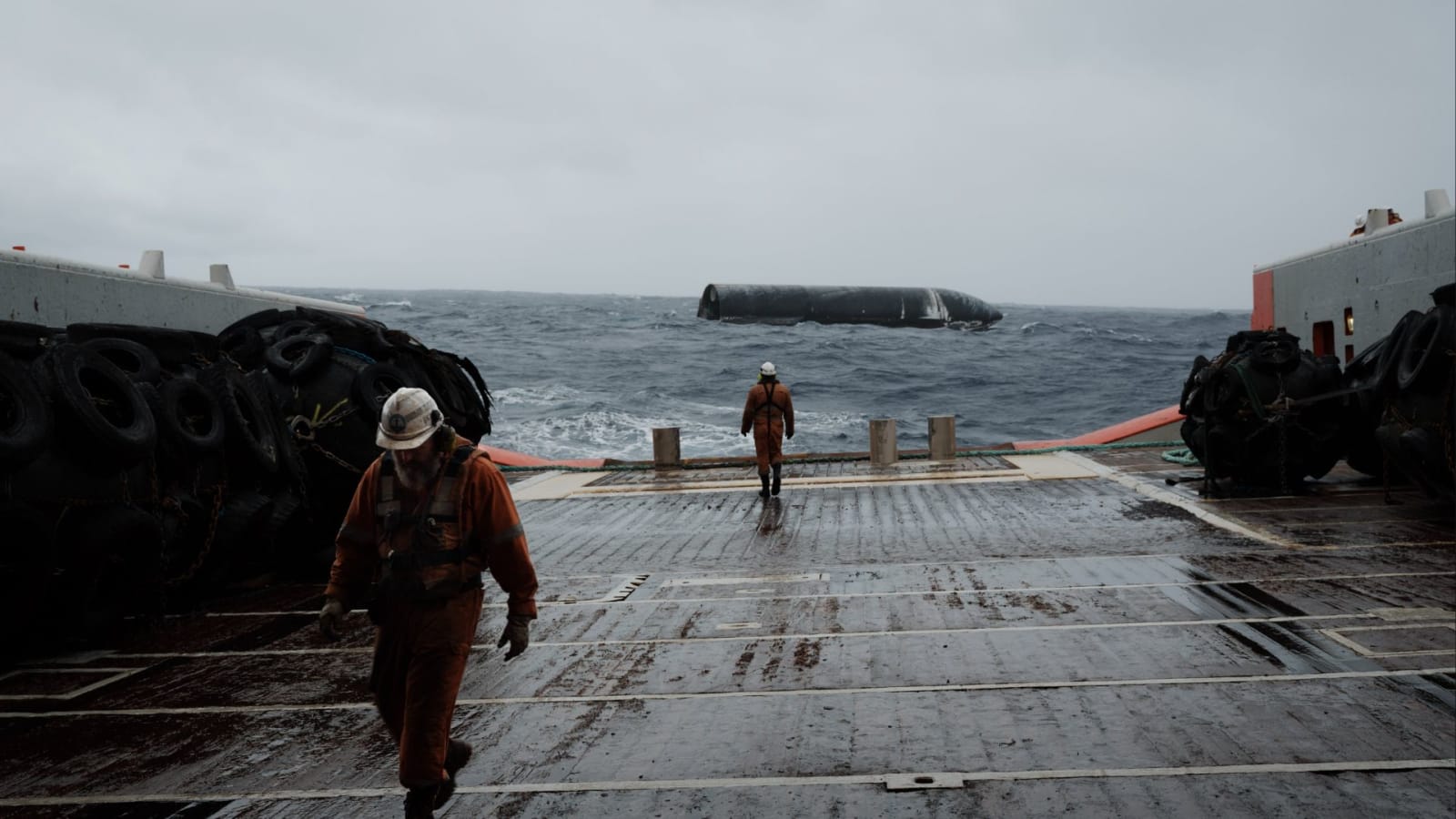
Justin Styer, Sr. Director of Starship Launch, said in the episode that things weren't going according to plan even a couple of weeks into the recovery process. “The real problem was that we were making extremely slow tow and even at that speed we were starting to damage the vehicle pretty hard,” Styer said. Ship 40 was more than 850 miles from Port of Dampier in mainland Australia, so the engineers had to find another location where the spacecraft could be secured.
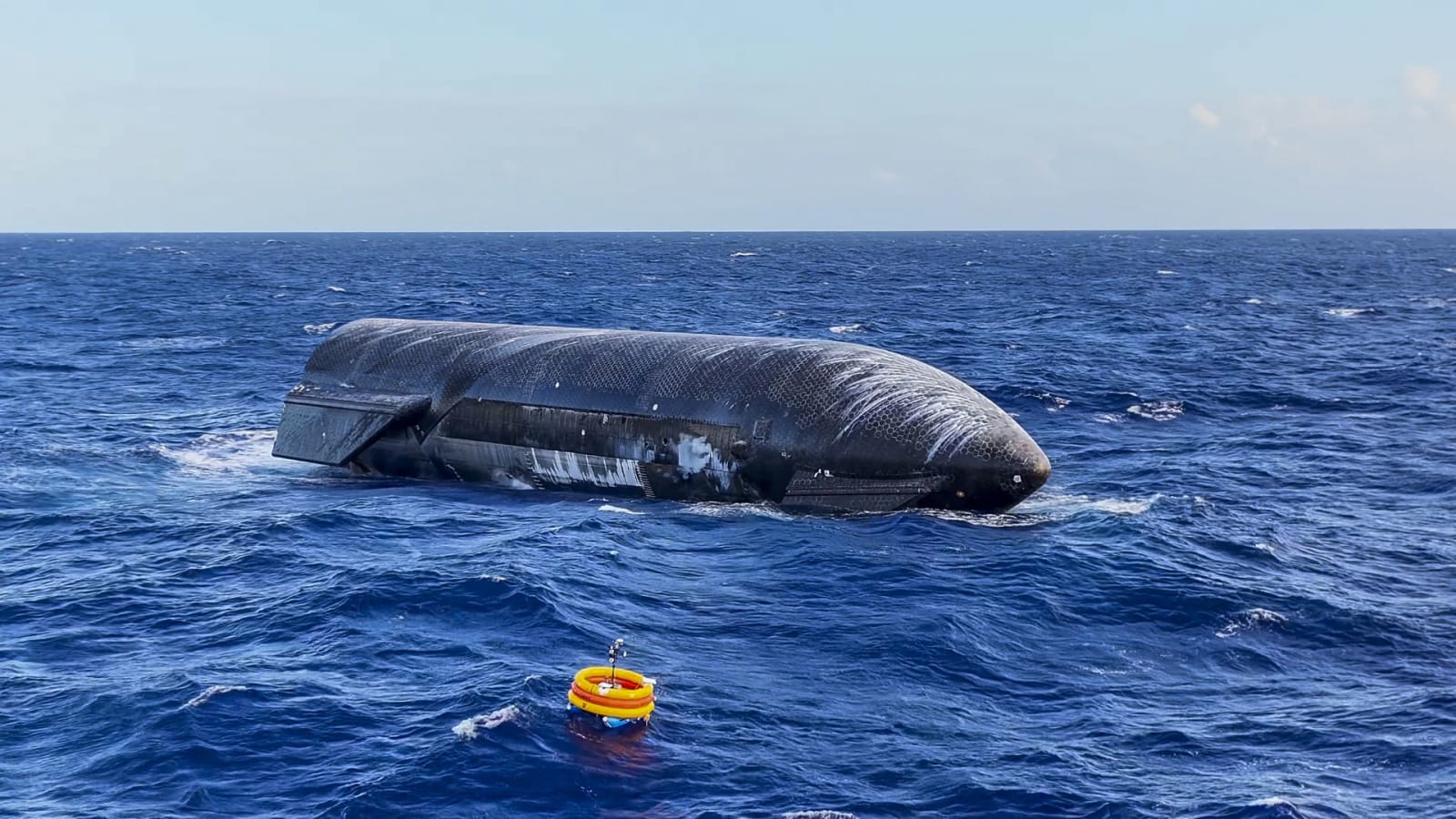
Recovery of the upper stage, although not essential to the mission's success, was important to analyze the effects of reentry on the heatshield tiles. Starship is supposed to be fully reusable, and hands-on study of the vehicle’s fall through the atmosphere at over 25 times the speed of sound would be of immense help in improving the rocket's design.
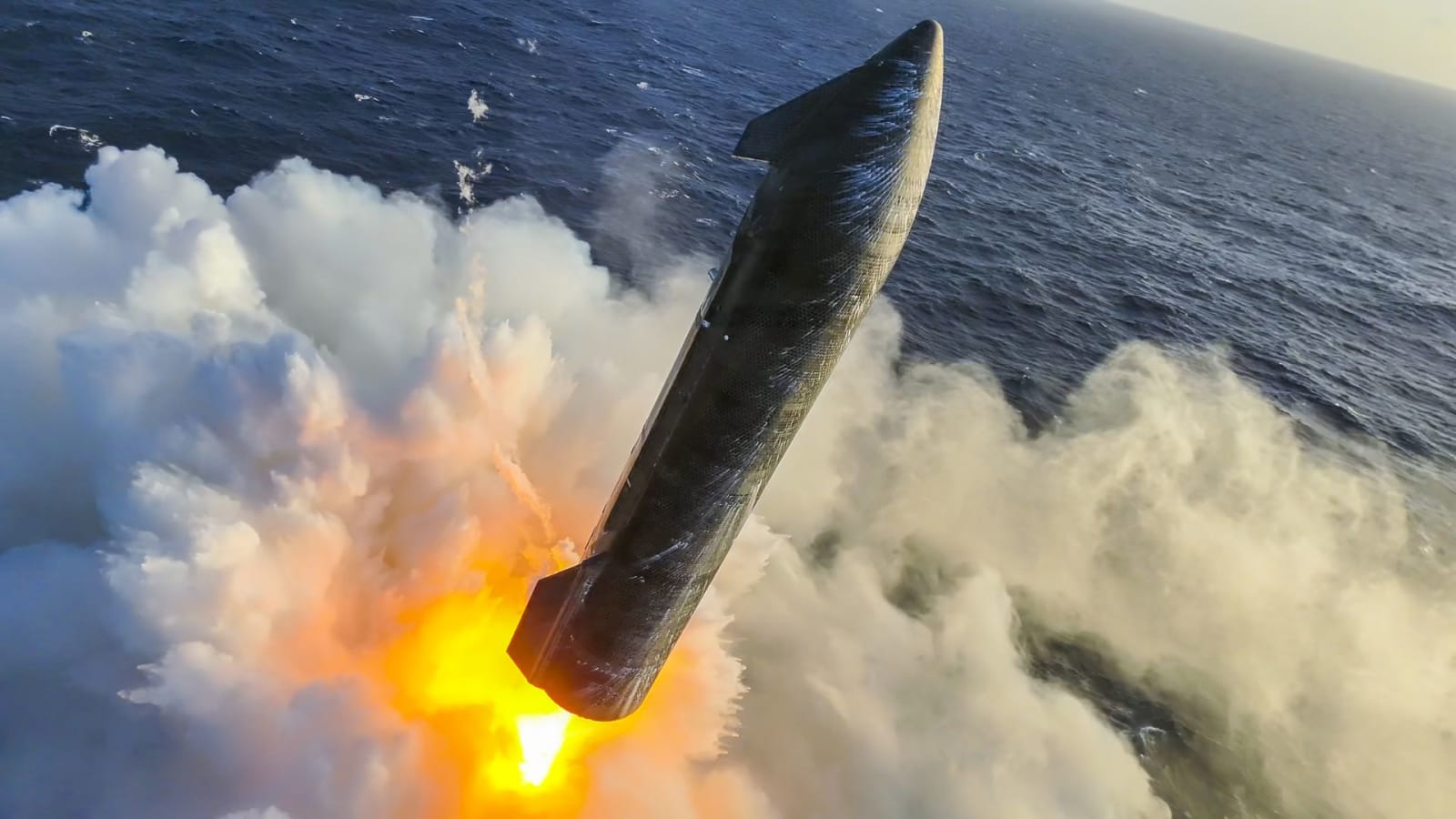
"My first reaction when I saw the rocket tip over and survive was amazement because I was not expecting that and I was like, rejoicing," said Mauro Prina, Sr. Director of Starship Engineering. "And the second thought was that somewhere in the Indian Ocean we are sitting on a mine of gold of data that would allow us to improve the design at least three months earlier than what I thought were going to be able to do." Interestingly, two tiles recovered from Ship 40 will be used on Ship 41 during Flight 14, which is targeted for September 22, pending regulatory approval. The liftoff is scheduled at 7:15 am CT (8:15 am EDT), and apart from reaching orbit, SpaceX wants to deploy 26 Starlink V3 satellites for the first time.
More on Starlust
SpaceX CEO Elon Musk confirms Flight 15 will be caught; Flight 14 to launch on September 22, 2026