This U.S. startup has an ambitious plan to build a Martian city in the 2030s using autonomous AI robots
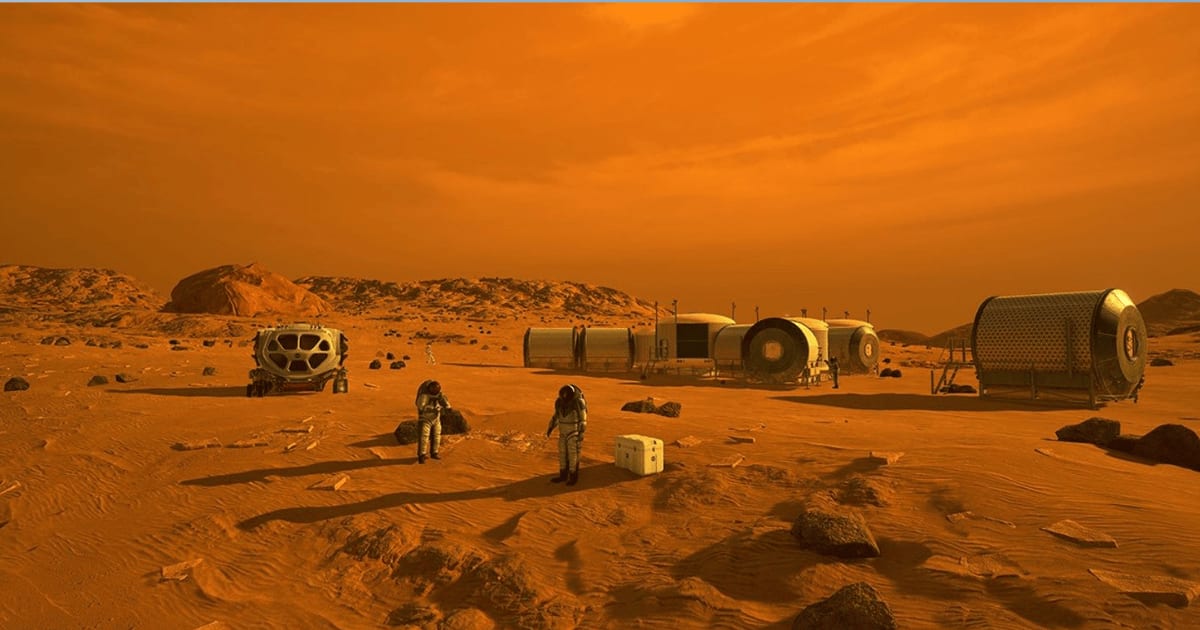
San Francisco-based company Cosmic Robotics recently announced plans to build a city on Mars by the mid-2030s by delegating construction labor to autonomous robots. To achieve its target, Cosmic Robotics has laid out a 4-step layered plan (Layers 0 through 3) that involves making the robots, their controllers, an 'advanced reasoning AI,' and a network of AI agents that will coordinate the city-scale construction project.
Introducing our tech roadmap at @cosmic_robotics to start autonomous city construction on Mars in the mid-2030s.
— Lewis Jones (@thelcjones) August 19, 2026
Our team includes senior talent from SpaceX, Tesla, Google, Amazon, Zoox, Nuro, and Autodesk.
We're already deploying robots on large-scale construction sites.
Link… pic.twitter.com/WTrjKH6p8g
According to the company's website, while the hardware is being built to send large amounts of cargo to orbit and to celestial bodies beyond Earth already, the tools to establish a sustainable presence on places like Mars are lacking. It further adds that should the support cease at any point in time due to political or economic reasons, the entire pursuit of settling on Mars could come to a standstill.
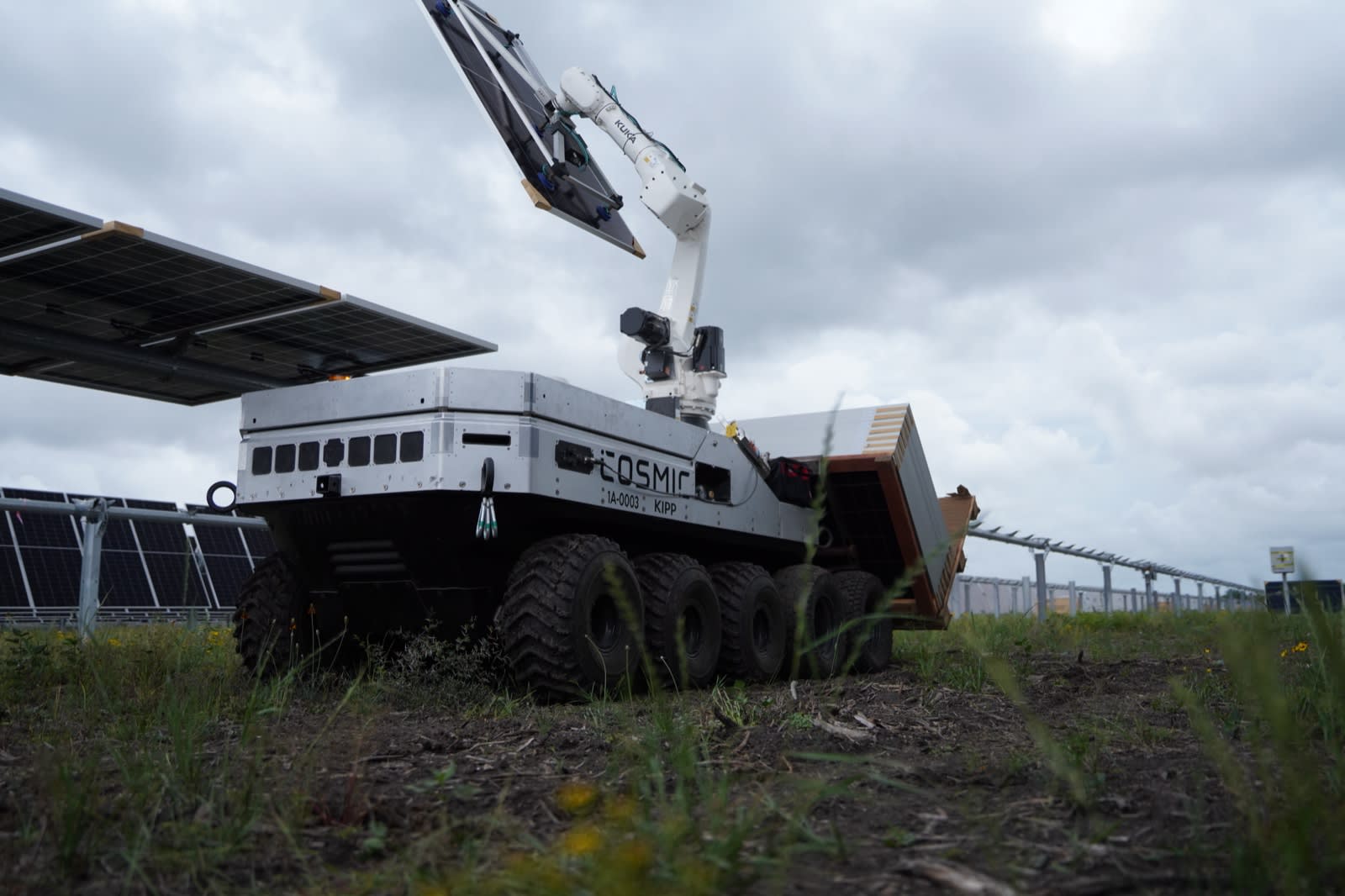
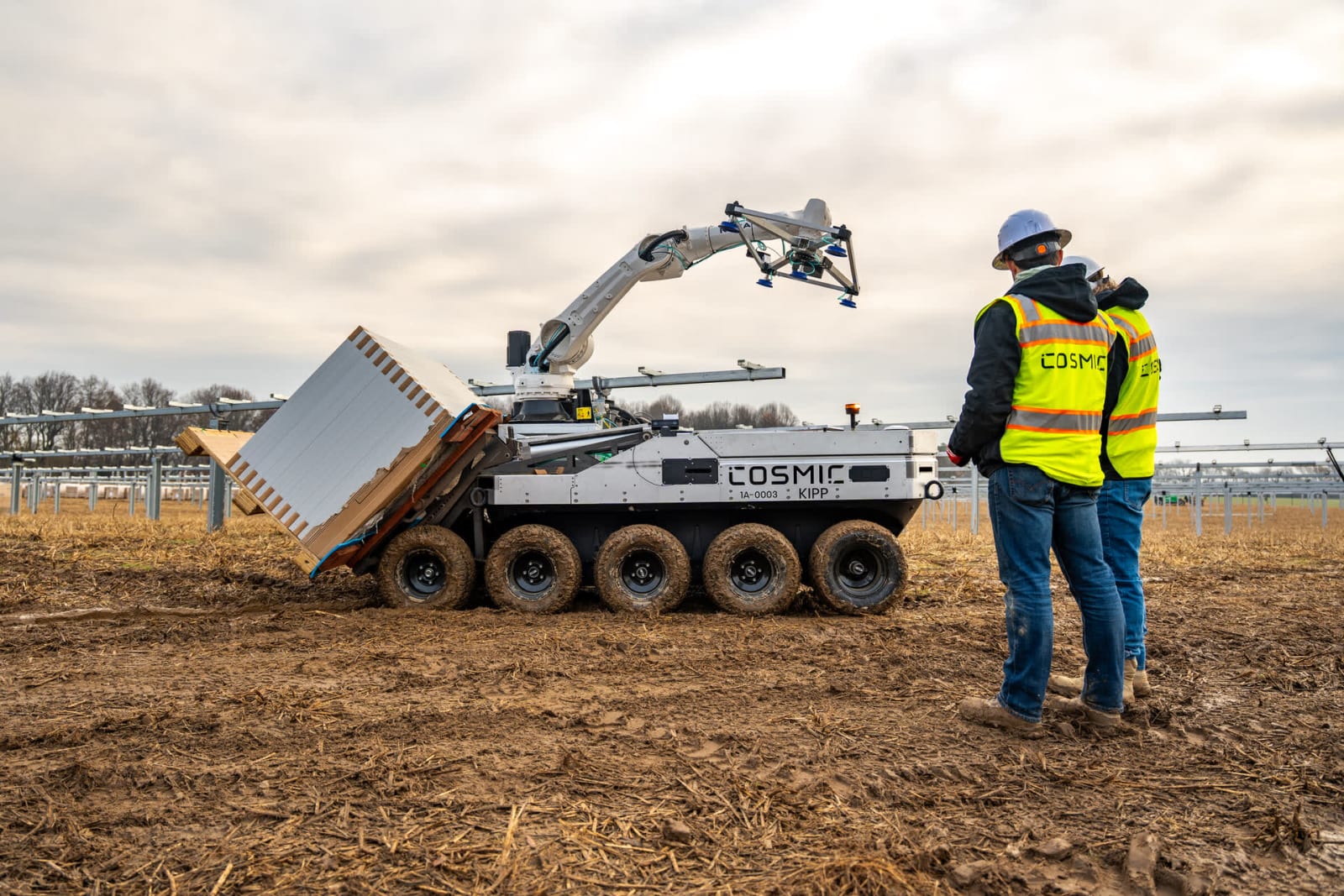
This is where the company intends to make itself useful, thanks to the rapid advancements made in Physical AI research. Led by CEO James Emerick and CTO Lewis Jones, the company was founded in 2024 and managed to secure a contract from NASA last year for the development of 'edge reasoning' vision-language model (VLM) AI for use on space missions, including those targeting the Moon. For Layer 0, the company plans to build full electric construction-scale robots that will draw up to 300 kW of power. Layer 1, meanwhile, will focus on an AI controller that will allow the robots to adapt on the fly while adhering to safety protocols. The company has already made some progress in Layers 1 and 2, having seen its Cosmic-1 robot achieve 2x labor productivity compared to manual methods in solar farm construction here on Earth.
The latter two layers will involve creating reasoning AI to execute tasks and establishing a network for coordination between AI agents. The company believes that existing AI models such as Claude Opus 5, GPT-5.6, and Kimi K3 are "likely already sufficient" for Layer 2. "We believe this is a matter of distilling a small or medium-scale model sized for edge computing, and building the harness and tooling to empower modern language models to manage physical assets," it explained in a statement published on August 19. As for Layer 3, the plan is to build it on Constellation, the company's own jobsite planning and mission control software.
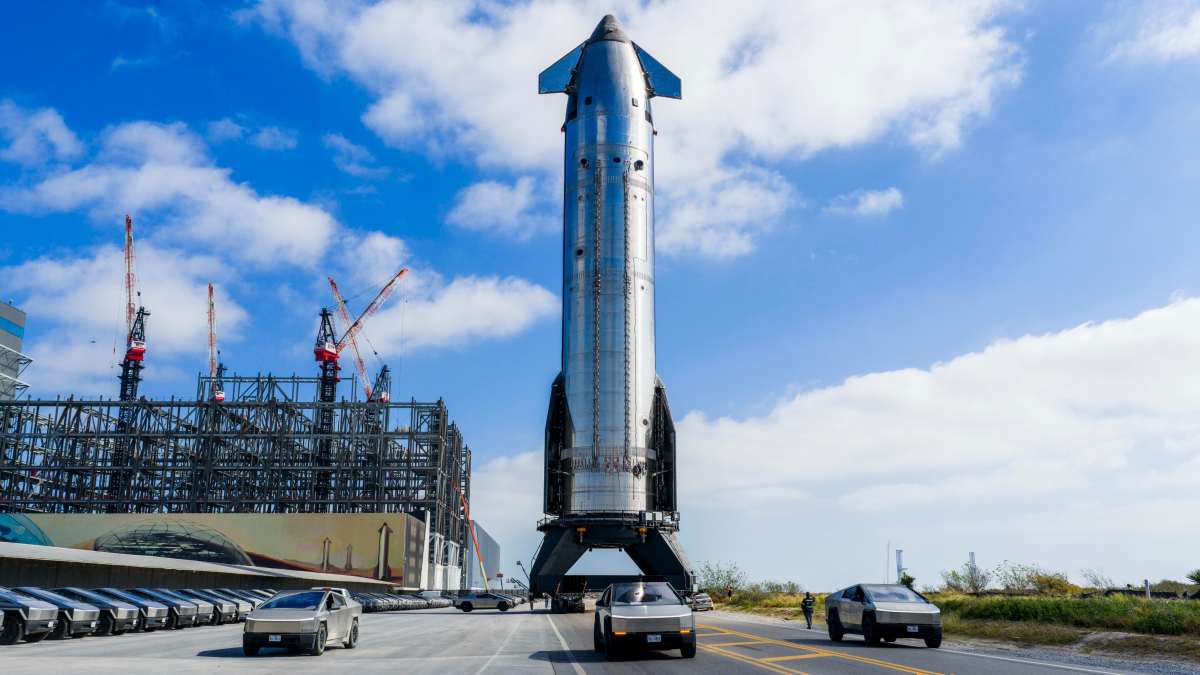
While SpaceX estimates that a population of over 1 million will be required to handle all critical functions in a Martian city, Cosmic Robotics believes that with their systems in place, a city on the planet can achieve self-sufficiency with just around 10,000 people instead. "If such a dramatic improvement in productivity could be achieved, not only can the entire city be staffed in a single Earth–Mars launch window (26 months), but it also allows a much smaller crew to complete most of the infrastructure deployment before the bulk of the citizens arrive," the company said.
More on Starlust
Robot dogs on the Moon? China could use them to build and guard permanent lunar bases, says report
Size matters: A planet needs to be at least as big as Mars for alien life to survive on it