Indian scientists propose BHEEM—a Mars habitat double the size of ISS designed to launch on Starship
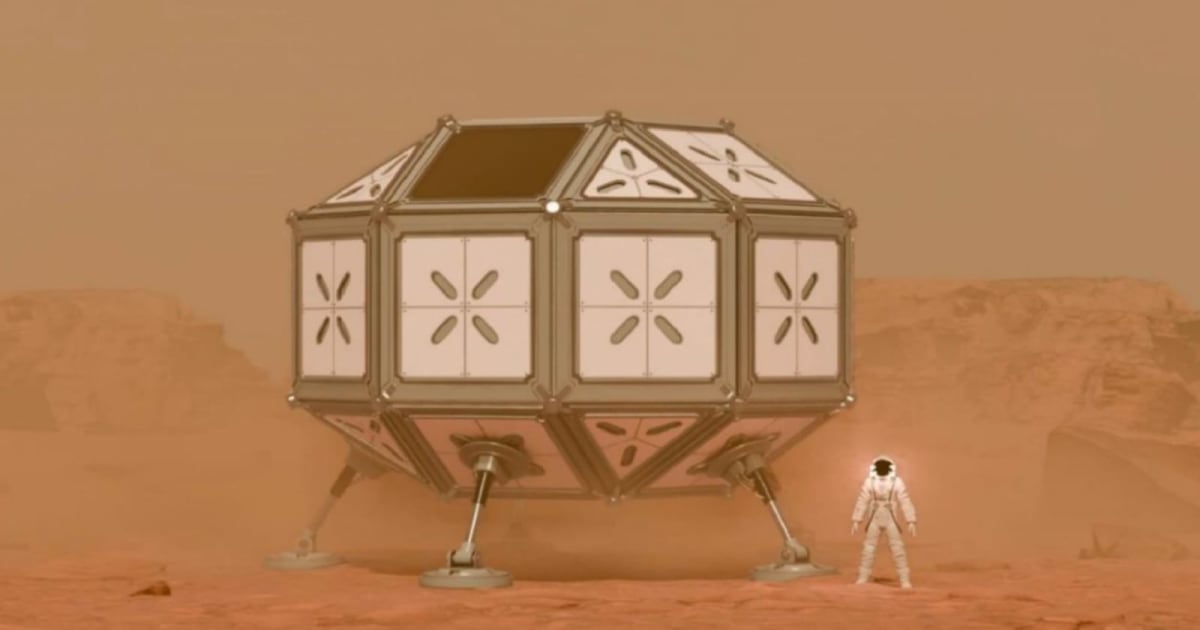
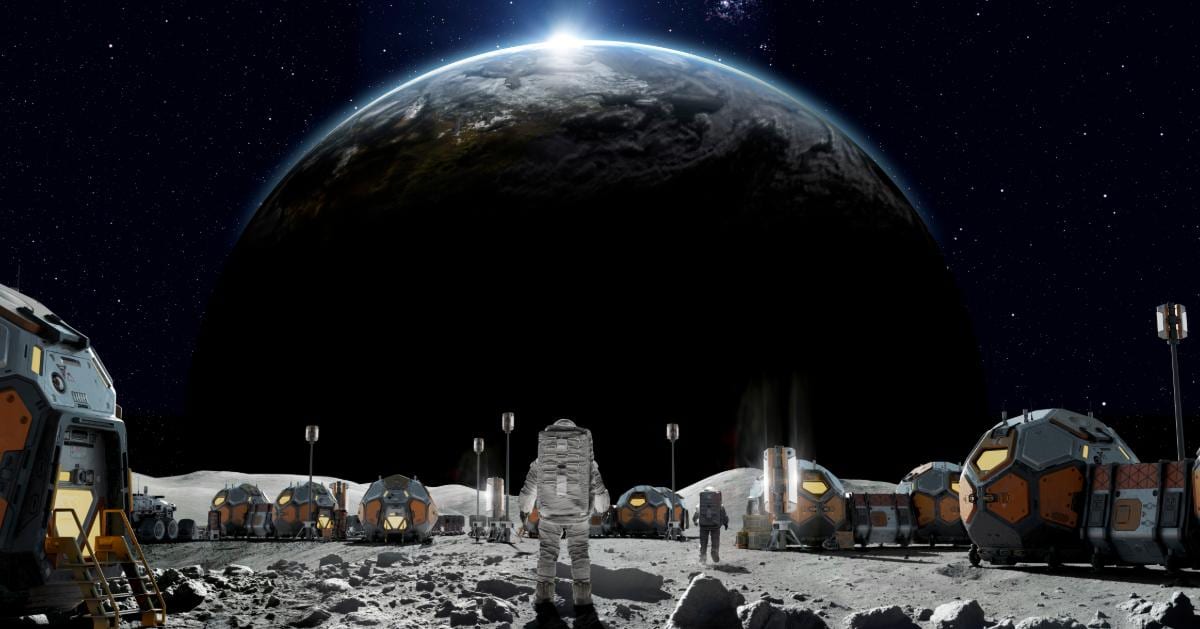
A team of researchers from the Indian Institute of Science (IISc), Bengaluru, has presented a design concept for an extraterrestrial habitat that could provide shelter to astronauts on the Moon and Mars. This structure, called the Bhartiya Extraterrestrial Expandable Modular Habitat, or BHEEM, will be a panel-based living space, and the payload on just a single launch will provide twice the volume of the International Space Station (ISS) when fully assembled.
B.H.E.E.M. — Bharatiya Habitable Expandable Extraterrestrial Habitat.
— Shubhanshu Shukla (@gagan_shux) September 1, 2026
When we returned from our training in Russia, we began the Indian leg of our astronaut training. This involved learning the systems of the launch vehicle and orbital module, along with extensive physical and… pic.twitter.com/2Ubt0FiVbj
The authors of the study say that the panels could be transported all at once on a giant rocket like SpaceX’s Starship, and their design could solve logistical problems in building space houses.
The idea behind BHEEM
The authors, including Indian astronaut Shubhanshu Shukla of the Ax-4 mission, have proposed three basic panel shapes for BHEEM—squares, pentagons, and triangles. They will be designed to create different modules on the lunar or Martian surface and will be assembled using seven different types of connectors called 'joineries.' These panels will be around 0.2 meters thick to protect the residents against radiation, micrometeoroids, and extreme temperatures. The finished layout of the habitat would provide around 2,130 cubic meters of volume, and the eight living quarters could support up to 16 astronauts at once for missions lasting more than six months.
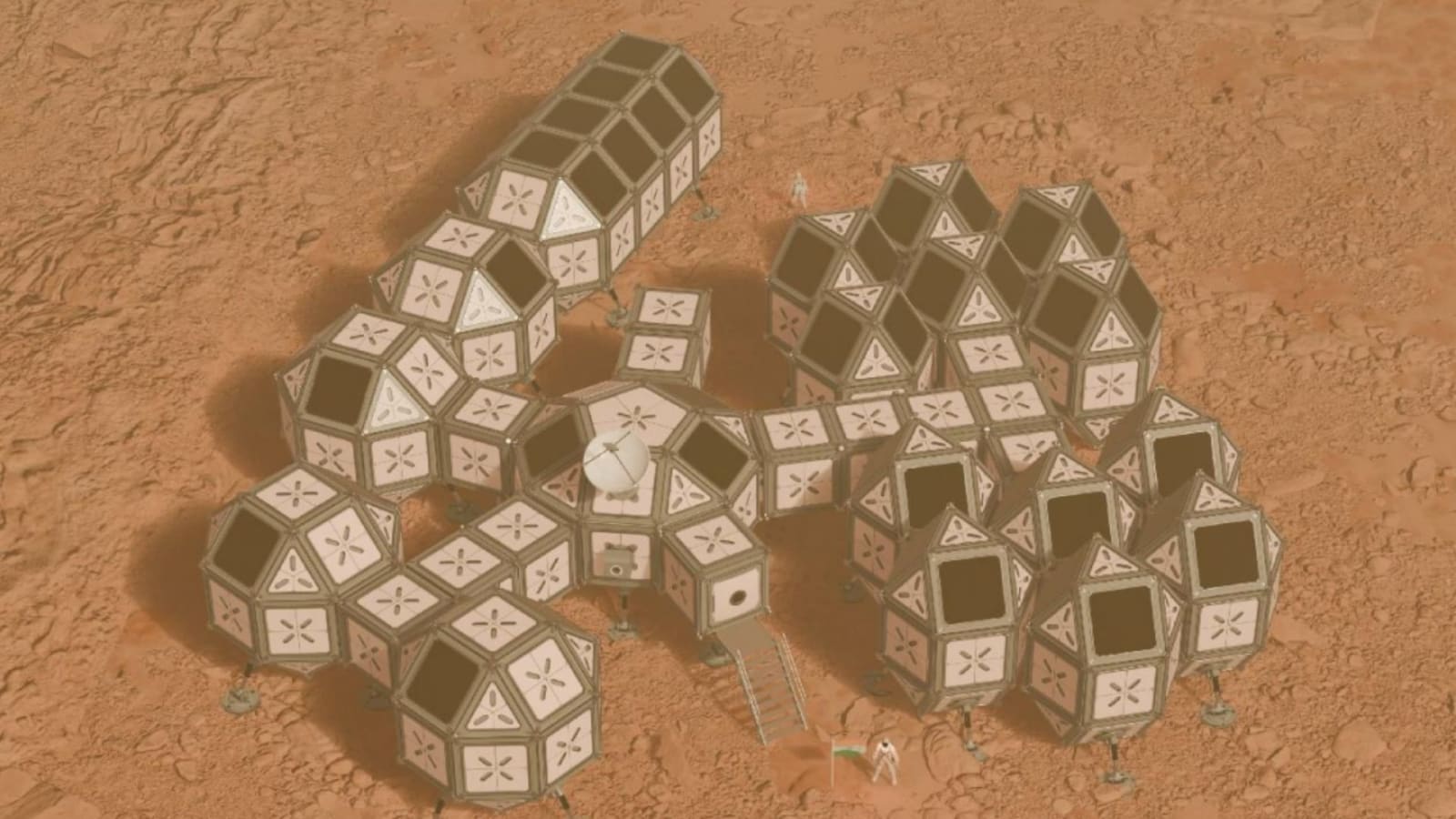
According to the paper, BHEEM will be completed in four stages, with the first focused on deploying the central module that will be mounted with communication devices to facilitate communication with Earth. It will initially support up to five astronauts as well as basic mission requirements on the surface. In the second stage, private crew quarters and living areas will be added, followed by storage spaces for equipment, food, and other supplies in the third stage. The final stage would involve adding medical facilities, science laboratories, and a greenhouse.
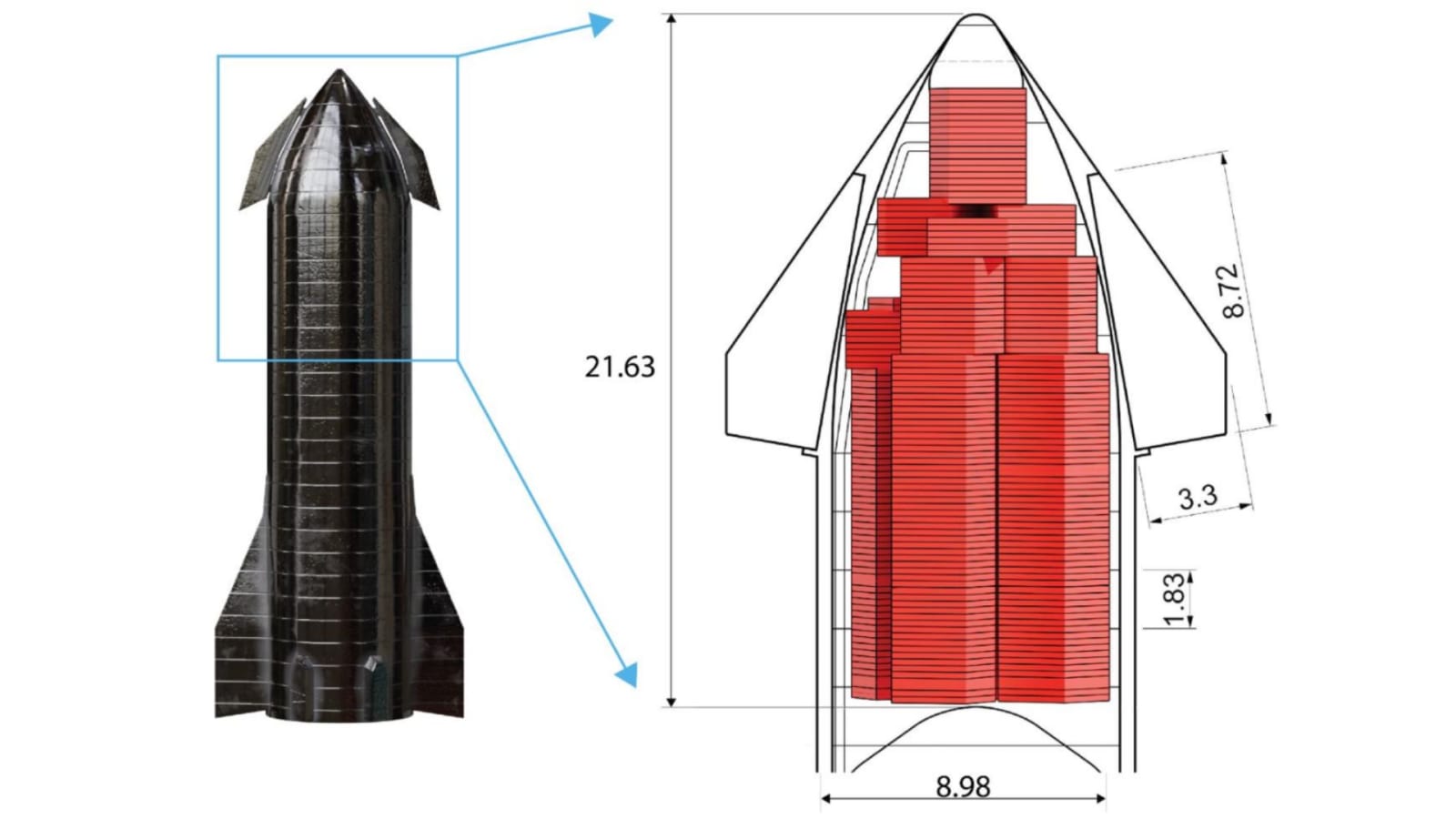
The modular planning of the habitat will provide several advantages, the authors say. Similar to the ISS, BHEEM could be assembled gradually, and its modules work independently of each other, with individual modules having their own life-support systems. They will be connected through a system of hatches so that an individual module can be depressurized without depressurizing the rest of the habitat. The authors wrote that modularity would also enable easy maintenance and replacement without having to stop or halt other functions.

Notably, they have also outlined many challenges that they need to overcome to advance from the design phase. They need to find the perfect material to make the panels, seal them properly to avoid atmospheric leaks, test them in real-world scenarios, develop full-scale prototypes, and build underground facilities to shield astronauts in cases of harsh atmospheric conditions. Besides, the current proposal only talks about the transportation of panels on Starship—other elements such as the connectors and interior/exterior systems will require additional launches.
More on Starlust
Scientists need to know this before we travel to Mars: How much of the planet's dust can be inhaled?