SpaceX assures March 29 anomaly with Starlink satellite poses no threat to Artemis II launch
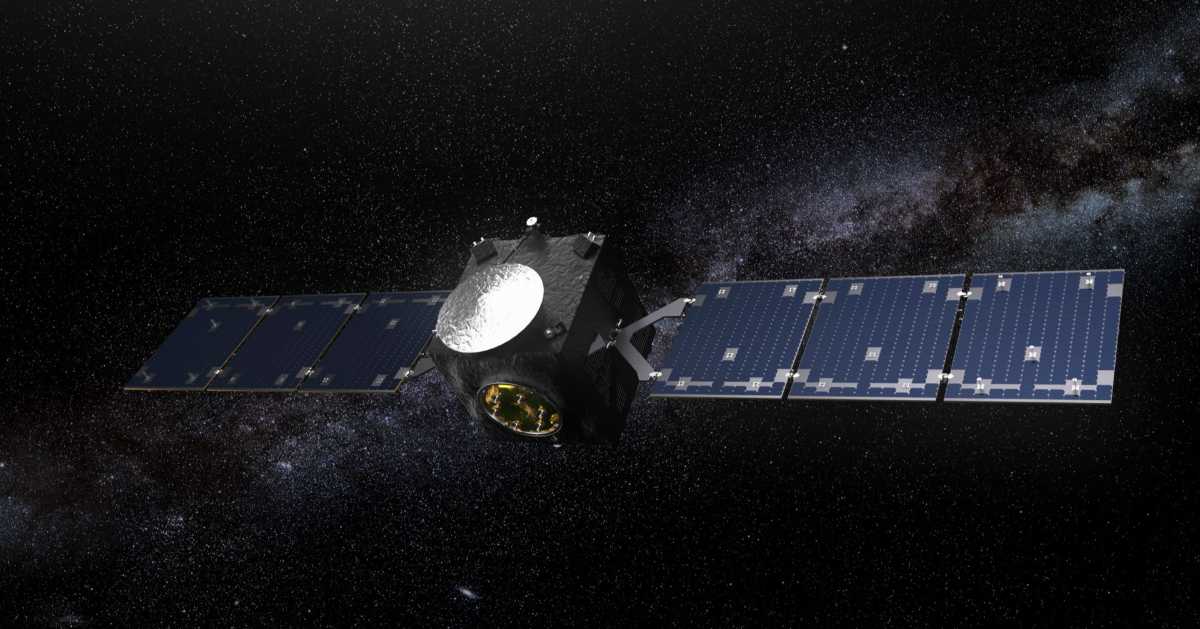
Elon Musk's SpaceX has revealed in a post on X that its Starlink satellite 34343, which was launched as part of a batch aboard Falcon 9 on May 27, 2025, suffered an anomaly on-orbit on March 29. The issue resulted in the loss of communications with the satellite when it was about 348 miles above Earth. This Starlink 17-1 mission had been a success at the time, and formed part of the company’s now 10,000-strong constellation of satellites, enabling reliable internet services. Since the anomaly occurred at a relatively low altitude, SpaceX also clarified that it posed zero threat to NASA’s upcoming Artemis II launch, the International Space Station, and its Expedition 74 residents.
On Sunday, March 29, Starlink satellite 34343 experienced an anomaly on-orbit, resulting in loss of communications with the satellite at ~560 km above Earth.
— Starlink (@Starlink) March 30, 2026
Latest analysis shows the event poses no new risk to the @Space_Station, its crew, or to the upcoming launch of NASA’s…
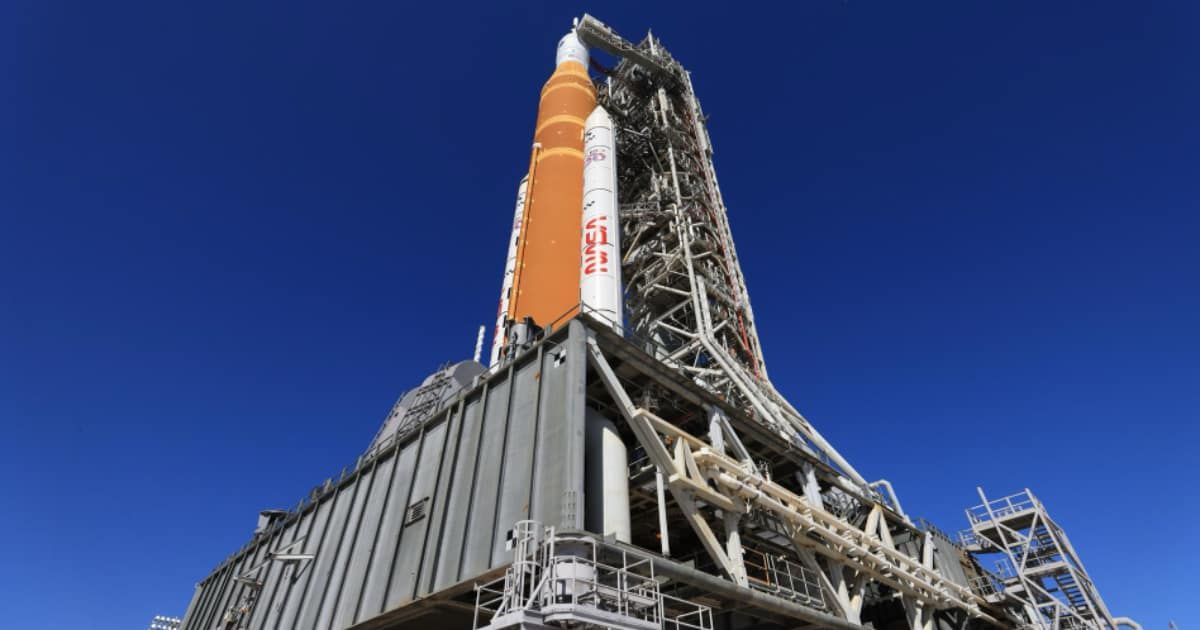
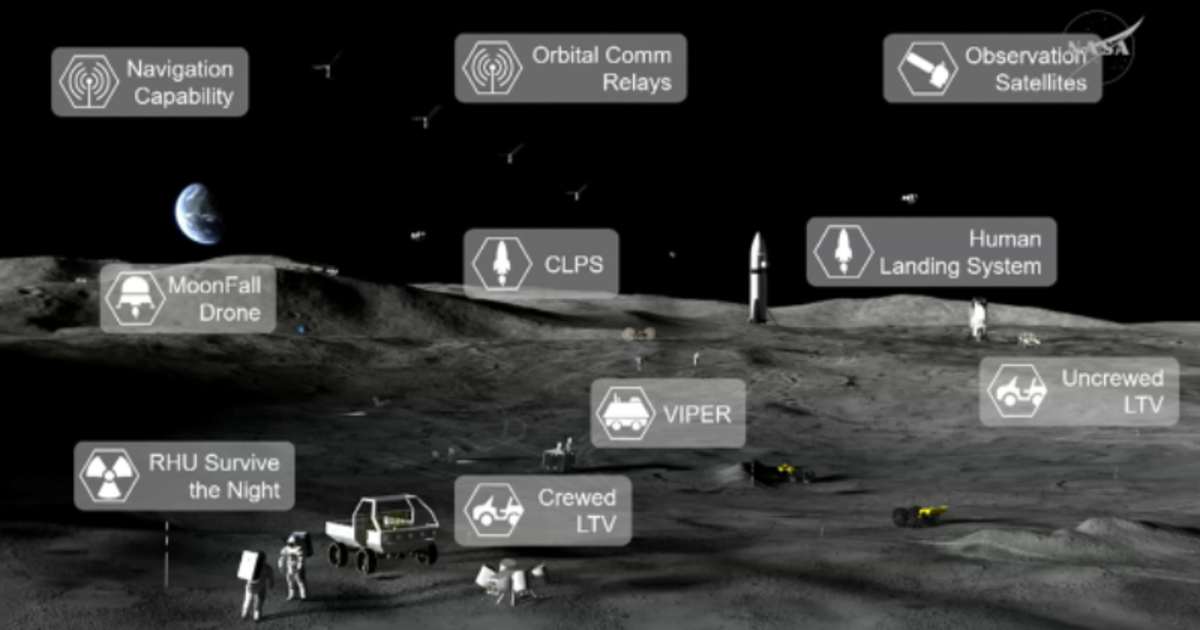
Steps to make any “necessary corrective actions” will be taken as the company works alongside NASA. The U.S. Space Force will also help track any debris and monitor the satellite. USSF’s Space Launch Delta 45 unit is also tasked with monitoring the skies above Cape Canaveral for a landmark first crewed mission by NASA to begin phase 1 of building its Moon Base.
Due to the heightened stakes for this lunar flyby mission, with a flight crew of four and their safety being paramount, SpaceX’s announcement allays fears for those wondering if space debris could jeopardise missions. The company is currently trying to identify the main cause of the anomaly. Starlink launches have previously been the subject of scrutiny from the perspective of atmospheric pollution, resulting from the re-entry of its expended second stage. The second stage itself has also seen multiple anomalies in performing its de-orbit burns, and other Starlink satellites have also re-entered in an uncontrolled fashion in the past.

SpaceX has had a busy schedule of launches in recent weeks, with back-to-back launches and Rideshare missions. The latter has seen over 1,600 different payloads sent to space. This includes the latest Transporter-16 mission, which carried 119 CubeSats, MicroSats and other SmallSats on Monday. This particular mission was also safe from any debris from satellite 34343, the company reported.
Action. Wonder. Adventure. Artemis II has got it all. Don't miss the moment. Our crewed Moon mission will launch as early as April 1.
— NASA (@NASA) March 30, 2026
Learn how to watch: https://t.co/fAg0bGAqEc pic.twitter.com/2uhg8EhwTv

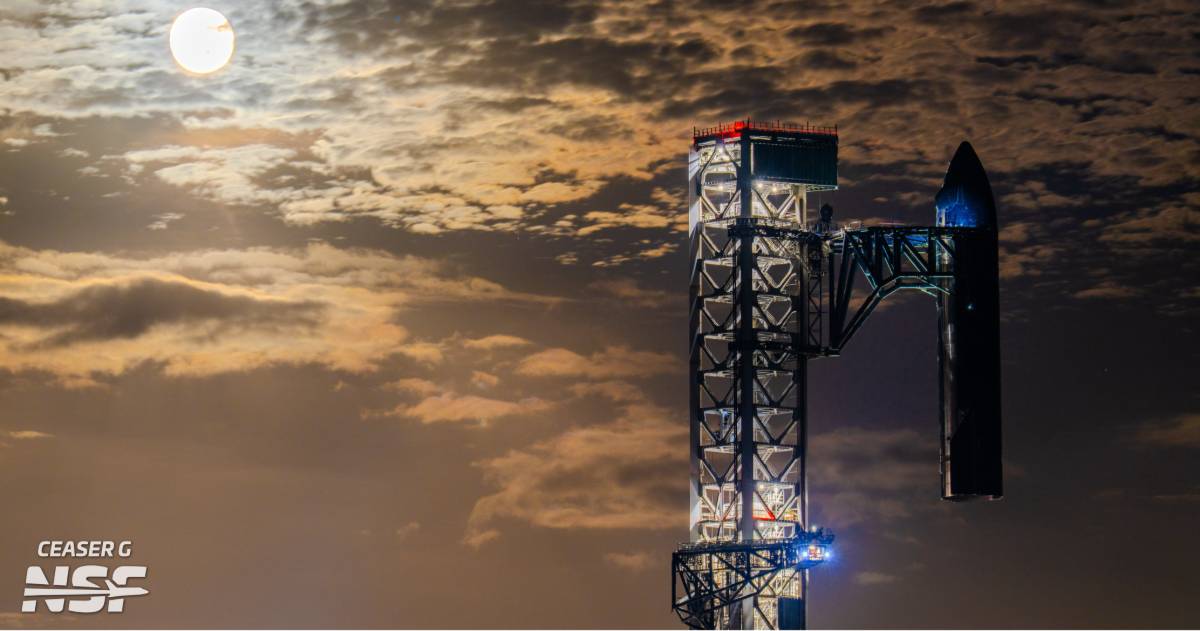
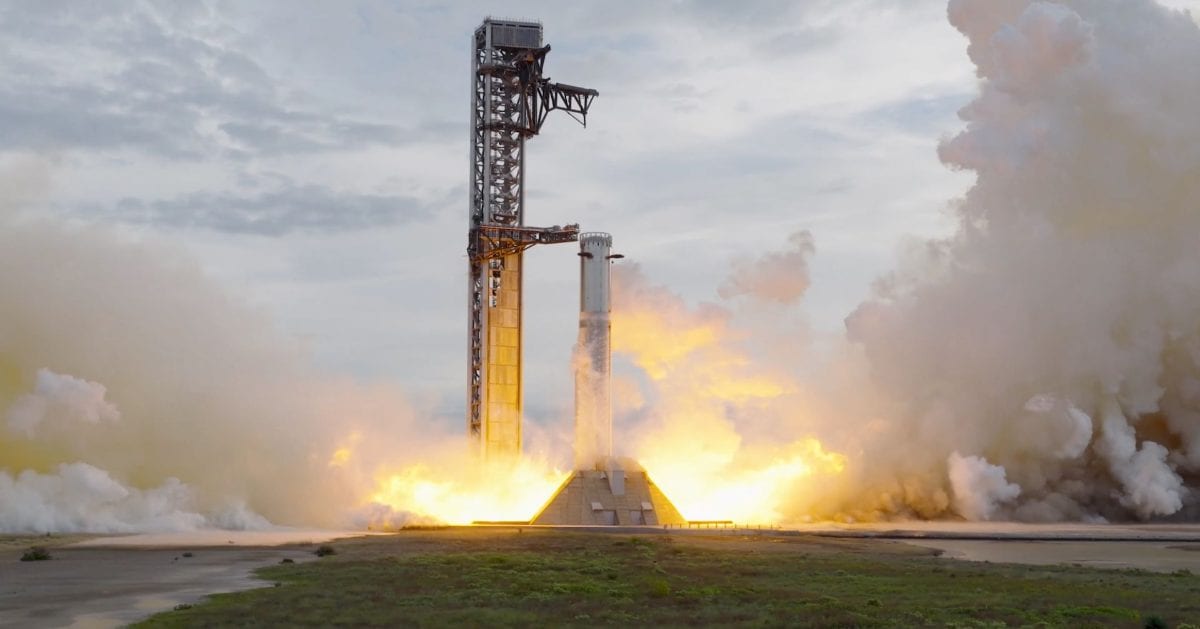
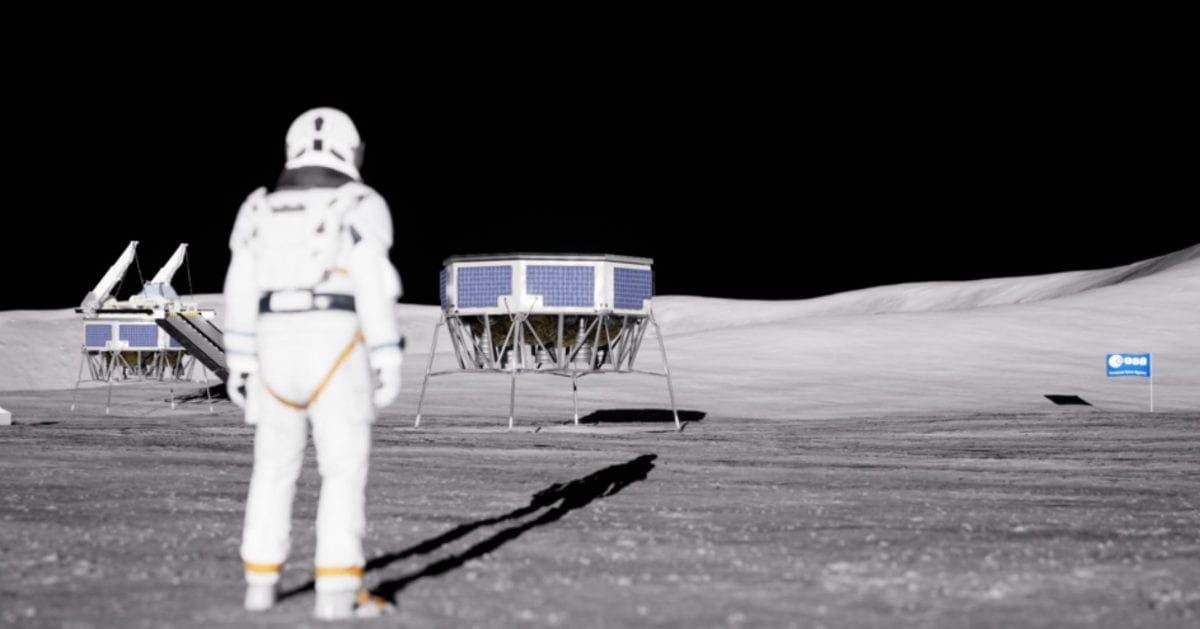
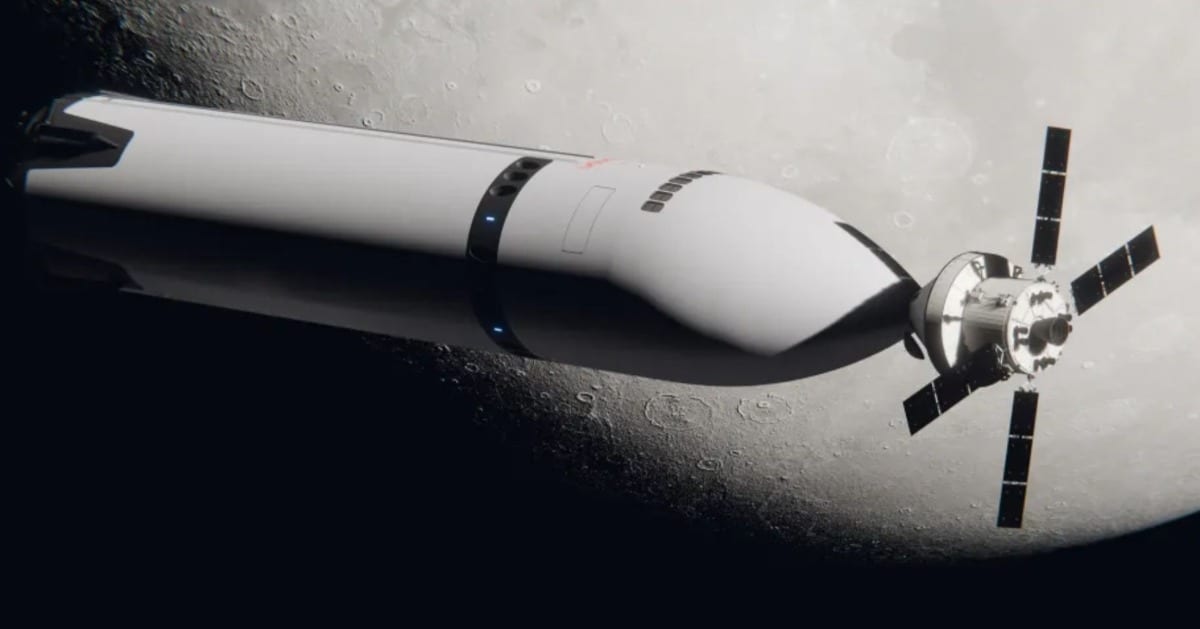
SpaceX also has plenty at stake with the upcoming launch of Artemis II, the countdown for which has already begun at Kennedy Space Center in Florida. The success of this mission will dictate NASA’s next steps towards Artemis III. SpaceX will be required to prepare its Starship human landing system in time for this test in Earth’s orbit. They are also further obligated to perform uncrewed lunar landings with Starship HLS. This will validate key systems onboard the futuristic-looking spacecraft before it carries humans to the surface of the Moon for the first time in more than 50 years with Artemis IV. One must note that NASA has not confirmed whether SpaceX will be the only one of its industry partners for the Artemis programme involved with the two upcoming missions. NASA has stated that “one or both” landers will be tested with Artemis III next year, and the competition faced by the California-based company is provided by Blue Origin’s Blue Moon lander.
More on Starlust
NASA’s 2025 Aerospace Safety Advisory Panel report reveals critical 'risks' for Artemis III mission
Here's what NASA is planning for Artemis IV and V now that the roadmap to the Moon has been revised