NASA releases over 12,000 images taken during Artemis II mission—here's all you need to know
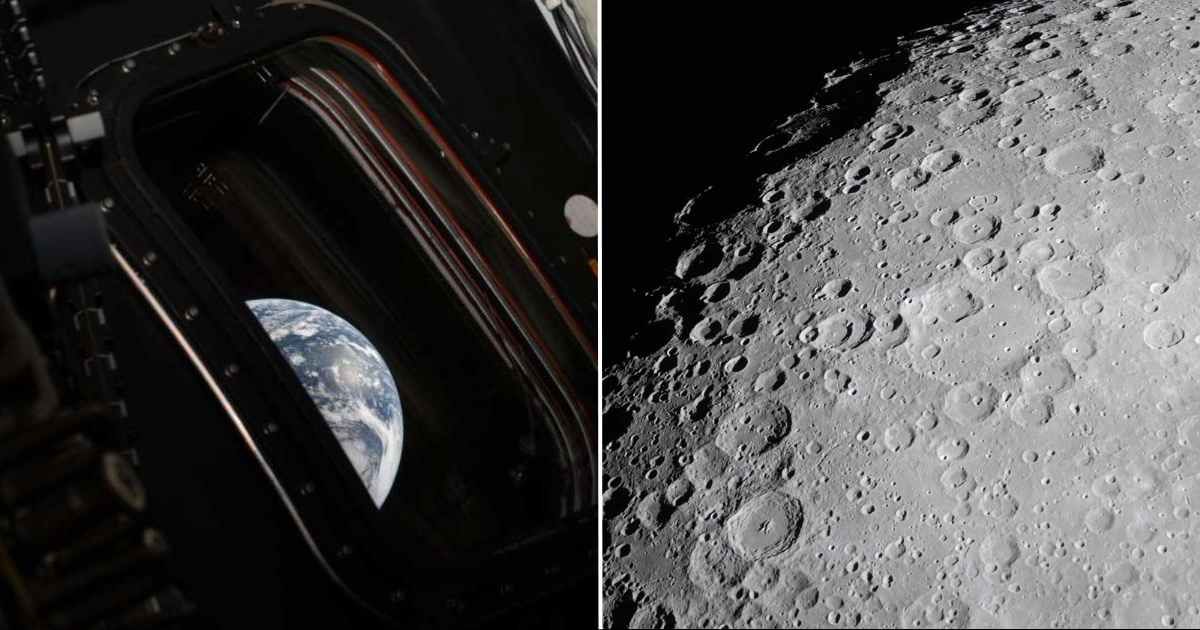
NASA appears to have released the highly anticipated photos on the Gateway to Astronaut Photography of Earth website, as opposed to its main image library.
(L)A view of Earth taken by Artemis II commander Reid Wiseman from one of the Orion spacecraft's four main windows on April 2, 2026. (Courtesy: NASA/Reid Wiseman); (R)A new photo of Moon captured during the mission. (Courtesy: eol.jsc.nasa.gov)

Over 12,000 images from NASA’s historic Artemis II mission have now been made publicly accessible. The agency appears to have released the highly anticipated photos on the Gateway to Astronaut Photography of Earth website, as opposed to its main image library.

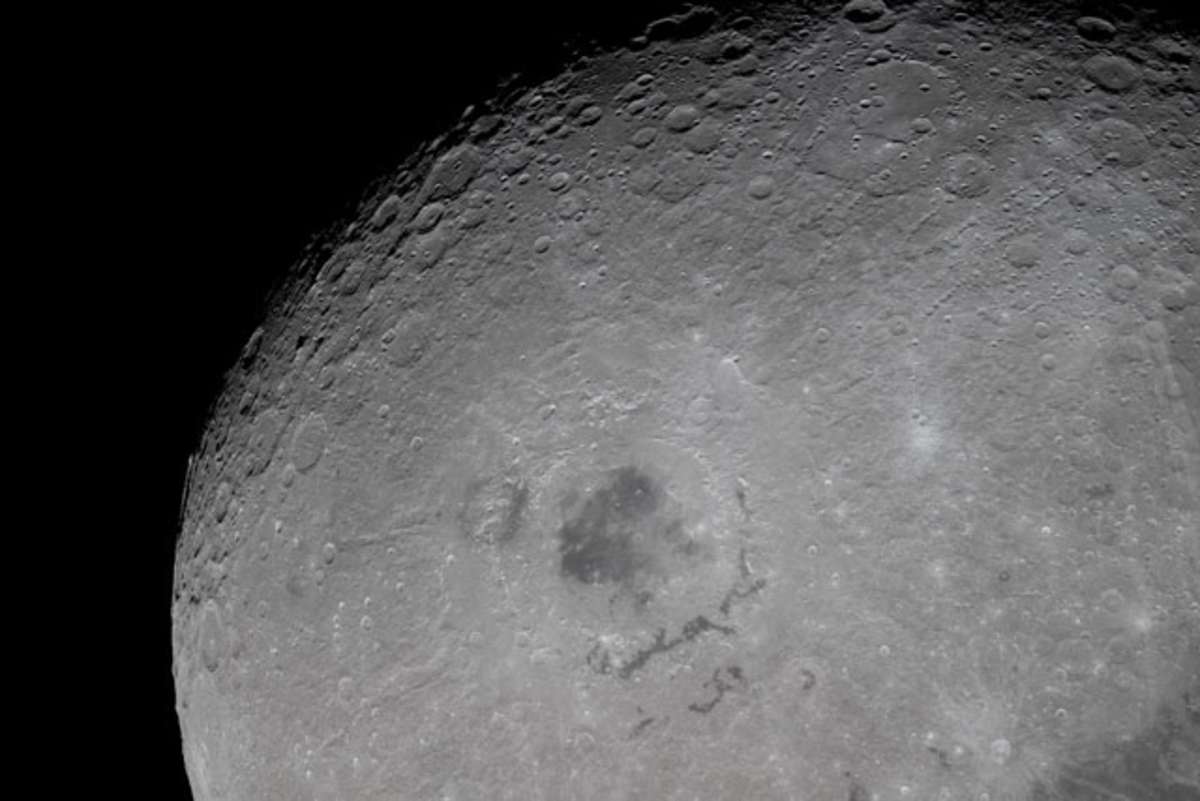
Image of the Moon's terrain taken from the Artemis II Orion spacecraft. NASA Photo ID: ART002-E-29649. (Image Source: Earth Science and Remote Sensing Unit | NASA Johnson Space Center)

The full lunar flyby image catalog seems to feature 12,217 raw and unedited pictures taken by the crew of Artemis II. The set includes some views of the Earth, the Moon’s terrain, as well as the solar eclipse observed from Orion’s perspective. A major portion of the catalog consists of sequential variations of previously released images from the mission. Earlier, NASA had shared a curated selection of a much smaller number of images, some of which were downlinked during the flyby itself.
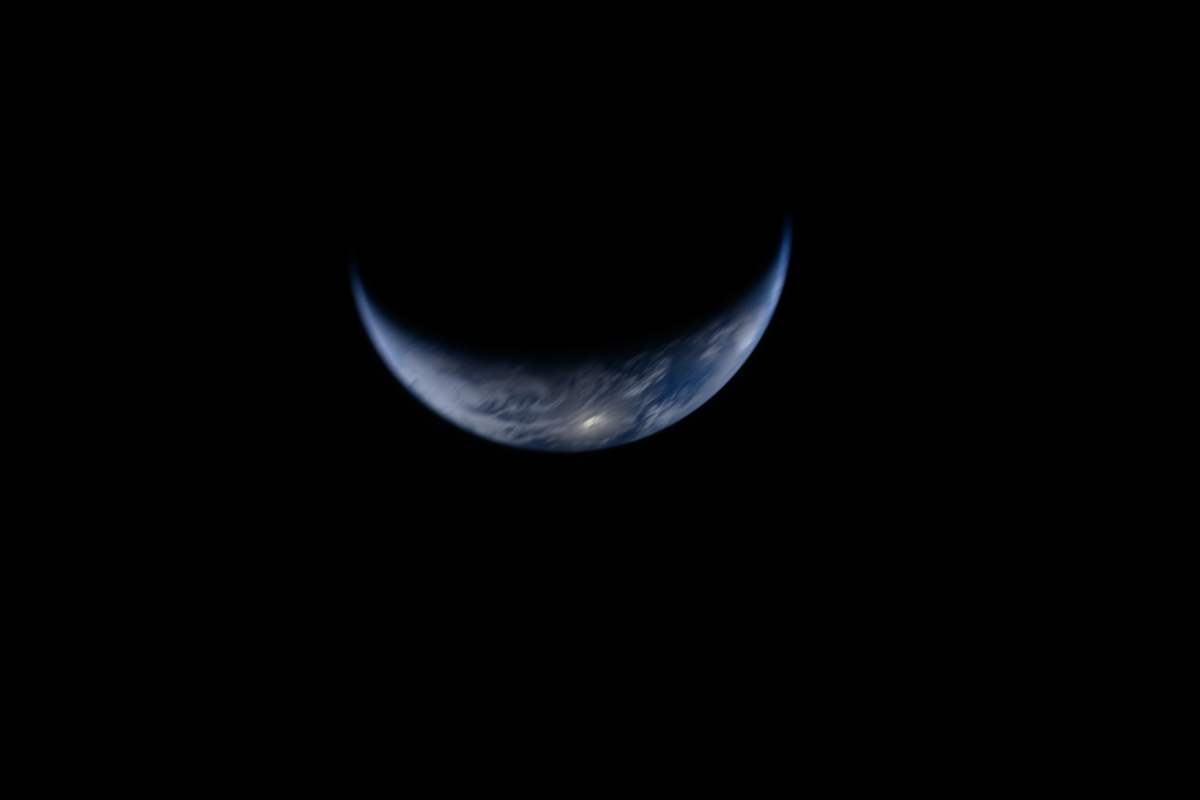
Image of the crescent Earth taken from the Artemis II Orion spacecraft. NASA Photo ID	ART002-E-27854. (Image Source: Earth Science and Remote Sensing Unit | NASA Johnson Space Center)
Image of the crescent Earth taken from the Artemis II Orion spacecraft. NASA Photo ID ART002-E-27854. (Image Source: Earth Science and Remote Sensing Unit | NASA Johnson Space Center)

The complete set of photos taken by the Artemis II crew can be accessed via the aforementioned site, which is managed by the International Space Station Program along with the Johnson Space Center Earth Science & Remote Sensing Unit, ARES Division, and Exploration Integration Science Directorate. The website is seemingly slow or difficult to navigate (especially on smartphone browsers) perhaps since it’s not designed as a typical consumer-facing gallery like NASA’s main multimedia archive. Moreover, considering the latest Artemis II drop, the site is likely to have seen a surge in traffic, which would have slowed the servers further.


NASA has yet to publicly announce this massive release on its website or social media. However, the agency’s Administrator Jared Isaacman confirmed its authenticity by responding to an X (Twitter) post from Matthew Mullin, a space laser engineer at NASA’s Goddard Space Flight Center, who was notably one of the first to reshare the image catalog online. 

More on Starlust

Artemis III SLS core stage arrives at Kennedy Space Center as Artemis II spacecraft undergoes study

Not everyone can fly on Artemis missions, but even middle schoolers can contribute to NASA science—here's how

MORE STORIES

The Falcon 9's upper stage will hit the Moon at seven times the speed of sound. Details here.
2 hours ago
While work on Artemis III architecture is well underway, important information about the mission still remains under wraps.
3 hours ago
NASA and its international partners have shared the broad outline of the new ISS schedule.
6 hours ago
The nanotube-based composite blocks radiation, survives extreme temperatures, and can be 3D-printed.
3 days ago
"We're going to marry our success from Ingenuity, all that knowledge, all that skill and success, and couple that with an industry capability. We're going to get this done."
3 days ago
The seven-person also did studies in the areas of biomedicine while also upgrading data hardware.
4 days ago
Apollo 17 astronaut Harrison 'Jack' Schmitt explains why exploring the Moon continues to be important.
3 days ago
"The successful performance of our thruster in this test demonstrates real progress toward sending an American astronaut to set foot on the Red Planet."
4 days ago
The Artemis III core stage will be placed horizontally in the transfer aisle of the VAB before being lifted into a vertical position in High Bay 2.
4 days ago
"A well-known metallurgical behavior was found at the surface of the module, which will be fixed by the end of the third quarter of 2026."
5 days ago