NASA updates ISS schedule for 2026: Check new flight plan for the International Space Station
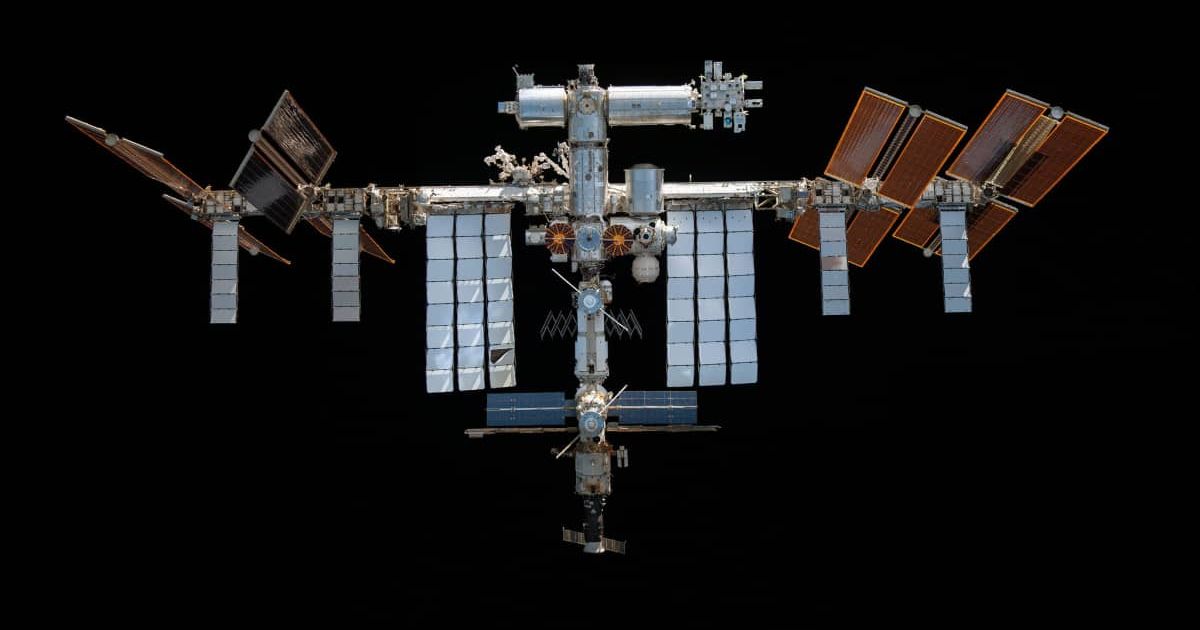
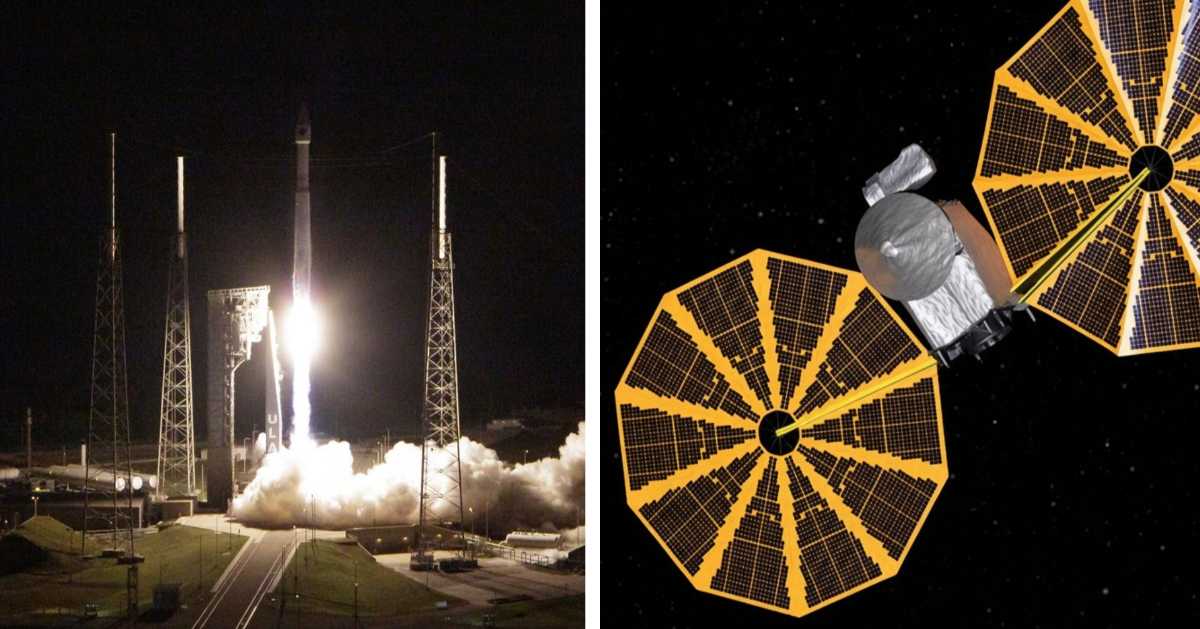
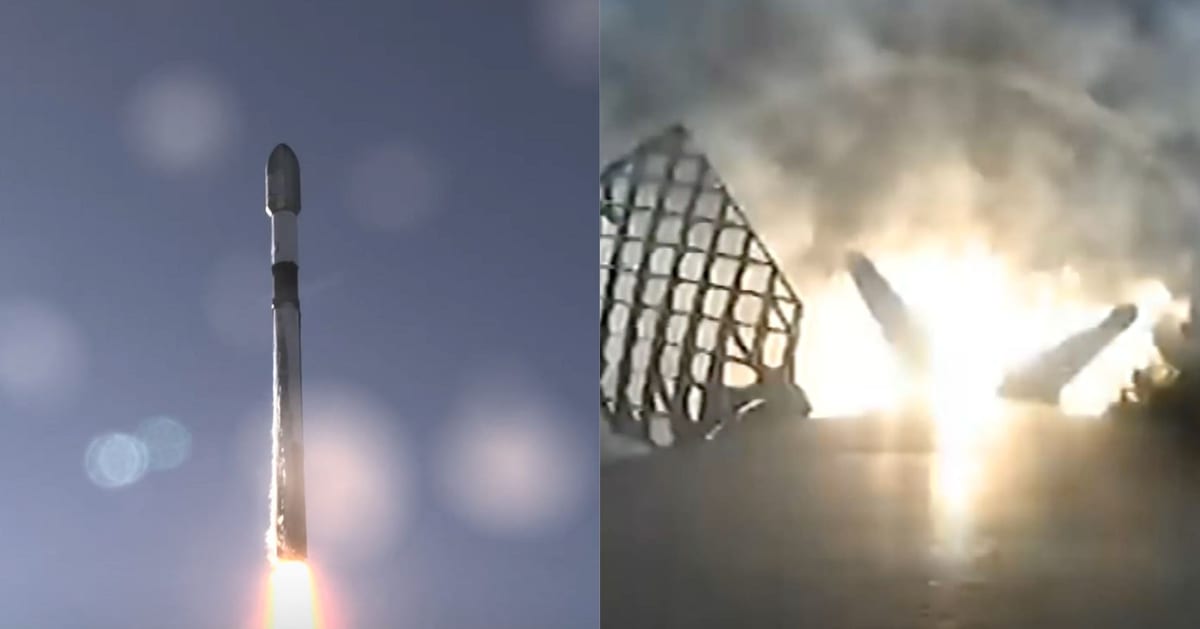
NASA has revised the 2026 flight schedule for missions going to the International Space Station (ISS) to better synchronize logistics and timing of missions, per the latest update from the agency. This updated plan ensures a steady rhythm of cargo deliveries and crew rotations, and includes revised dates for the SpaceX Crew-13 mission. Now scheduled for a mid-September launch instead of November from the Space Launch Complex 40 (SLC 40) at Cape Canaveral Space Force Station in Florida, Crew-13 will carry NASA astronauts Jessica Watkins and Luke Delaney, Canadian Space Agency astronaut Joshua Kutryk, and Roscosmos cosmonaut Sergey Teteryatnikov to the ISS. The four members of the crew will eventually become part of Expedition 75 aboard the station.
The schedule for 2026 is packed with essential missions starting in spring. On May 12, 2026, the 34th Commercial Resupply Services (CRS) mission by SpaceX is expected to deliver over 6,400 pounds of scientific payloads and supplies to the ISS. This will be followed by the Soyuz MS-29 mission on July 14, which will transport NASA's Anil Menon alongside Roscosmos cosmonauts Pyotr Dubrov and Anna Kikina for a long-duration stay on board the space station.
The fall windows later in the year will see two more massive cargo deliveries. The SpaceX CRS-35 mission will bring 7,200 pounds of equipment, including new Roll Out Solar Arrays, to give a boost to the station's power sources. Preparatory work was recently done through the first spacewalk of the year, which now allows the installation of the aforementioned solar arrays. After SpaceX's mission, the Northrop Grumman CRS-25 mission will deliver approximately 11,000 pounds of cargo to the orbiting laboratory. Barring the Soyuz MS-29 mission, whose launch will take place from the Baikonur Cosmodrome in Kazakhstan, all of the above launches will take place from the SLC 40 in Florida.
After reviewing the @Space_Station flight schedule, @NASA and its partners are adjusting launch opportunities for several upcoming missions. This update to the schedule better aligns mission planning, logistics, and timing for upcoming flights to support space station operations.… pic.twitter.com/u3eA52piVq
— NASA Space Operations (@NASASpaceOps) May 1, 2026
With most of the 2026 calendar firming up, one major mission still remains in a state of uncertainty—launch opportunities for the uncrewed Boeing Starliner-1 cargo mission are still under review. NASA is currently evaluating technical issues with a crewed version of the Starliner that surfaced in 2024, which it labelled a Type-A Mishap following investigations. Since the ISS is a busy hub of crew and cargo arriving and departing periodically, NASA and its partners must carefully assess traffic and operational readiness before a specific launch window can be assigned to the Starliner mission. In its latest update, NASA emphasized that it would continue to adjust these dates as needed to prioritize the safety of the crew and the success of the scientific experiments being conducted on board.
Work continues on board ISS: Space gardening, maintenance, and more
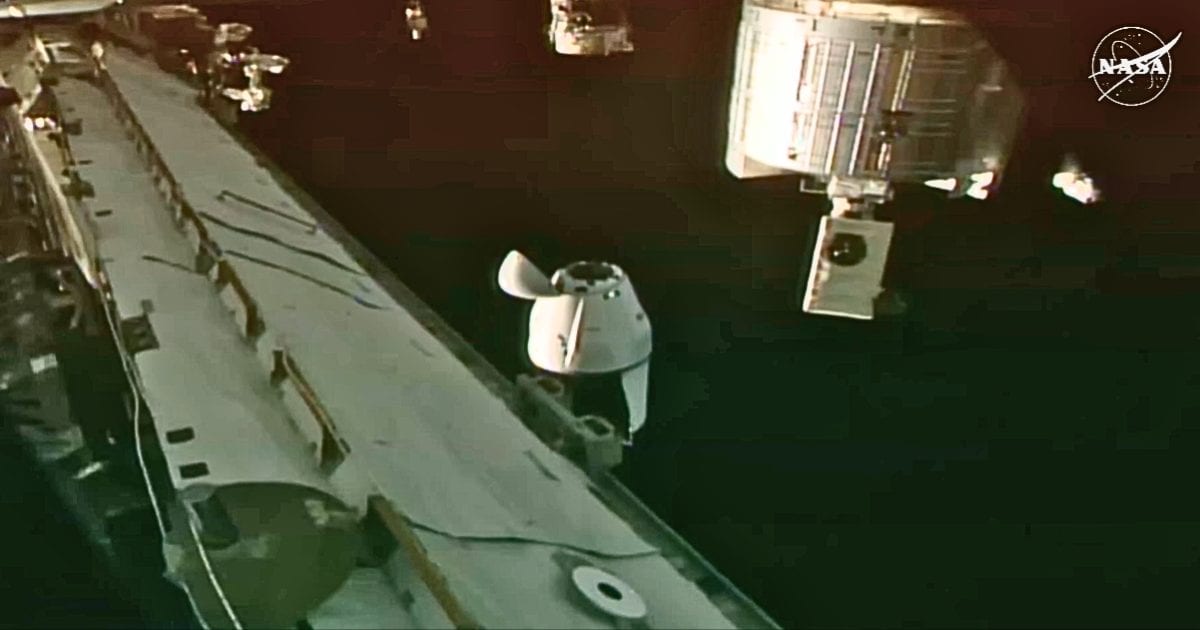
On the station itself, the current Expedition 74 crew members are keeping pace with research and maintenance, according to reports. NASA's Chris Williams recently tested the rope-pull workout machine called the European Enhanced Exploration Exercise Device, which is being developed to keep astronauts fit on long-duration missions, possibly to the Moon and Mars. Meanwhile, European Space Agency (ESA) astronaut Sophie Adenot and NASA's Jack Hathaway have been performing detailed artery scans using ultrasound technology to monitor heart health and potentially detect blood clots.
A new exercise device, artery scans, and space gardening topped the research schedule for the Expedition 74 crew aboard the International Space Station on Thursday. More... https://t.co/FnrIFxYdf0 pic.twitter.com/QIEq7vQjLw
— International Space Station (@Space_Station) April 30, 2026
Williams was also busy with "space gardening," with him tending to alfalfa plants. Adenot and Hathaway also conducted seed germination experiments separately to understand how growing plants and microscopic life cope in microgravity. Roscosmos cosmonauts Sergei Mikaev and the commander of the orbital outpost, Sergey Kud-Sverchkov, continued unpacking three tons of supplies from the recently-arrived Progress 95 Soyuz capsule.
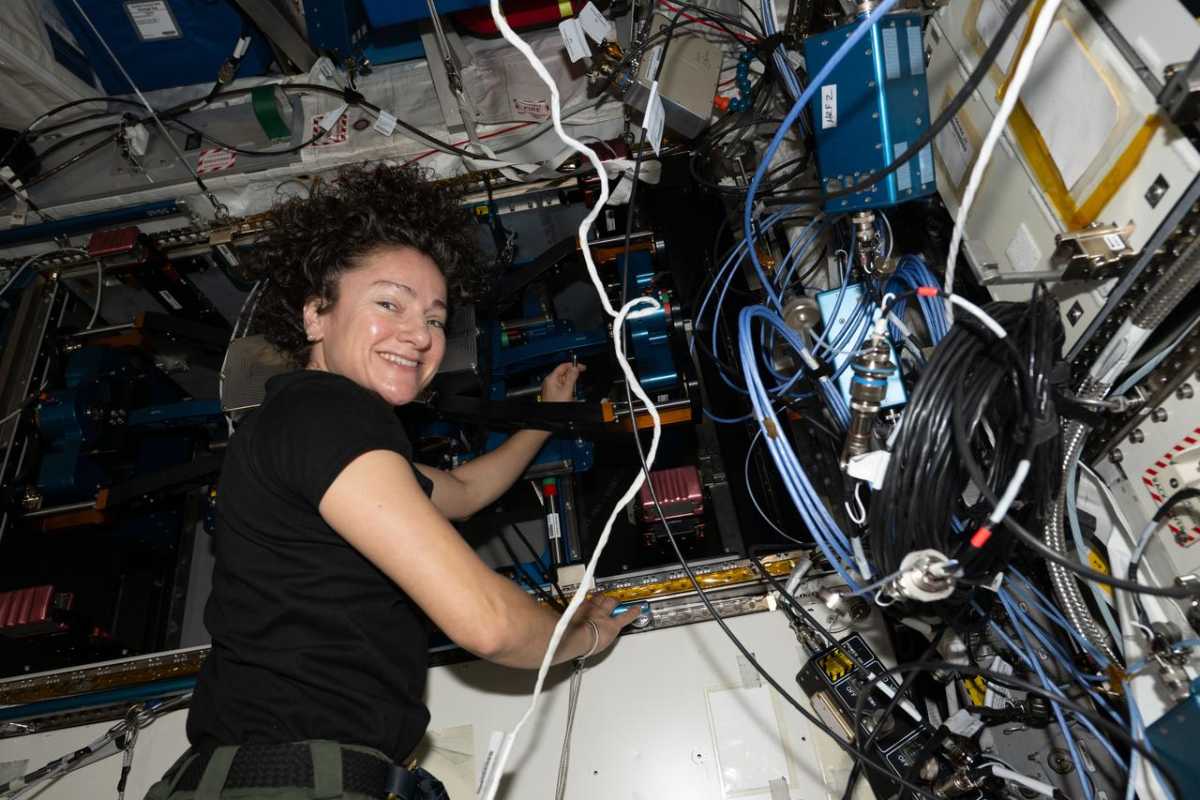
Sneak peek at what it looks like to set up a new experiment on the @Space_Station! I installed hardware in the Microgravity Sciences Glovebox (MSG) for the Colloidal Solids experiment. This study will investigate the structure and dynamics of crystal, gel and glass phases during… pic.twitter.com/qvT27Iyyai
— Jessica Meir (@Astro_Jessica) May 1, 2026
As NASA leadership works out the immediate logistics of the 2026 schedule, the ISS crew is also focused on the long-term maintenance of the station's infrastructure and specialized hardware. Flight engineer Andrey Fedyaev has been performing essential technical audits, such as inspecting laptop batteries and managing the ventilation systems that connect the US and Russian segments of the station. His final tasks for Thursday included checking the operation and cable connections of the Roscosmos video recording system. Simultaneously, NASA astronaut Jessica Meir also performed hardware swaps on spacesuits inside the Quest airlock of the station alongside Adenot. The pair of Meir and Hathaway also ended up reorganizing storage in the Kibo laboratory. This tidying up was needed to make room for the influx of new investigations and activities planned for the upcoming year.
More on Starlust
Expedition 74 conducts quantum experiments in search for dark matter among other activities on ISS
NASA announces SpaceX Crew-13 for International Space Station mission in September 2026