Scientists directly measure metal pollution caused by uncontrolled SpaceX rocket re-entry for the first time
For the first time, scientists have measured a significant increase in the metal pollution within the Earth’s atmosphere caused by the uncontrolled re-entry of a SpaceX Falcon 9 upper stage. The findings, published in the journal Nature on February 19, 2026, indicated a 10-fold increase in lithium atom concentrations from the debris at an altitude of 96 km. It was measured by LIDAR lasers at Kühlungsborn, Germany.
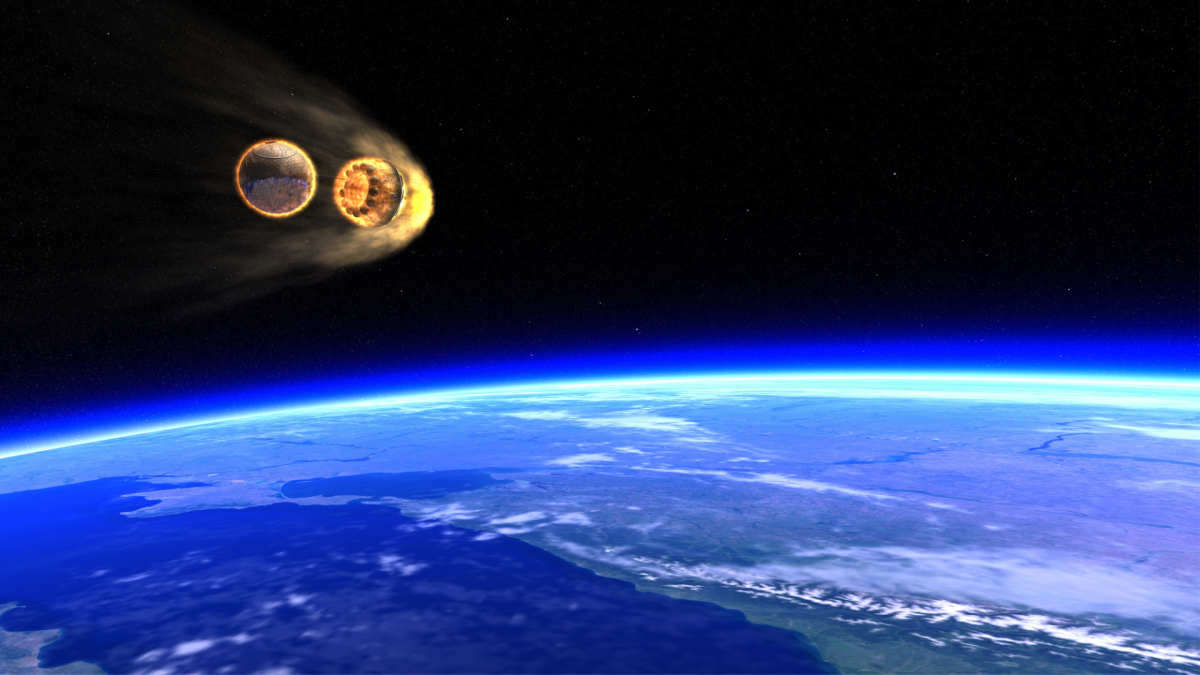
This discovery sheds a different perspective on the risks of space debris, which are commonly thought of as potential impacts to people and infrastructure. The study should mark a shift in how researchers view the environmental impact of the growing commercialisation of space. This being a new area of study, the effects of lingering metals in the atmosphere were not fully understood, yet.
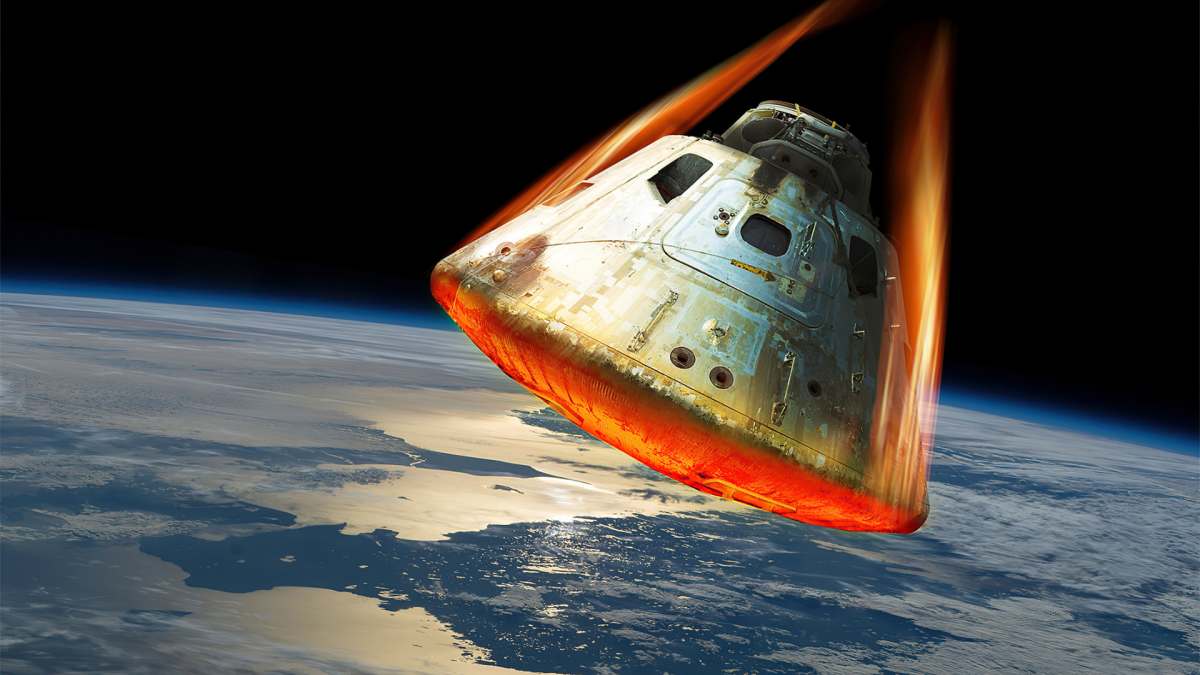
The data for the breakthrough research was gathered by sampling the parts of the atmosphere where satellites typically incinerate upon re-entry. Scientists found that the chemical makeup of the stratosphere now contains significant traces of lithium, aluminium, copper, and lead, all materials used in the construction of modern satellite components and batteries. Unlike natural meteorites, which are primarily composed of elements like sodium, iron and magnesium, these elements are directly linked to the increasing frequency of decommissioned satellites being steered back into the atmosphere. Though the latest study is the first of its kind, a study attempting to track the effects of satellite re-entry was previously done using the ESA’s Cluster satellites.

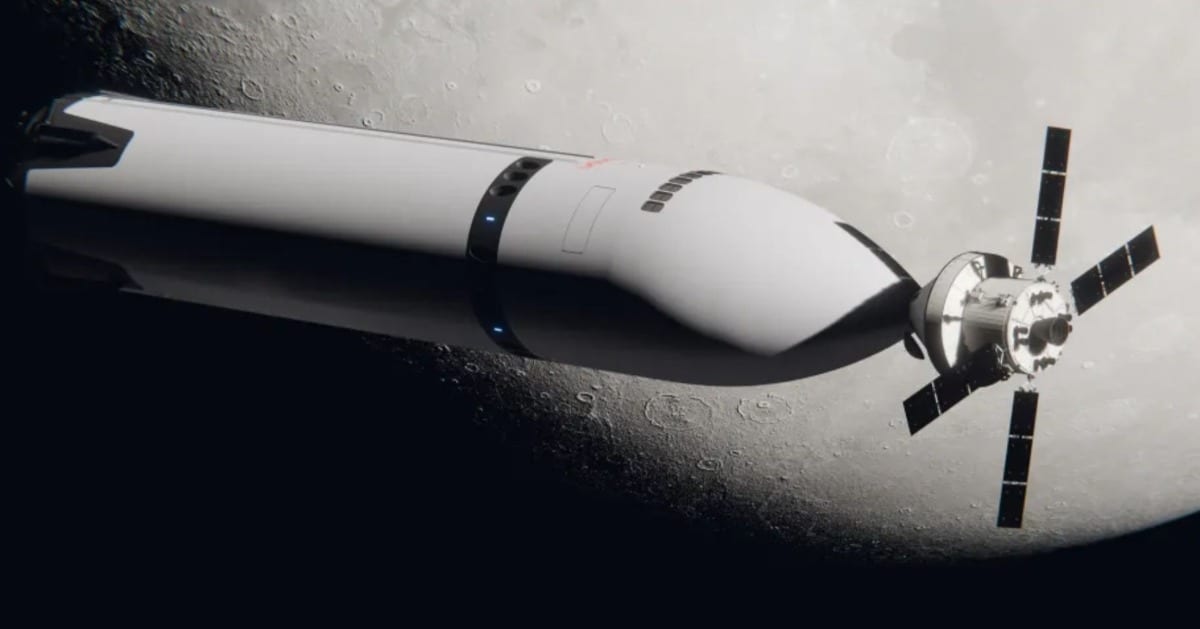
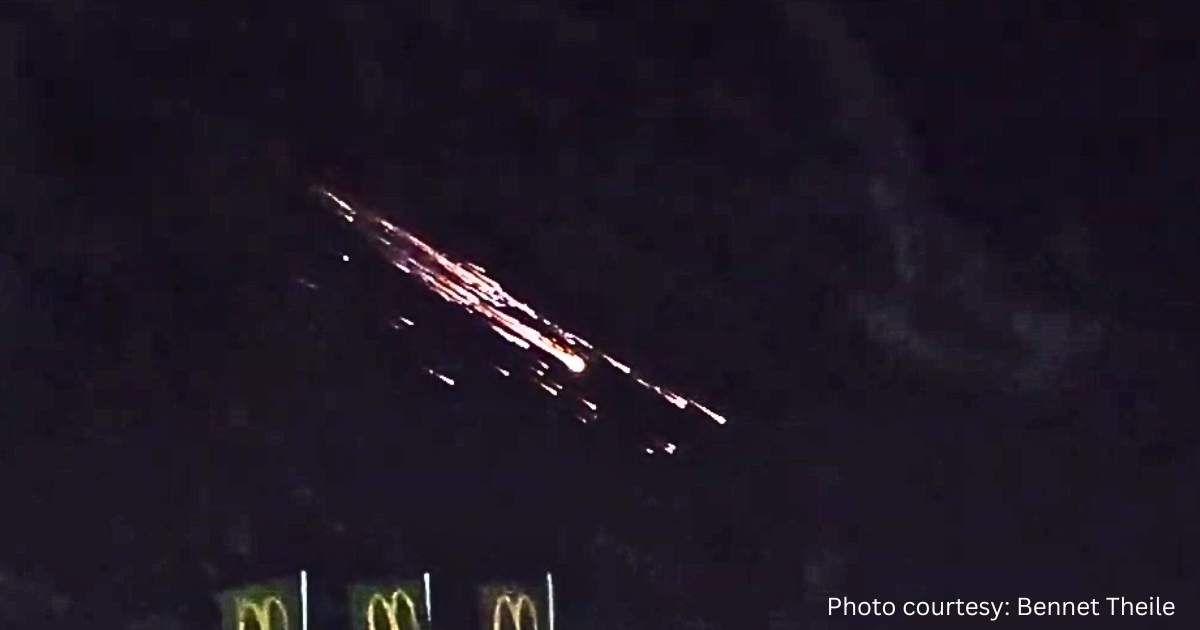
SpaceX have been under scrutiny with multiple instances of their Falcon 9 rocket’s second stage making “off-nominal” de-orbits. According to a BBC report, a piece of debris from a Falcon 9 rocket crashed into a private property in Poland last year, with other instances of debris seen glowing in the night skies above the UK and mainland Europe. The plume left by the Falcon 9 upper stage that had entered the atmosphere between 3:44 am and 3:52 am UTC on February 19, 2025, became a key subject matter within the study.
Professor Robin Wing at the Leibniz Institute of Atmospheric Physics in Kühlungsborn, Germany, told BBC, "We saw the news that this rocket had crashed into Poland. It had flown almost directly over us, and we thought, 'Oh, this is a great chance'." Professor Wing, also amongst the authors of the aforementioned research paper, went on to say, “So, a single Falcon 9 rocket has about 30 kg, so this is quite a lot more," referring to the amount of matter that the Earth’s atmosphere gets naturally from space on a daily basis (which is only about 50-80 kg in total). "Our largest concern is aluminium and aluminium oxides interacting with the ozone layer," said Professor Wing about the threats the pollutants pose.
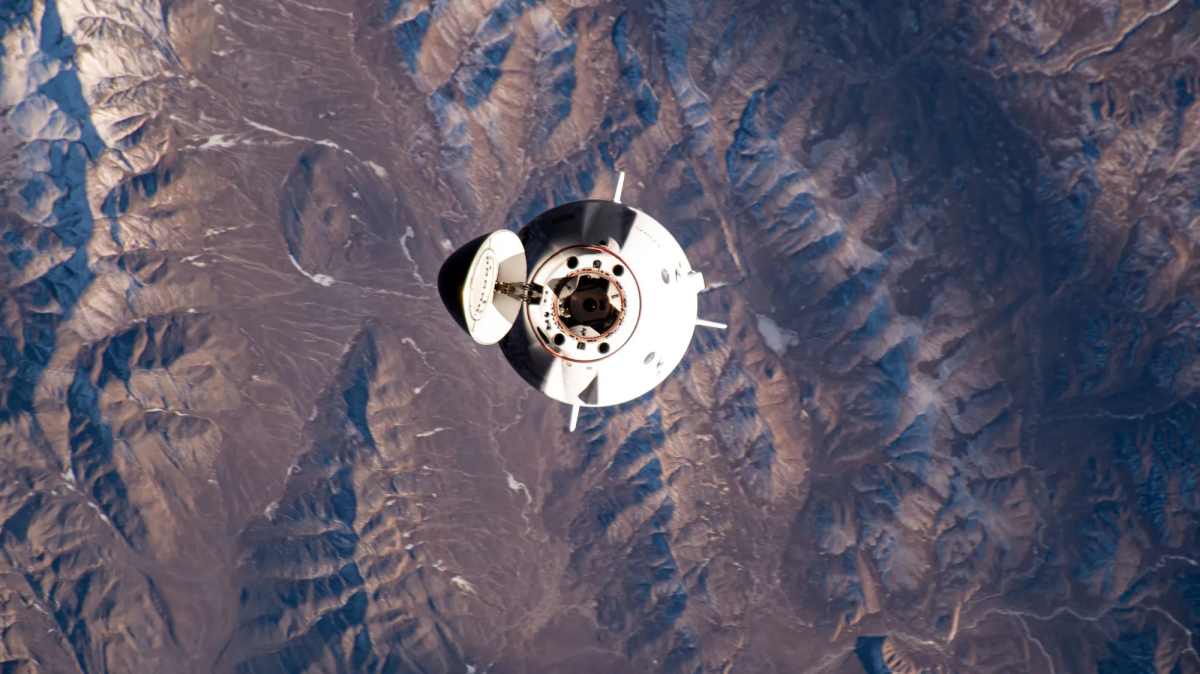
With NASA looking for commercial participation in its International Space Station operations and Artemis program, the direction of travel is clearly towards further involvement of commercial partners. This may increase the risks of atmospheric pollution from an entirely new industry, also evidenced by SpaceX launching Starlink satellites in large numbers. About containment of this growing problem, Professor Wing added, “I hope that if we start our measurements now, perhaps we can get ahead of the curve and identify any potential problems before they become serious.”
More on Starlust
Starlab accelerates commercial space station development with key milestones