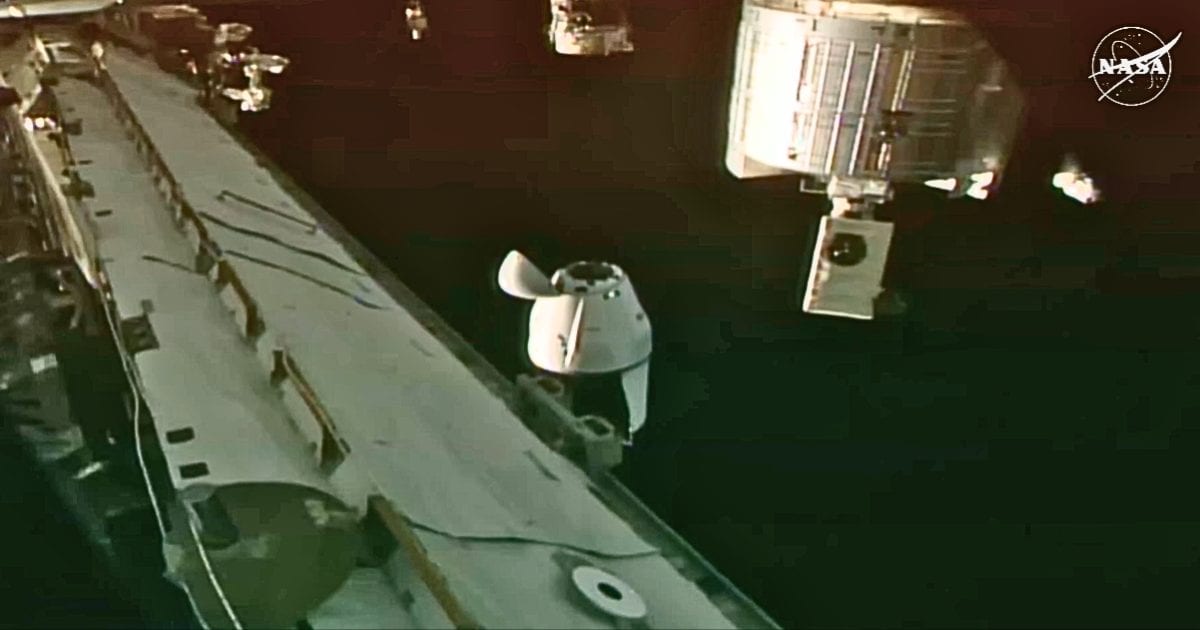
Is Artemis III behind schedule? Lack of updates from NASA indicates so
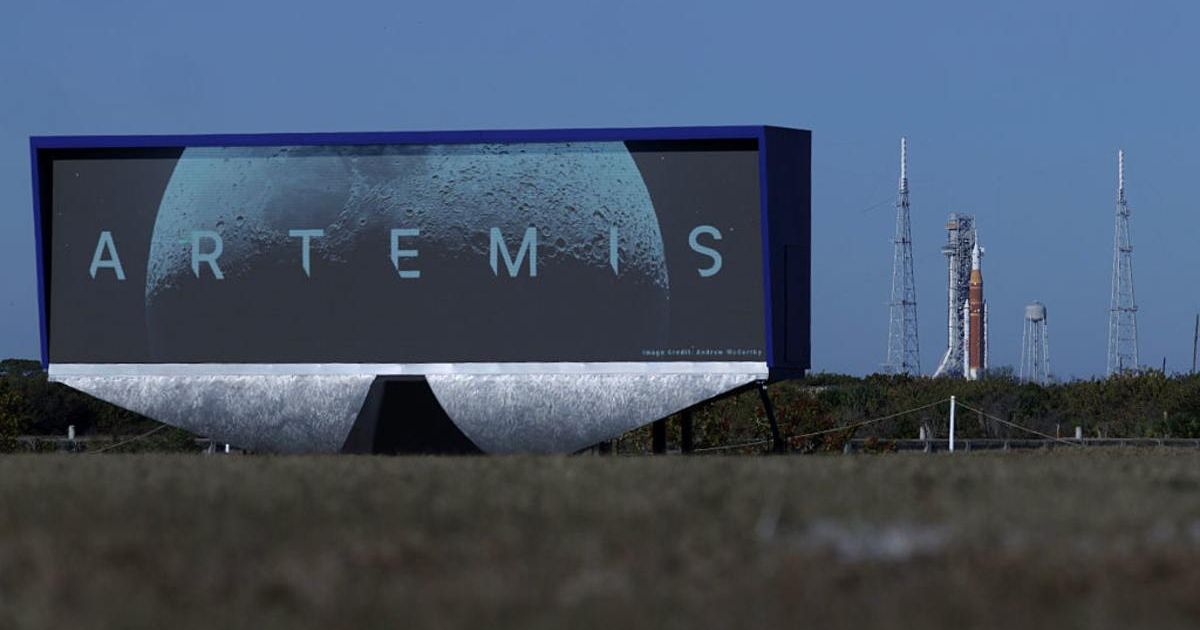
The Artemis III mission had invoked a significant amount of excitement. After all, it would have been the first time since NASA’s Apollo days that humans would have walked on the lunar surface. NASA, however, decided to revise its plans for the highly anticipated Artemis III mission. And since then, updates have been scarce—something that Spacenews thinks is indicative of the mission being behind schedule.

NASA announced the Artemis overhaul on February 27, declaring that Artemis III will be a low-Earth orbit enterprise. It will involve the Orion spacecraft docking with one or both of the lunar landers from SpaceX and Blue Origin. In this regard, it will mimic the 1969 Apollo 9 mission, which involved testing of the Lunar Module in low-Earth orbit and was followed by Apollo 11 later in the year. Under the revised roadmap, it will be Artemis IV in early 2028 and Artemis V in late 2028 that will see astronauts set foot on the Moon again. At the moment, the preparations for a launch are underway at the Kennedy Space Center.
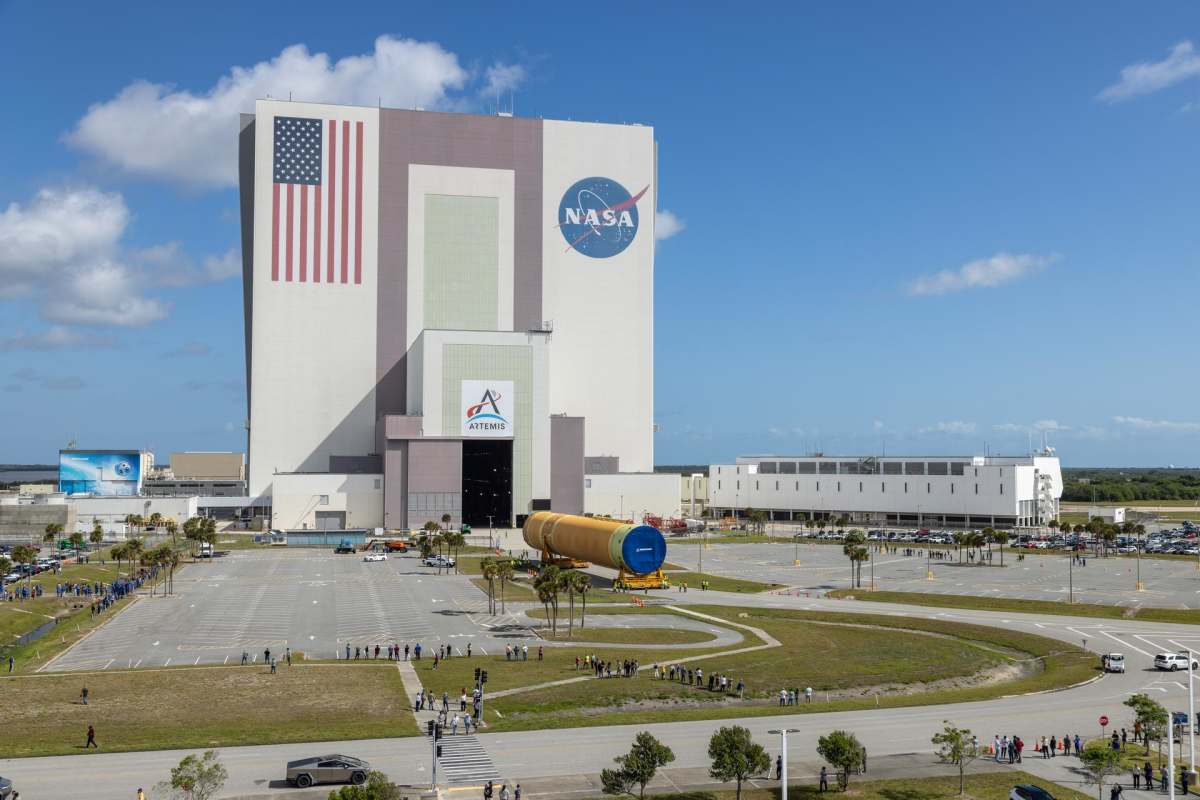
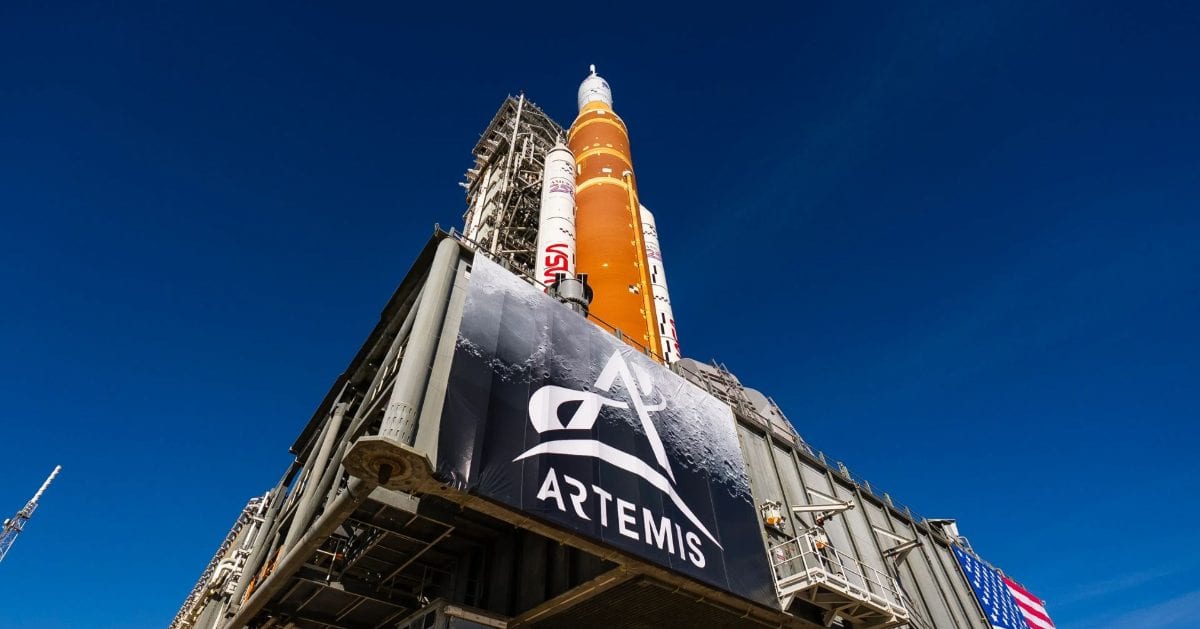
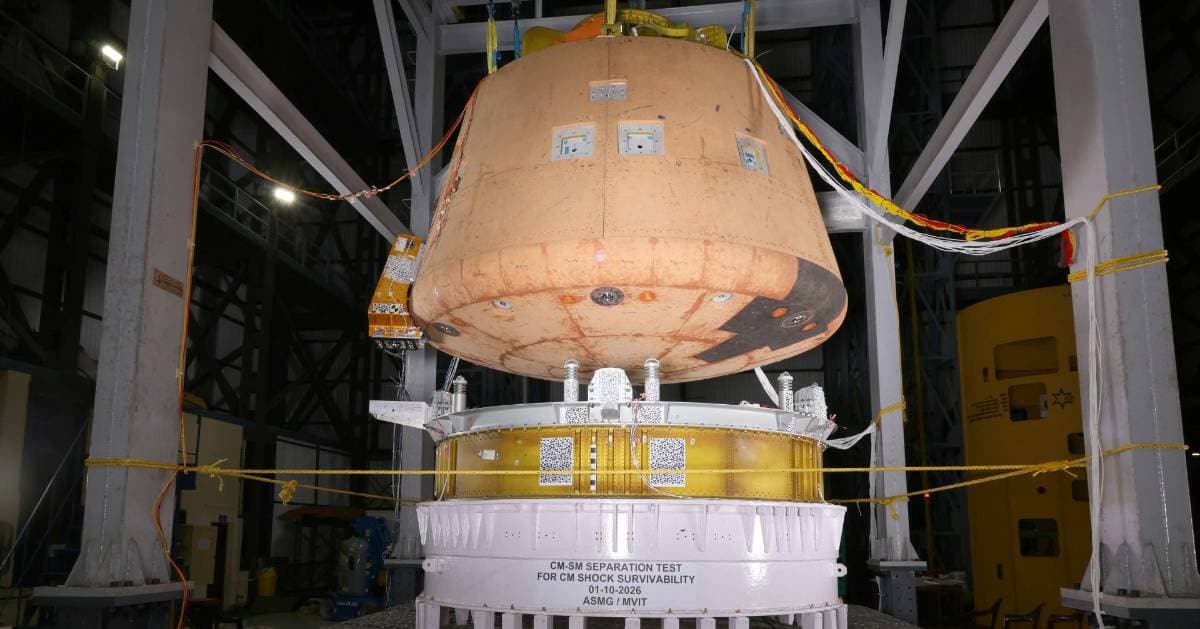
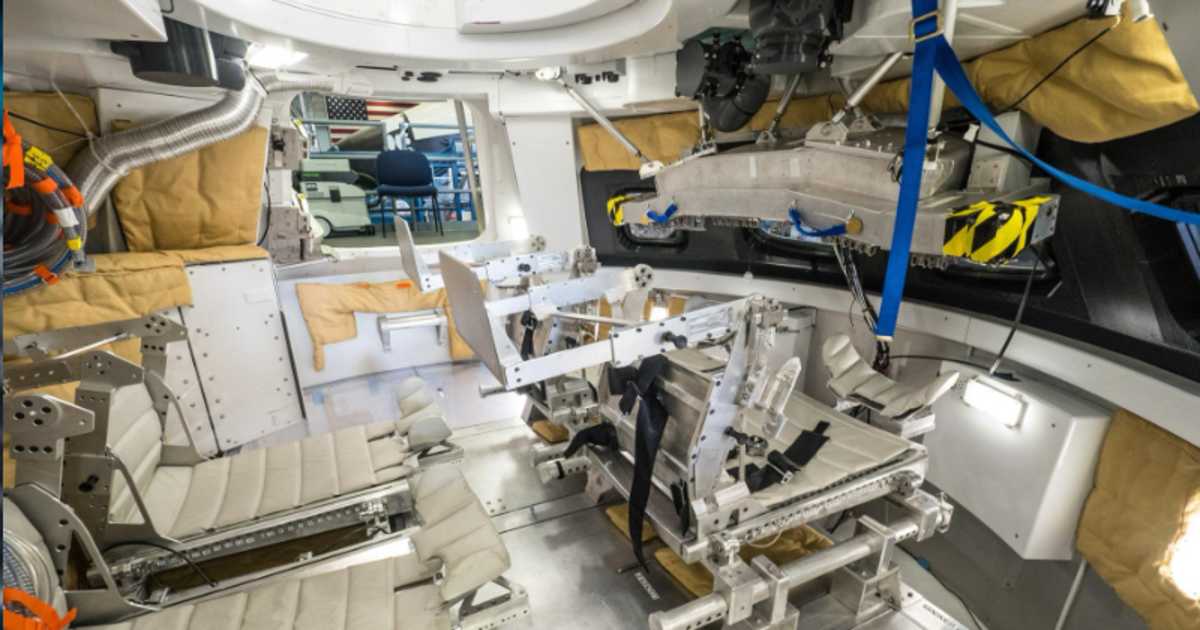
Most of the Space Launch System (SLS) rocket has already been received by the center, with teams having moved it into the Vehicle Assembly Building on April 28. Important parts required for the assembly of the SLS solid rocket boosters also arrived at the KSC in April. The remaining parts are scheduled for later this summer, arriving via a train from Northrop Grumman’s factory in Utah. And that’s not all. Significant progress has been made on developing the Orion spacecraft and making it suitable for the mission as well. This includes mating the crew capsule and the service module. All of these developments are expected to be completed this summer.
However, despite preparations being underway, NASA has shared very few details regarding the mission profile. Even important details like the exact path for the mission’s orbit, along with its duration, have been kept under wraps as of now. Now, one of the main reasons for NASA’s silence might be the adjustments that the mission is undergoing at the moment. Shifting to a LEO from the planned lunar flight might not require drastic changes for the Orion spacecraft. However, the SLS rocket might be a different story. As per the earlier plans, Artemis III would have used the final Interim Cryogenic Propulsion Stage (ICPS) based on the Delta 4 upper stage.
Now, the American space agency may launch Artemis III without the upper stage, saving it for Artemis IV. This would, in turn, aid the engineers with more time to work and perfect the Centaur upper stage for later Artemis missions. Adding to the uncertainty, the operational concept, too, looks quite uncertain. Briefing about the same, the deputy program manager for NASA’s Human Landing System (HLS) program, Kent Chojnacki, said in an interview before the Artemis II launch, “What our ultimate goal would be is to be able to do the orbital rendezvous, proxops, maybe docking with both providers. We have to find a common orbit. We have to find a common launch opportunity, and orchestrating a launch of an SLS, two HLSs will be some kind of feat. We’re working on what the art of the possible is there.”
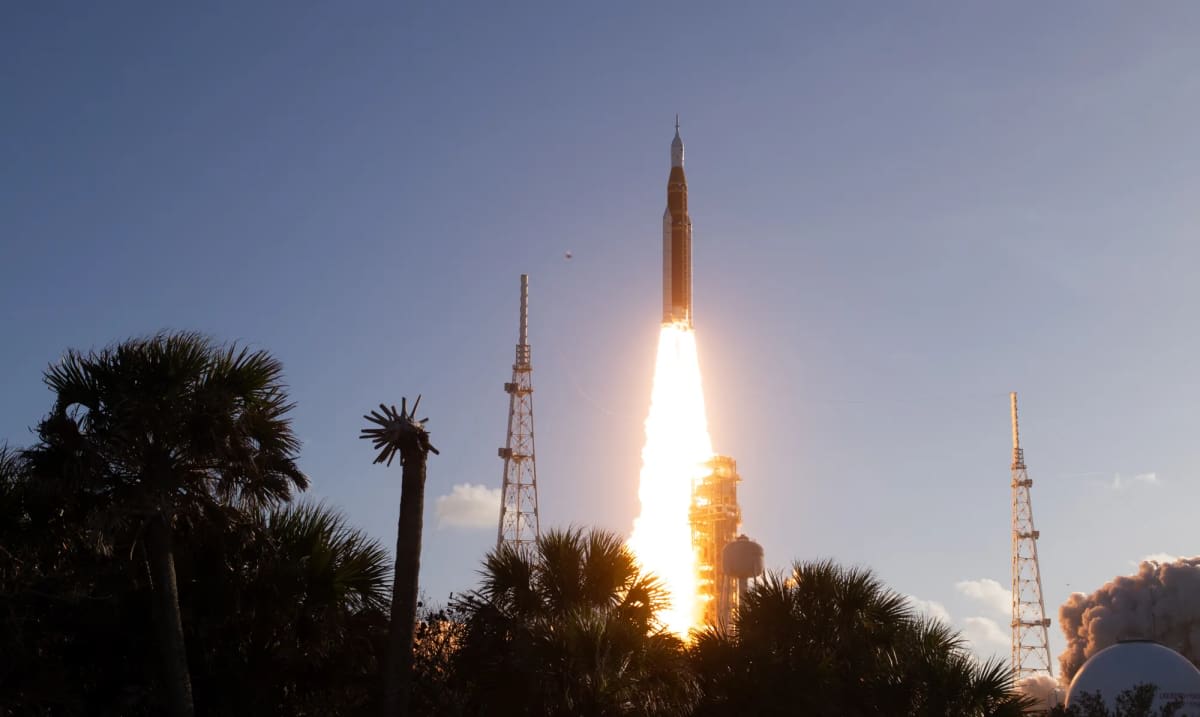
On April 27, NASA Administrator Jared Isaacman, while speaking before the House Appropriations Commerce-Justice-Science subcommittee, had also shared that the two companies developing the Human Landing Systems (HLSs) — SpaceX and Blue Origin — decided to carry out the critical rendezvous and docking demonstration in low Earth orbit by "late 2027." It should be noted that Isaacman had been advocating for a roughly 10-month launch cadence, which placed Artemis III in early to mid-2027. However, the updated timelines suggest a shift in the overall schedule.
Lastly, another major piece of information missing about the Artemis III mission is its crew. Till now, NASA hasn’t provided a public brief about who would be aboard the spacecraft. While Jared Isaacman promised an update on the same in an ABC News interview on April 30, the wait continues. Thus, all in all, a significant hush has covered the Artemis 3 mission. Now, as everyone awaits the answers, it will be interesting to see how NASA goes about its work in the coming months.
More on Starlust:
Artemis II heat shield vs Artemis I: NASA's initial assessment shows marked improvement
NASA's Lunar Gateway controversy grows as module manufacturer downplays Isaacman's corrosion claims