SpaceX to launch Starlink satellites into orbit almost every day this week
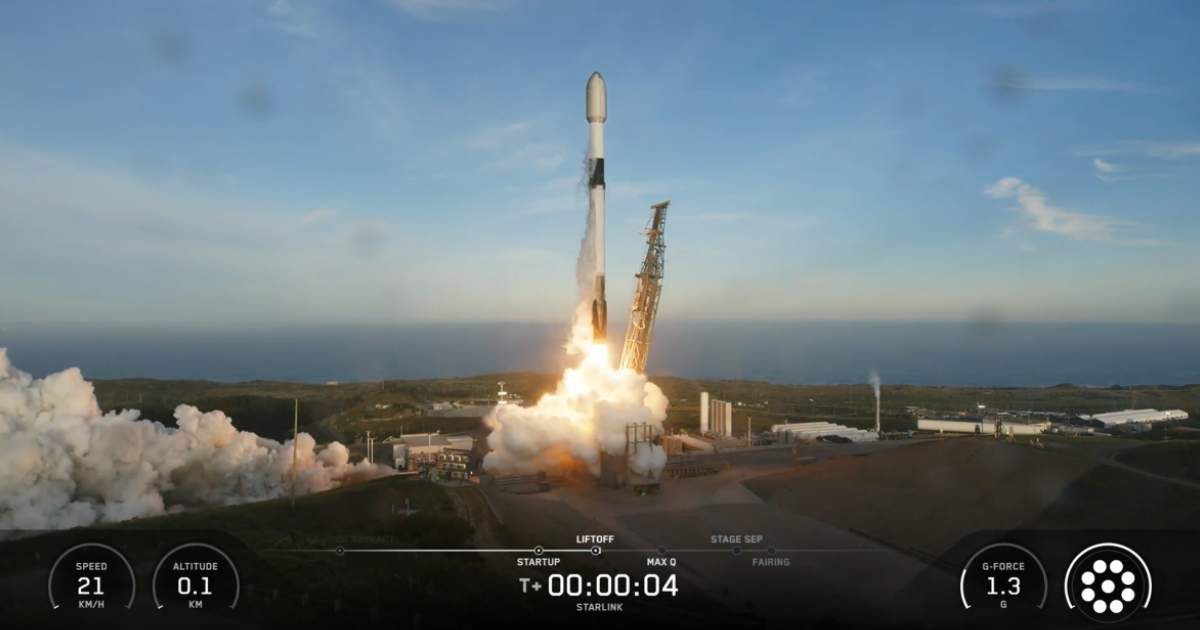
SpaceX has a busy few days ahead with a number of Starlink launches scheduled this week. Having already launched two such Starlink missions in as many days towards the end of last week, the following seven days could see as many as five more batches of Starlink satellites launched aboard Falcon 9 rockets. According to the company, Friday, March 13, 2026, saw the launch of 25 Starlink satellites from Space Launch Complex 4 East at Vandenberg Space Force Base in California at 10:57 am ET. The first stage returned to the Of Course I Still Love You droneship in the Pacific Ocean for future use, having been used for the 20th time for a Starlink mission and 32nd overall. SpaceX also reported that, based on conditions, residents of a handful of counties in California may have felt multiple sonic booms.
Falcon 9 launches 25 @Starlink satellites from California pic.twitter.com/J2qlYaBs3W
— SpaceX (@SpaceX) March 13, 2026
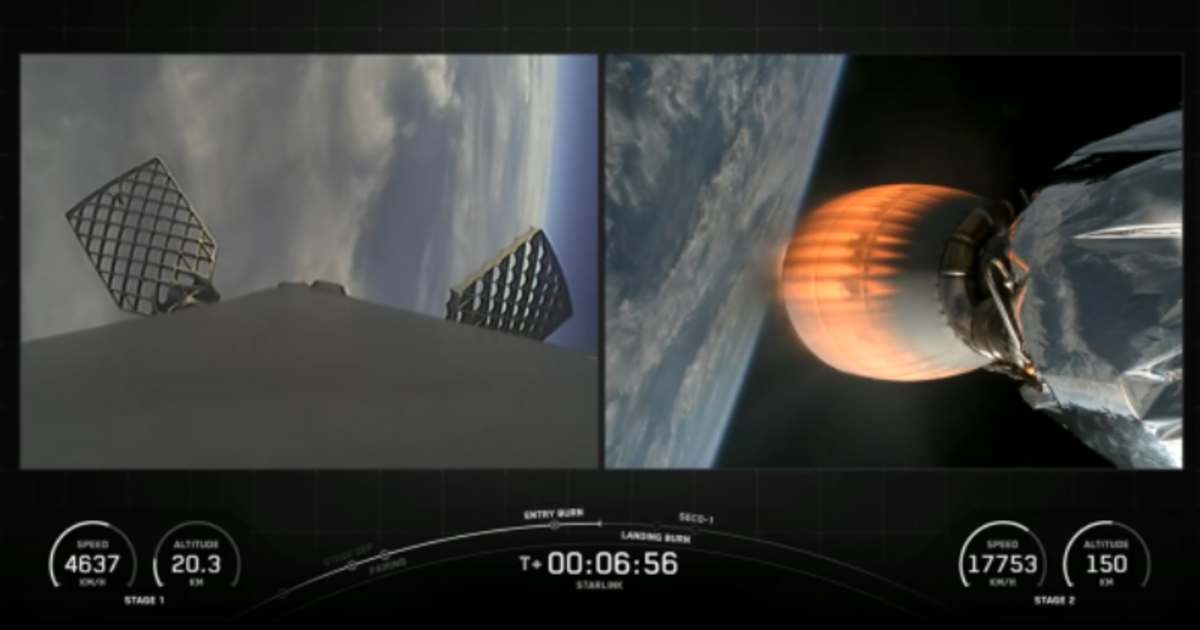
The following day’s launch of another 29 satellites occurred at 8:37 am ET from Space Launch Complex 40 in Florida’s Cape Canaveral Space Force Station. The first stage used for this particular mission was on its sixth flight, all of which had the same objective of delivering Starlink satellites, which now number over 9,000. Successful stage separation took place around two and a half minutes into the mission, as was the case with Friday’s launch. The first stage landed around eight and a half minutes later in an upright fashion on the Just Read the Instructions droneship located in the Atlantic Ocean. All Starlink missions follow a similar timeline, be it stage separation or booster return.
Falcon 9 launches 29 @Starlink satellites from Florida pic.twitter.com/X02X5lhlSz
— SpaceX (@SpaceX) March 14, 2026
This week, March 16, 2026, will see the first of the five launches at 10:36 pm ET from SLC-4E at Vandenberg Space Force Base. This particular mission will put another 25 Starlink satellites into orbit. Like the previous launch from this site, SpaceX has warned about sonic booms possibly being heard in Santa Barbara, San Luis Obispo, and Ventura. On March 17, 2026, 29 more Starlink satellites will be put into orbit after being launched from SLC-40 in Cape Canaveral. The same launchpad will also witness the 27th flight of a first stage that could launch with 29 Starlink satellites as early as 6:35 am ET on March 19, 2026.
This ever-growing constellation of Starlink satellites in orbit is meant to provide customers of SpaceX with fast and reliable internet services. SpaceX, in fact, has also proposed Starlink as an alternative to the Global Positioning System (GPS). The week for SpaceX is set to close out with 25 more Starlink satellites launching from Vandenberg’s SLC-4E on Friday, March 20, 2026, between 5:48 and 9:48 pm ET, followed by Sunday’s launch of an additional 29 satellites from SLC 40. The latter launch is expected to take place between 10:43 am and 2:43 pm ET.
More on Starlust
Glowing 'jellyfish' cloud appears over Florida skies after SpaceX Starlink launch