Solving the mystery of 'little red dots' in early universe, scientists discover a new class of black hole stars
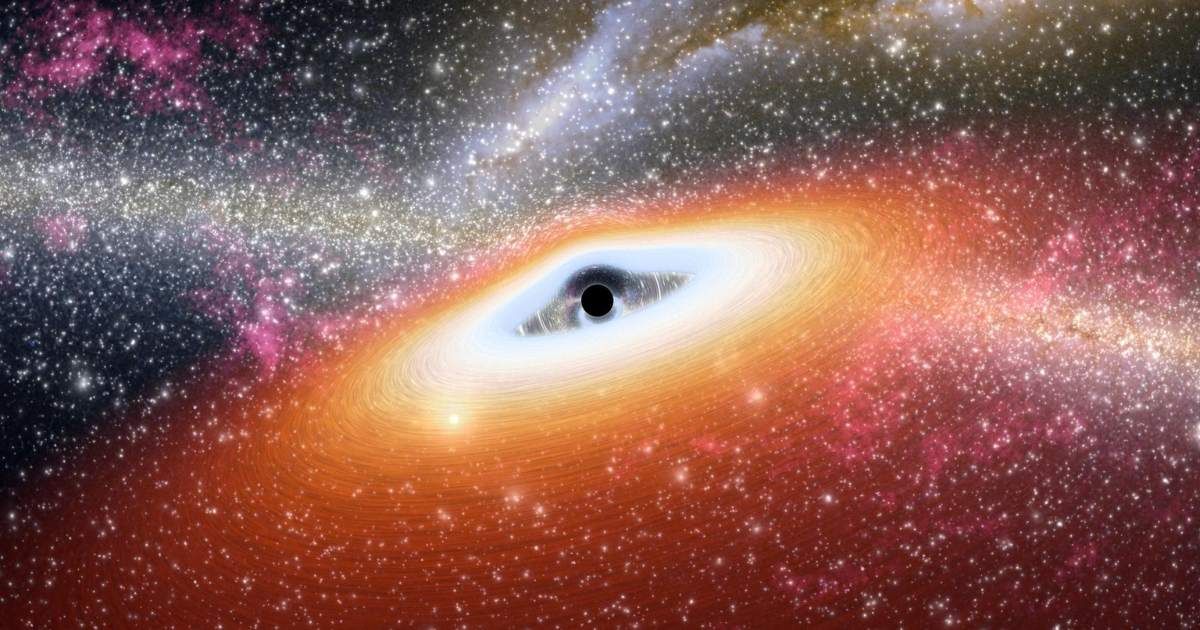
Astronomers using the James Webb Space Telescope (JWST) have proposed a radical new explanation for mysterious red objects observed in the early universe: they could be an entirely new class of celestial body, what researchers are calling a "black hole star," according to the Pennsylvania State University.
Initially dubbed “universe breakers,” these tiny red dots were first spotted in 2022 data from the JWST. At the time, scientists theorized they were surprisingly mature, red galaxies from a period just a few hundred million years after the Big Bang. This interpretation would have completely rewritten our understanding of galaxy formation, as the objects appeared too massive to exist so early in cosmic history.
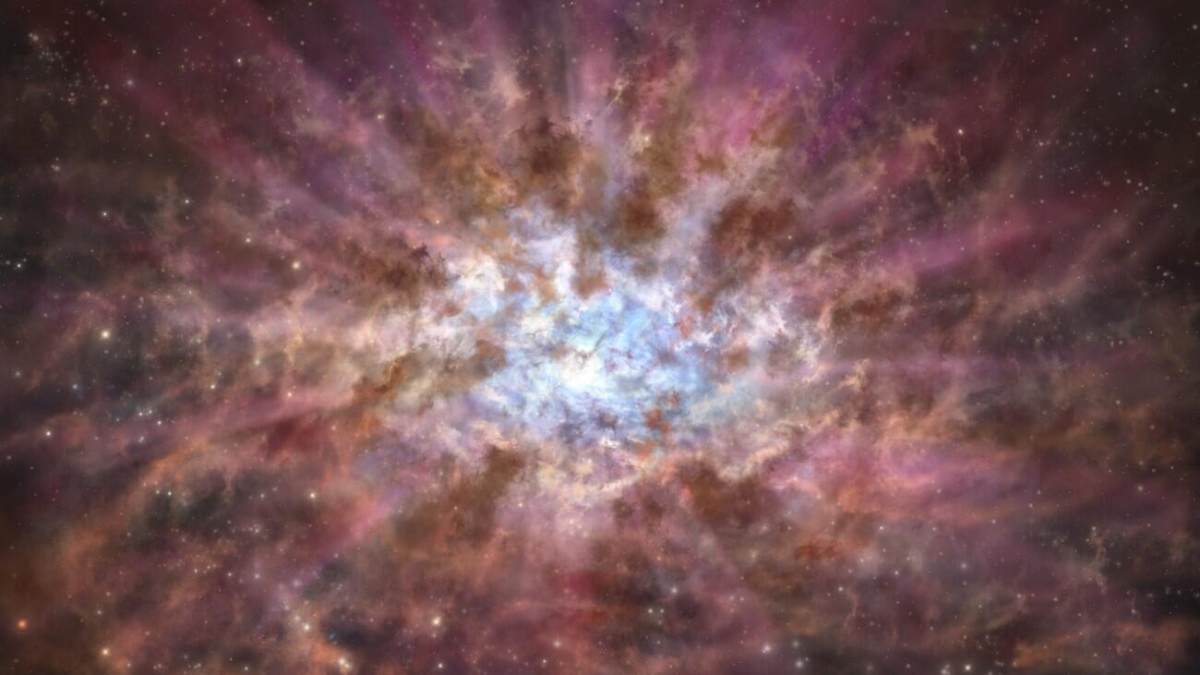
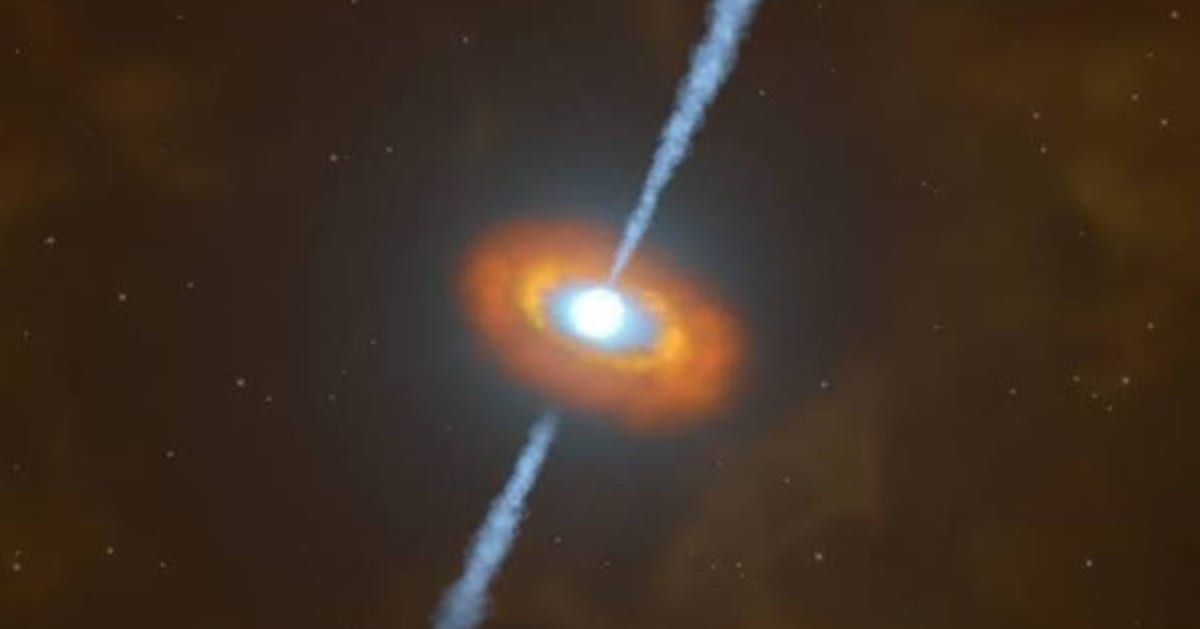
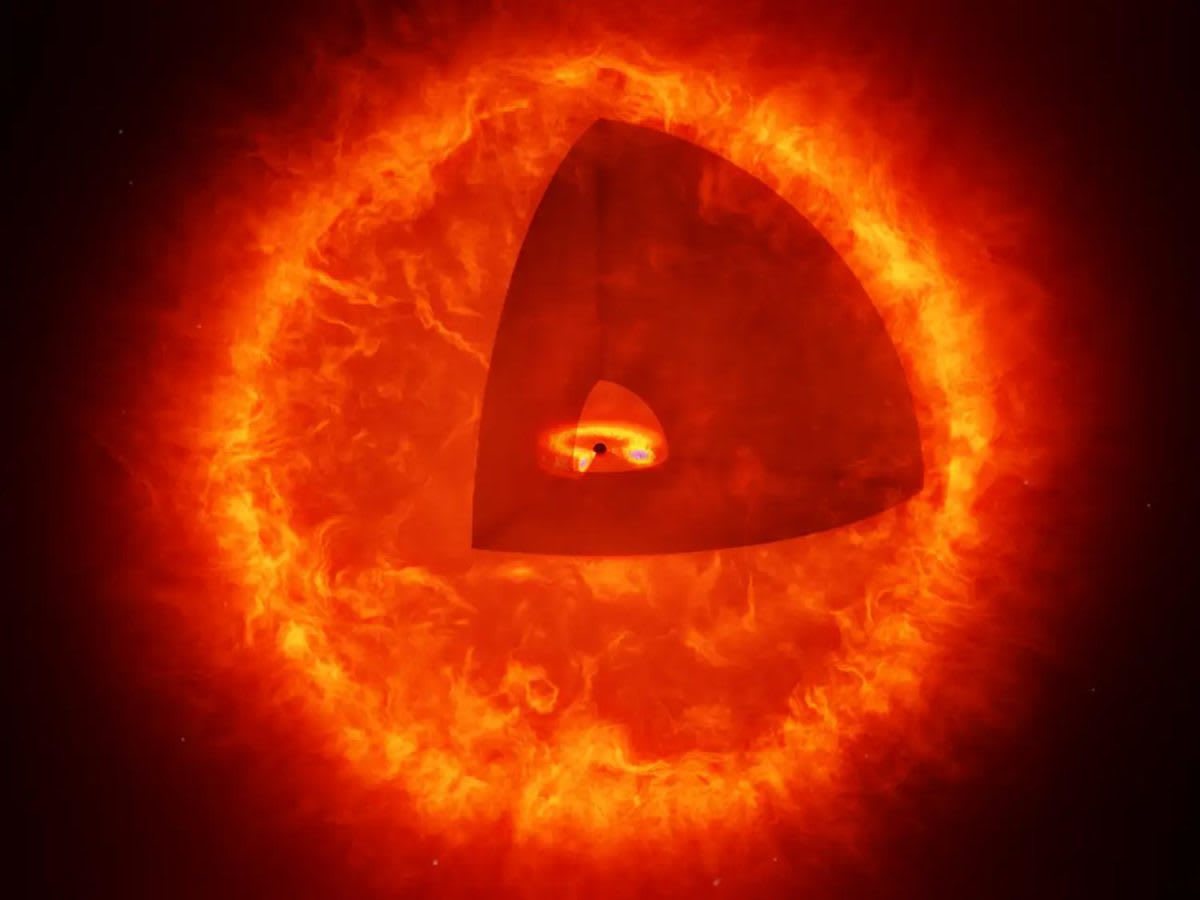
Now, a new study in the journal Astronomy & Astrophysics, co-authored by researchers at Penn State, suggests these objects aren't galaxies at all. Instead, the analysis indicates they are powerful supermassive black holes surrounded by immense, dense clouds of cold gas. While a typical black hole's surroundings are incredibly hot, the light from these "red dots" is dominated by the glow of this cooler gas, mimicking the appearance of a low-mass star. "It’s an elegant answer," said Joel Leja, an astrophysics professor at Penn State and co-author on the paper. "We thought it was a tiny galaxy full of many separate cold stars, but it’s actually, effectively, one gigantic, very cold star."
The findings, based on extensive spectroscopic data collected from thousands of distant galaxies, present a compelling new theory for the origin of the supermassive black holes observed at the heart of most galaxies today. Researchers believe these "black hole stars" could be the earliest stage of their formation, rapidly building mass in the universe’s infancy. The team plans to conduct further studies to test this new hypothesis. As Leja put it, "The universe is much weirder than we can imagine and all we can do is follow its clues."

The recent findings add to a growing body of evidence from the JWST that challenges long-held theories about the universe's early history. In a separate study, a team of astronomers using the telescope has identified 300 unusually bright objects they believe are early galaxies, a discovery that could force scientists to rethink how these cosmic structures first emerged. Published in The Astrophysical Journal and led by researchers from the University of Missouri, the study describes these objects as "candidate galaxies" from a period when the very first stars and galaxies were just beginning to form.
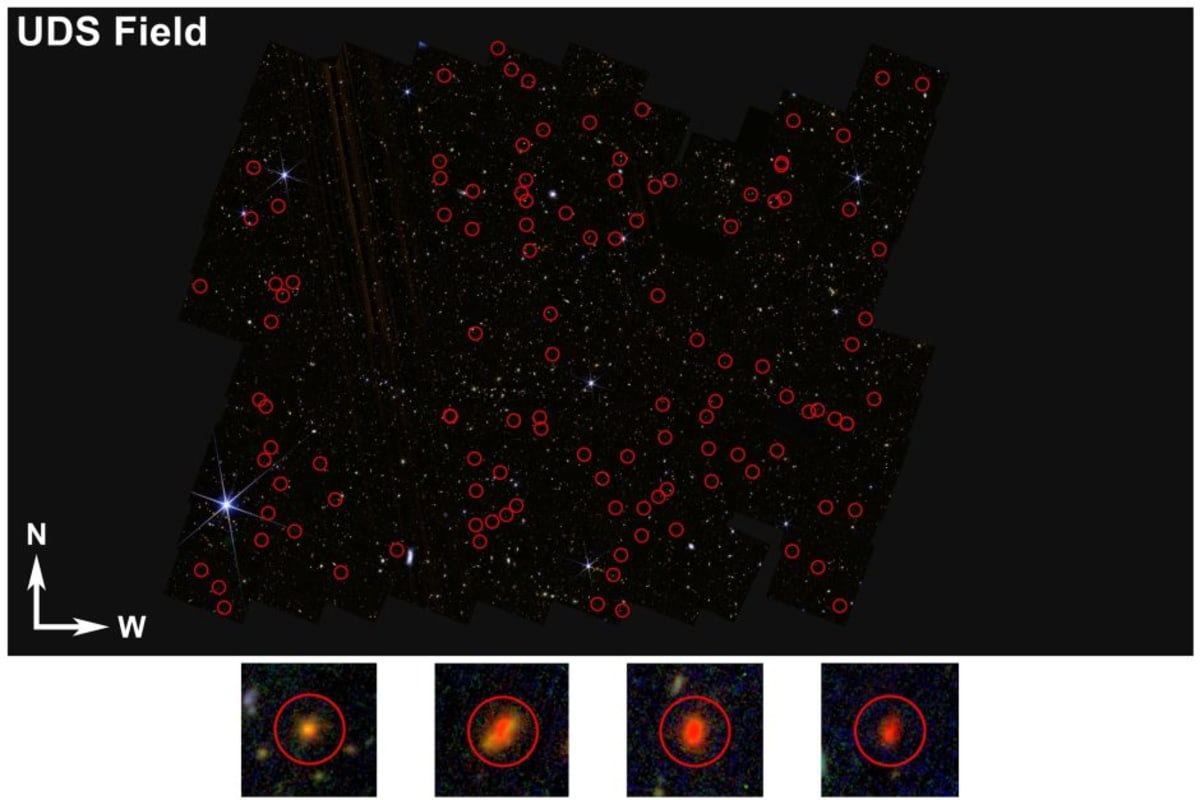
“If even a few of these objects turn out to be what we think they are, our discovery could challenge current ideas about how galaxies formed in the early universe," said Haojing Yan, a professor of astronomy and a co-author of the study. The team was able to spot these distant objects thanks to the JWST's powerful infrared cameras, which can detect light that has been stretched over billions of years of cosmic expansion. This "redshifted" light acts as a cosmic clock, allowing astronomers to see these galaxies as they appeared in the dawn of time.