Black hole binaries in the universe are produced in more than one way, says new study
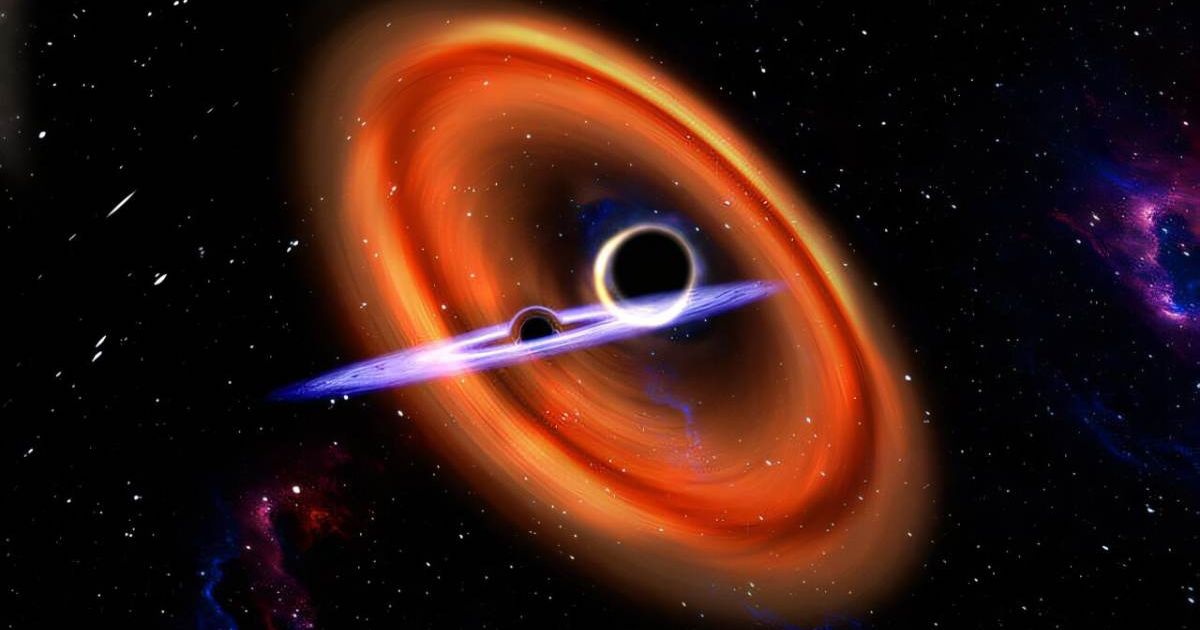
In a far-flung corner of the universe, two black holes collide violently, generating ripples called gravitational waves. These waves spread across space at the speed of light and reach Earth. Now, after analyzing hundreds of such cosmic collisions between black holes, each producing a new, heavier black hole, the LIGO-Virgo-KAGRA (LVK) Collaboration has released its latest catalog of gravitational-wave detections. Poring over the data collected by the twin Laser Interferometer Gravitational-wave Observatory (LIGO) detectors and the Virgo detectors, a research team from the LVK collaboration and Monash University has found clear evidence that black hole binaries originate in distinct sub-populations.
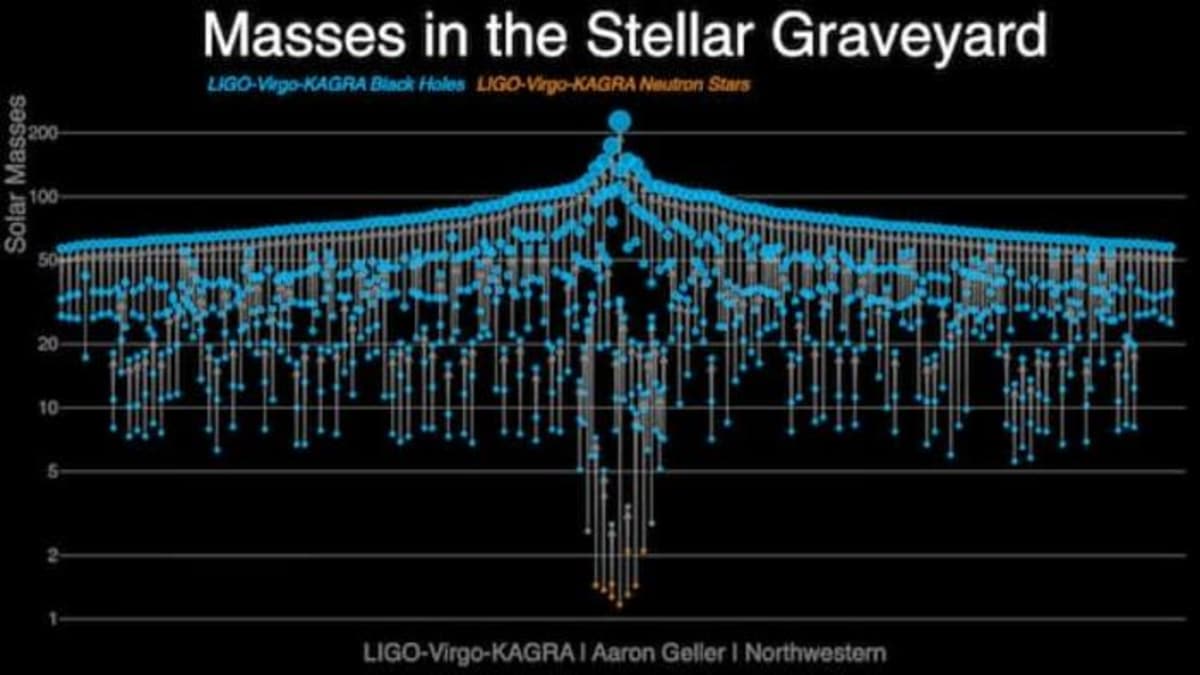
The findings, published in a paper available on the arXiv preprint server, suggest that each binary originates from different formation pathways. “This set of nearly 400 gravitational-wave detections from LIGO and Virgo provides us with a clear indication that the binary black hole mergers we see are forming in several different ways,” said project lead Sharan Banagiri, a research fellow from Monash University’s School of Physics and Astronomy and the ARC Centre of Excellence for Gravitational Wave Discovery (OzGrav), in a statement. “Some might form as one giant cloud of gas that collapses to give two massive stars that then become black holes.”
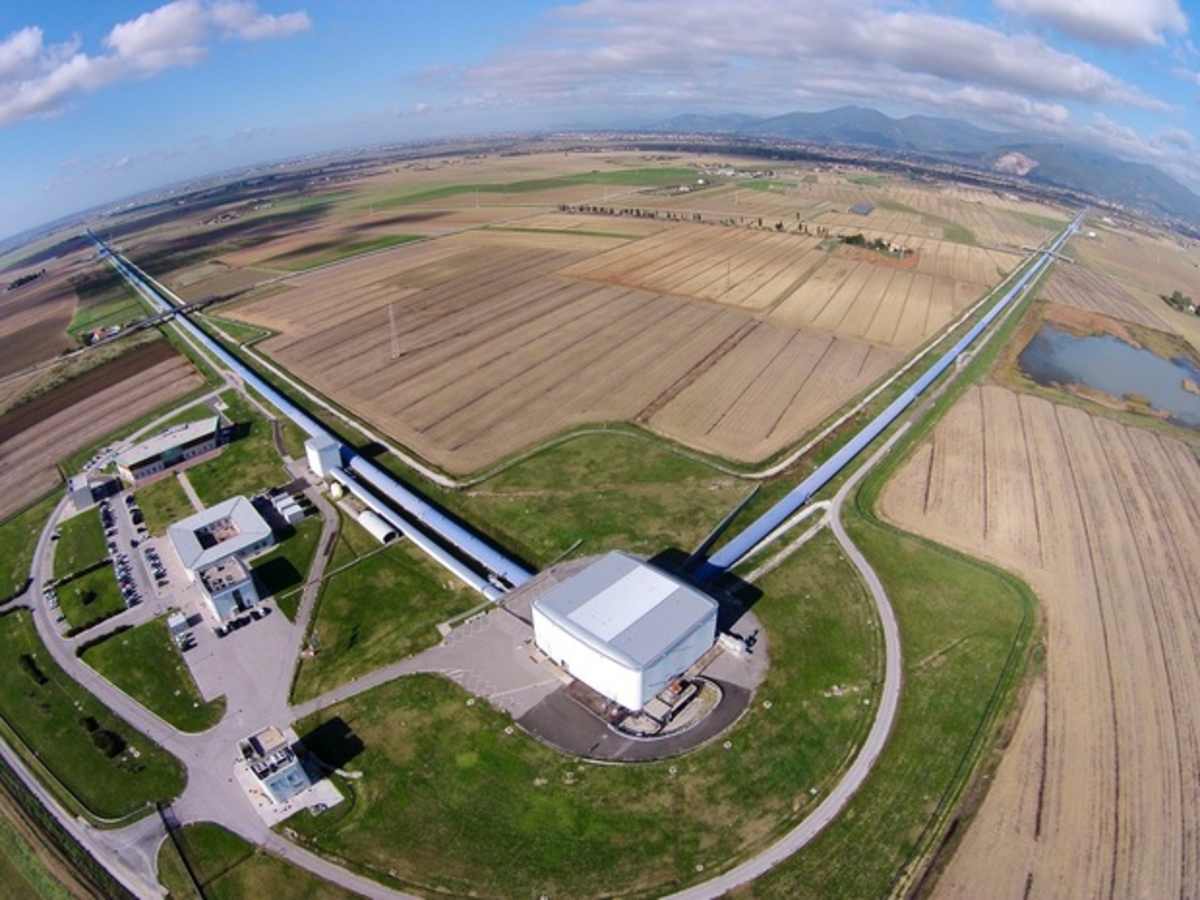
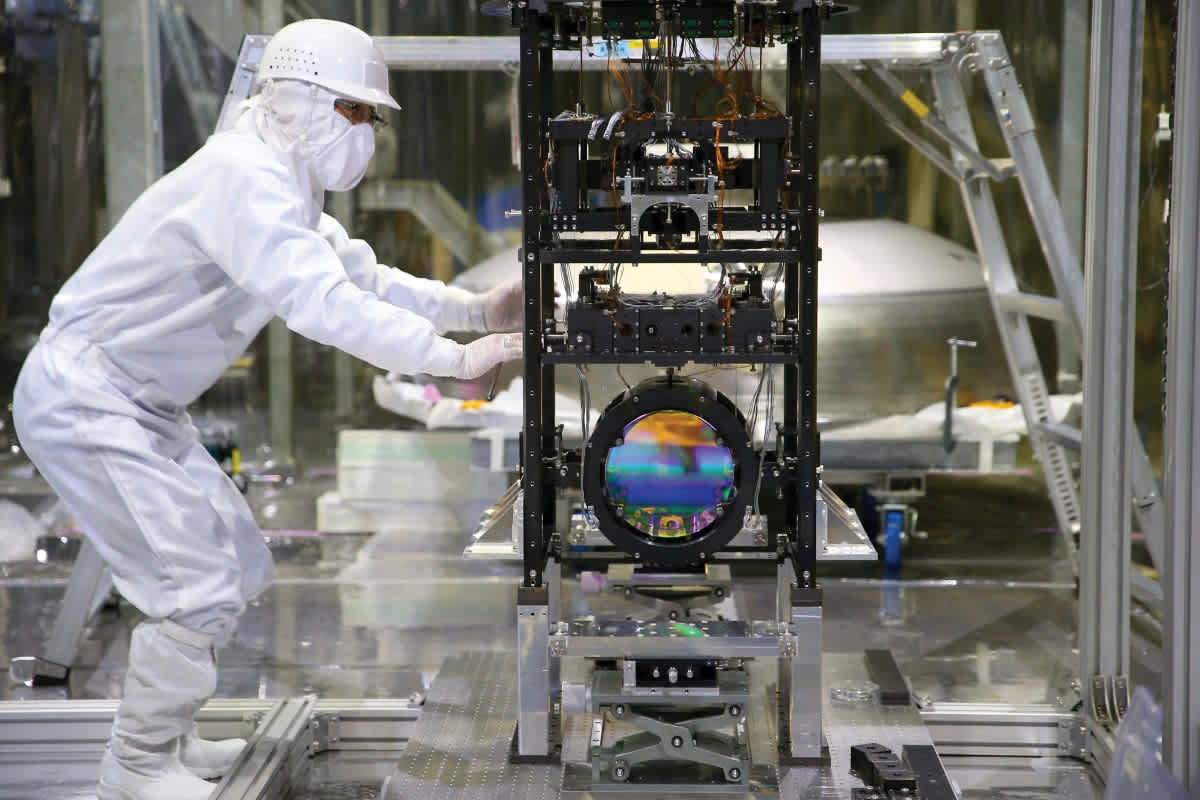
“Others might be black holes that wander into each other in dense environments called clusters that are packed with stars. While others are the product of a previous generation of mergers between two black holes,” Banagiri added. Together, LIGO, Virgo, and KAGRA comprise the advanced gravitational wave detector network. These detectors locate and characterize the mergers of binary black holes by detecting gravitational waves. The data from these events allow scientists to map out how different black hole systems in the universe come into being.
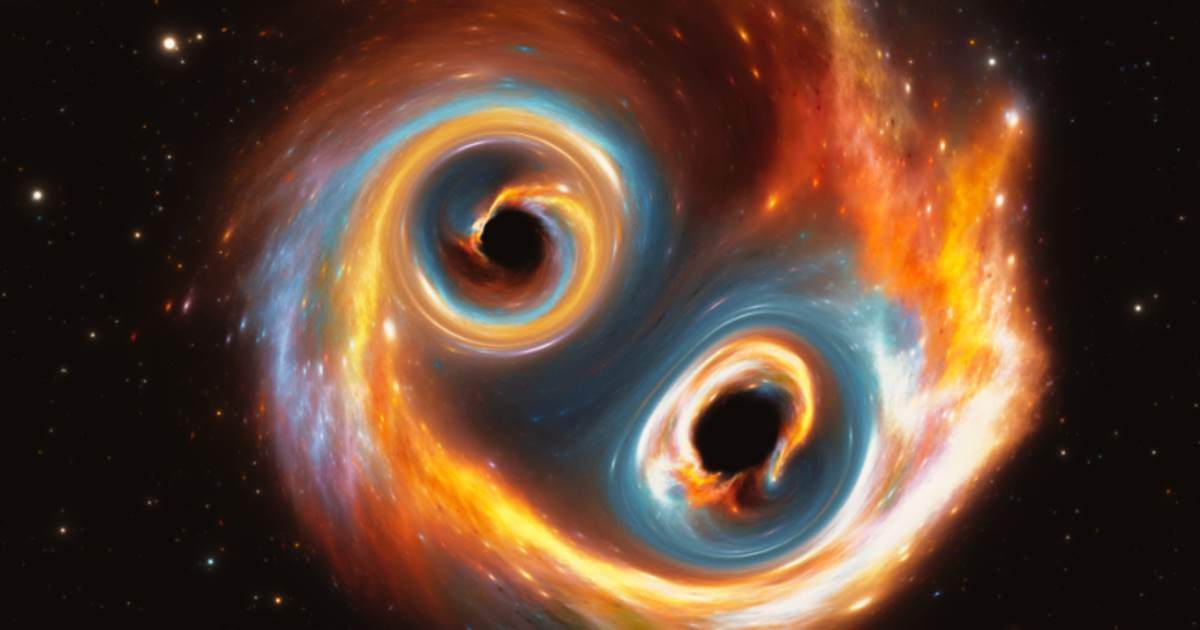
“One of the most fascinating things we’ve discovered about these new black holes is that they are spinning very fast,” said Banagiri. For perspective, if the Sun, which rotates once every 25 days, were to become a black hole and spin as fast as the ones discovered during the study, it would be rotating many thousands of times per second. “So where do these rapidly-spinning black holes come from? One leading explanation is that they are 'hierarchical' products of a previous generation of merger between two black holes,” Banagiri explained. He and his colleagues found that the fast-spinning black holes can be divided into two groups depending on their mass. One group comprises black holes that are between 10 and 20 times the mass of the Sun. The other group has black holes that have masses more than 45 times that of the Sun.
The new dataset revealed that the black holes that are 45 times heavier than the Sun tend to merge with lower-mass black holes. “We are no longer just looking at individual anomalies, instead, we are seeing a true kaleidoscope of cosmic collisions,” said Eric Thrane, Chief Investigator at OzGrav and Professor of Physics and Astronomy at Monash University. “We are pushing the edges of what we know, seeing things that are more massive, spinning faster, and more unusual than ever before.”
More on Starlust
Scientists discover three types of binary black hole mergers in the universe—here's what they are