Most massive galaxies stopped producing stars very early on in their lives—scientists find out why
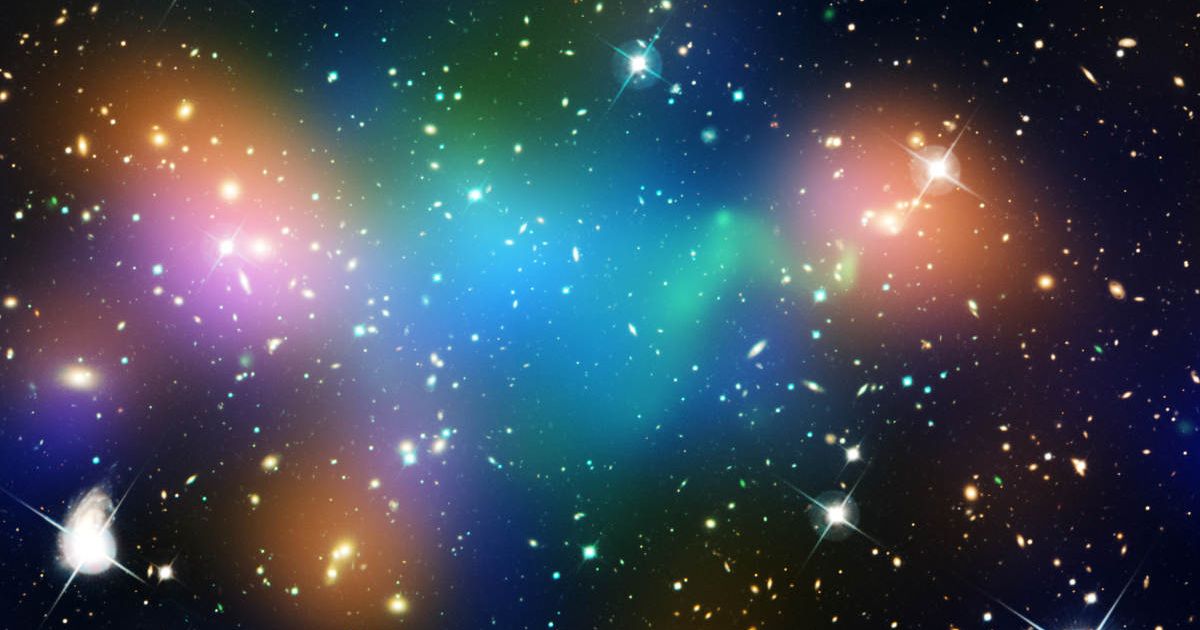
Astronomers have observed that the most massive galaxies stopped producing stars early on in cosmic history, roughly one billion years after their formation. This has proved to be quite baffling for the community. After all, our galaxy, the Milky Way, which is as old as the universe itself, is still producing stars 13.5 billion years after its formation, albeit at a slow rate. Aiming to unravel the mystery, researchers at the Institute of Astronomy, Geophysics, and Atmospheric Sciences at the University of São Paulo (IAG-USP) in Brazil, collaborating with international partners, proposed a viable solution, which was published in the journal ‘Astronomy & Astrophysics.’
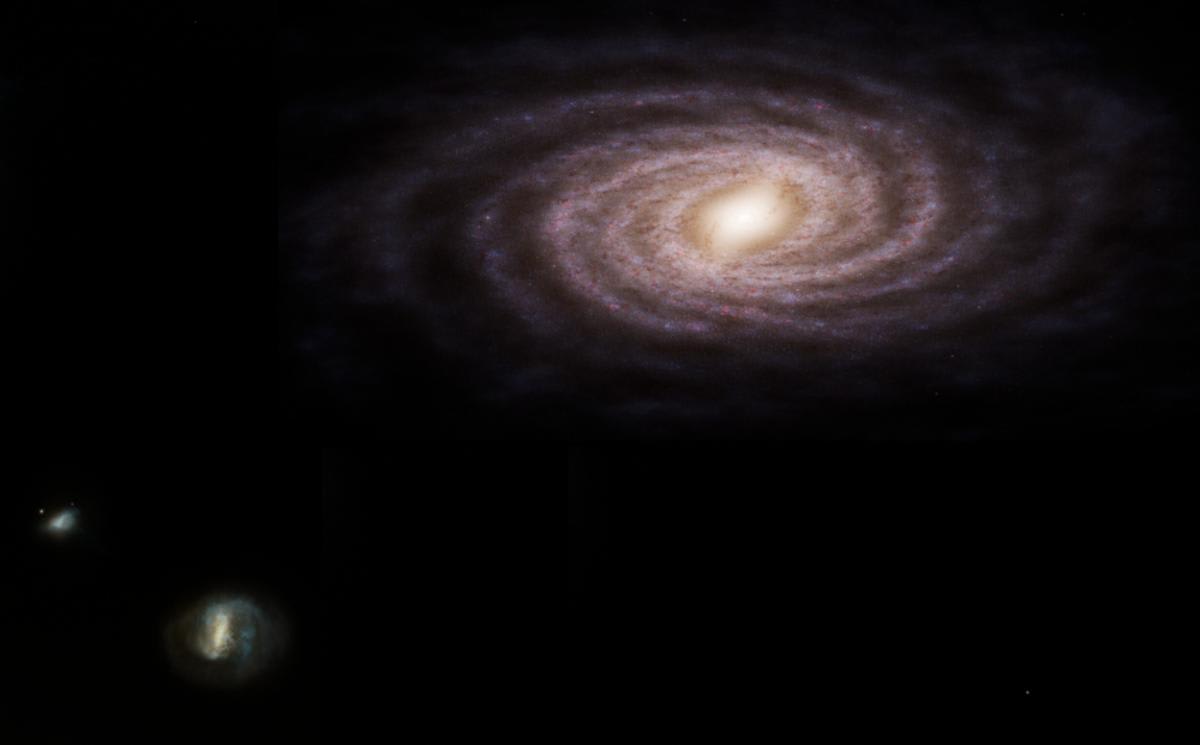
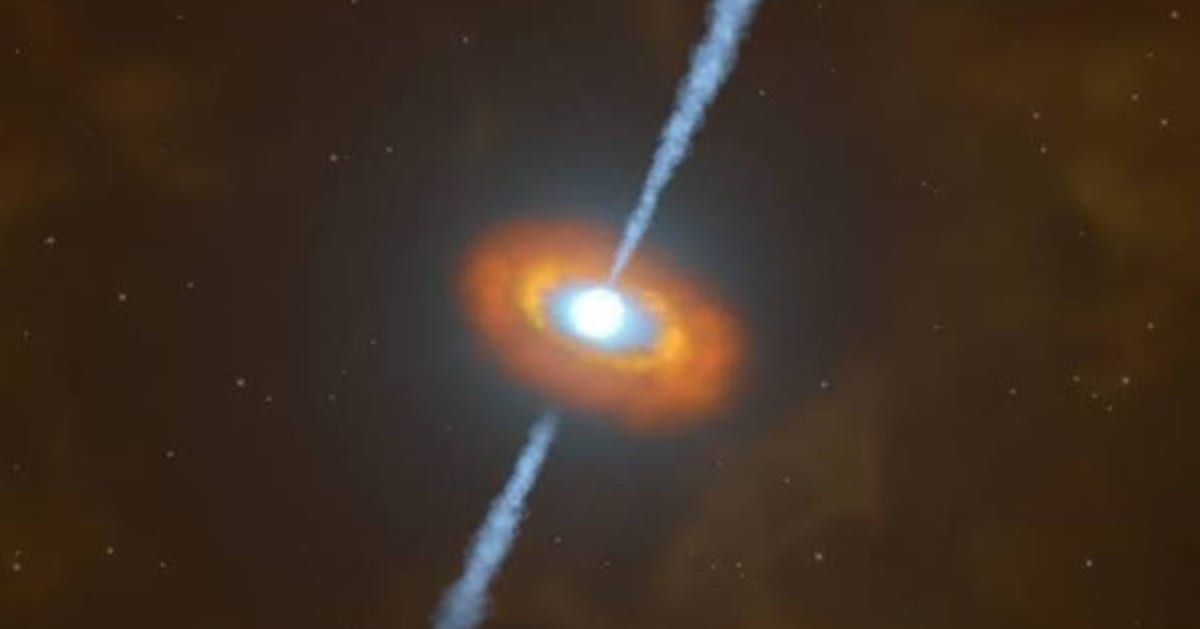
The team took into consideration two contrasting populations— Dusty Star Forming Galaxies (DSFG) and Massive Quiescent Galaxies (MQ). Coming to the characteristics of both these populations, DSFGs are extremely active and can form stars at up to 500 solar masses annually. When compared to the Milky Way, the difference in the star-forming rate looks massive, as the Milky Way is only capable of forming one solar mass annually. DSFGs are full of gas and dust and are practically invisible in the optical range. However, these star factories appear bright in infrared and submillimeter wavelengths.
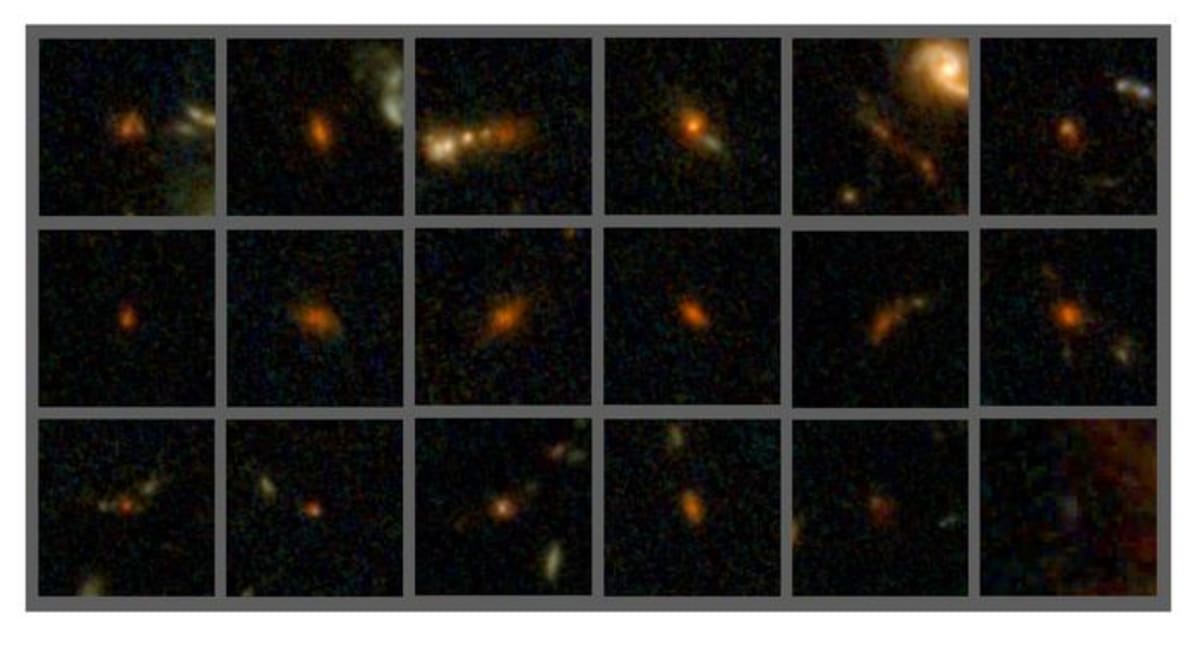
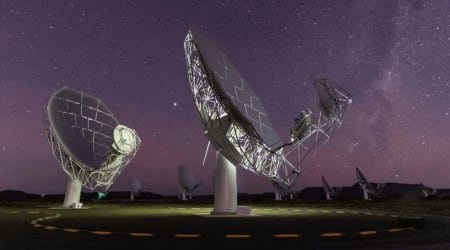
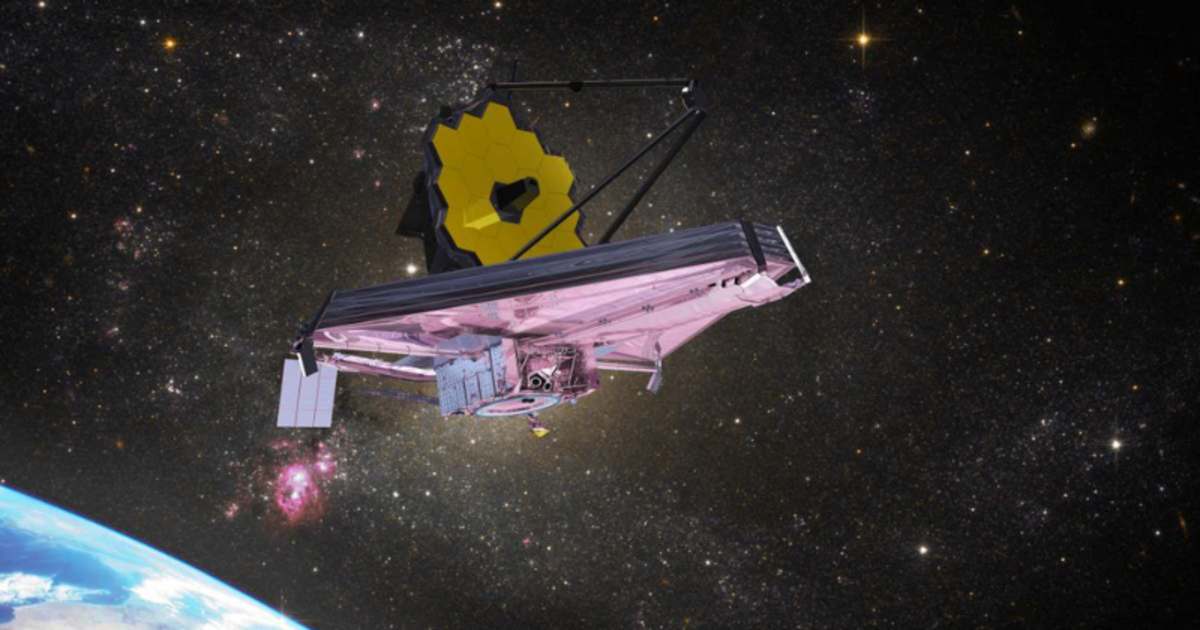
This is one of the reasons why almost one thousand DSFGs were spotted by the Atacama Large Millimeter/Submillimeter Array radio telescopes. Additionally, the James Webb Space Telescope, which observes in the infrared spectrum, helped the scientists identify the spatial structures and stellar compositions of some of these DSFGs. On the contrary, when it comes to the Massive Quiescent Galaxies (MQs), they were formed very early and stopped star formation really fast.
Trying to dive deep into the surprising phenomenon, the scientists used a semi-analytical model of galaxy formation. During the research, the team tried to track the evolutionary paths of both populations at redshifts of 2 to 4, which refers to the time when the universe’s age was just three to four billion years. For reference, redshifts represent electromagnetic radiation shifts towards longer wavelengths due to the universe’s expansion. Interestingly, during the study, the team found that almost 86% to 96% of the MQs were very much active in the past, just like a DSFG. However, not all DSFGs follow the same route.
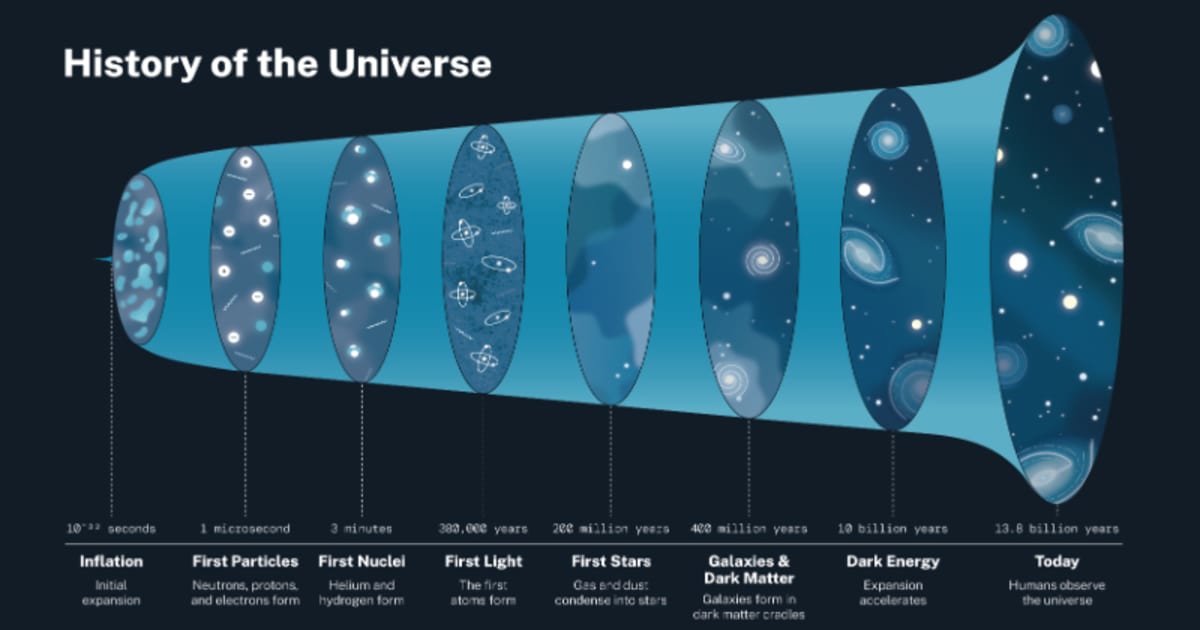
The team proposed that the galaxies that birthed MQs encountered a brutal merger with galaxies of equal mass. These collisions immediately led to a couple of major instances—enormous bursts of star formation and swift growth of supermassive black holes in the central regions. Providing more insight on the matter, retired full professor and former IAG-USP director Laerte Sodré Júnior stated, “In that process, the cold gas is rapidly consumed while the energy released by the active nucleus heats the surrounding halo gas and prevents it from cooling and being reincorporated into the galaxy, blocking the supply of raw material for new stars and halting star formation in less than one billion years.”

Most star- and dust-forming galaxies, on the other hand, go through a more gradual process, merging with others much later in their lives. Thus, the gas consumption is not as fast, and star formation takes longer to stop. This is observed at lower redshifts. While the study does provide an explanation of how DSFGs grew into MQs, the model is still far from perfect, as discrepancies between predictions and obervations still exist. "We're observing far more galaxies with submillimeter emissions than we predicted," Sodré said. More refined theoretical models, realistic numerical simulations, and new observations, including those by the under-construction Giant Magellan Telescope, are expected to drive progress in this area.
More on Starlust
Over 1,000 radio galaxies with 'wings' identified amid mystery behind formation
James Webb finds a galaxy from the early universe is not rotating and scientists are stunned