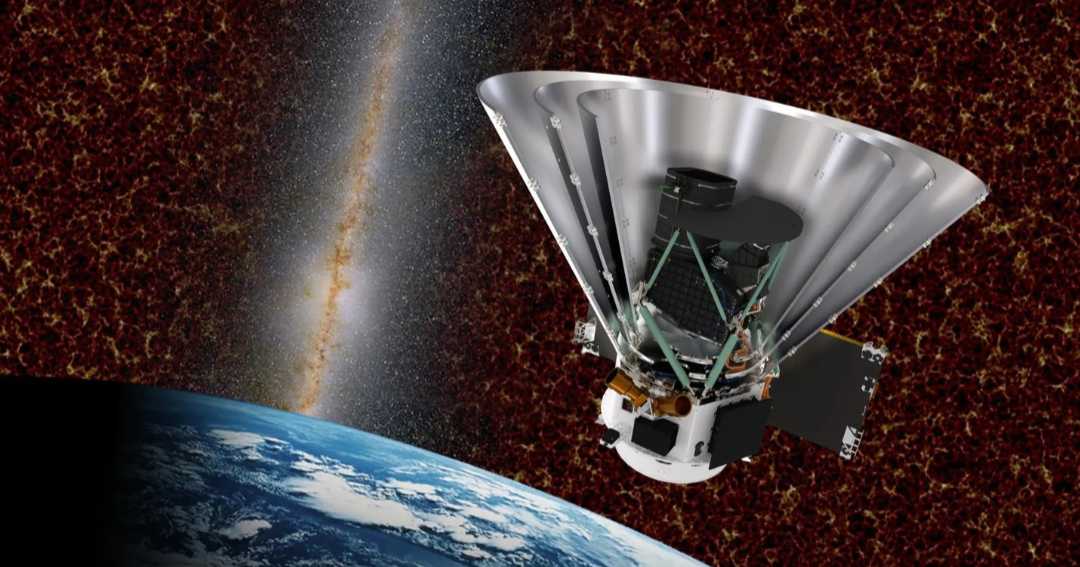
Earth-like exoplanet 41 light-years away has no atmosphere to support life, new JWST data reveals
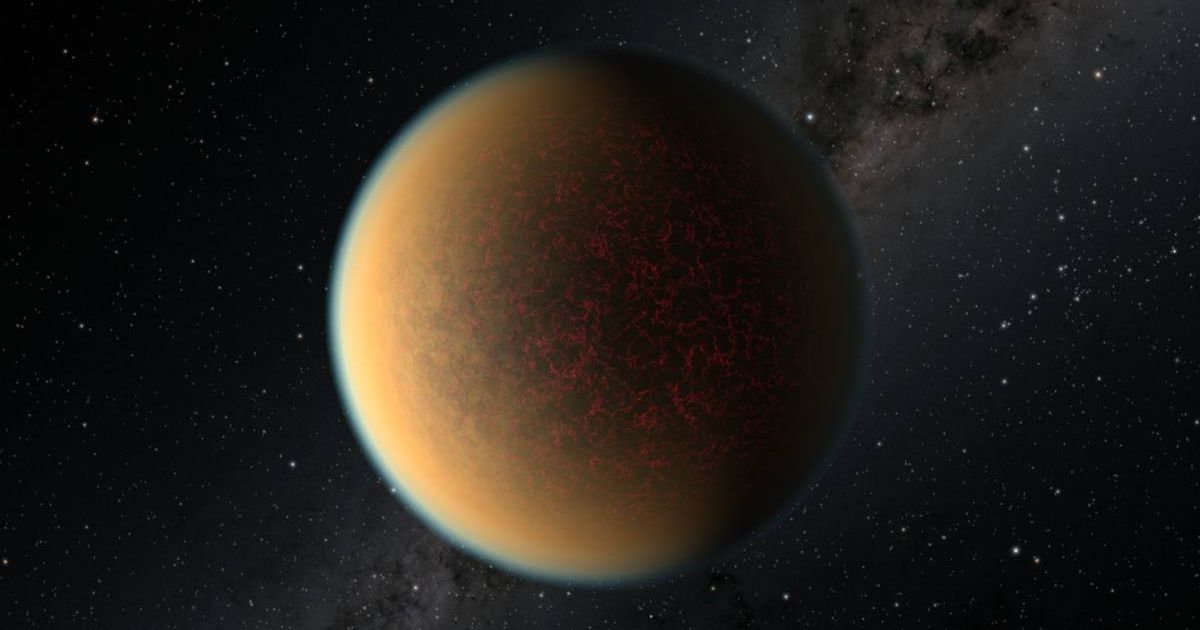
The possibility of conflicting data was not new in astronomy, and recent research put one such data to rest. The M-dwarf rocky exoplanet GJ 1132 b had a varied history regarding an existing atmosphere. However, new observational data from the James Webb Space Telescope (JWST) indicate that it most definitely does not have one. A new paper by researchers was published on the arXiv preprint server, which could have wider implications for exoplanet research. The study used two established transits and two new transits of the telescope to develop its conclusion.
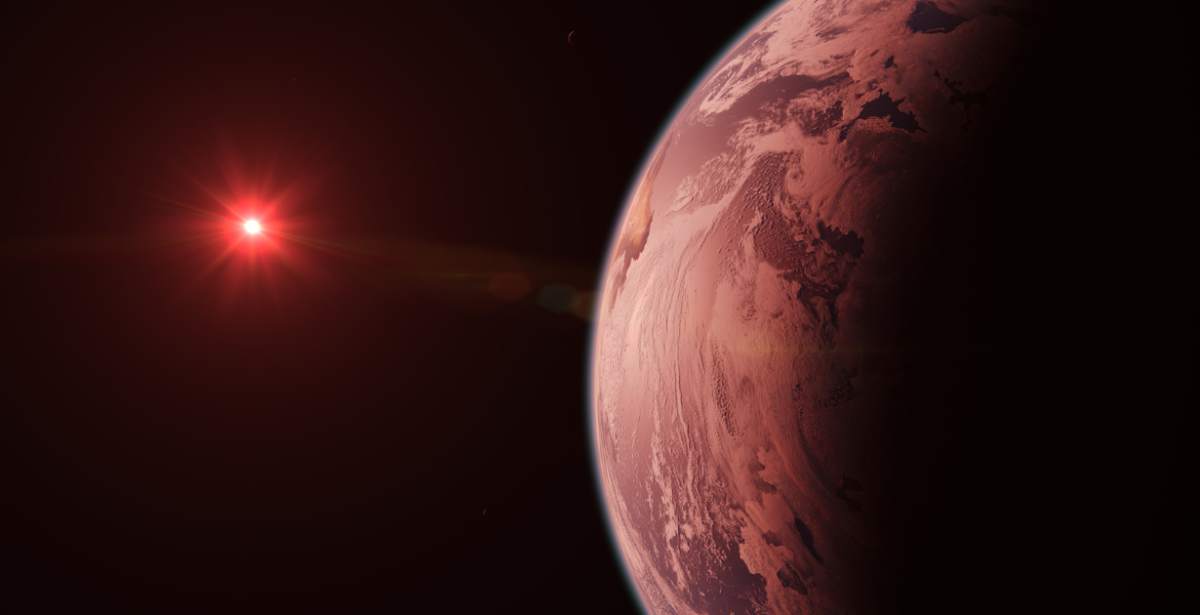
This conclusion was an update to a previous paper showing conflicting data about the presence of an atmosphere on GJ 1132 b. This was based on two original JWST transits, one implying a water-rich atmosphere, and the second implying that it had none. According to Universe Today, there was a small possibility for a very low-pressure “steam” atmosphere of around 1 mbar. This was, however, neglected for this exoplanet, given its proximity to its star and its lack of water. This possibility can be completely removed by avoiding the first data set from the analysis.
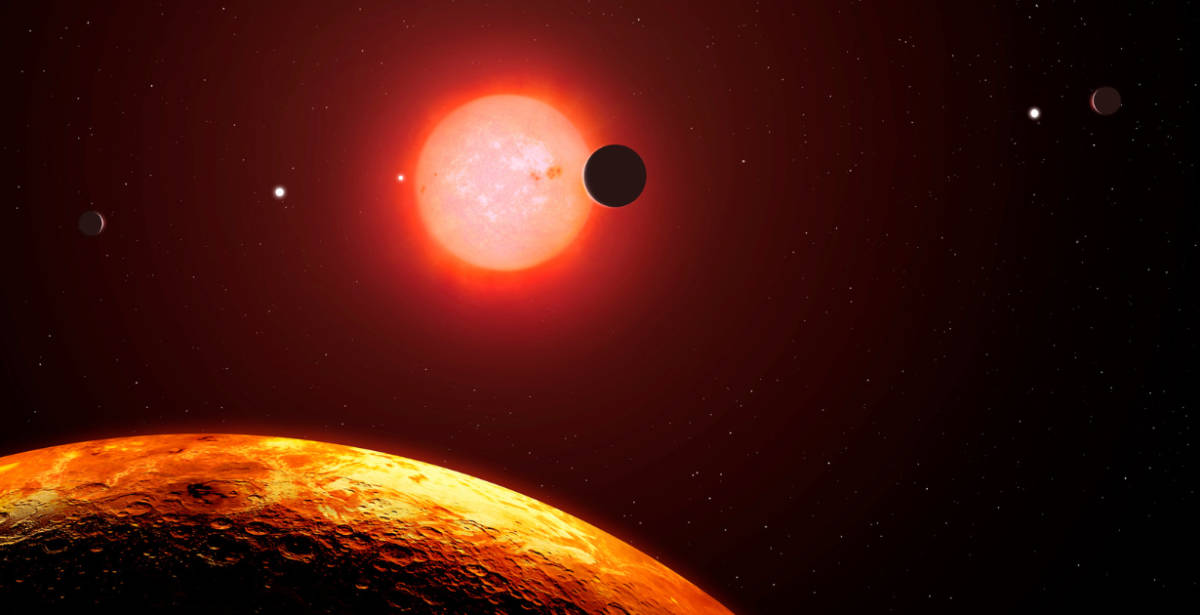
GJ 1132 b is located around an M-dwarf star 41 light-years away, and its rocky surface has a radius and mass only slightly bigger than Earth's. It was situated .0153 AU away from its host star and orbits it every 1.6 days, a distance that holds no proof of an atmosphere. This was due to M-dwarfs being very active with high radiation and flaring, which could strip planets of their atmospheres. However, some models showed an atmosphere with even closer proximity to their M-dwarf parent stars. This was the reason for developing the concept of a “cosmic shoreline.”
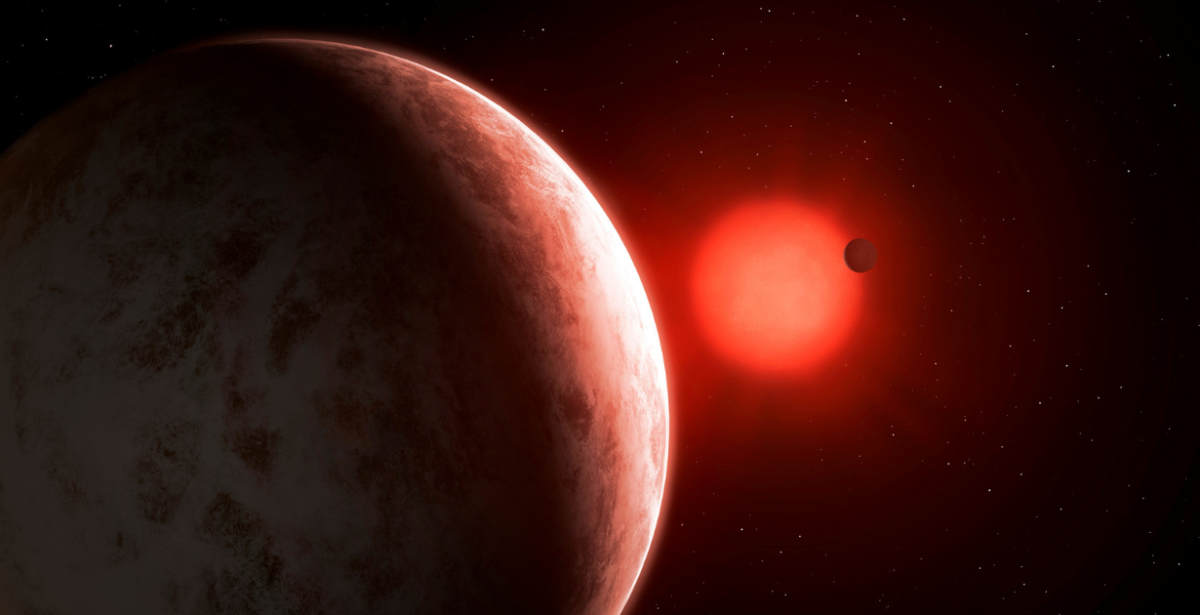
This shoreline of irradiation and planet size was a point beyond which planets could not hold on to their atmospheres. The authors investigated what might have caused the initial datasets to confirm an atmosphere. They realized that the star itself had more visible “cool spots” on the surface than during the other three transits. This might have made it look like the planet had an atmosphere in one dataset, affecting the data gained on it. The authors of the study suggested a “leave-one-out” approach for exoplanet datasets, given several of them on a highly variable star.
This study also employed two different viewing modes of the JWST instrument to collect data. The NIRSpec instrument onboard used both G395H, a higher resolution, and G395M viewing mode, a “medium” resolution. The G395H mode has a “gap” in its data between 3.75um and 3.82um, which affects the result. However, the noise was comparable between the two modes, which nullified the effect. The medium resolution mode on the instrument is recommended for capturing data in one exoplanet transit, but it's safe to use both if time is given for more than one.
Wide-Field View of GJ 1132 b’s Host Star
— Astronomy Bot (@astronomybot) May 28, 2025
Image date: 11 March 2021, 15:00
Pictured here is the region around the host star of the exoplanet GJ 1132 b.
Credit: ESA/Hubble, Digitized Sky Survey 2.Acknowledgement: Davide De Martin
Source: ESA/Hubble pic.twitter.com/ApXc3DWpTL
The researchers who worked on this conclusion bring a definitive end to the speculation that surrounds GJ 1132 b having an atmosphere. The solution they offered to put the matter to rest can also be applied to similar missions. It can be used to avoid such confusion in other studies of exoplanet atmospheres. The most significant result is that it was another addition to the ongoing debate around whether planets around M-dwarf stars can hold onto their atmospheres. Given the observations, calculations of features, and medium of discovery, the answer affirms a negative.