Astronomers stunned by discovery of the most massive black hole ever found, hiding in distant galaxy
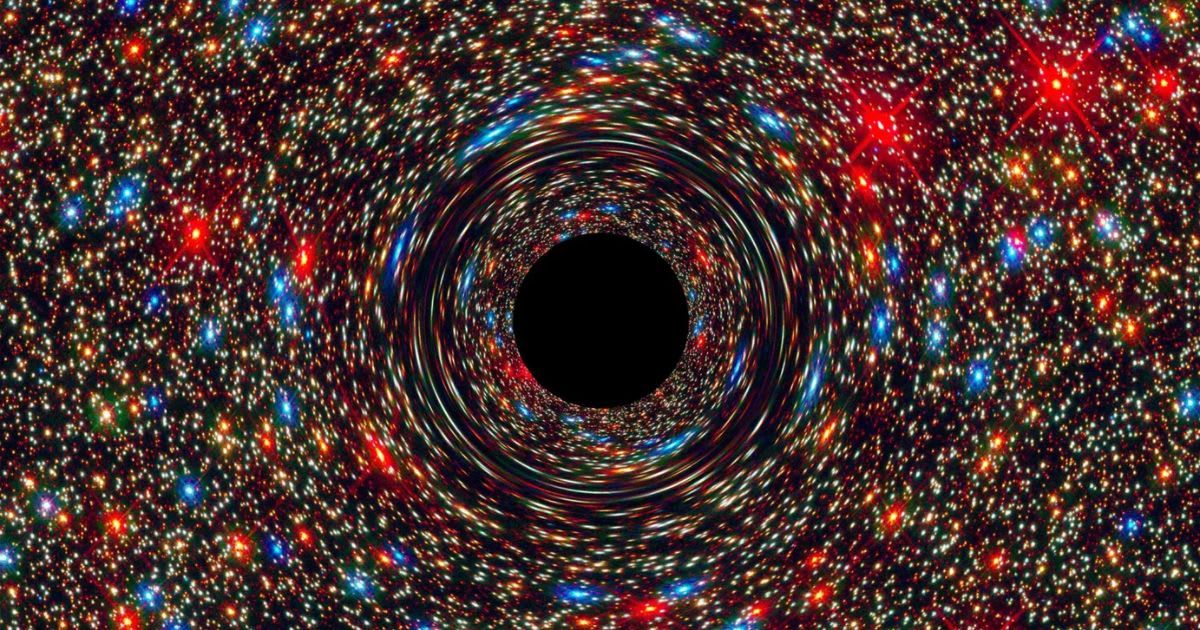
A newly discovered black hole, potentially the most massive ever, has been found lurking within a distant galaxy. The celestial object, estimated to be 36 billion times the mass of our Sun, is close to the theoretical maximum size for a black hole and is 10,000 times larger than the one at the center of the Milky Way, as per the Royal Astronomical Society.
The find, published in the Monthly Notices of the Royal Astronomical Society, was made by a team of researchers who identified the colossal black hole using a new method combining two distinct techniques: gravitational lensing and stellar kinematics. This unique approach allowed scientists to measure the black hole's size with a high degree of certainty, something that has been difficult to do with other ultramassive black holes. “This is amongst the top 10 most massive black holes ever discovered, and quite possibly the most massive,” said Professor Thomas Collett of the University of Portsmouth. "We’ve got much more certainty about the mass of this black hole thanks to our new method.”
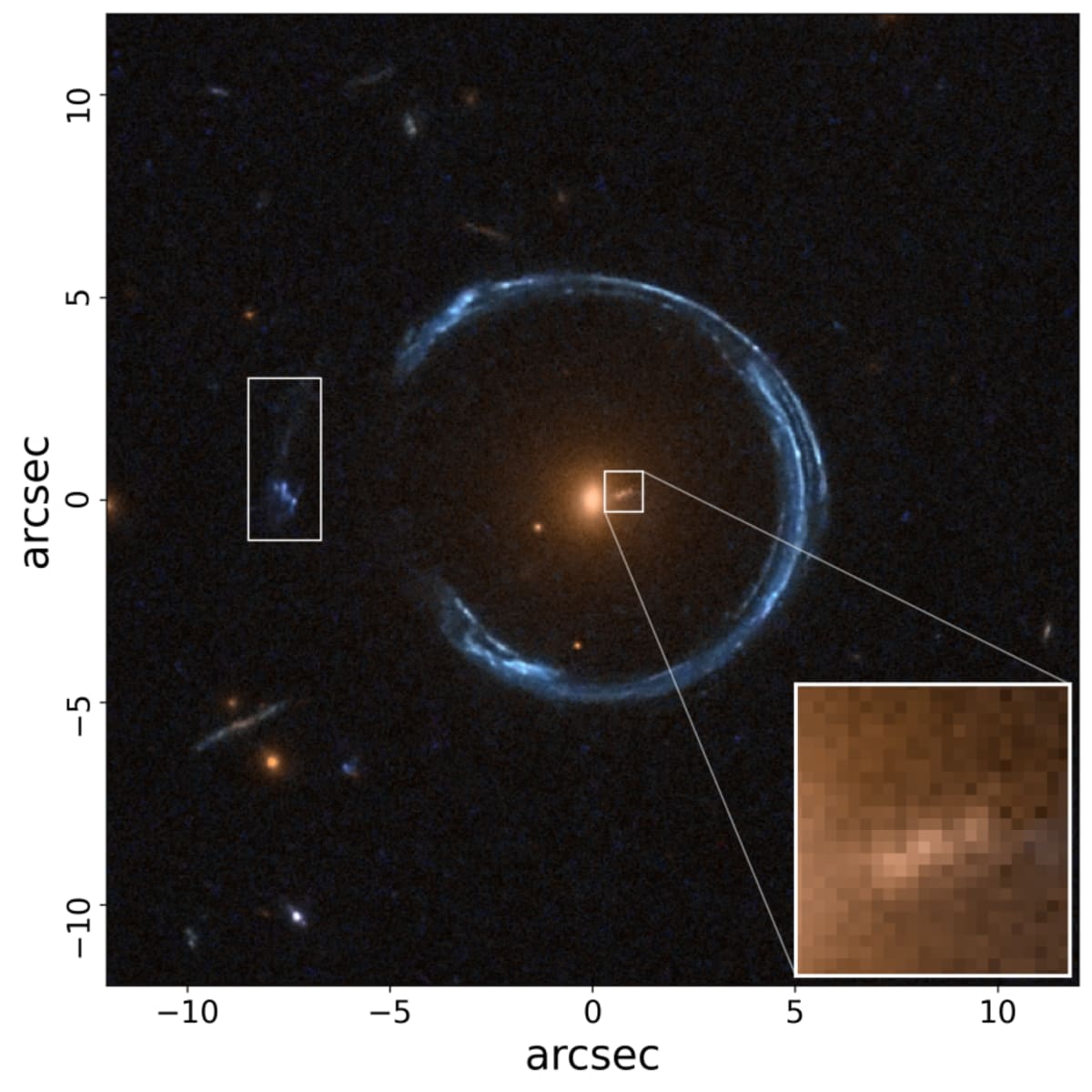
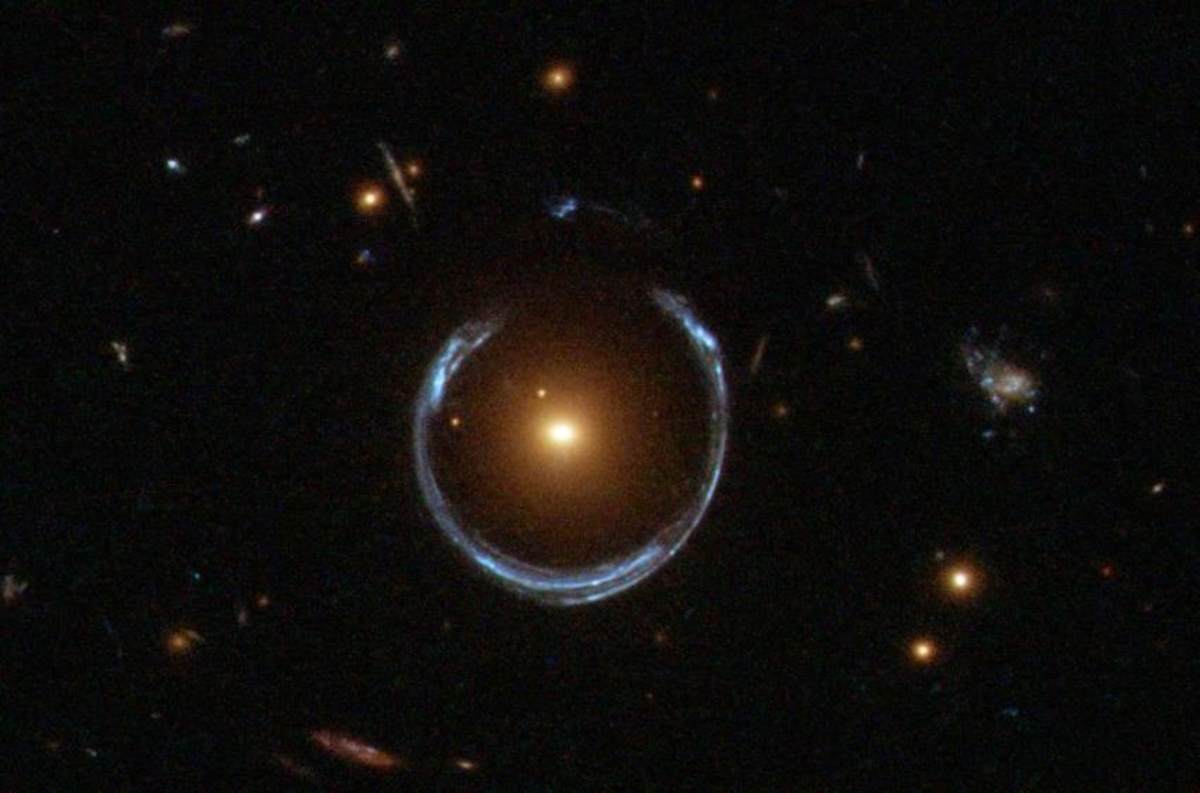
The black hole resides in an immense galaxy known as the Cosmic Horseshoe, which is so large that it creates a phenomenon called an Einstein ring, warping the light from a galaxy behind it into a horseshoe shape. The newly discovered black hole is a "dormant" one, meaning it is not actively consuming matter. Its detection was based purely on its immense gravitational pull and the effect it has on its surroundings.
“What is particularly exciting is that this method allows us to detect and measure the mass of these hidden ultramassive black holes across the universe, even when they are completely silent,” said lead researcher Carlos Melo. Located approximately 5 billion light-years away, the Cosmic Horeshoe black hole is a fascinating find because its host galaxy is a "fossil group," a structure representing the end state of galaxy formation. The discovery suggests that the black hole is the result of many smaller black holes merging over billions of years.
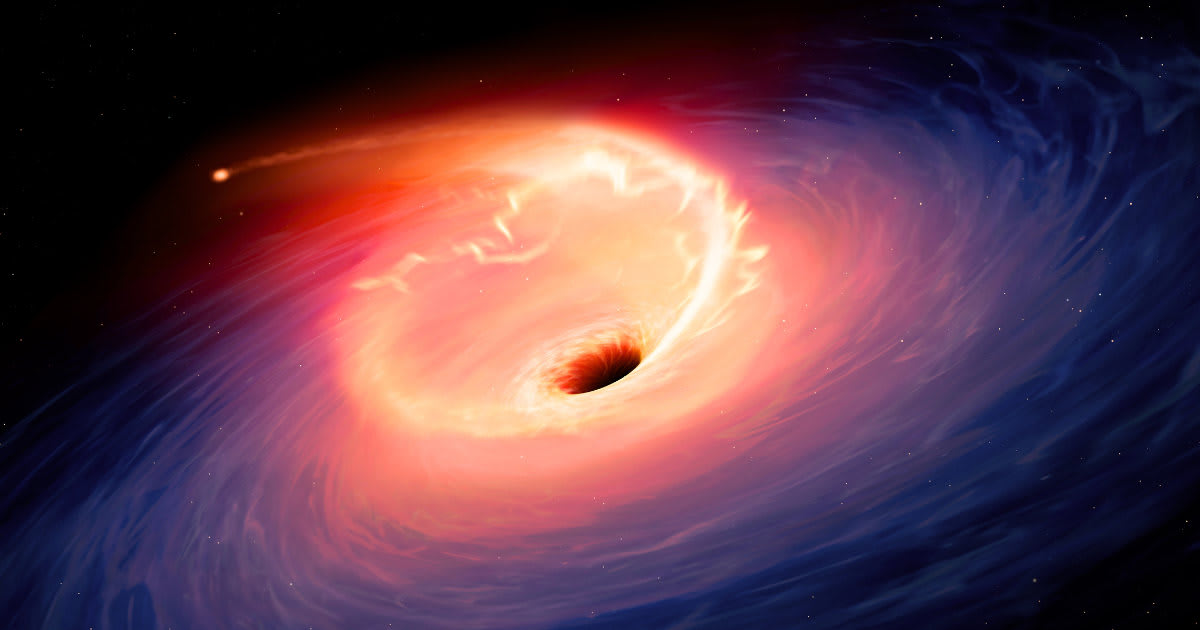
The researchers believe this new detection method could revolutionize how we study black holes. They hope to apply the technique using data from the European Space Agency's Euclid space telescope to find more ultramassive black holes and better understand the relationship between these cosmic titans and the galaxies they inhabit. The findings could provide critical insights into how black holes influence the development of galaxies and regulate the process of star formation.
While astronomers had long theorized the existence of supermassive black holes, conclusive proof remained elusive for decades. The brilliant, distant objects known as quasars, energetic cores of active galaxies, strongly suggested that such colossal objects existed, but direct evidence was lacking. That changed in 1994, when the Hubble Space Telescope's Faint Object Camera peered into the heart of the giant elliptical galaxy M87, as per NASA.
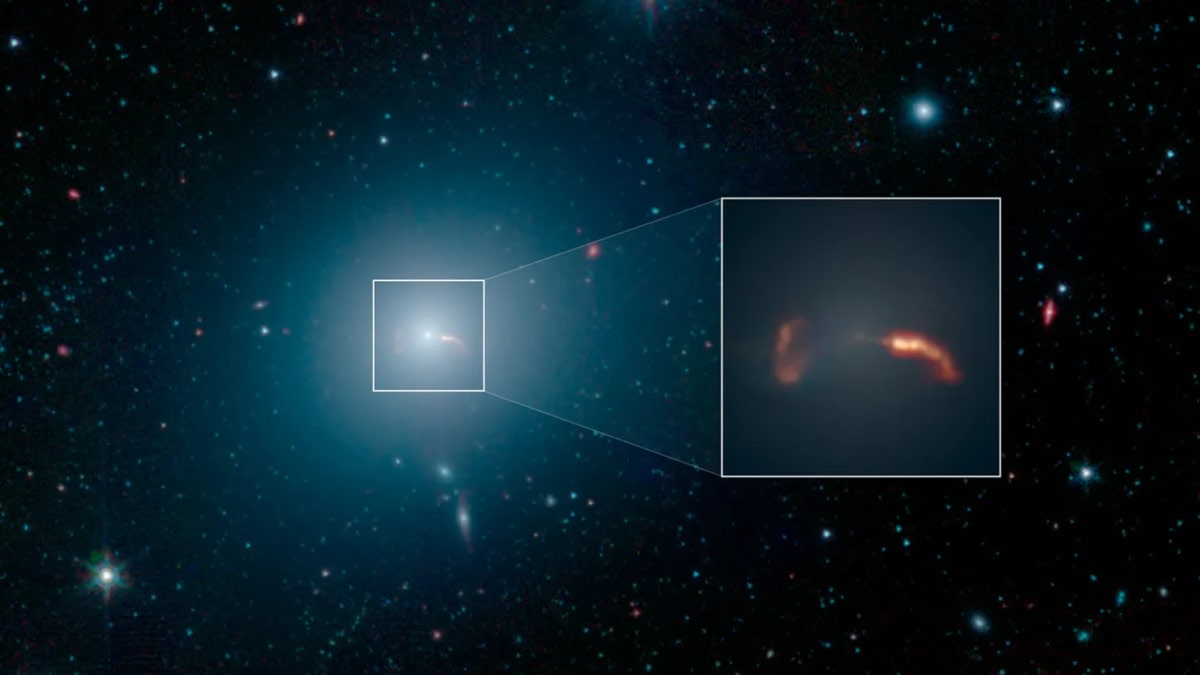
Hubble's observations revealed a swirling vortex of hot, ionized gas circling the galactic center at an incredible 1.2 million miles per hour. This discovery provided the first definitive evidence of a supermassive black hole, as only an object with immense gravitational pull could accelerate gas to such extreme speeds. This landmark finding paved the way for astronomers to begin searching for and confirming the existence of these invisible giants throughout the universe.