On a 'Hot Jupiter', day begins with clouds; by nightfall those clouds vanish—here's why
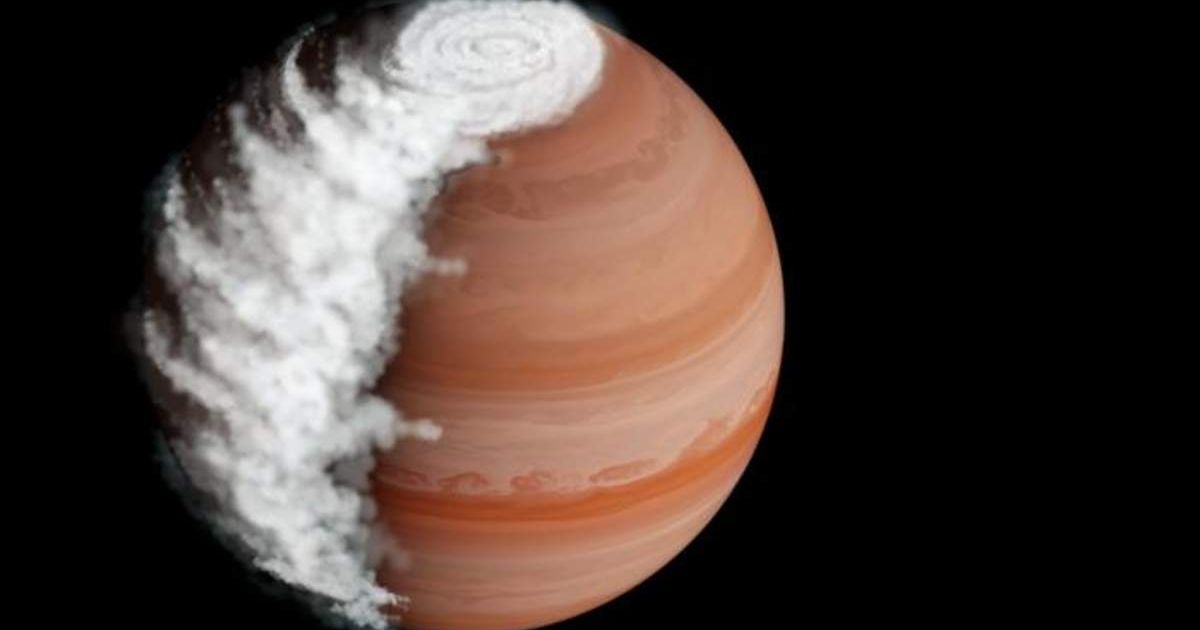
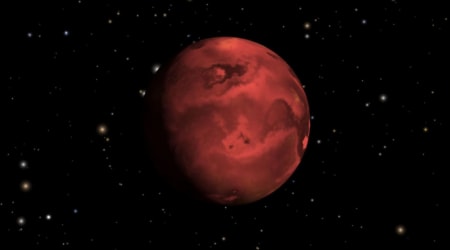
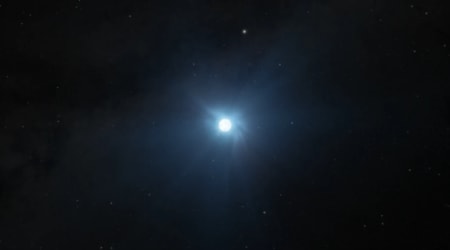
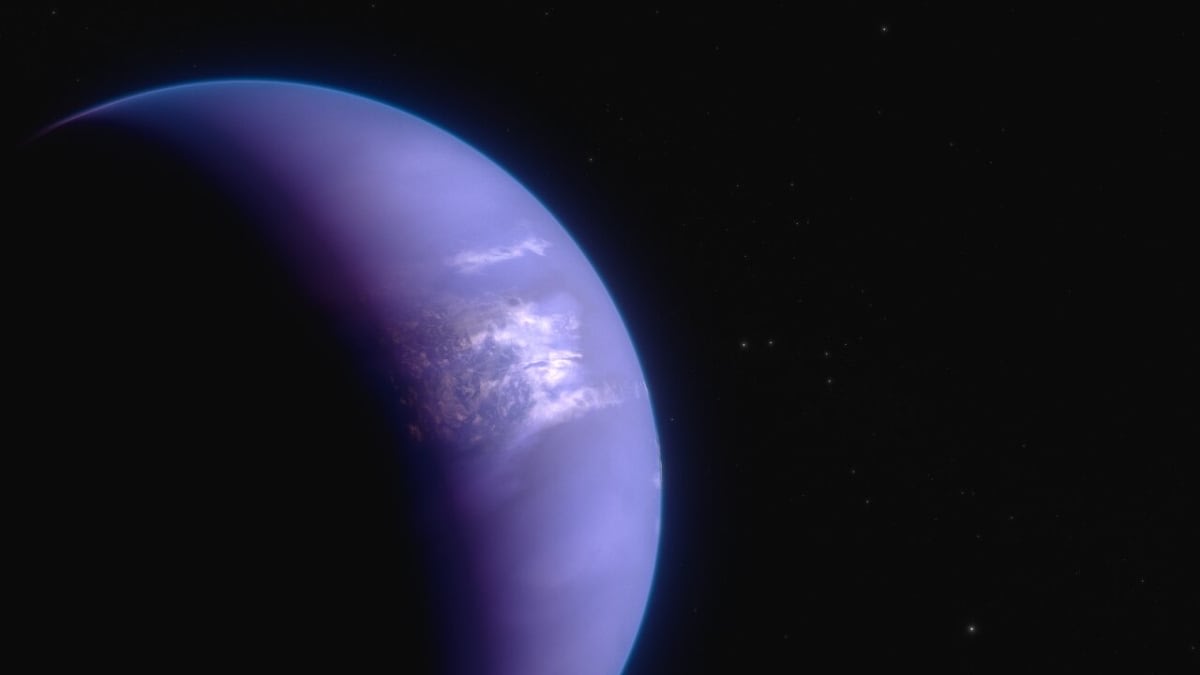
Using the James Webb Space Telescope, researchers from Johns Hopkins University zoomed in on an exoplanet, where every morning begins with clouds, but those clouds vanish by nightfall. The celestial body, dubbed WASP 94A b, is located around 700 light-years away from Earth and falls into the category of "Hot Jupiters." These exoplanets, as the name suggests, are massive gas giants that orbit their host stars very closely and harbor extreme temperatures. The recent findings about the planet have been reported in a paper published in the journal Science.
“I've been looking at exoplanets for 20 years, and general cloudiness has been a thorn in our side. We’ve known for quite a while that clouds are pervasive on Hot Jupiter planets, which is annoying because it’s like trying to look at the planet through a foggy window,” said co-author and program principal investigator David Sing, a Bloomberg Distinguished Professor of Earth and Planetary Sciences at Johns Hopkins, in a statement. “Not only have we been able to clear the view, but we can finally pin down what the clouds are made out of and how they’re condensing and evaporating as they move around the planet.”
To study the planet, Sing and his colleagues gathered data as the planet passed in front of its host star. During this transit, JWST separately analyzed the planet’s leading edge—its “morning” side—and trailing edge—its “evening” side. The telescope captured a dramatic contrast. The morning side had thick silicate clouds, whereas the evening side was mostly cloud-free skies. Unlike Earth, where clouds are made of water droplets, the clouds on the Hot Jupiter are built from magnesium silicate—minerals found in rocks and sand.

But what could have created such a remarkable change between day and evening? Sing and his teammates think that two possible processes may explain the phenomenon. One possibility is that powerful winds transport clouds from the cooler nightside into the blistering dayside, where they sink deep into the atmosphere and disappear from view. The other scenario could be a far more violent version of morning fog on Earth. The researchers note that clouds form during the planet’s night, but once sunlight hits them, the extreme heat of more than 1,000 degrees on the day side causes the chemicals that constitute the clouds to vaporize. “It was a huge surprise. People have expected some differences, like it's cooler in the morning than the evening—that’s something natural that we experience here on Earth,” Sing said. “But what we saw was a real dichotomy between the weather on both sides of the planet, and huge differences in cloud coverage, and that changes our whole picture of the planet.”
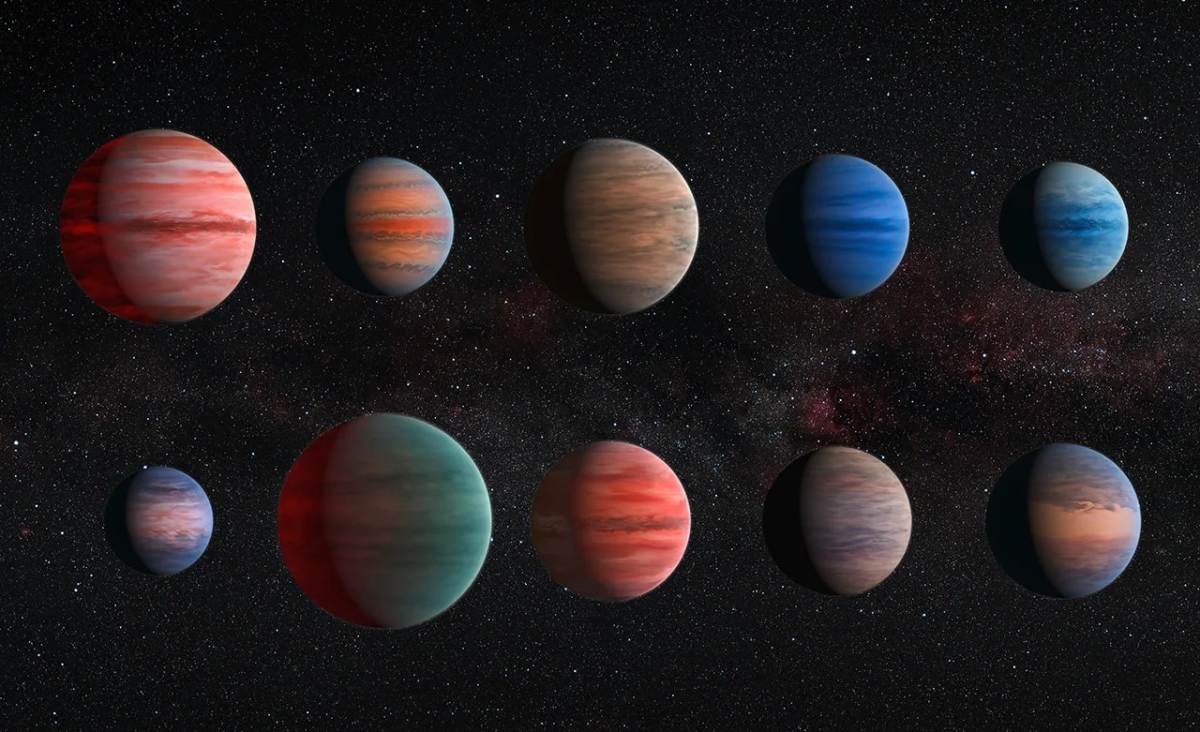
Previous studies suggested that the planet contained hundreds of times more oxygen and carbon than Jupiter, a result that puzzled astronomers because it did not fit current models of planet formation. But the new JWST observations showed that the hot giant’s oxygen and carbon levels are five times higher than those of Jupiter. The team also used WASP-94 A b as a benchmark to study eight other hot gas giants and discovered that two of them—WASP-39 b and WASP-17 b—share the same distinctive cloud cycle. Next, they want to use the data from a new large JWST program to probe cloud cycling across a wide variety of exoplanets, including an eccentric gas giant located in the habitable zone.
More on Starlust
James Webb Space Telescope provides crucial information about lonely Jupiter-like gas giant
James Webb Space Telescope spots a Saturn-mass exoplanet that has Earth-like temperatures