Supermassive black holes could be making exoplanets unsuitable for life, finds new study
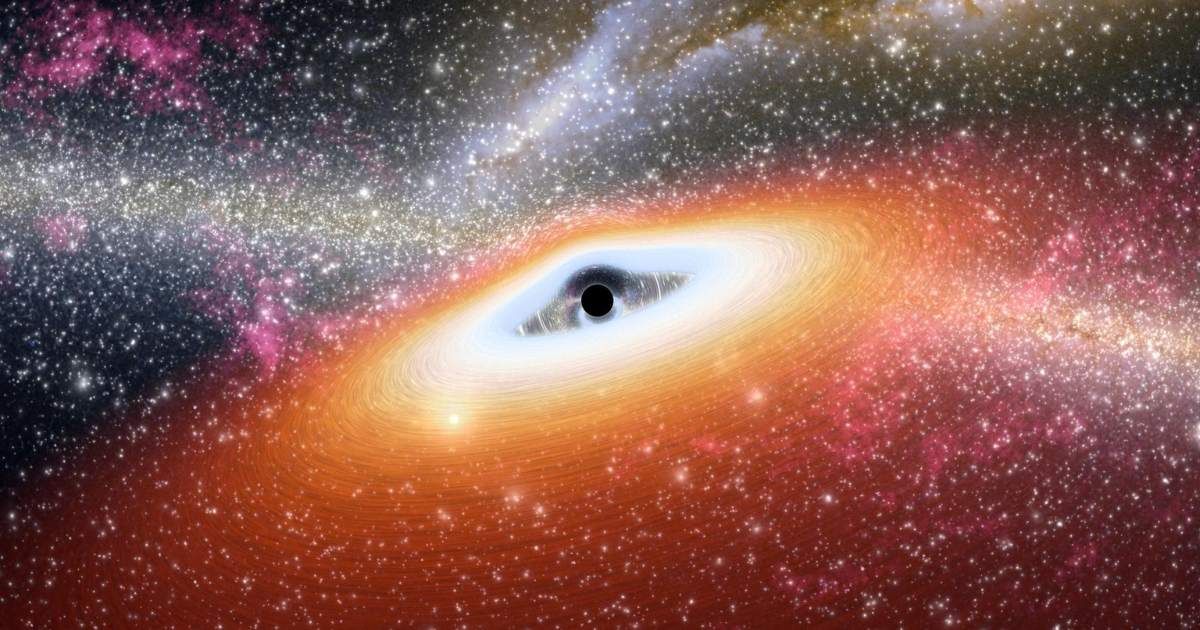
For decades, astronomers have been trying to pinpoint the exact conditions required for an exoplanet to sustain life. At the moment, the general understanding points to the fact that the distance from its host star is a significant factor in determining whether or not an exoplanet is habitable. But a recent study published in The Astrophysical Journal explores galactic-scale factors affecting habitability on a distant planet, and according to it, supermassive black holes have a huge role to play.
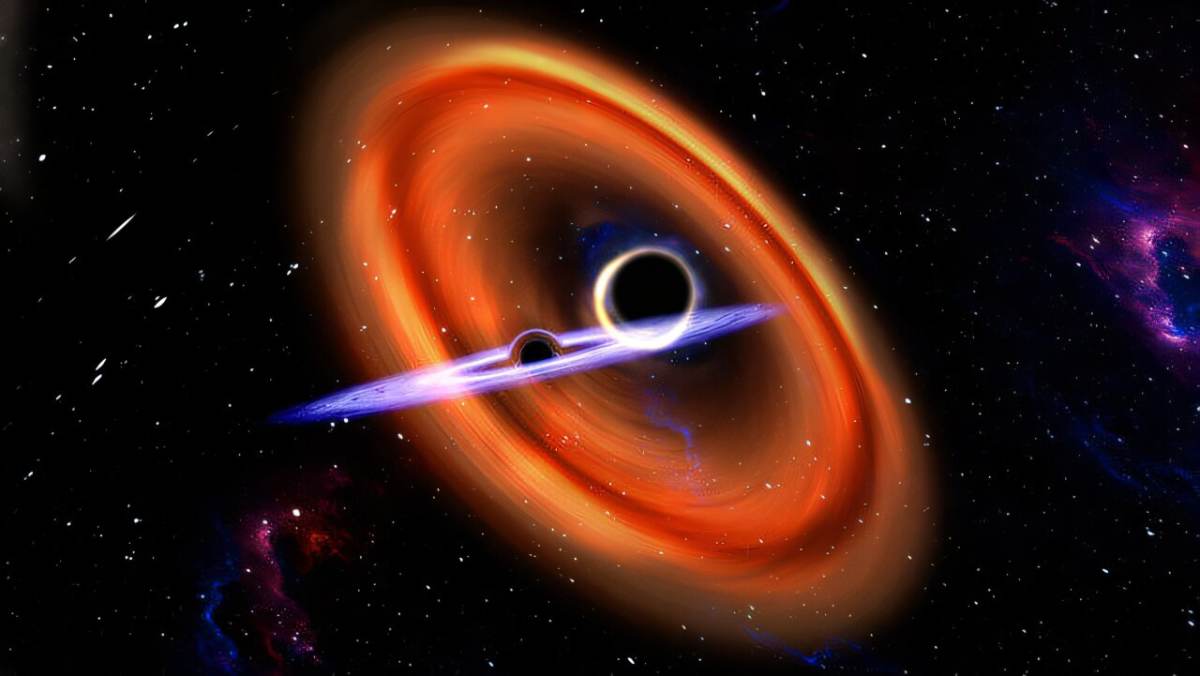
It is usually assumed that if a planet is too close to its host star, the liquid water on its surface (if any) becomes too hot to sustain life. Similarly, if a planet is too far away from the star, conditions might be too cold for water to remain in a liquid state. Again, such a scenario is not fit to sustain life as we know it. However, habitability on an exoplanet might not be solely dependent on its distance from its host star. There might be other factors that affect the sustainability of life despite an exoplanet being perfectly situated within its system's Goldilocks Zone.
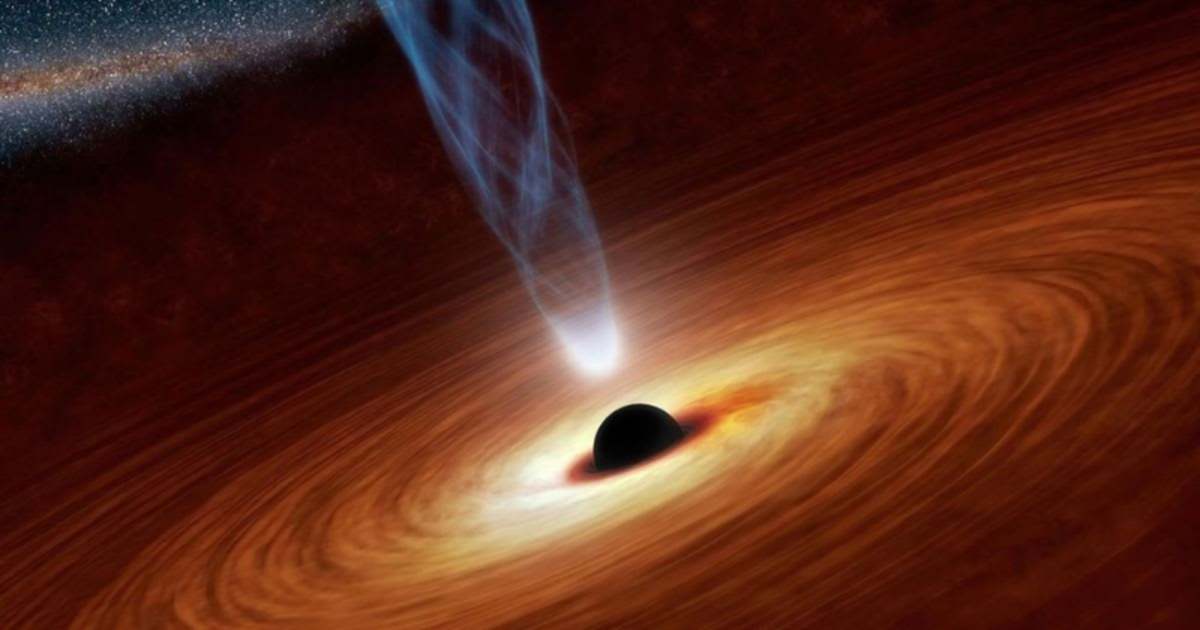
One of the biggest factors that might influence this delicate balance is a planetary system’s distance from a supermassive black hole (SMBH), and researchers led by a team from the Department of Aerospace, Physics and Space Sciences at the Florida Institute of Technology have made some sobering findings. The study titled, ‘The Impact of Supermassive Black Holes on Exoplanet Habitability. I. Spanning the Natural Mass Range,’ showed that these supermassive black holes might be responsible for rendering exoplanets in their vicinity lifeless.
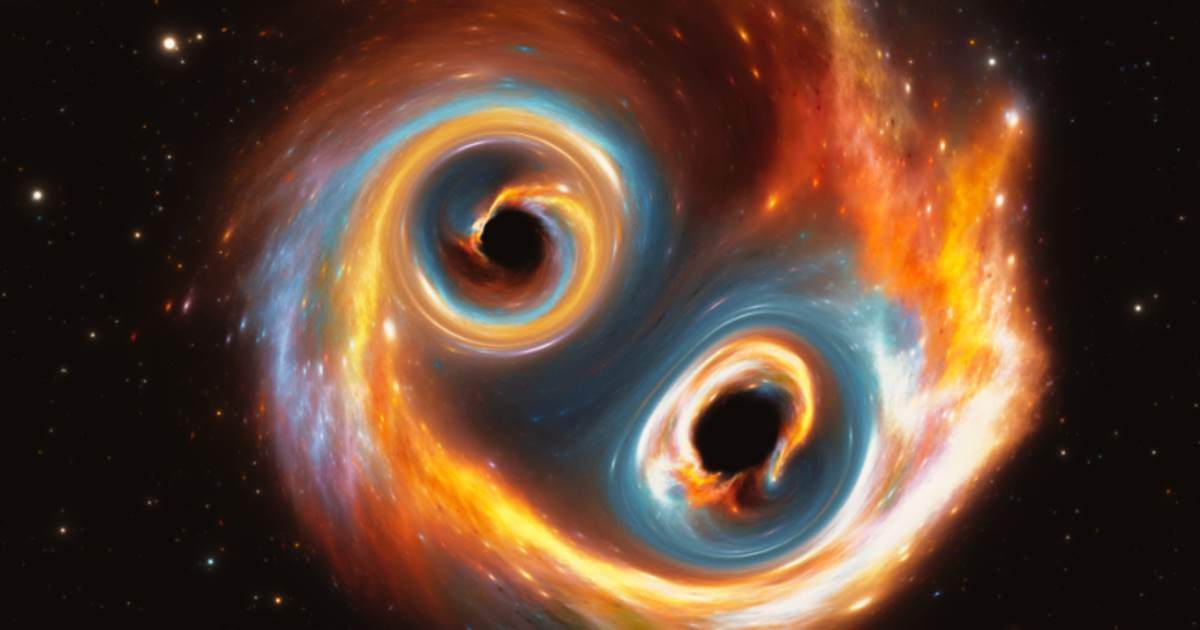
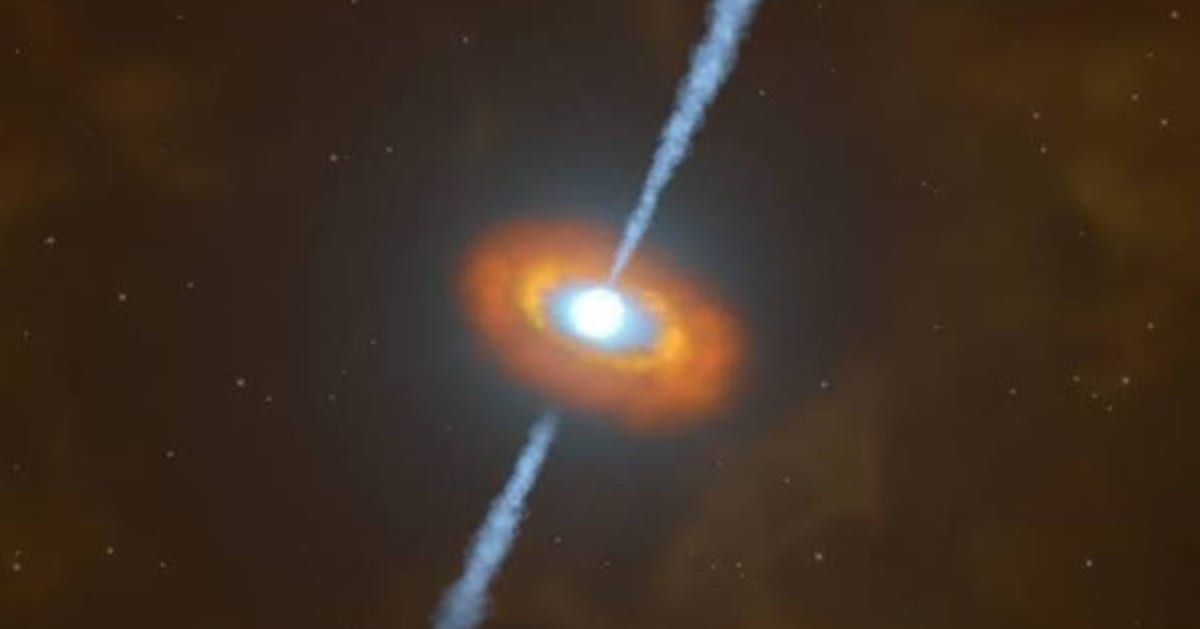
These black holes, as their names suggest, are exceptionally dense—frequently having masses billions of times greater than the Sun—and are usually found in the centers of galaxies. Wielding a significant amount of gravitational power, SMBHs also emit extreme levels of energy when active. The study showed that the mass of a supermassive black hole is directly related to how it drains an exoplanet’s habitability: rather than destroying the physical mass of the planet itself, the kinetic feedback from the AGN (Active Galactic Nucleus)—driven by the central black hole—superheats an exoplanet's upper atmosphere. This energy accelerates molecules in the atmosphere past their escape velocity, causing rapid depletion of an exoplanet's atmosphere and destroying any potential of habitability. Speaking about their study, the researchers explained, “Specifically, we show that increased SMBH mass leads to higher atmospheric heating and elevated temperatures, greater molecular thermal velocities, and enhanced mass loss, all of which diminish with distance from the galactic center.” In other words, the closer an exoplanet is to a galactic center where a supermassive black hole resides, the greater the chance of it having its atmosphere stripped.
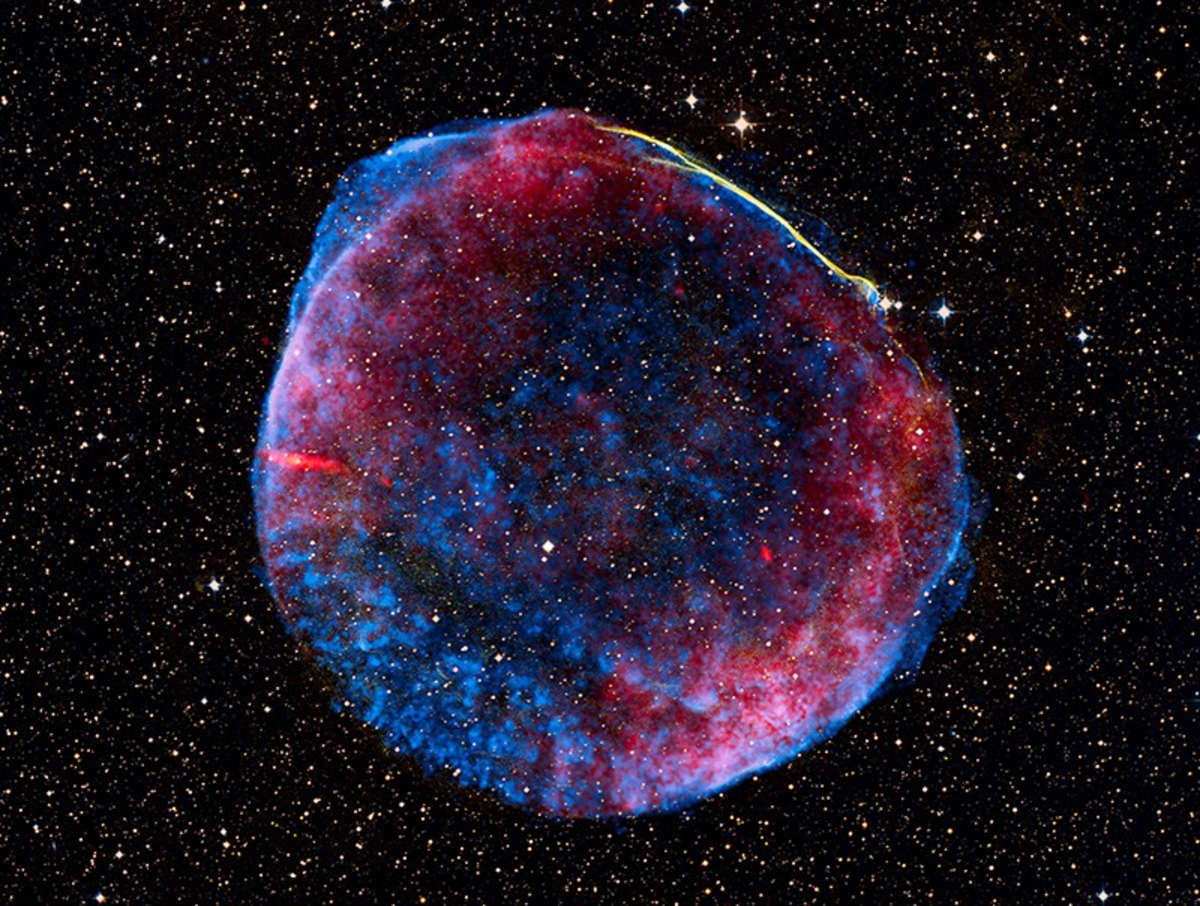
Additionally, alongside supermassive black holes, other high-energy events like supernovae could also destroy the potential habitability of nearby exoplanets. Supernovae, which take place when stars violently die, emit strong radiation and shockwaves that can obliterate exoplanet atmospheres. Hence, with the Milky Way's central bulge being tightly packed, and a large number of supernova explosions taking place regularly in that region, the potential for finding habitable exoplanets near our galactic center is likely low. Fortunately for us, our Solar System resides in the galaxy's spiral arms, far from the center where the supermassive black hole Sagittarius A* resides. Our corner of the galaxy is a safe haven often referred to as the "Galactic Habitable Zone."
Building upon earlier studies that mapped these dangerous galactic zones, it has been found that there are certain regions in a galaxy where the overall conditions make an exoplanet's atmosphere highly vulnerable to destruction from AGN winds. Concluding their study, the team proposed that future research must delve deeper into the combined effects of AGN winds and radiation. The authors stated, “Since our current model does not incorporate radiative effects, the combined influence of winds and high-energy radiation on the Galactic habitable zone should be explored in future studies.”
More on Starlust:
Astronomers observe a black hole coming back to life after 100 million years of silence
Scientists may have directly observed a black hole tearing apart a white dwarf for the first time
Scientists have found the most 'pristine' star in the universe—and it's right here in the Milky Way