Astronomers stunned as new research suggests the first stars were not as uniformly massive as once believed
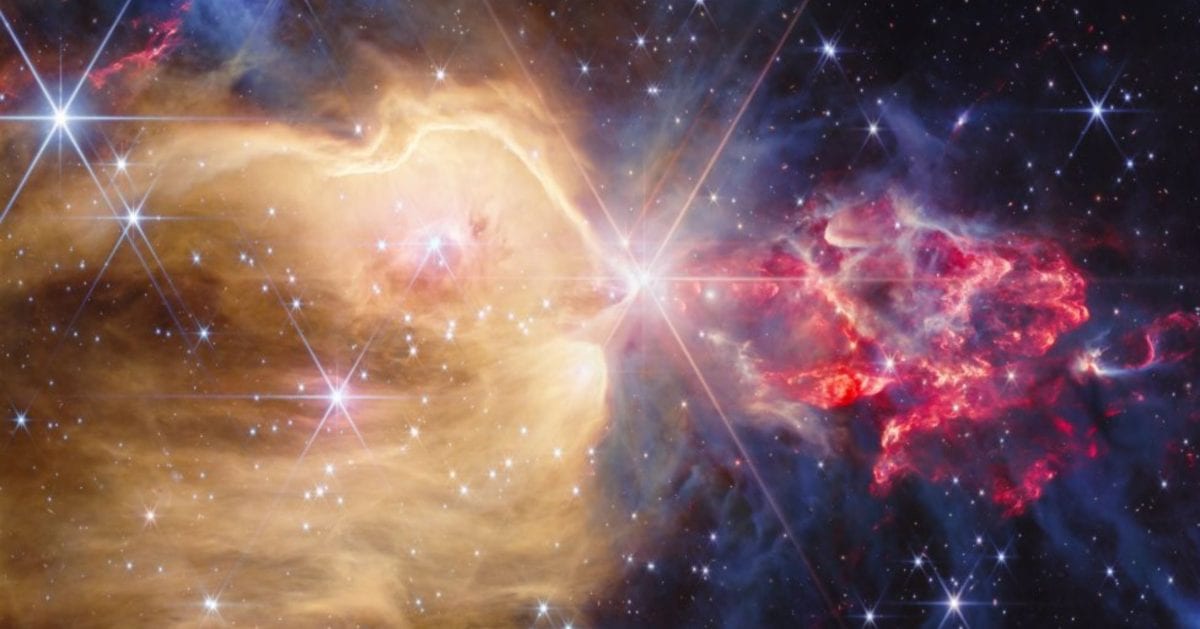
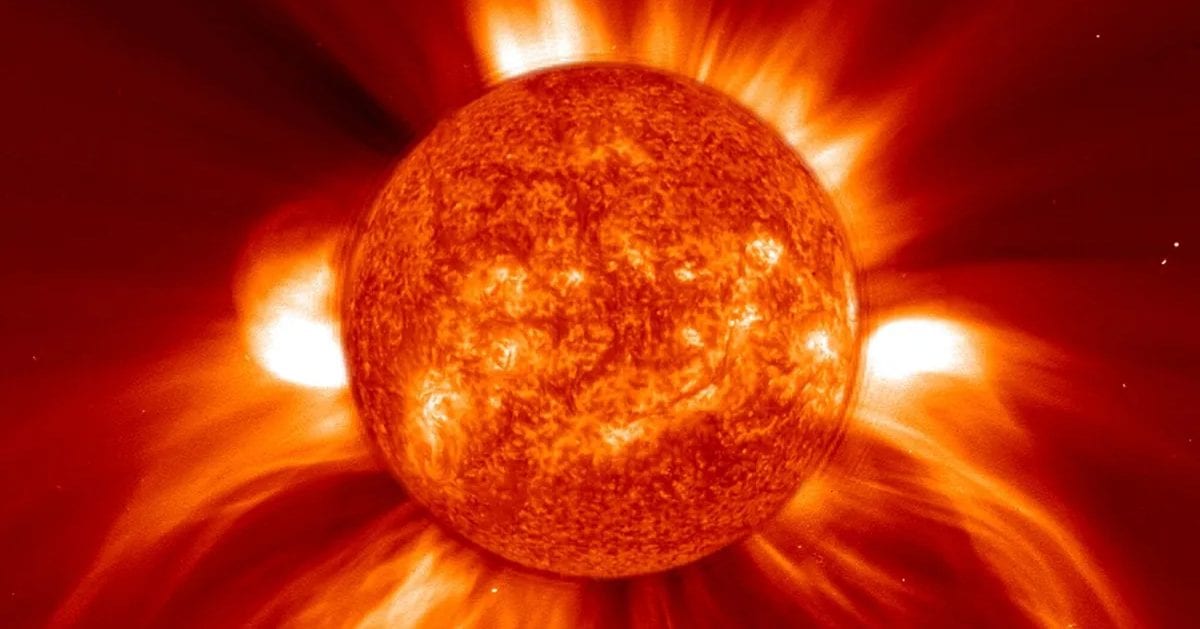
Astronomers have long been intrigued by the mystery of the universe's first stars. These ancient giants created the chemical elements that filled space and this process set the stage for new stars and, eventually, the first planets. The first stars consisted of pure hydrogen and helium, as noted in a study published in the journal Annual Review of Astronomy and Astrophysics. They were extremely massive, hundreds to thousands of times the mass of the Sun and millions of times brighter. They lived brief lives that ended in strong supernova explosions and this stopped planets from forming. However, two studies published in early 2025 suggest that collapsing gas clouds in the early universe might have also created lower-mass stars, as per Phys.org.
The study published in Astronomy and Astrophysics provides a new computer simulation that shows how turbulence in the clouds led to fragmentation into smaller star-forming clumps. Astrophysical Journal Letters noted that an independent lab experiment shows how molecular hydrogen is crucial for star formation, and how it may have formed earlier and in larger amounts due to an unexpected catalyst. The findings suggest that the second generation of stars, which are the oldest now visible and potential hosts of the first planets, may have formed earlier than previously thought. Stars begin when large hydrogen clouds collapse under gravity, creating dense, hot cores where nuclear fusion starts.
In the first stars, hydrogen fused into helium, releasing a huge amount of energy that heated the core and balanced gravity. The heat from the core steadily increases the star's brightness. Stellar nucleosynthesis is the process by which stars make heavier elements through nuclear fusion. Massive stars can create elements up to iron. Smaller stars, like the Sun, mainly fuse hydrogen into helium. Once such stars run out of fuel, they gradually begin to cool and fade away.
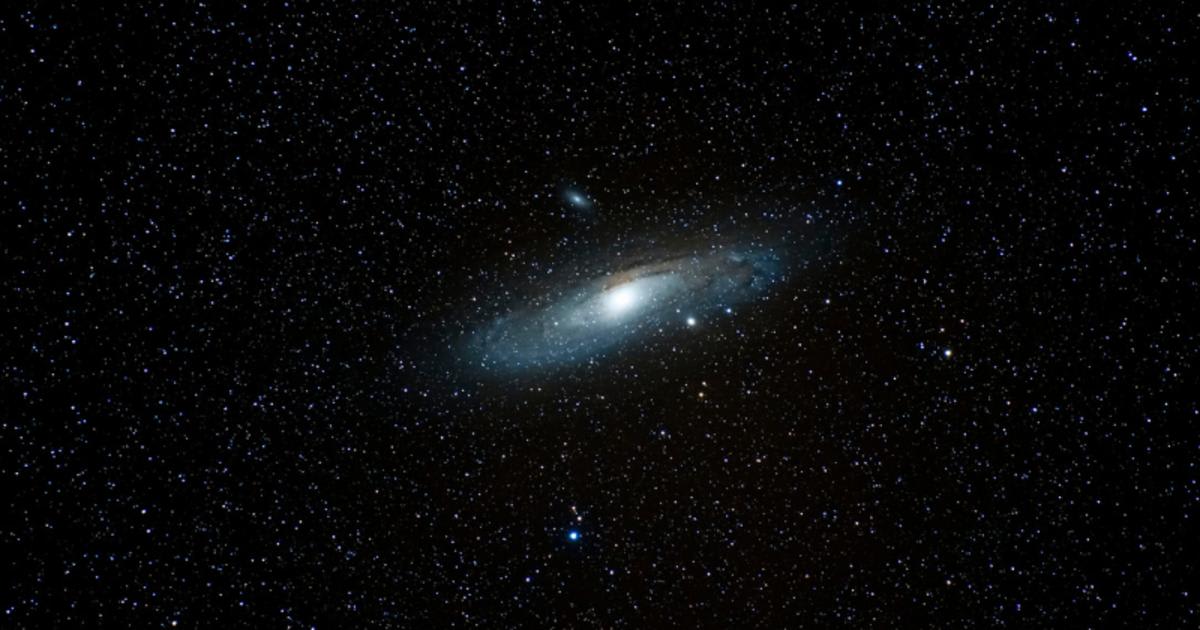
High-mass stars shine brightly and use up their fuel in millions of years. In contrast, low-mass stars develop slowly and can glow for billions or even trillions of years. Physicist Florian Grussie and his team at the Max Planck Institute for Nuclear Physics revealed in an Astronomy and Astrophysics study that helium hydride (HeH⁺), the universe's first molecular ion, may have been more common in the early cosmos than previously thought. He used computer modeling and lab tests to confirm this result.
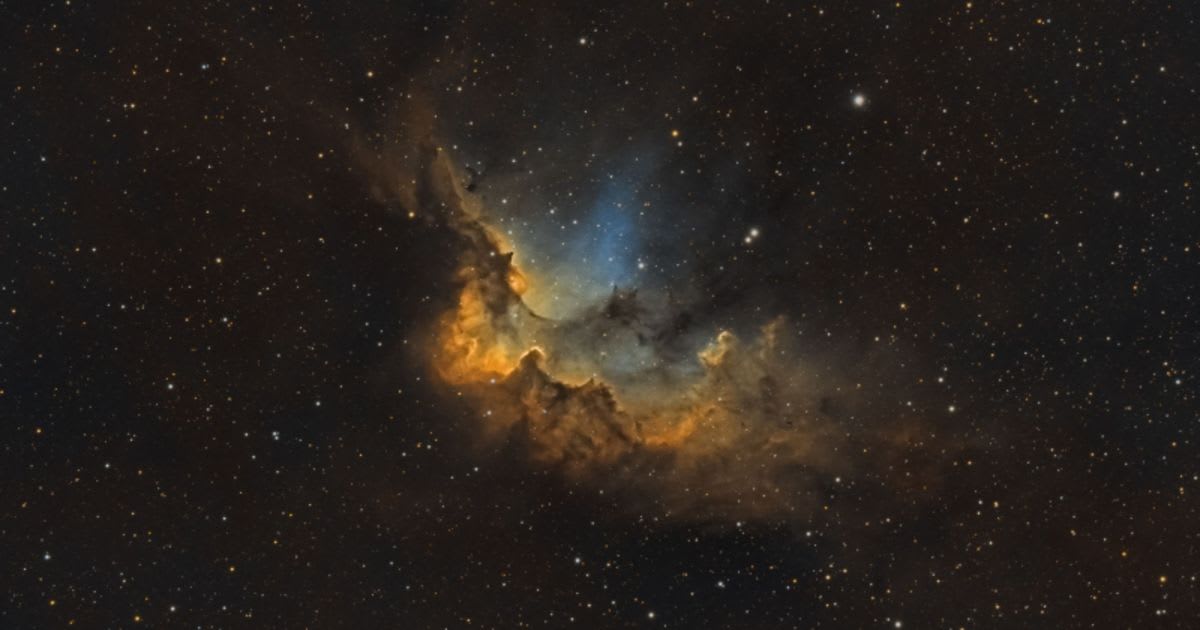
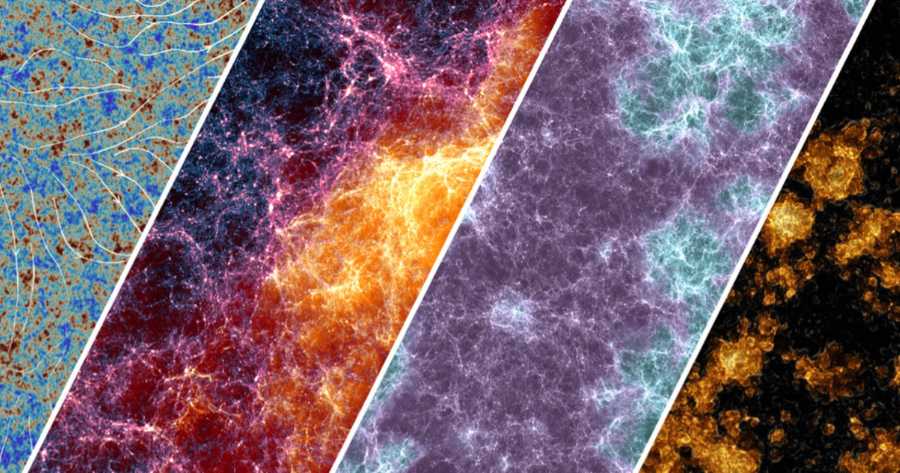
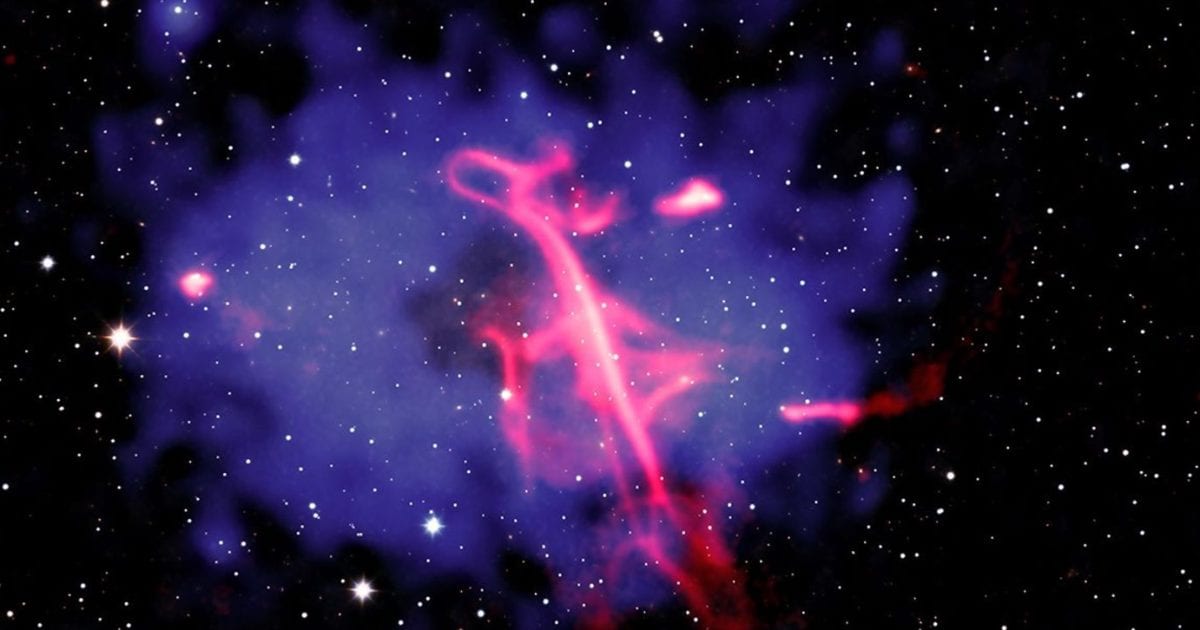
HeH⁺ reacts with hydrogen deuteride (HD), which consists of one regular hydrogen and one heavier hydrogen, to create hydrogen gas (H₂). In this reaction, HeH⁺ also cools the surroundings by emitting light. Thus, the large amounts of both molecular coolants early on may have helped smaller clouds cool down more quickly, allowing them to collapse and form lower-mass stars. In The Astrophysical Journal Letters, astrophysicist Ke-Jung Chen led a research group that created a computer simulation to model and observe how gas in the early universe might have flowed.
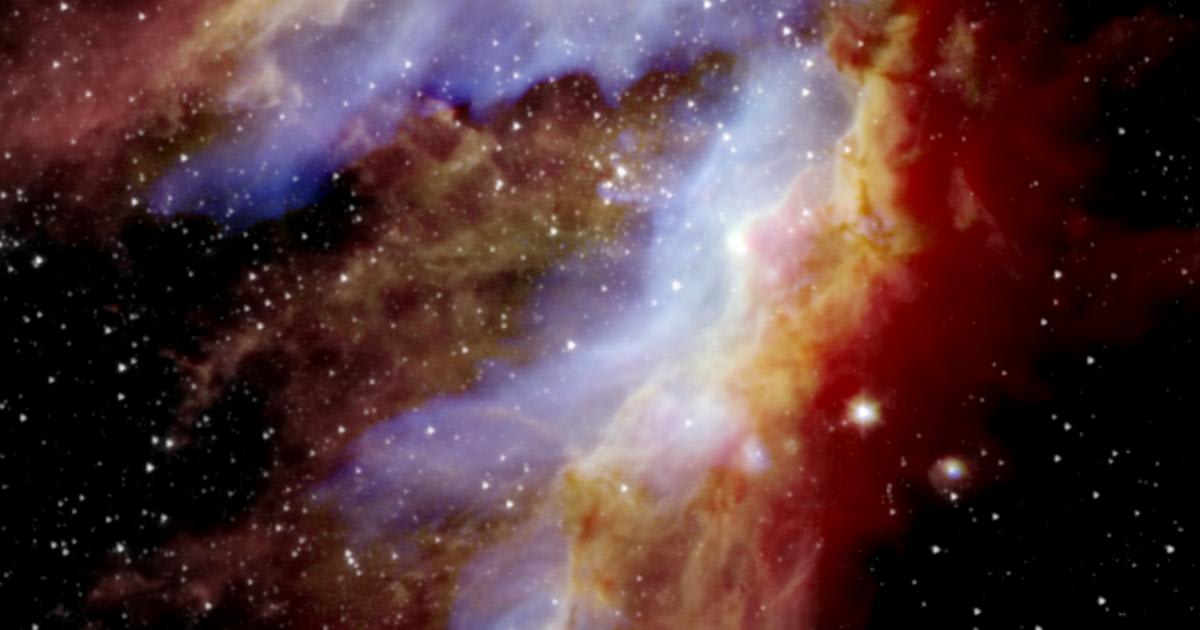
The team’s model showed that turbulence in collapsing gas clouds can break them into smaller pieces. This process can lead to the formation of lower-mass stars. The study concluded that turbulence may have helped early clouds create stars between the size of the Sun and about 40 times more massive. Both studies suggest that the first generation of stars might have included low-mass stars. Detecting them is difficult. Their faint luminosities make observation very challenging. However, astronomers remain hopeful that future discoveries will reveal more such examples.