Scientists find life-supporting organic compounds in meteorite that struck New Jersey home

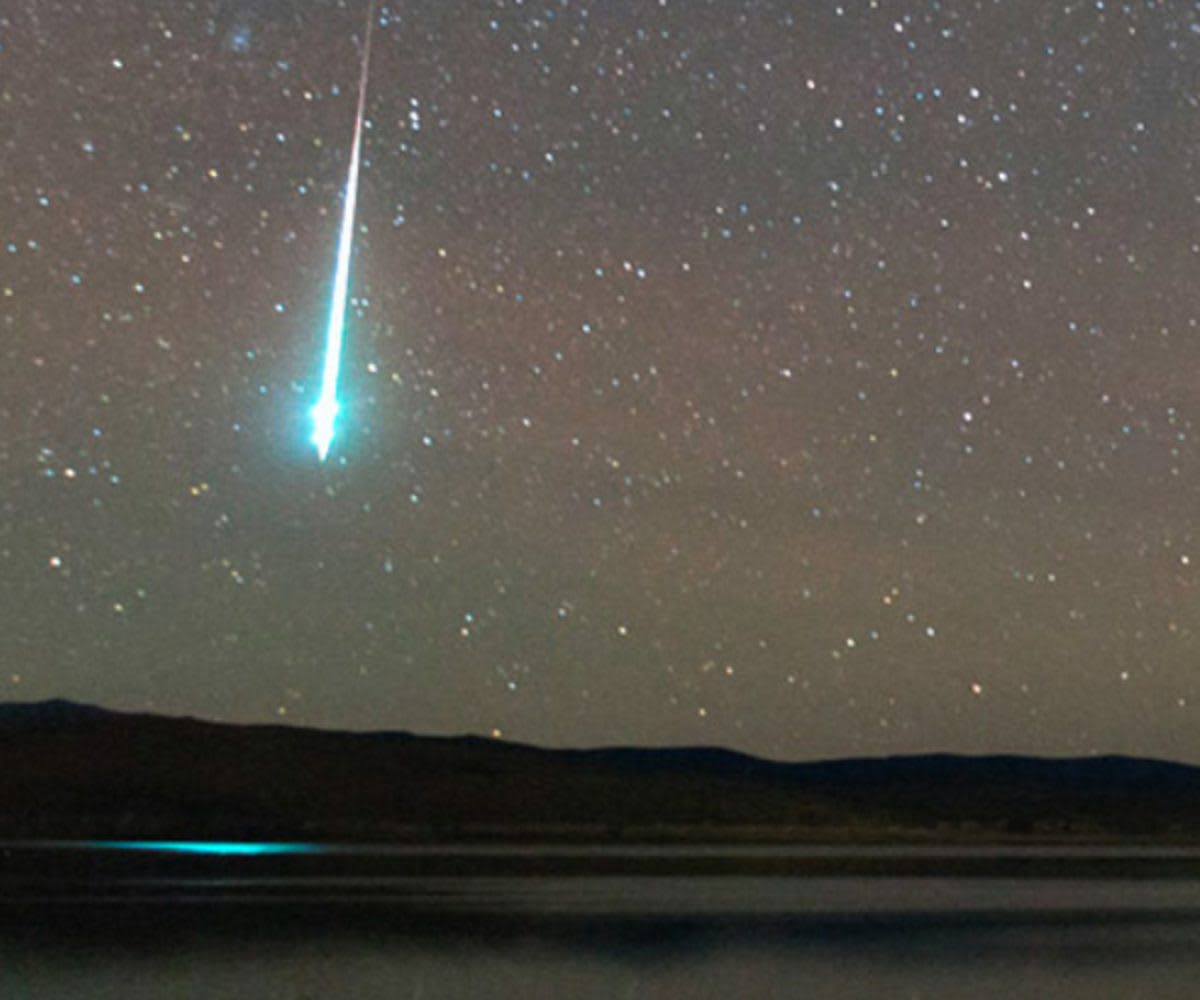
On July 16, 2024, a burning daytime meteor streaked through the skies over New York City before disintegrating into fragments. One of those fragments, weighing more than two pounds, crashed through the roof of a home in Hillsborough, New Jersey, leaving a hole in the ceiling. Now, an analysis of the fragment has revealed that the meteorite once came into contact with concentrated salty water on the surface of its parent asteroid. This discovery, published in Science Advances, offers fresh insight into the chemical history of the early solar system and strengthens the case that meteorites may have delivered some of the ingredients necessary for life on Earth.
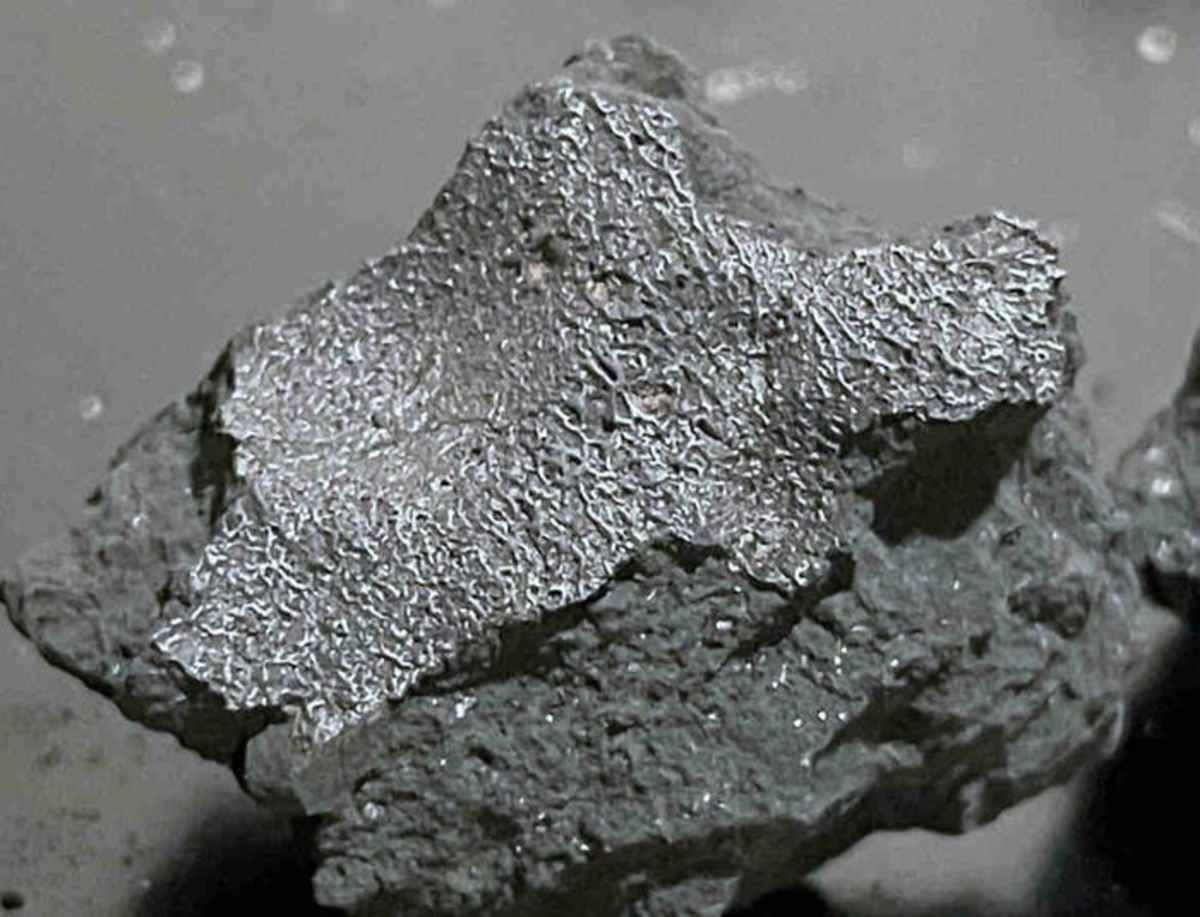
Calling the research a forensic study, lead author and meteor astronomer Peter Jenniskens of the SETI Institute and NASA’s Ames Research Center in California’s Silicon Valley said in a statement, “The fragments revealed that they contained preserved bits from near the surface of a small primitive asteroid where it experienced concentrated salty fluids—a process not previously known from this type of proto planet world.”
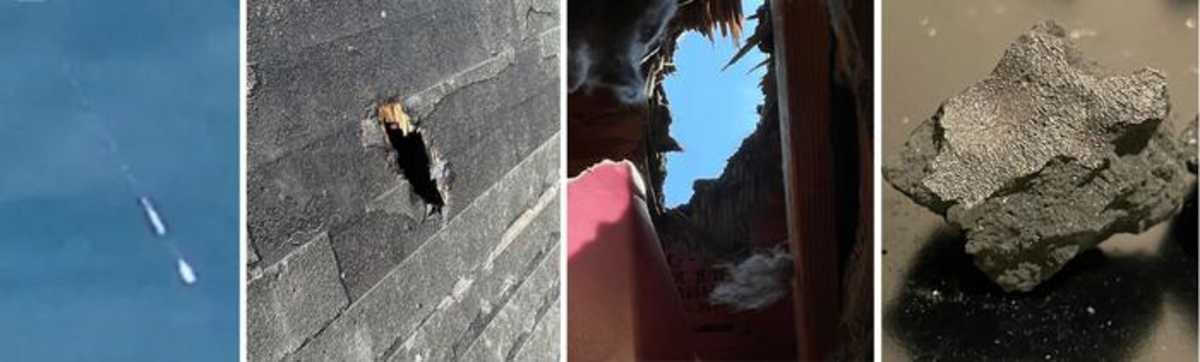
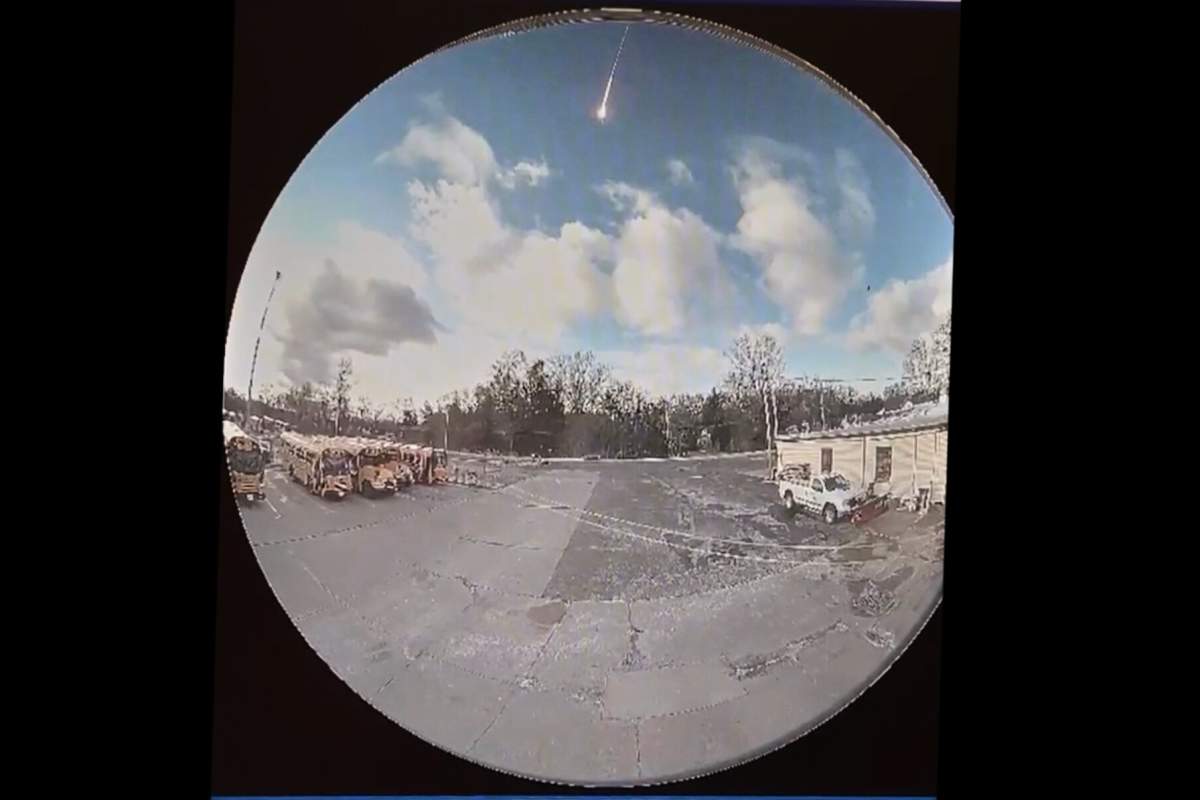
On that fateful day in July, the rock began its journey to Earth about 100 kilometers (62 miles) above our planet and slammed into the atmosphere at nearly 32,000 miles per hour. Sixty residents from New York, New Jersey, Connecticut, Rhode Island, and Pennsylvania reported the spectacle to the American Meteor Society, while 16 people in New York and New Jersey described hearing or feeling the meteor's powerful sonic boom. A homeowner’s doorbell camera and a few dedicated meteor cameras in Connecticut and Pennsylvania allowed scientists to reconstruct its path. Analyzing the images, they traced the object's origin to the lower region of the asteroid belt between Mars and Jupiter. During its descent, the fragile rock broke apart rapidly, disappearing from view about 22 miles (35 kilometers) above Earth's surface. Yet even after the light faded, weather radar at Newark Airport detected a cloud of falling debris stretching from Staten Island into New Jersey.
Wearing disposable gloves, the homeowner in New Jersey collected every fragment he could find, wrapped them in aluminum foil, and sealed them in glass jars to avoid contamination. Laboratory analyses revealed that the rock fragments belong to one of the rarest families of meteorites known: CM carbonaceous chondrites. These ancient rocks are among the most primitive materials in the solar system, preserving a record of conditions that existed more than 4.5 billion years ago, and they are rich in carbon, water-bearing minerals, and organic compounds.
The Hillsborough meteorite is only the 22nd observed CM-type meteorite fall, but it was classified as a CM1/2 carbonaceous chondrite—an intermediate type between the better-known CM1 and CM2 classifications. According to paper co-author Mike Zolensky at NASA’s Johnson Space Center in Houston, water altered the rock fragments more extensively while they rested on the meteorite’s parent asteroid than is typically seen in CM2 carbonaceous chondrites. The first witnessed fall of this kind of meteorite—the Kolang meteorite—fell in North Sumatra, Indonesia, in 2020. All other observed CM falls have been CM2-types.
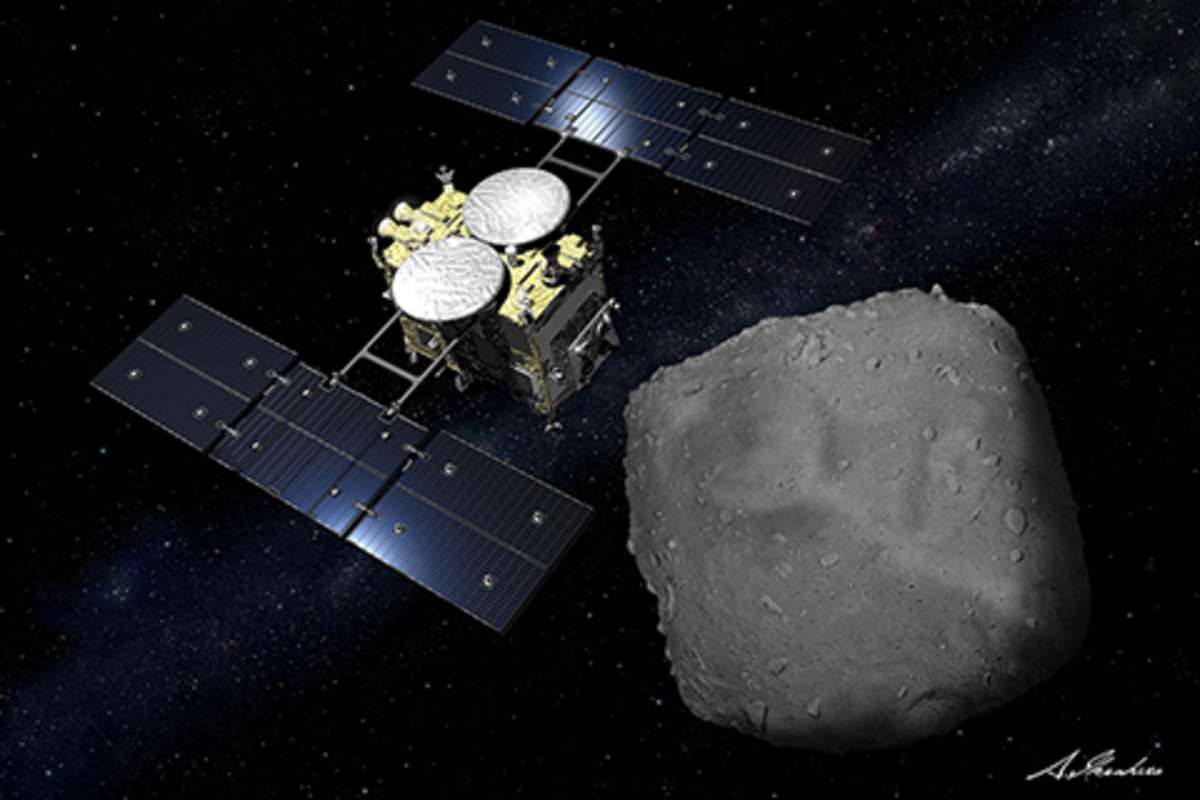
JAXA’s Hayabusa2 mission collected similar samples from asteroid Ryugu, and NASA’s OSIRIS-REx mission did the same from asteroid Bennu. Both types of samples show the influence of briny fluids from just below the surface of their parent asteroids. The researchers detected small, salt-rich CM1 fragments within the new meteorite, suggesting that they originated from a near-surface region of the parent asteroid where liquid water evaporated, leaving behind concentrated salts. They are now comparing these samples to better understand how water shaped the earliest bodies in the solar system. Within the Hillsborough meteorite, scientists identified a diverse collection of soluble organic compounds, including amino acids—the building blocks of proteins—as well as carboxylic acids and numerous other carbon-rich molecules.

In living organisms today, organometallic compounds play essential roles in processes such as photosynthesis and oxygen transport. Finding these same compounds in the meteorite reveals that surprising chemical sophistication can develop in space long before life emerges. “We are thrilled that nature delivered such a precious asteroid sample on our doorstep,” said co-author and curator Denton Ebel at the American Museum of Natural History in New York City, which will curate some of the meteorite fragments.
More on Starlust:
Another planet in our early solar system? First evidence of Moon-sized object found from meteorite
Caught on CCTV: Fireball meteorite that lit up northern Europe