World’s largest digital camera captures over 500,000 galaxies in spectacular new image
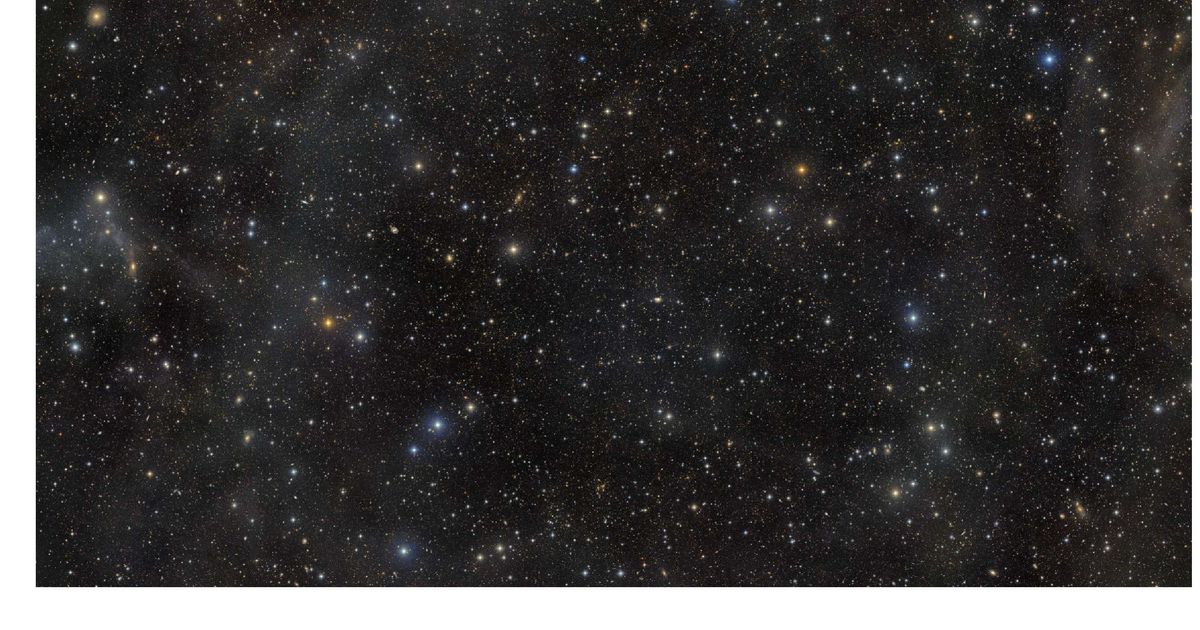
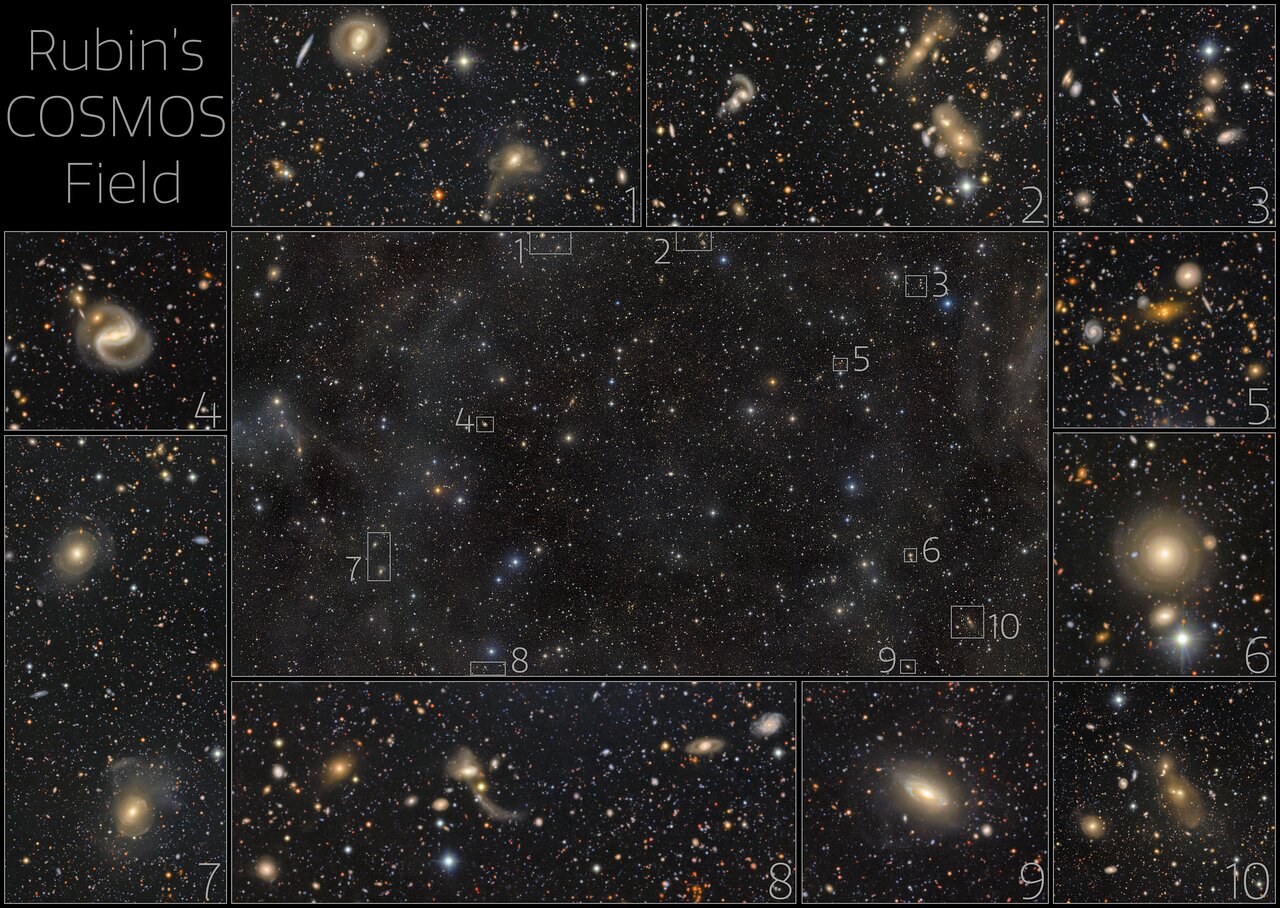
The Vera C. Rubin Observatory has released a stunning new image of a widely studied region of the sky. Captured using the LSST Camera—the world’s largest digital camera mounted atop the Simonyi Survey Telescope in Chile—the picture was created with hundreds of images featuring more than 500,000 galaxies of different kinds and 50,000 stars. The release marks the first phase of Rubin’s Data Preview 2, which is based on data from the LSST Camera collected between April 2025 and January 2026 of around one-sixth of the entire Southern Hemisphere sky.
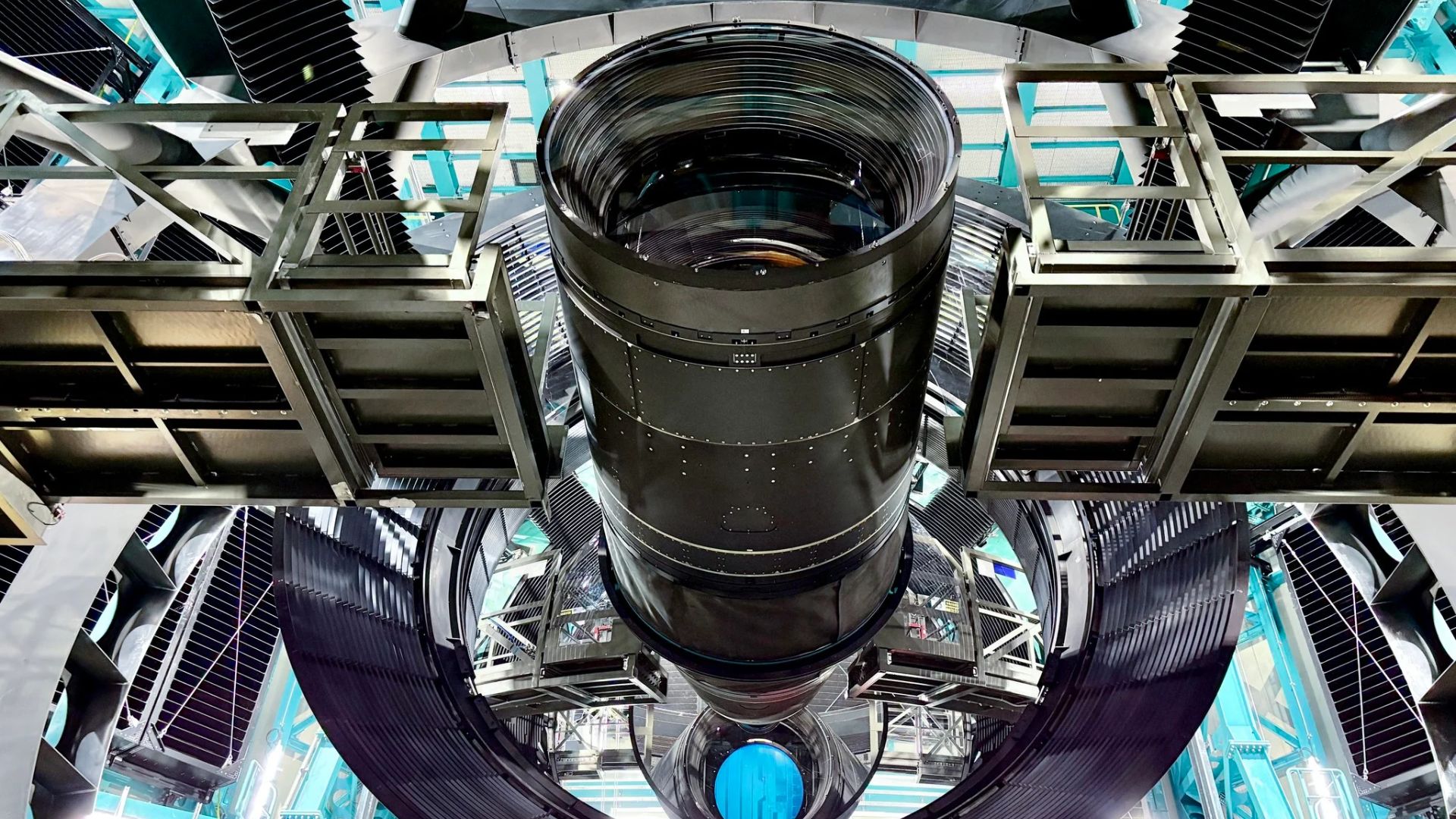
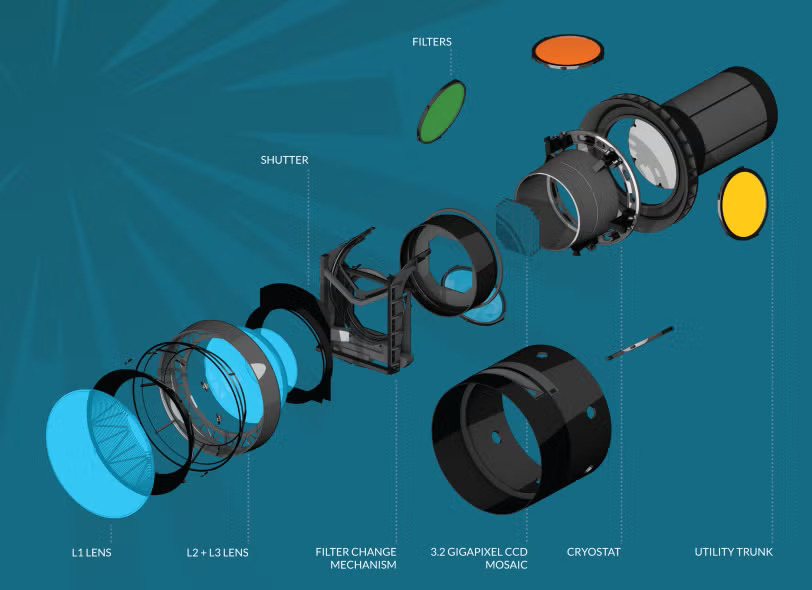
Short for Legacy Survey of Space and Time, the LSST camera is tasked with creating the most comprehensive cinematic record of the universe in history. The camera weighs about 6,600 pounds and is roughly the size of a small car.
The composite image provides a clear view of the COSMOS field and contains merging and faint red ones from the distant universe, besides spiral and elliptical galaxies. A popular region in the sky located in the constellation Sextans, the COSMOS field has been observed since 2003 using major ground- and space-based telescopes, including the Hubble telescope, as it serves as a reference point for testing new data, comparing measurements, and combining information from many observatories.
Astronomers hold the COSMOS field in high regard because it looks away from the crowded plane of the Milky Way; thus, a smaller number of nearby stars and dust clouds offer spectacular views of deep space. This also means that scientists can look further back in time, as there are light beams that have reached Earth after traveling for billions of years. Having already proved its deep and wide field capabilities, the 3.2-gigapixel LSST camera will make repeated observations of the COSMOS field over 10 years. Its data will later be complemented with those from other observatories to reveal not only what distant galaxies look like but also how the sky evolves over time.
“The COSMOS deep image is just the beginning for Rubin in this region. Repeated visits to the field over the next few years will demonstrate the power of our survey design for discovery by providing our science community with a huge number of transient and variable objects like supernovae and other explosive transients for follow-up and detailed study,” Bob Blum, director of Rubin Observatory at NSF NOIRLab, said in a statement.

Apart from imaging distant stars and galaxies, the LSST camera will also create an inventory of the solar system and help understand the nature of dark matter and dark energy. There’s already a vast pool of data on this thanks to the Euclid and SPHEREx telescopes, and future missions like the Nancy Grace Roman Telescope will make further contributions in solving the mysteries of the dark universe.
More on Starlust
Neutron star mergers produce gold and platinum—and scientists may now know why
SpaceX Falcon 9 rocket debris to crash into the Moon on August 5 at 5,400 mph—can you see it?