Meteorite in Africa has evidence of 3 impact events—one of them was big enough to melt the Moon
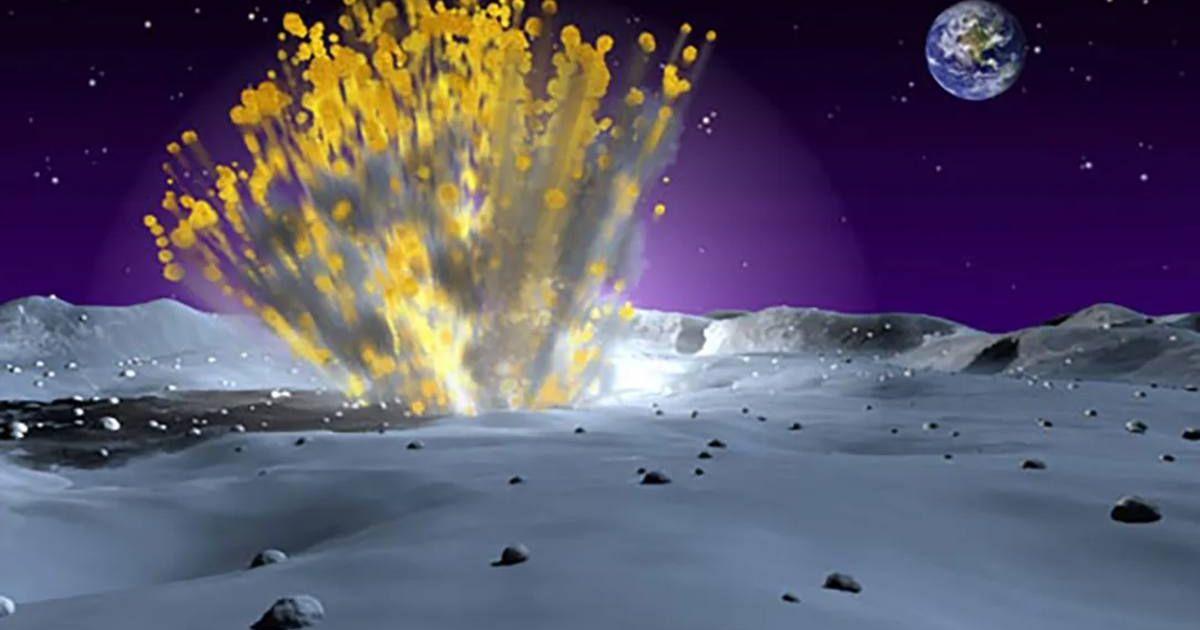
We don't know much about the first few billion years of Earth, which witnessed the birth of life, the atmosphere, and the oceans. Consistent geological processes like erosion, subduction, and burial sent older rocks out of our reach. But the Moon, which shares an impact history with our world, has managed to retain its history because it is not a site of active geologic processes that constantly move things around. Now, a research team led by Carolyn Crow of the University of Colorado Boulder has detected evidence of a lunar impact event that matches the ages of known impacts on Earth and in the asteroid belt. The study, published in Geology, is helping connect key phases of the history of our inner solar system.
“On Earth, the first fossil evidence of life shows up around 3.5 billion years ago, meaning that life is emerging and evolving before then. The question that we often have, even going back further, is what was the impact record when life was emerging?” said Crow in a statement. “It is important for understanding how life is taking hold, how life is emerging. The cadence of these catastrophic events is an important part of the equation.”
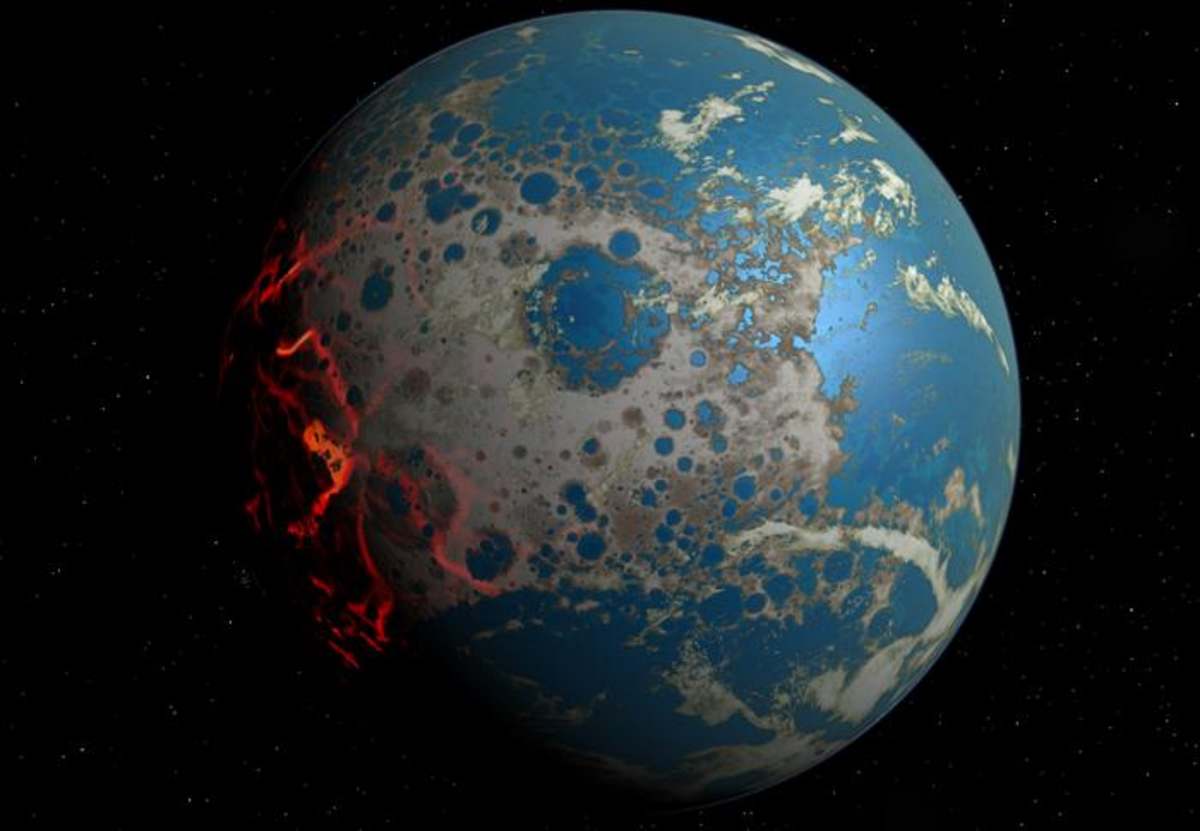
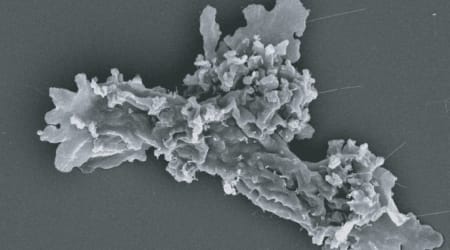
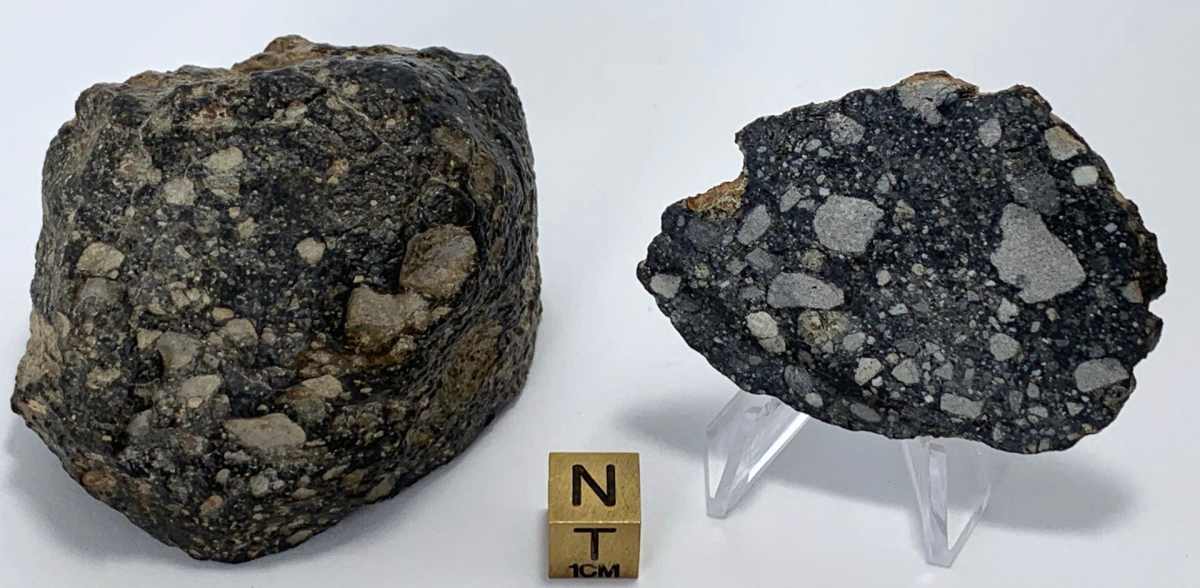
Crow and her team minutely probed a lunar meteorite found in northwest Africa, called NWA 12593. The meteorite yielded clues about three different impact events. With the help of radiometric dating, they found evidence of a 3.5 billion-year-old massive impact on the Moon. The impact was large enough to convert the lunar surface into a sheet of molten material akin to a lava flow and generate a mineral called cubic zirconia that could only form at super-high temperatures. Usually manufactured for jewelry, cubic zirconia doesn't survive in the low temperatures found on Earth and the Moon unless its cooling is carefully controlled in a lab. The researchers, however, were able to detect traces of the mineral, called cubic zirconia phase heritage, in their samples.
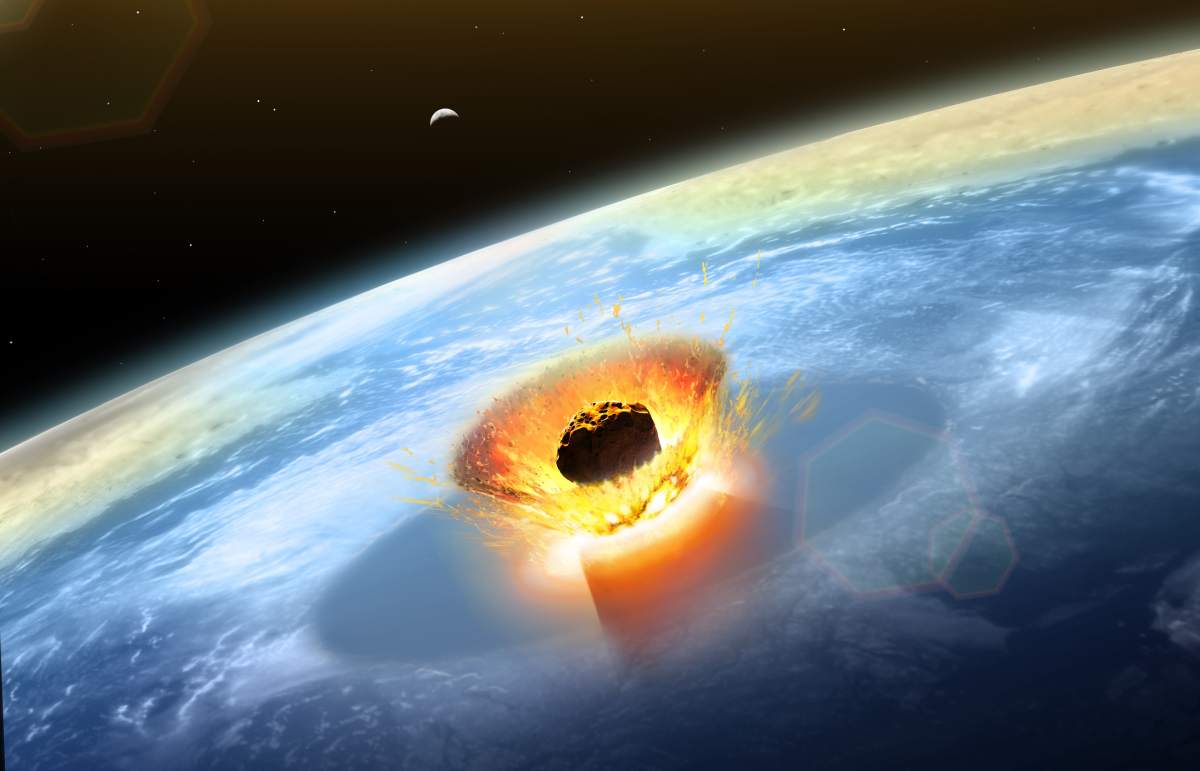
The meteorite itself is evidence of the second impact. It is made of rock called breccia, formed after a smaller impact that broke the melt sheet of the first impact. “Breccias are similar to what you would see if you went and chipped out a chunk of concrete. You would see all these little rocks, and then it's fused together by the cement,” explained Crow. “But the meteorite is fused together by the impact process. You get all these chunks of different kinds of rocks that the impact hit into. These all get mixed up, and then it gets fused together like your concrete sidewalk.”
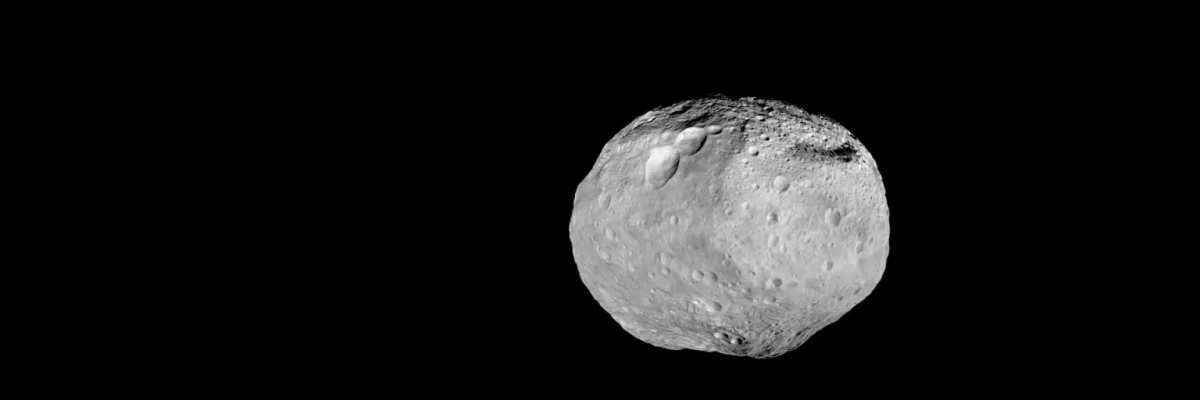
As for the third impact, it is evidenced by the meteorite's presence on Earth. A recent collision must have knocked the chunk of breccia off the Moon and towards Earth. According to evidence in NWA 12593, the first big impact aligns with known impacts on Earth and 4 Vesta, the fourth-largest asteroid in the asteroid belt. Impact events connecting three celestial bodies are rare and indicate a time when the solar system was shifting from constant collisions during the planet-forming stage to more occasional impacts stemming from the breakup of asteroids. “It's not very common, which is why we're very excited about it,” says Crow. “It's pretty rare to have all three records line up like this.”
More on Starlust
Asteroid impacts may have helped create microbes that gave Earth its oxygen-rich atmosphere