Scientists reveal Earth-like quakes on the Moon may help detect water ice
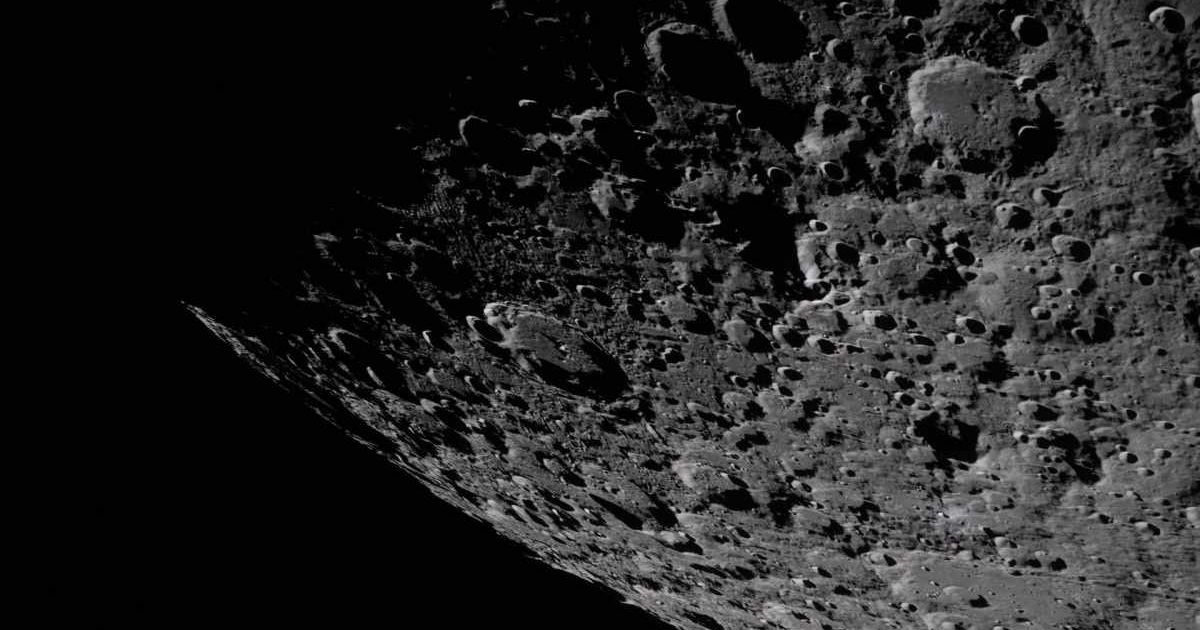
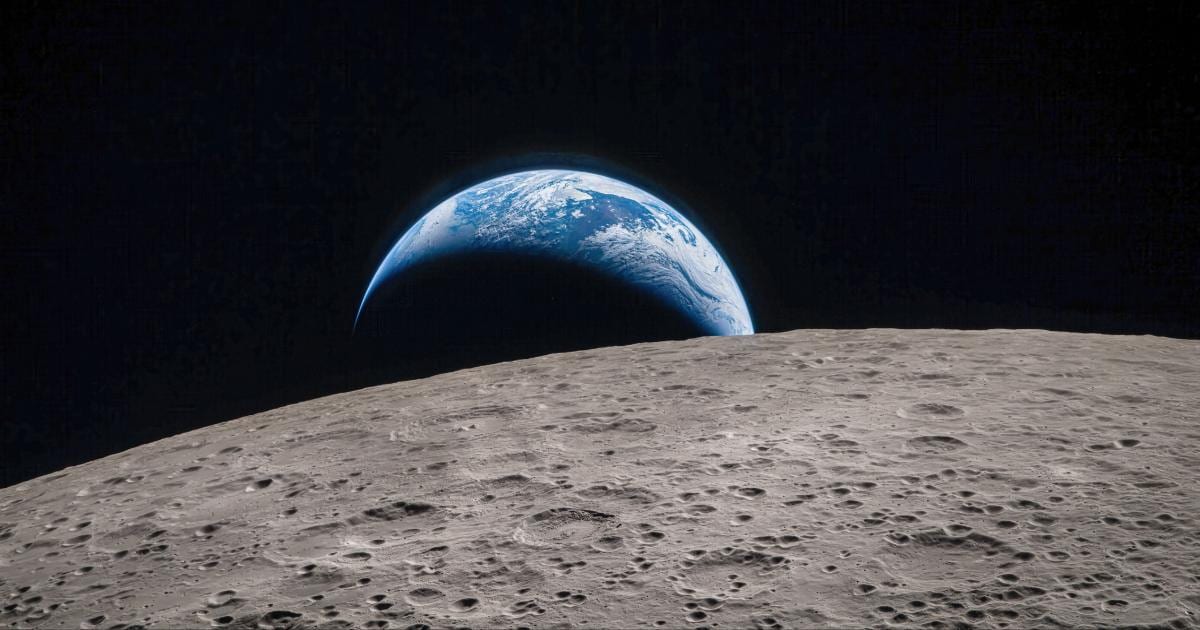
Researchers from the University of Maryland, Lawrence Berkeley National Laboratory, and the University of Hawaii have suggested that moonquakes—vibrations similar to those produced during earthquakes—can be used to detect and map ice buried beneath the lunar surface. The team did experiments simulating how ice-rich lunar dust behaves when quake-generated ripples pass through it. Their study, published in Science Advances, comes at a time when NASA’s Artemis Program is planning to send astronauts to the Moon by 2028.
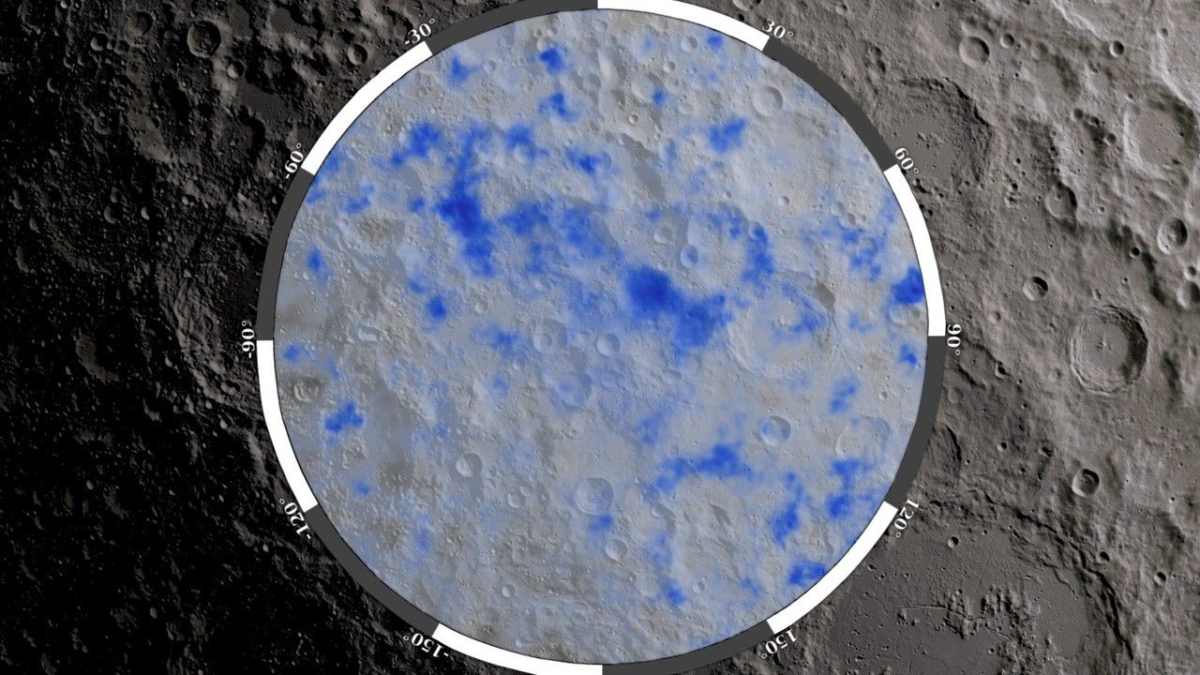
Finding water ice would be a turning point for long-term human habitation on the Moon. Ice, when melted and purified, can be used for drinking. Moreover, it is possible to split the water into breathable oxygen and hydrogen, a source for rocket fuel. In short, a steady supply of ice on the Moon means future missions need not transport a huge cargo from Earth. “It’s crucial to identify any materials on the Moon that an astronaut can make use of while they’re up there,” says Nicholas Schmerr, an associate professor in UMD's Department of Geological, Environmental, and Planetary Sciences and a co-author of the study, in a statement. “Since they will be limited by the few resources they brought from Earth, anything they find on the Moon will help them basically live off the land, especially for longer-term missions or outposts,” Schmerr adds.
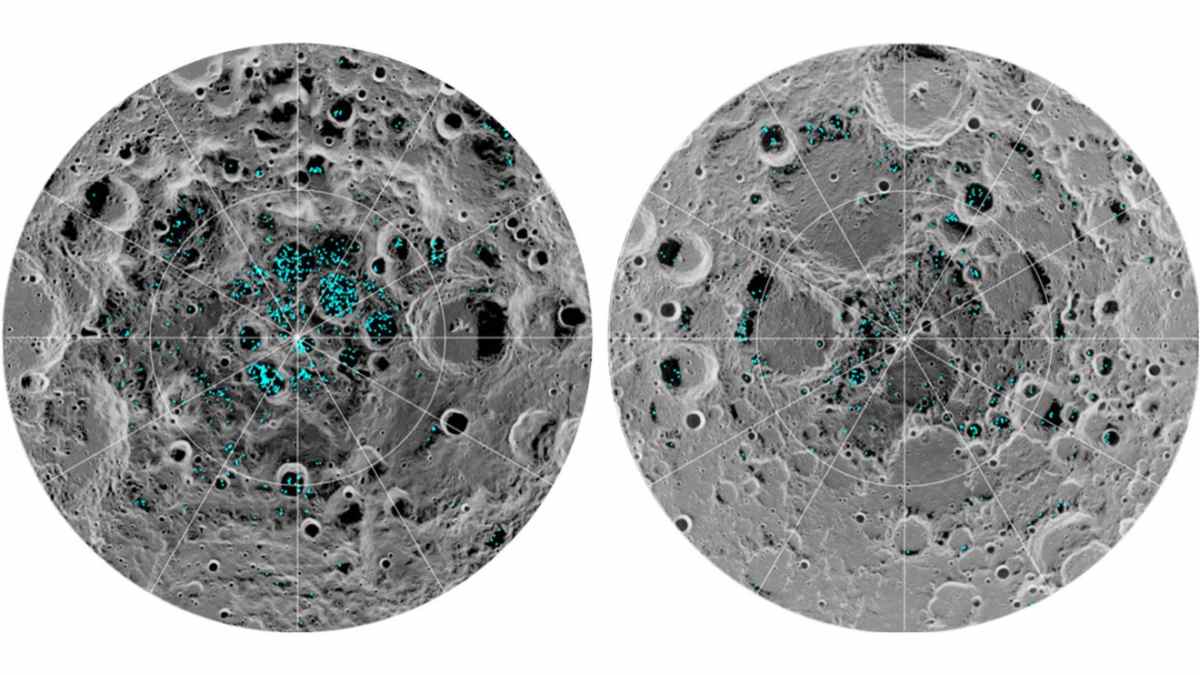
Currently, the locations and amounts of Moon ice are difficult to predict. For the moment, spacecraft can only remotely scan the Moon's top layer. But water ice deposits may lie deep underneath the Moon’s surface. In this regard, the new research will be very handy because frozen soil and dry soil react differently when a seismic wave passes through them. The presence of ice also makes soil stiffer, allowing vibrations to move two to three times faster than they would through dry dust. Moreover, seismic waves can also bounce back instead of traveling through ice-rich areas, similar to sound waves echoing off a wall.
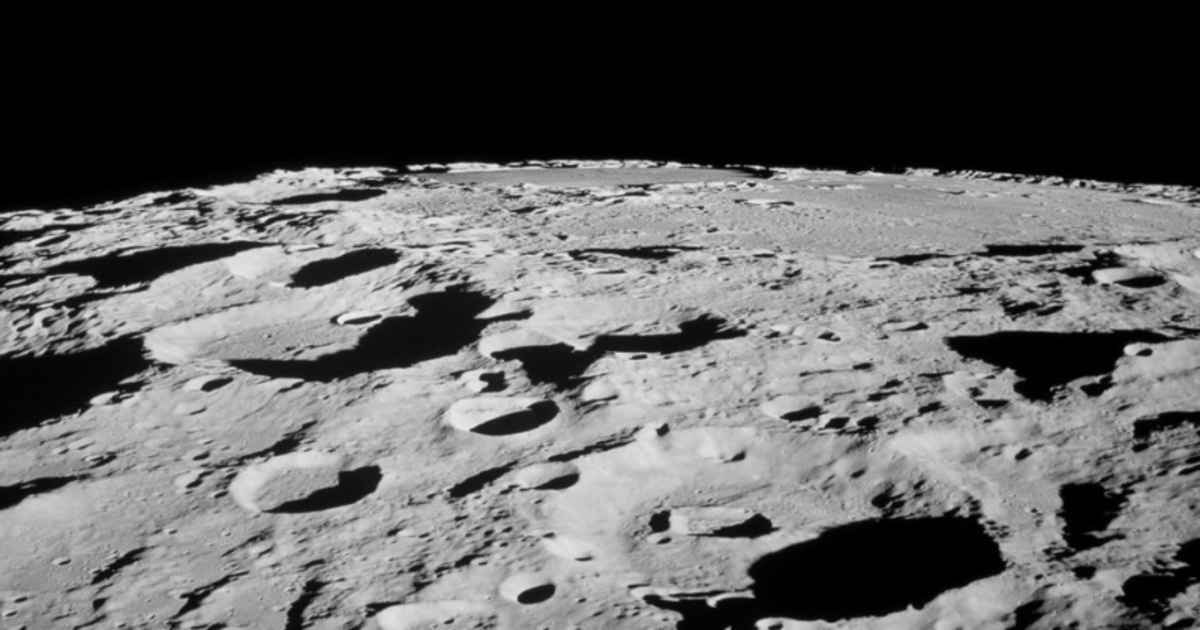
Schmerr hopes that a seismometer planted on the Moon can detect such effects. The researchers tested these theoretical possibilities through a three-pronged approach. Lead author Harrison Lisabeth, a rock physicist at Lawrence Berkeley National Laboratory and UMD alumnus, simulated Moon dust and then used X-rays to probe how ice crystals embedded themselves into delicate gaps between dust grains. Matthew Seigler, a member of the team from the University of Hawaii, used models to develop temperature maps of the lunar south pole, locating craters that are cold enough to retain ice for billions of years. Finally, Schmerr did computer simulations of small moonquakes spreading through and interacting with lunar ice. Every time, ice left a clear signature on the seismic data.
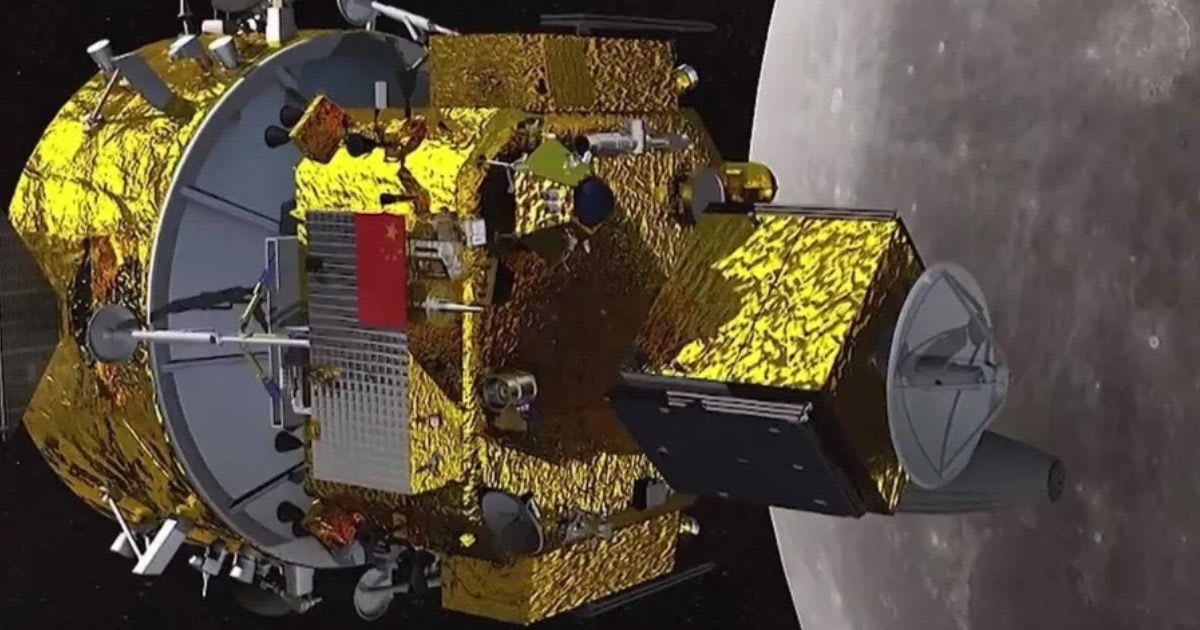
Water ice on the Moon is not just a bounty for future colonizers; it has other values. Water ice is trapped in lunar rocks that date back to some four billion years. So, studying such ice could help reveal how water arrived in the early solar system. In late 2026, such predictions will be put to the test as China’s Chang’e-7 mission will head toward the Moon with a seismometer and will touch down near Shackleton Crater. The crater is thought to have many ice deposits near it. Schmerr also helped develop the Lunar Environmental Monitoring Station, an instrument for seismic exploration that Artemis astronauts may deploy on the Moon in 2028.
More on Starlust
New research identifies where water is most likely to be found on the Moon
Can we use the Moon to deploy gravitational wave detectors? Chinese astronomers have proposed a plan