Asteroid that killed the dinosaurs helped microbial life flourish for millions of years
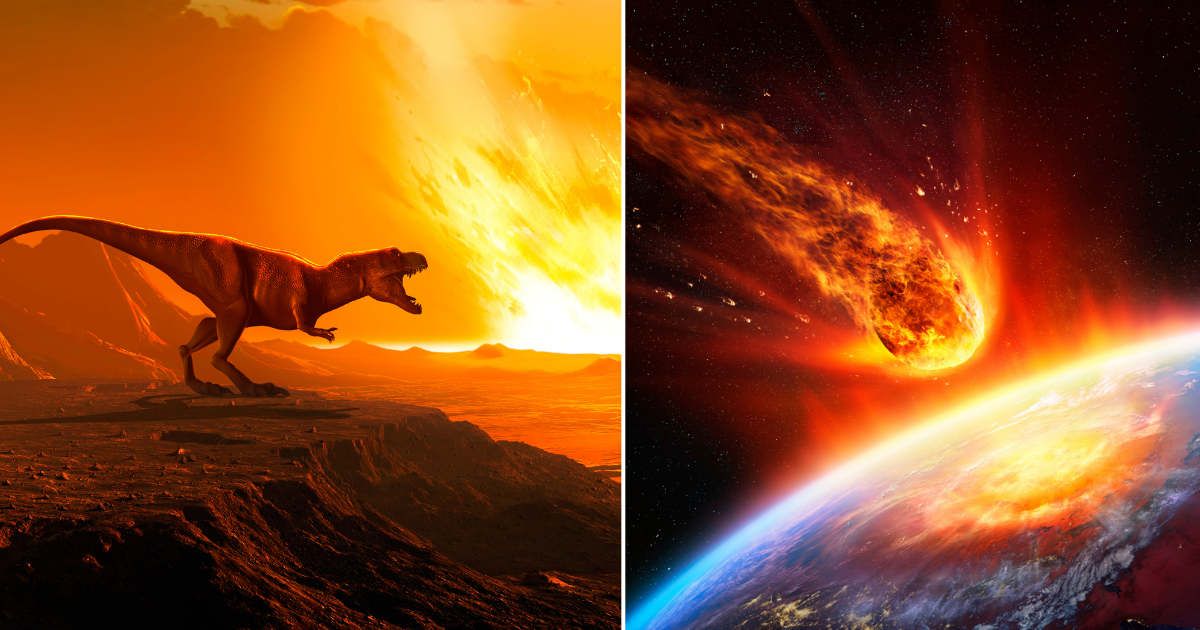
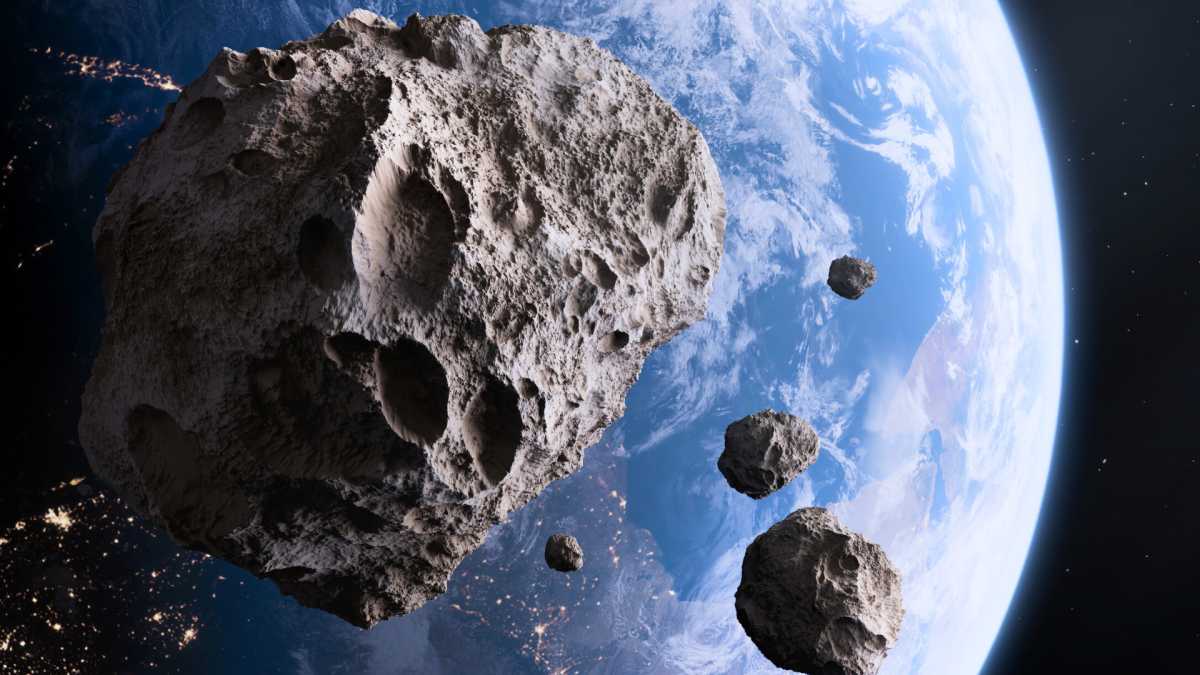
Around 66 million years ago, an asteroid slammed into Earth’s atmosphere and struck the Yucatán Peninsula in Mexico, creating a crater called Chicxulub. That catastrophic event wiped out the mighty dinosaurs, along with three-quarters of all plant and animal species on Earth. The impact also formed an underground environment that possibly supported microbial life for millions of years, according to a new study published in the journal Communications Earth & Environment. The findings may also shed light on how life might have flourished in hydrothermal systems on early Earth. An international research team has pieced together the events that could have unfolded after the asteroid strike through analysis of samples from the impact site and computer modeling.
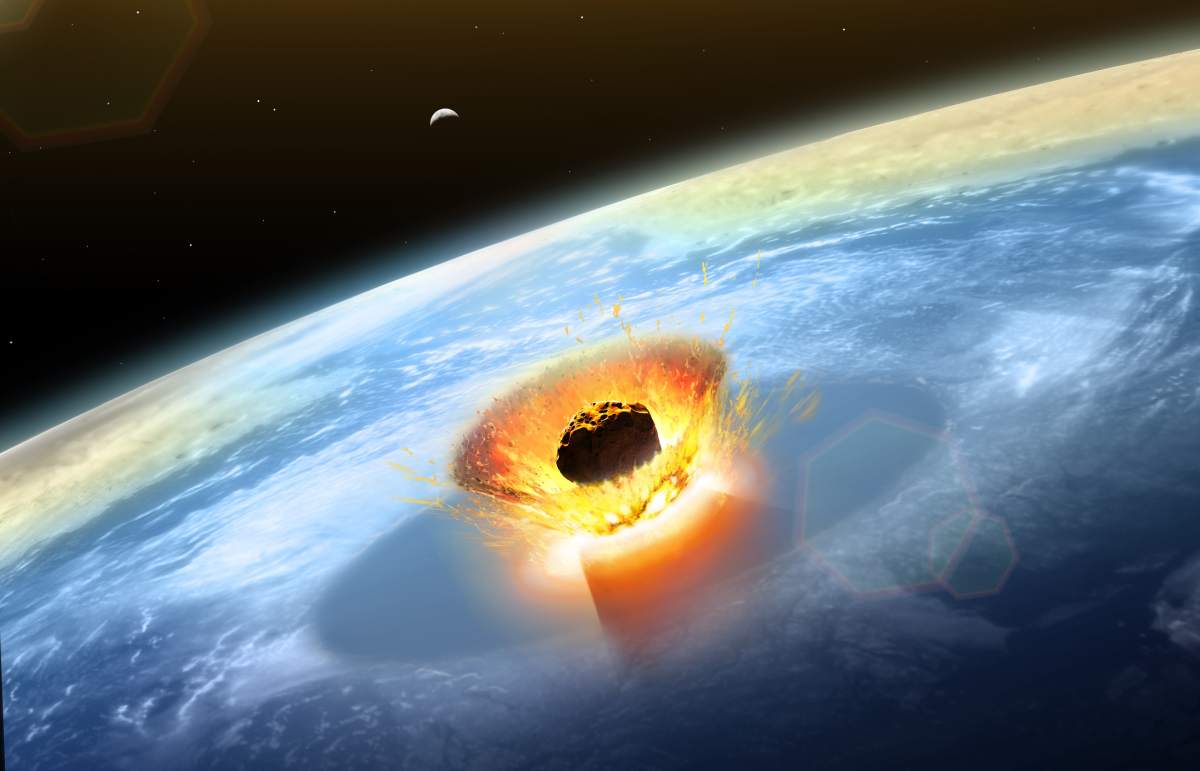
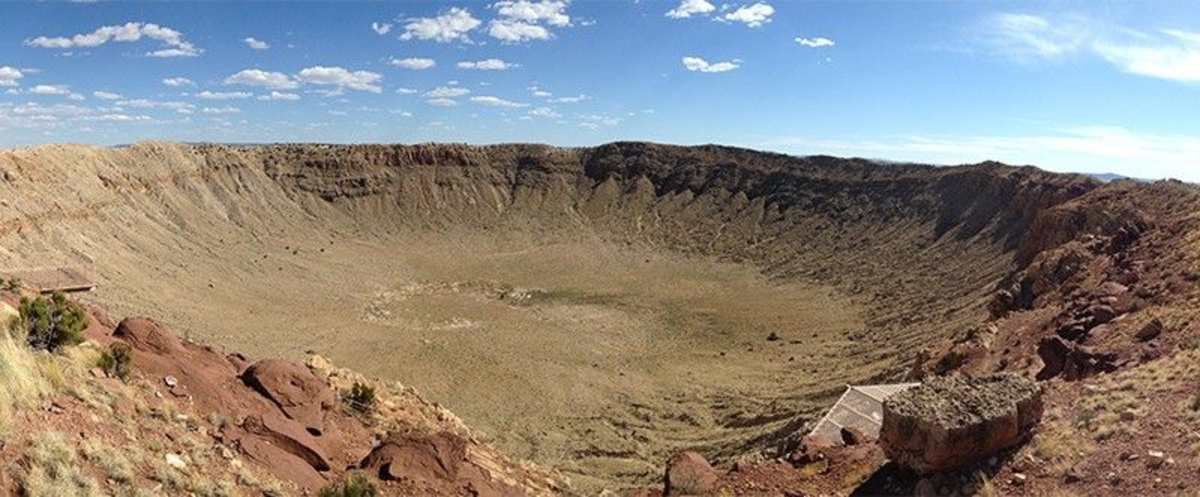
They found that the asteroid triggered a devastation that carved a deep scar on the surface. But the rocky object fractured rocks and heated water to high temperatures, creating a hydrothermal system beneath the crater. Analyzing the samples, they show that the system lingered for at least eight million years. This is four times longer than previous estimates, indicating that the newly discovered system is the longest-lived impact-generated hydrothermal system ever documented. The 10 km-wide asteroid wreaked havoc by killing all the non-avian dinosaurs and leaving a crater nearly 200 km in diameter. In the wake of this destruction, rocks melted and mixed with seawater to form porous material, containing myriad tiny pockets of heated water. This might have created conditions that helped microbial life flourish.
In 2016, the team drilled into the peak ring of the crater as part of Expedition 364, which was organized by the International Ocean Discovery Program and the International Continental Scientific Drilling Program. They collected samples, including a potassium-rich type of feldspar. Impact-induced hot fluid circulation forms this type of material. One of the team members is Dr. Annemarie Pickersgill of the Scottish Universities Environmental Research Centre (SUERC) - Centre for the Isotope Sciences at the University of Glasgow. She was part of Expedition 364. Pickersgill used a technique called argon-argon dating (measuring the radioactive decay of potassium into argon) to find the age of the feldspar samples. Analysis revealed a range of ages for the feldspar samples. The age range fell between 66 million years and 58 million years – an eight-million-year window. “Wherever on Earth you find flowing warm water, you find life, and we’ve known for a while that asteroid impacts create hydrothermal systems,” said Pickersgill in a statement. “Previous research undertaken in the early 2000s suggested that the system created by the Chicxulub impact lasted for about two million years.”
“Those findings were based on computer models which were, even at the time, regarded as conservative estimates, but we were still surprised by the outcomes of our research,” she added. But what could have sustained such a system after the impact? To find an answer, the researchers did computer simulations based on the new findings. The simulations recreated a wide range of physical conditions. These models were based on data collected during the original drilling project and the region’s geology. They found that several factors, such as high rock permeability, sustained heat from the impact, and natural geothermal conditions, worked together, allowing the system to persist for millions of years. This matched the sample-based age range of eight million years.
These findings may provide clues as to how early life on Earth sprouted amid death and destruction. This research may also have implications for understanding life beyond Earth. “The porous, fractured rocks created by impacts create microenvironments where micro-organisms can be protected from radiation and extreme temperatures. Those conditions give life the chance to take hold and flourish, and that is likely what happened here on Earth billions of years ago,” said Pickersgill. “As we look to the future of space exploration, these findings could help future missions to other planets determine which impact craters might have been most likely to sustain life.”
More on Starlust:
Asteroid impacts may have helped create microbes that gave Earth its oxygen-rich atmosphere
Why is the Moon's South Pole central to NASA's plans for a crewed landing and a lunar base?