Lab-made cosmic dust could show how life began on Earth
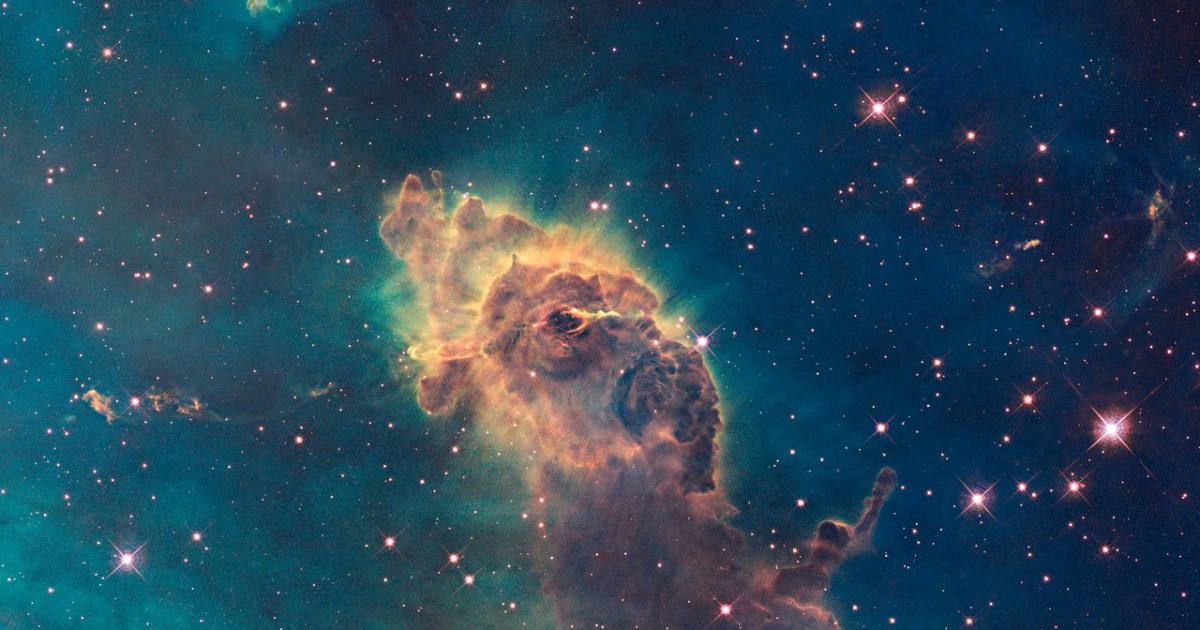
Earth, in its early days, was bombarded by meteorites, micrometeorites, and interplanetary dust from asteroids and comets that are believed to have delivered vital organic material to the planet. Now, in order to facilitate the study of the histories of these ancient objects, Linda Losudro, a PhD candidate in materials and plasma physics at the University of Sydney, and her supervisor, Professor David McKenzie, have created cosmic dust in their lab. The dust is similar to what is found between stars and in comets, asteroids, and meteorites. The findings, published in The Astrophysical Journal, shed new light on how life-brewing molecules may have formed in outer space long before our planet came into existence.
Losurdo and her supervisor recreated cosmic dust using a simple mix of gases such as nitrogen, carbon dioxide, and acetylene. With the help of a vacuum pump, they evacuated air from glass tubes, recreating the conditions of space. Nitrogen, carbon dioxide, and acetylene were then introduced. The gas mixture was exposed to high electrical energy of around 10,000 volts for about an hour. This intense energy broke molecules apart and recombined them into new, more complex structures that settled as a thin layer of dust on silicon chips placed inside the tubes.
![The Horsehead Nebula— a dark cloud of dense gas and dust located just below the belt of Orion on the sky. [Representative Image Source: NASA, ESA, and the Hubble Heritage Team (STScI/AURA)]](https://de40cj7fpezr7.cloudfront.net/b77c5999-2bde-452b-8003-db58f757d416.jpeg)
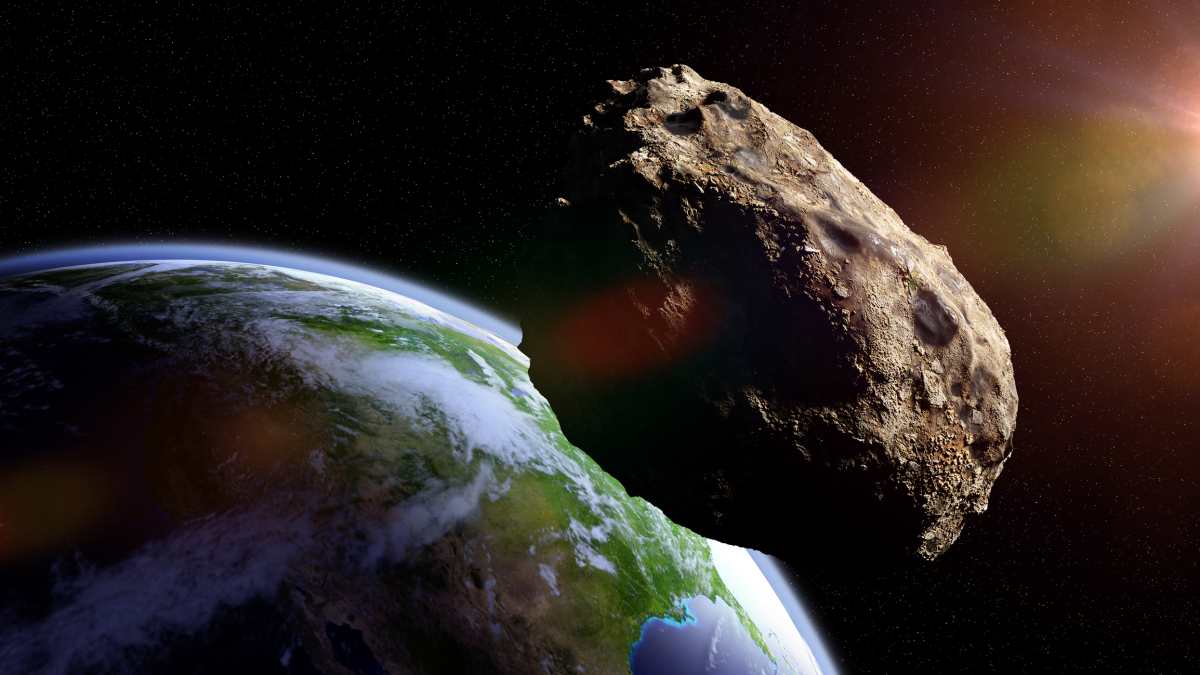
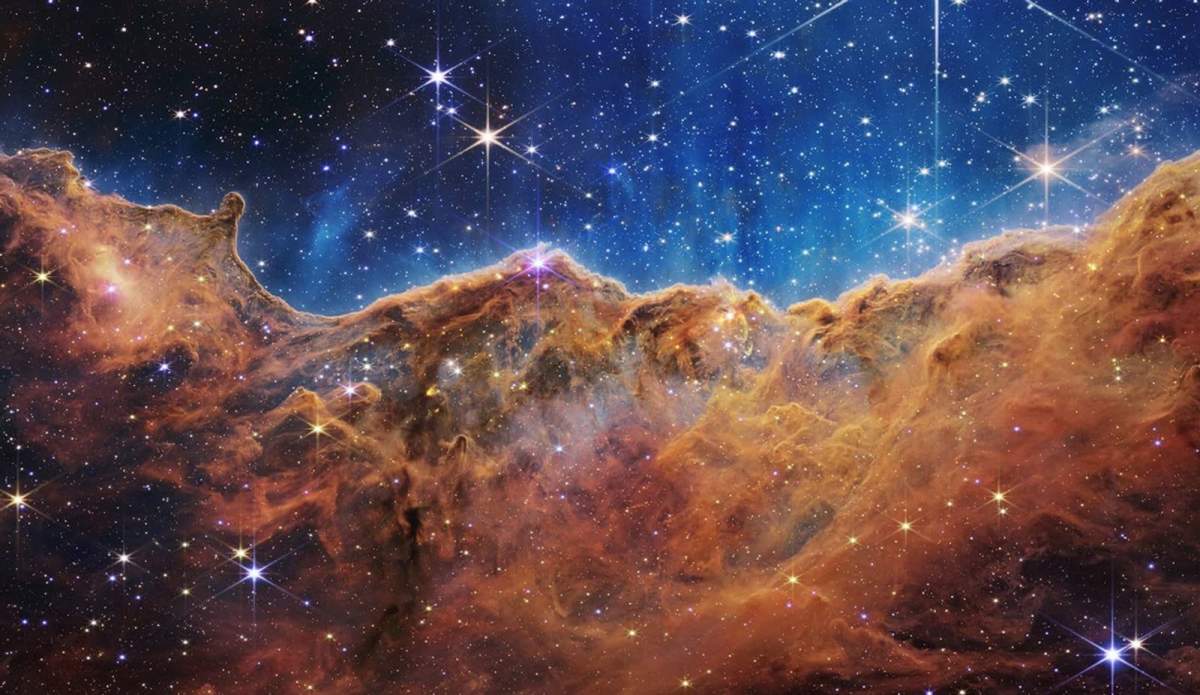
Scientists can identify cosmic dust in space by singling out the distinct infrared signals they emit. In fact, these signals act as molecular footprints that give away the chemical signature of the dust. The dust Losurdo and her supervisor created is a cocktail of carbon, hydrogen, oxygen, and nitrogen, known collectively as CHON molecules, which are important components of many organic substances essential for life. What's more? It also showed the same infrared signatures as the dust found in outer space. “We no longer have to wait for an asteroid or comet to come to Earth to understand their histories,” Losurdo said in a press release by the university. "You can build analogue environments in the laboratory and reverse engineer their structure using the infrared fingerprints ... It’s like we have recreated a little bit of the Universe in a bottle in our lab,” she added. This, she says, can provide great insight into how carbonaceous cosmic dust can originate in the plasma released by giant, old stars or in star-forming regions and distribute these molecules that could be essential for life.
“By making cosmic dust in the lab, we can explore the intensity of ion impacts and temperatures involved when dust forms in space,” McKenzie said in the press release. “That’s important if you want to understand the environments inside cosmic dust clouds, where life-relevant chemistry is thought to be happening.” This, he added, will also help scientists to delve deep into the journey of a meteorite or asteroid as recorded in its chemical signatures. Going forward, Losurdo and McKenzie want to create a comprehensive database of infrared signatures from lab-made cosmic dust that will help astronomers identify interesting regions in space, such as stellar nurseries or ruins of dead stars, and trace their histories to better understand what shaped them.
More on starlust
New study shows how Jupiter's moon Europa gets life-supporting nutrients for its ocean
James Webb Telescope's new map is strong proof that there would be no life without dark matter