Another planet in our early solar system? First evidence of Moon-sized object found from meteorite
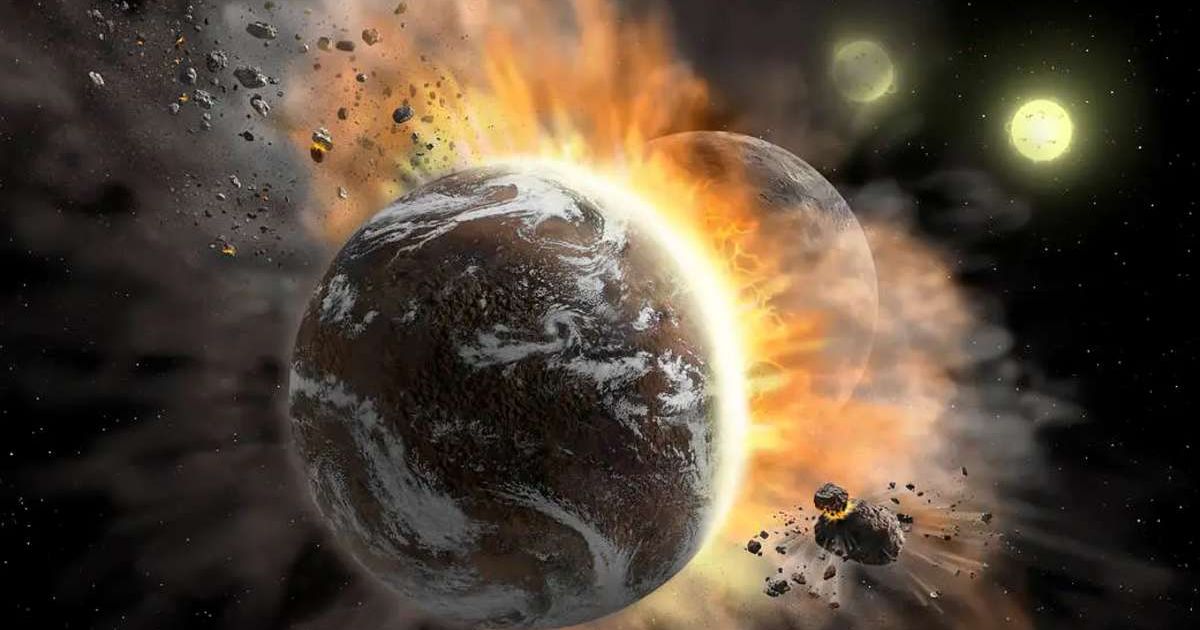
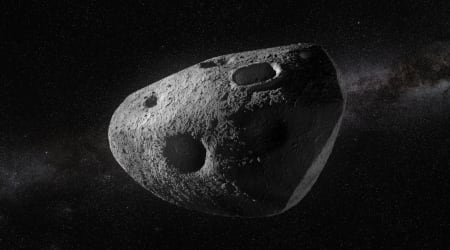
Upending long-held models of early planetary evolution, researchers at the University of Colorado Boulder have published the first definitive evidence that a massive world—possibly as big as the Moon or even Mars—orbited our Sun 4.5 billion years ago before crashing into another celestial body. It's incredible to think there was once a world this large," said lead author and Assistant Research Professor Aaron Bell. "We only know it existed because a few fragments of it happened to land on Earth. These meteorites preserved evidence of a completely different pathway through which early planets developed." The research findings have been published in the journal Earth and Planetary Science Letters.
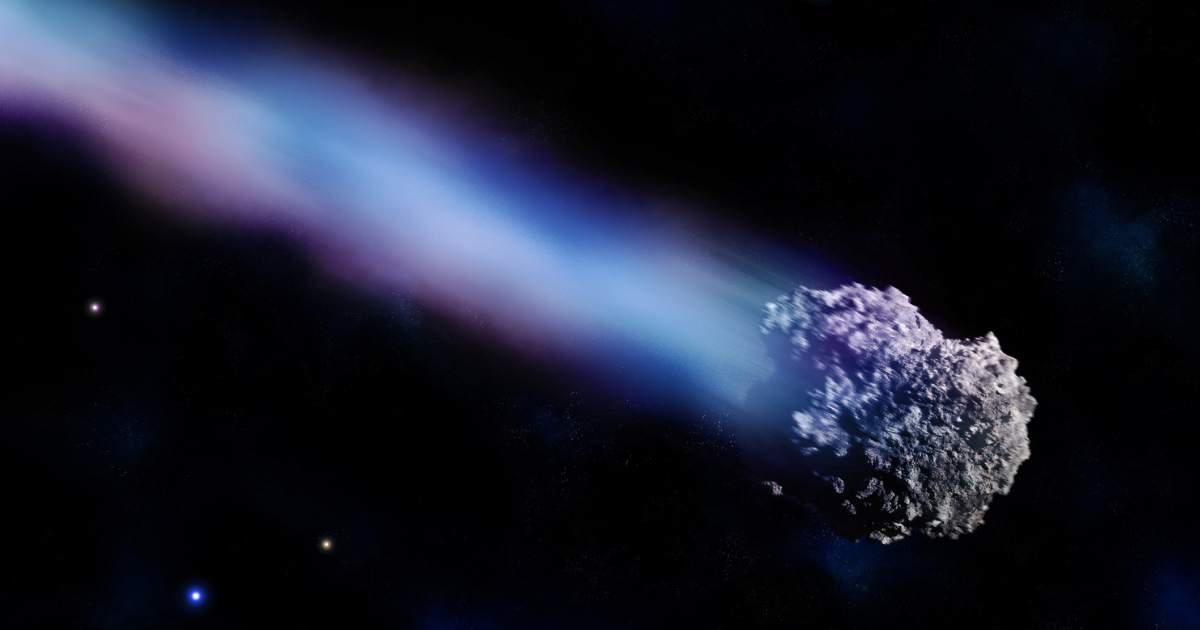
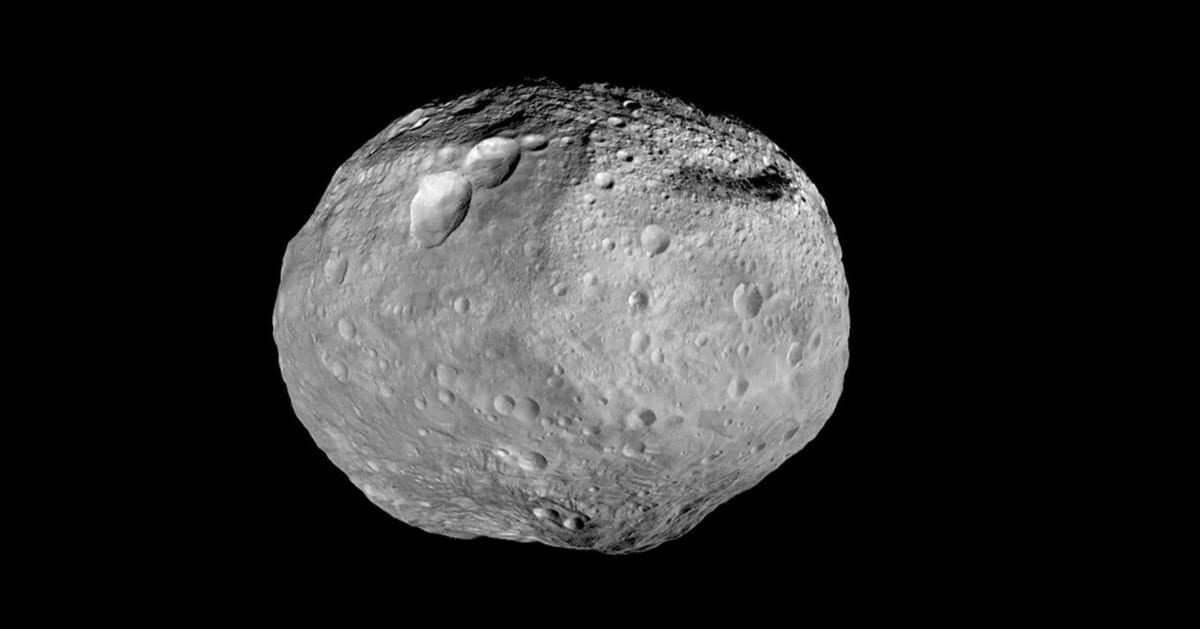
For decades, scientists assumed that angrites (the oldest known volcanic rocks in our solar system) came from small asteroids with a radius of less than 200 kilometers. The reason for this was their chemistry. They contain very little silica (silicon dioxide), a primary building block found in rocky planets like Earth and Mars. Angrites are also exceptionally rare; only 68 out of more than 80,000 meteorites discovered on Earth are angrites.

For the research, the team studied a meteorite called Northwest Africa (NWA) 12774, which was found in the Sahara Desert. It contained clinopyroxene, a group of silicate minerals commonly found in Earth's crust and mantle. However, this particular clinopyroxene was exceptionally rich in aluminum—a telltale signature of extreme geological environments—and as per the study, should have required at least 17.5 kilobars of pressure to form. For a point of reference, the crushing pressure at the bottom of the Mariana Trench—the deepest point of Earth's oceans—is only around 1 kilobar, and this suggests that generating 17 times this pressure would be impossible inside a small asteroid lacking the necessary mass. Indeed, the findings backed this, with calculations suggesting that the angrite parent body from which the meteorite originated must have been at least 1,000 kilometers in radius, making it a planetary-scale object.
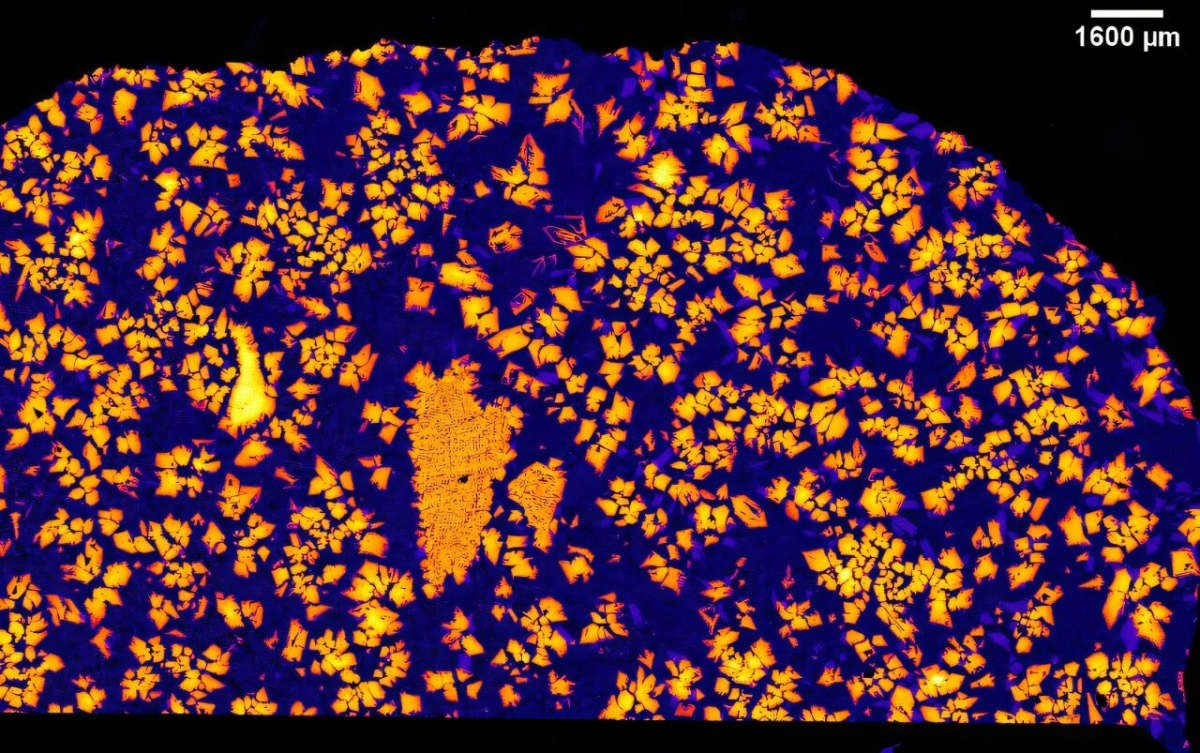
But the rock held a secondary, paradoxical clue. The crystals inside the meteorite still had sharp edges and delicate chemical patterns intact. If they had formed deep underground near the core of a large planet—the easiest place to achieve 17.5 kilobars of pressure—this delicate physical evidence would have been erased over time by extreme heat and prolonged chemical reactions. Their preservation in a pristine state suggests that the crystals actually formed much closer to the surface. For a planet to generate 17.5 kilobars of lithostatic pressure near its surface, its overall gravity—and therefore its total size—had to be colossal. Taking this into consideration, the team estimated that the NWA 12774's parent body must have stretched beyond 1,800 kilometers in radius, making it comparable to our Moon, and possibly approaching the size of Mars, which has a mean radius of roughly 3,390 kilometers (2,106 miles). "It points to a distinct and separate evolutionary path in planetary formation in the early history of our solar system," Bell explained.
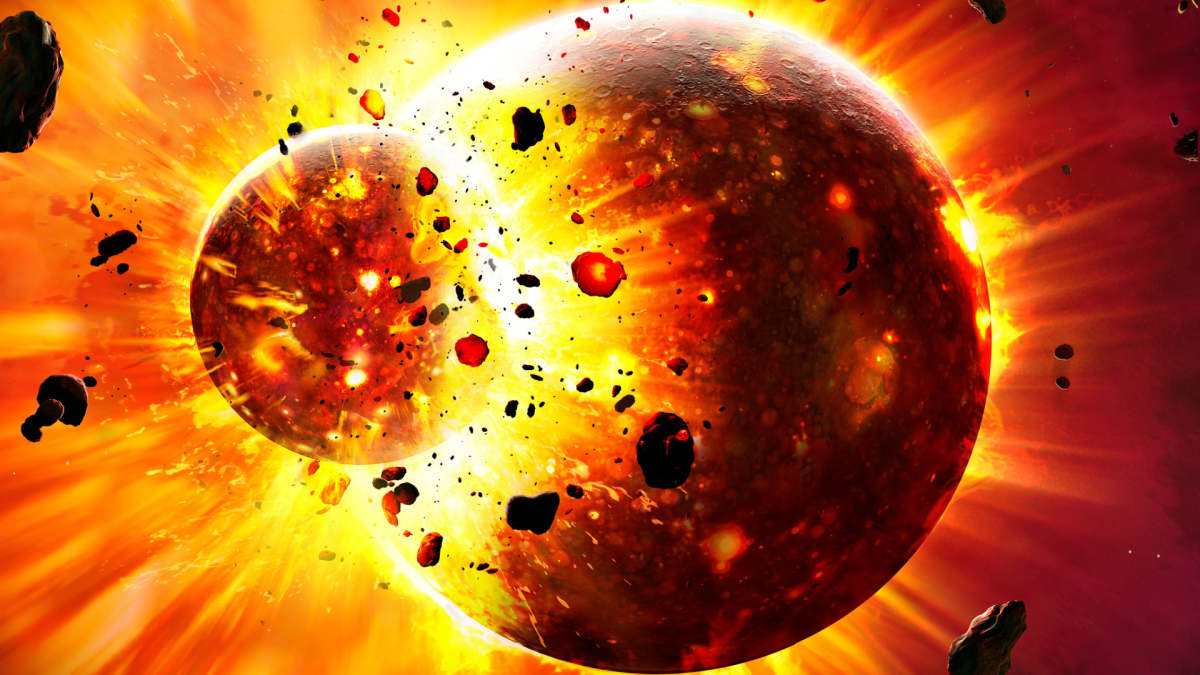
While scientists had, historically, focused on a standard, linear pathway to planet formation, the findings from NWA 12774 suggest that the early solar system was a chaotic environment that had multiple pathways for planet formation. Given evidence of this massive celestial object, the researchers hypothesized that a catastrophic impact shattered this protoplanet early in its life, with its fragments becoming the building blocks for other planets in the Solar System. While scientists still can't pinpoint exactly what destroyed the protoplanet, the implications are vast. "There are many meteorites sitting in drawers that haven't been thoroughly studied," Bell added. "So there were likely more of these protoplanets we don't know about."
More on Starlust
Astronomers spot rare cosmic blast that may have completely erased a giant star
Scientists have found a way to weigh newborn planets—the key is to read 'between the rings'