After Bennu, scientists find all DNA and RNA building blocks in asteroid Ryugu samples
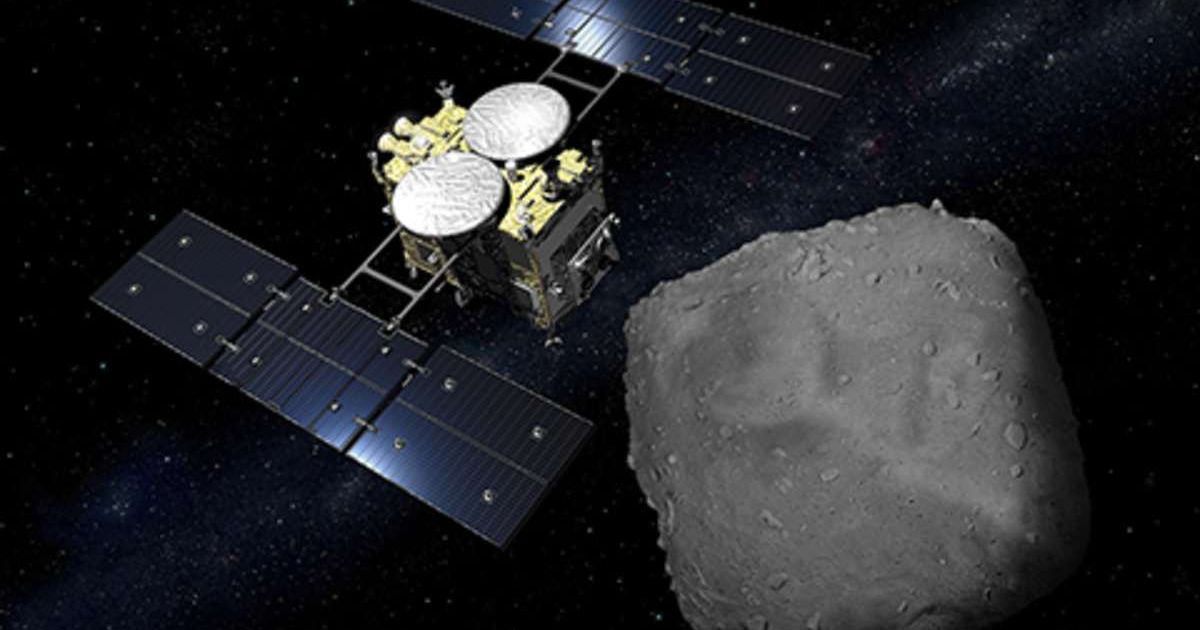
The seed of life on Earth may have come from space. Growing evidence supports this hypothesis. New research conducted by a Japanese team has detected key complex organic molecules on asteroid Ryugu. The molecules are nucleobases that make the DNA and RNA inside cells of all animals, including humans. The discovery has identified nucleobases - purines (adenine and guanine) and pyrimidines (cytosine, thymine and uracil) in Ryugu samples returned by JAXA’s Hayabusa2 mission. They report their findings in a study published in Nature Astronomy.
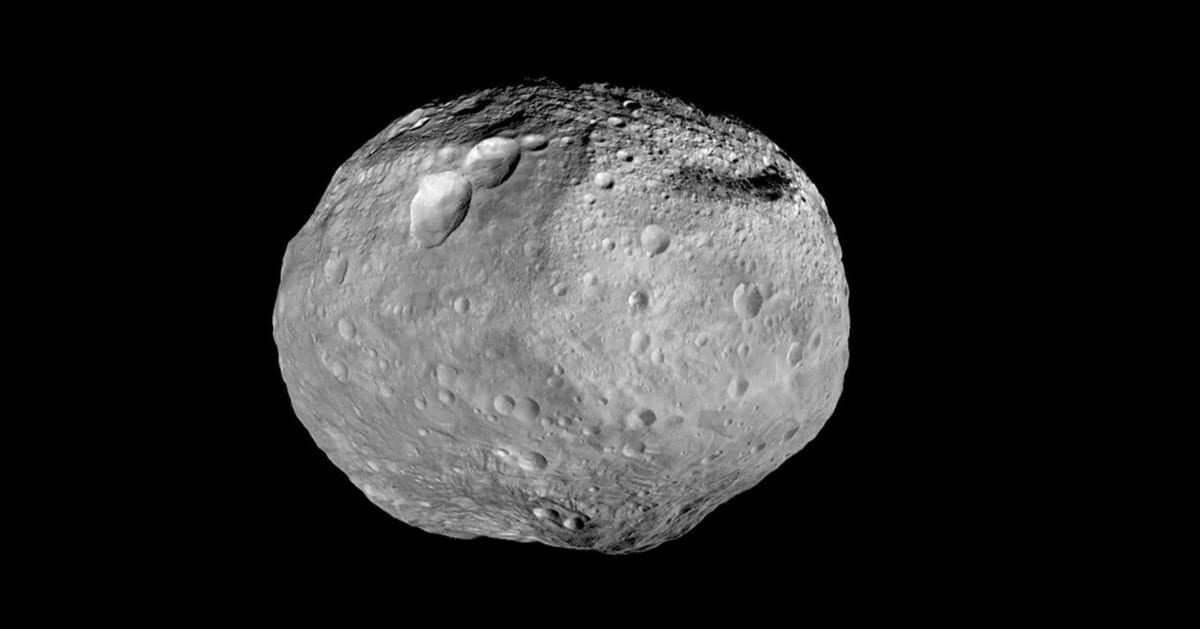
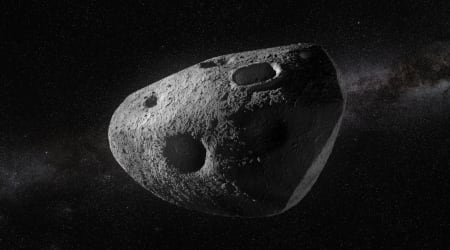
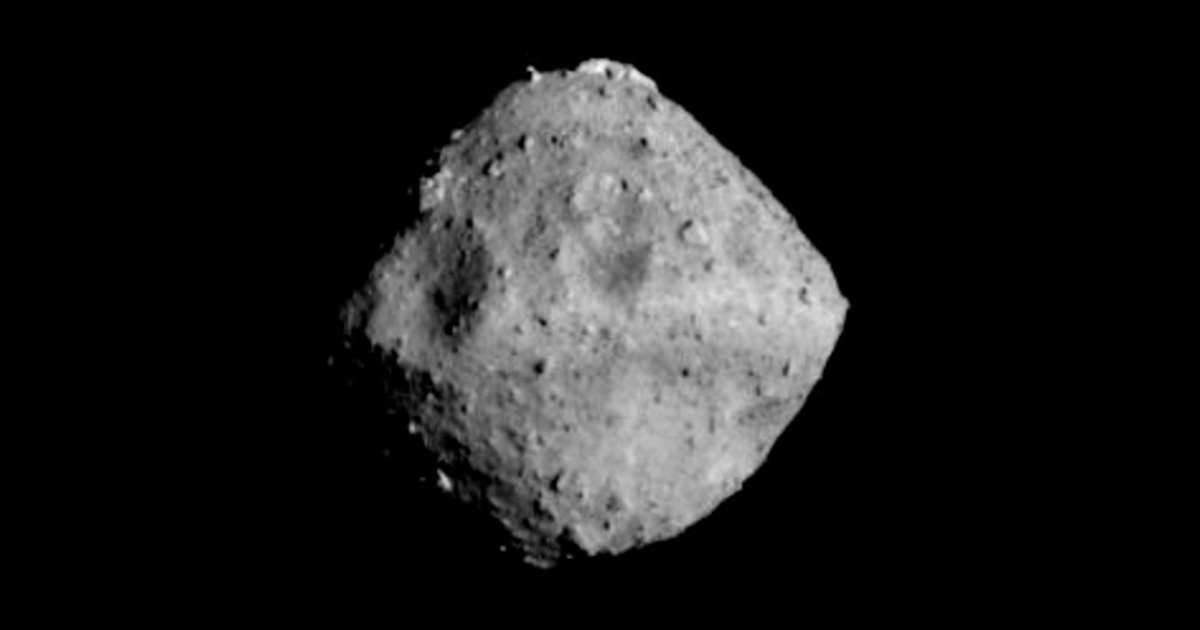
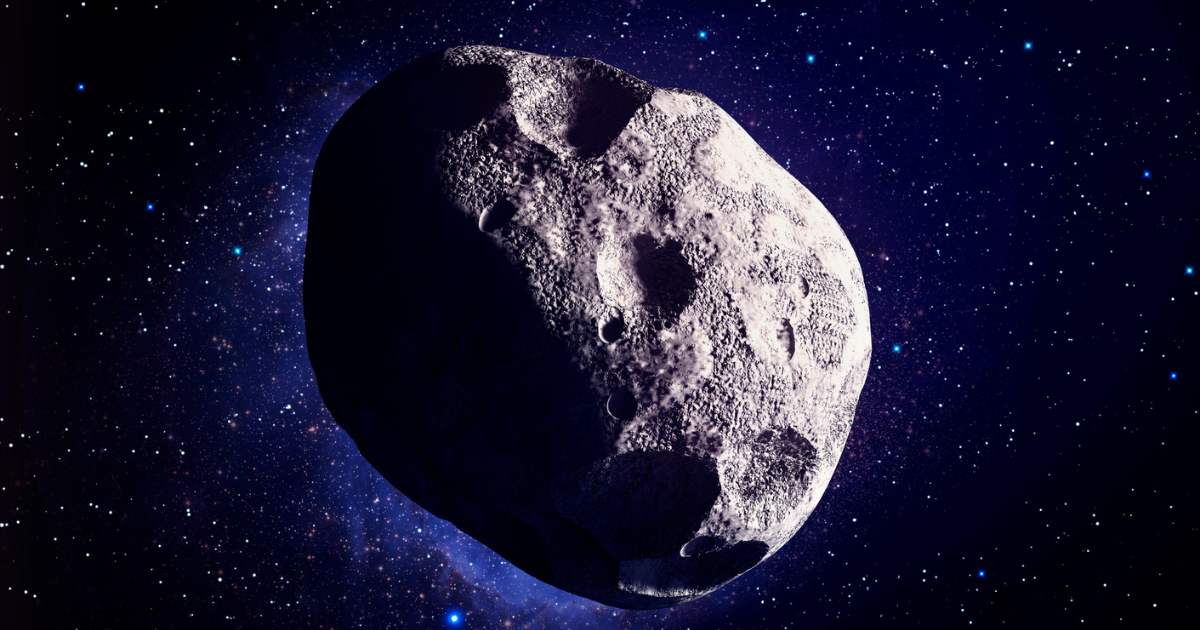
The beginning of life on Earth was humbler than we think. No cells were around on the young blue planet, which was bombarded with meteorites and asteroids. Scientists have long predicted that such extraterrestrial materials not just unload tons of rocks and dust but shed their cargo of nucleobases such as adenine, guanine, cytosine, thymine and uracil that form the bases of DNA and RNA. The DNA and RNA encode and transmit genetic information. They also help make proteins. Resilient organic molecules like RNA did not perish. Instead, they replicated and propagated on the early turbulent planet. This hunch provoked researchers to look for complex organic molecules on asteroids and meteorites. In 2014, the Japanese spacecraft Hayabusa-2 set out on an ambitious journey. It travelled 300-million-kilometer (185-million-mile) to touch down the surface of Ryugu, a 900-meter-wide (2,950-feet-wide) asteroid.
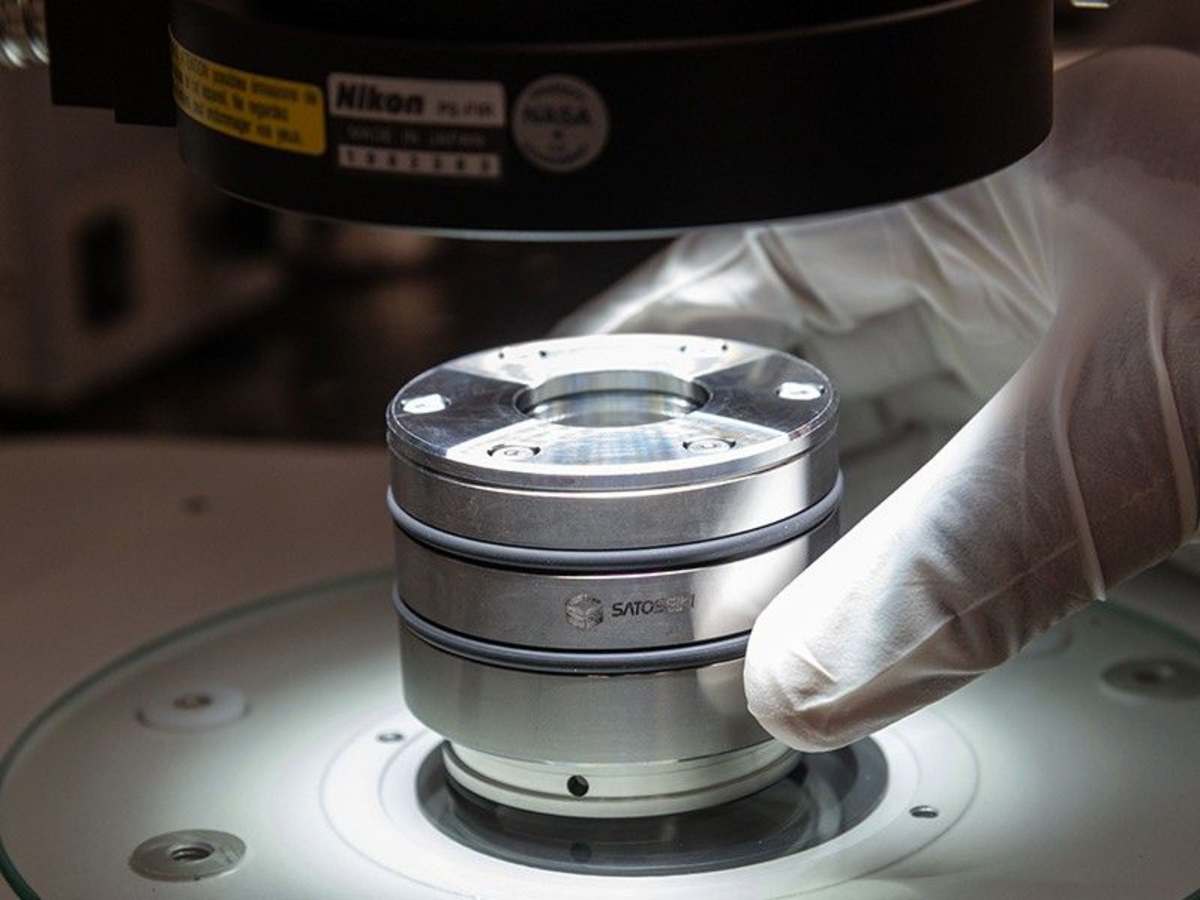
It scooped up two samples of rocks, each weighing 5.4 grams, and then headed back to Earth, bringing the samples in 2020. Initial analysis of the samples showed that these samples contained uracil, one of the four bases that make up RNA. Before membrane-wrapped life started on Earth, RNA molecules prevailed and even preceded DNA. Now, it reads out the genetic code in DNA and moves out of the nucleus to aid protein synthesis in the cells’ cytoplasm. Following up on these clues, the latest study by the Japanese team showed that the samples harbor all the nucleobases for DNA and RNA. This "does not mean that life existed on Ryugu," the study's lead author, Toshiki Koga, was quoted as saying in a statement. "Instead, their presence indicates that primitive asteroids could produce and preserve molecules that are important for the chemistry related to the origin of life," added the biochemist from the Japan Agency for Marine-Earth Science and Technology.
In the statement, Cesar Menor Salvan, an astrobiologist at Spain's University of Alcala (who was not involved in the research), emphasized that "these results do not suggest that the origin of life took place in space." However, "with this and the results from Bennu, we have a very clear idea of which organic materials can form under prebiotic conditions anywhere in the universe," he added. In a separate research, NASA has shown the presence of the same building blocks on asteroid Bennu. In the new research, the Japanese team compared the amount of each nucleobase on the rock samples and found that their quantities differed based on their history. In addition, they detected ammonia, another key chemical for life. "Because no known formation mechanism predicts such a relationship, this finding may point to a previously unrecognized pathway for nucleobase formation in early solar system materials," said Toshiki Koga.
More on Starlust
Microbes may survive asteroid impacts and travel between planets, new study finds