Caught on CCTV: Fireball meteorite that lit up northern Europe
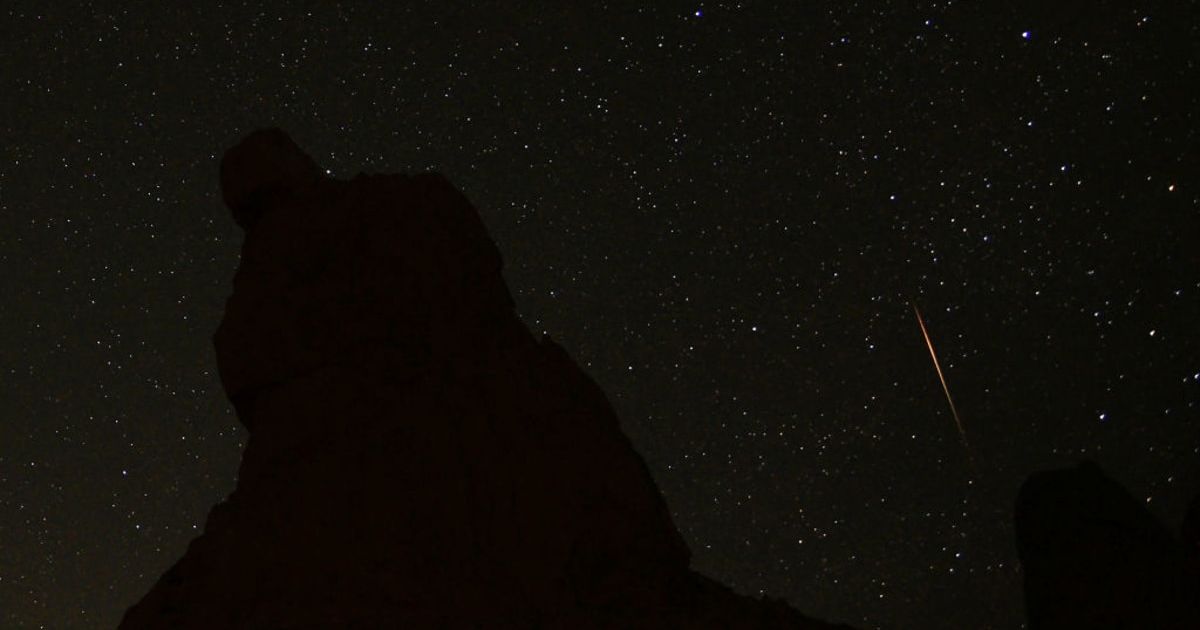
While CCTVs are usually meant for safety, they often capture some bizarre and unexpected moments. For instance, when Lex Adair retired to bed at night, he did not, in his wildest dreams, think of catching a glimpse of a meteorite passing near his Durham home. While Adair was left dumbfounded, according to the BBC, scientists have confirmed that a fireball had indeed been spotted in the skies.
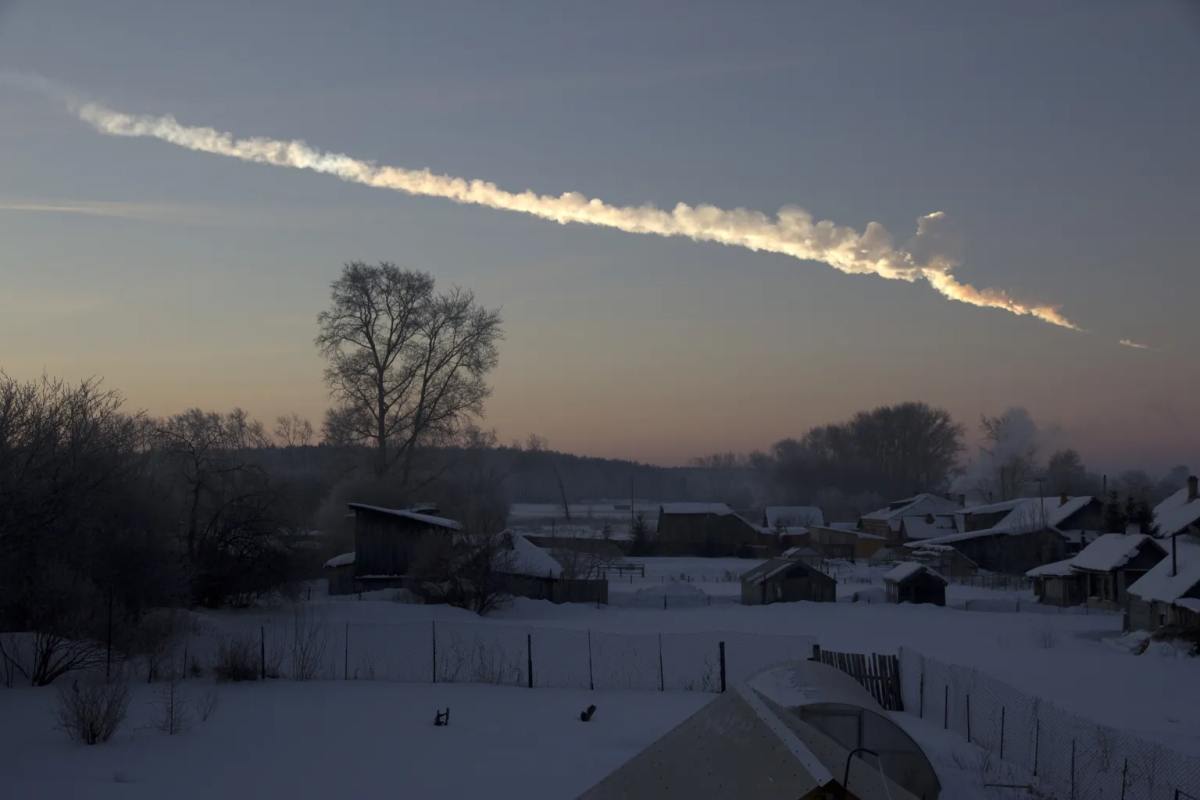
In fact, news of meteor sightings flooded the internet with more than 190 reports speculating on the actual reason for the same. According to the secretary of the UK Fireball Alliance, Charlotte Bays, the object had been spotted across northern Europe at about 00:24 BST (7:24 p.m. EDT) on Monday, April 13. Diving deep into the details, she further stated that the chemical composition of the meteor, which contained magnesium, was what had made it appear bright in the night sky.
Woah! A big and BRIGHT fireball (meteorite) was observed widely across the UK and parts of nearby Europe at ~23:34 UTC yesterday April 12th 2026. 195 reports have already been submitted to @amsmeteors. Video via Zac Flooring https://t.co/gLYEacoIQp
— Stefan Burns (@StefanBurnsGeo) April 13, 2026
AMS Event Page:… pic.twitter.com/gys7T9BUxC
Additionally, UK Meteor Network’s John MacLean clarified that no astronomical event was responsible for the meteor getting inside the Earth’s atmosphere. It was most likely a fragment that fell off a much larger asteroid. As the group studied the trajectory and behavioral patterns of the meteor, they seconded Bays’ observations about the fireball being ‘bright.’ However, a minute inspection revealed that the size was no bigger than 12 g or 0.5 oz. MacLean also added that finding the remains of the meteor might not be plausible, as the fireball, in all probability, fizzled out after entering the Earth’s atmosphere at about 20,000 miles per hour.
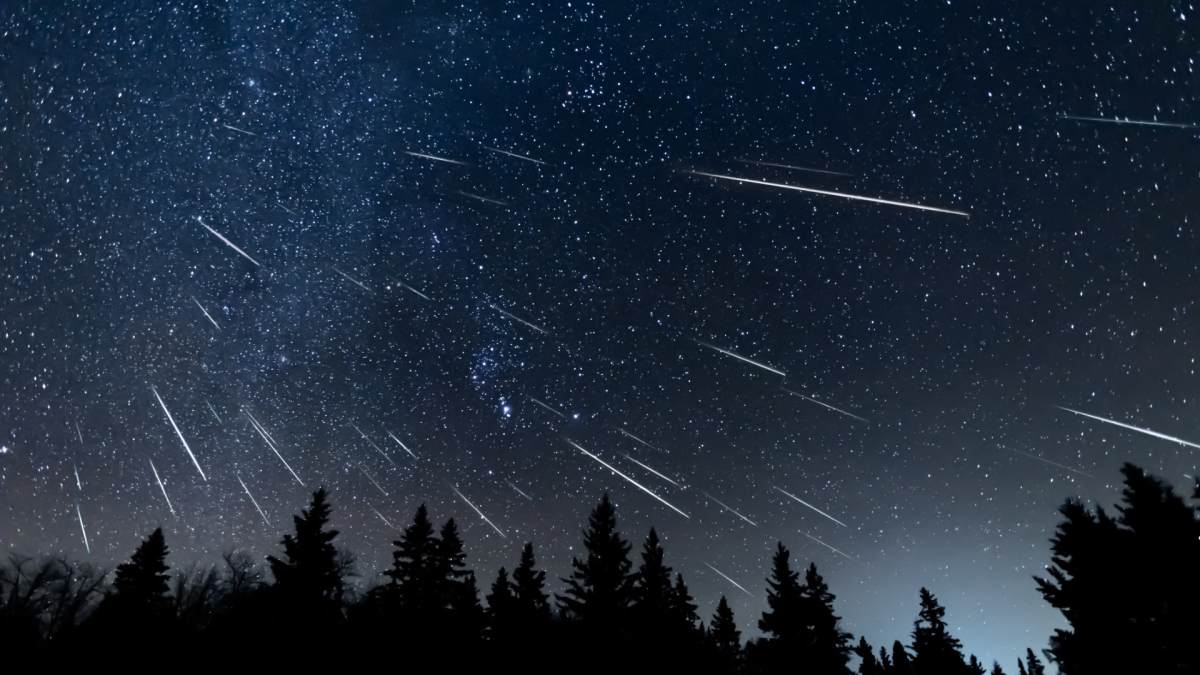
On the point that the remains of the meteorite are unlikely to be found, Bays also agreed. “Based on the fireball trajectory, the event occurred over the North Sea, so, sadly, we do not expect any recoverable meteorites," she explained. She also noted that the meteorite was a "one-off event." And while many might have missed it, a major skywatching event involving meteors is not too far away.
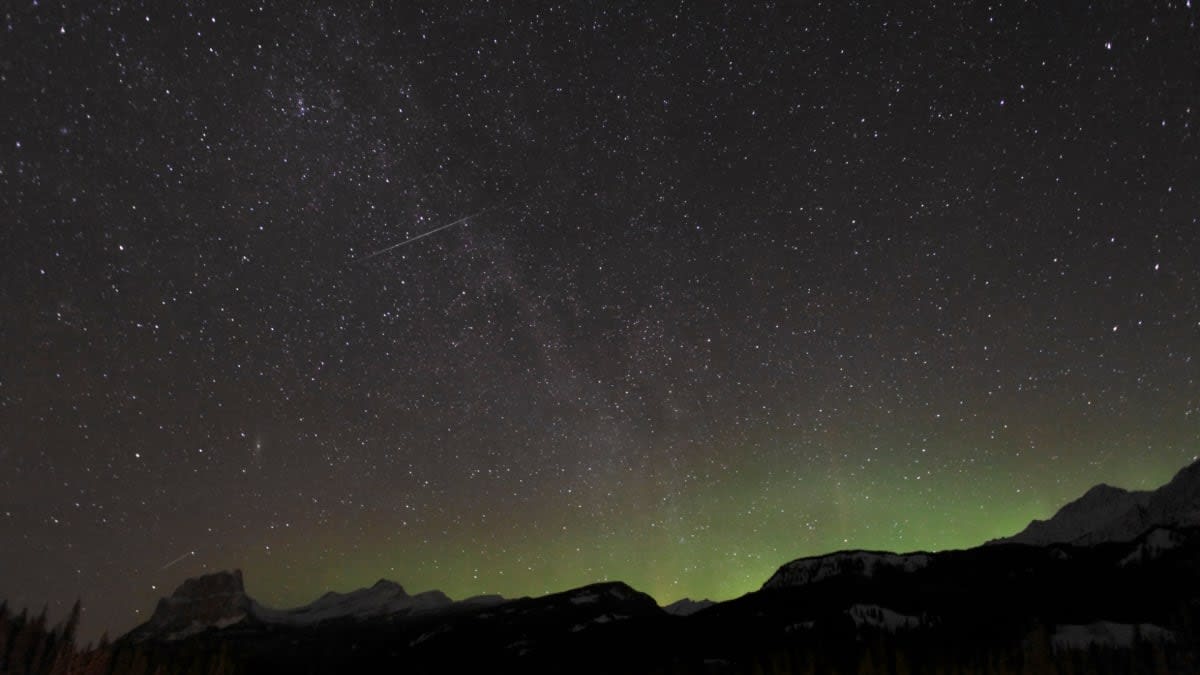
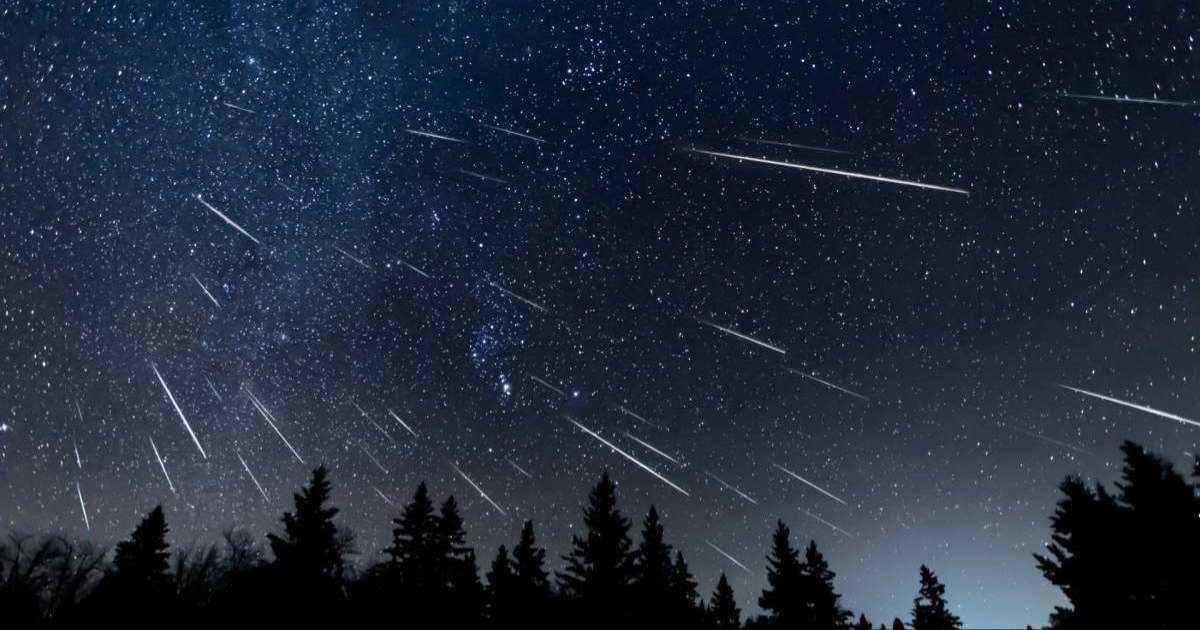
The Lyrid meteor shower, usually active between April 16 and 25 every year, is set to peak around April 22 or 23, per time and date. Originating in the debris of the comet Thatcher, which takes about 415 years to orbit around the Sun, the Lyrids are named after the constellation Lyra and are one of the oldest recorded meteor showers. The best time to catch the shower will be before dawn, and skywatchers can expect up to 15 meteors an hour under a dark patch of sky away from city lights. It should more than make up for missing the fireball on Monday.
More on Starlust:
A meteorite crashed through the roof of a German home on March 8, reached as far as the bedroom
Why it's 'almost impossible to track' meteoroids in space, NASA explains